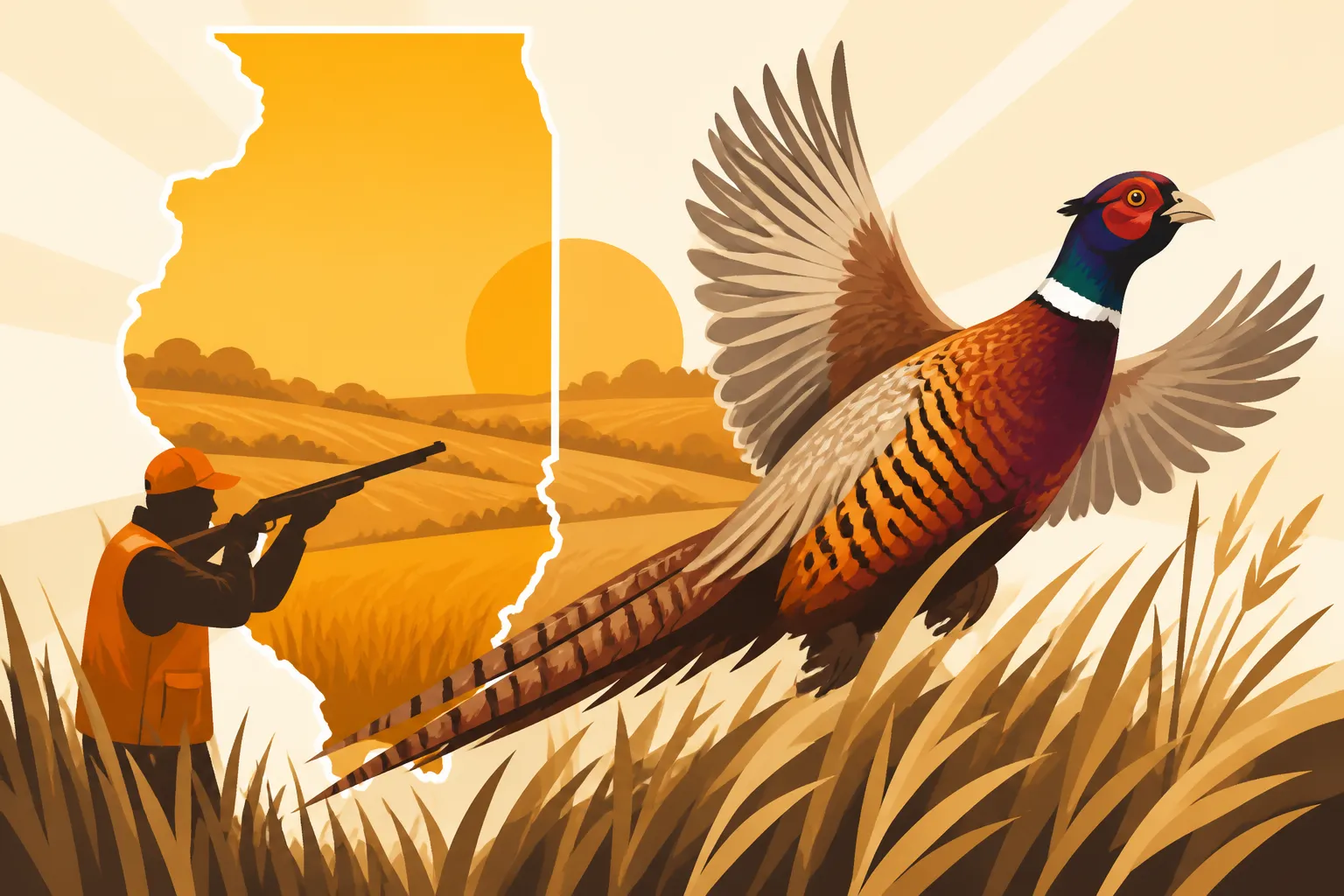
Best Illinois Ground for Public Land Pheasant
Finding good pheasant hunting on public land in Illinois can sometimes feel like searching for a needle in a haystack, especially if you're used to the sprawling pheasant heavens of states further west. Illinois might not be renowned as a pheasant Mecca, but don't despair! With the right knowledge, persistent scouting, and a keen eye for habitat, you can absolutely find success on public ground. This guide is here to help you pinpoint the best areas and offer practical advice for a rewarding public land pheasant hunt in the Prairie State.
Understanding Pheasant Habitat on Illinois Public Land
Pheasants in Illinois thrive in a very specific set of conditions, and unfortunately, extensive tracts of ideal wild pheasant habitat are not as common as they once were across the state. The landscape has changed dramatically with agricultural intensification, and what remains often requires a bit more effort to locate and hunt effectively.
Why Illinois Pheasant Hunting is Unique
Unlike states that boast vast expanses of native prairie or conservation reserve program (CRP) ground specifically managed for upland birds, Illinois's public land pheasant opportunities are often more fragmented. You're rarely going to walk into a 1,000-acre block of untouched tallgrass prairie brimming with wild birds. Instead, you'll be looking for smaller pockets, edges, and areas where habitat management has created favorable conditions. This means your approach has to be different, focusing on detailed scouting and understanding smaller-scale movements. The good news is that these smaller, overlooked spots can often hold unpressured birds.
It's also important to differentiate between wild pheasant populations and those supported by stocking programs. Many of Illinois's public hunting areas release pheasants during the season to enhance hunting opportunities. While this isn't strictly "wild" bird hunting, it provides a fantastic chance to experience upland hunting close to home. Knowing which areas are stocked and which might hold more remnant wild birds can shape your expectations and tactics. You can learn more about Illinois Pheasant Season and Stocking to prepare.
Key Habitat Components to Look For
When you're scanning maps or physically scouting public lands for pheasants, keep an eye out for these critical habitat components:
- Dense Grasslands and CRP Fields: This is prime nesting and roosting cover. Think tall, thick grasses that offer protection from predators and the elements. CRP (Conservation Reserve Program) fields, while often on private land, sometimes border public ground or are part of larger public parcels. These are absolute magnets for pheasants.
- Edge Cover and Fencerows: Pheasants are edge-dwellers. They love the transition zones between different types of cover—a grassy field meeting a cornfield, a brushy fencerow next to a soybean stubble field, or the interface between a timber block and open ground. These linear features provide travel corridors, thermal cover, and escape routes. Pheasant Hunting a Fencerow Edge is a great strategy to employ.
- Food Sources: Like all game, pheasants need food. Look for waste grain in harvested crop fields (corn, soybeans), stands of sorghum, or natural weed seeds. Areas where good cover is adjacent to a reliable food source are often where you'll find birds spending their days.
- Water Sources: While pheasants don't need open water in the same way waterfowl do, they still need moisture, which they often get from dew, insects, and succulent vegetation. Access to fields that hold moisture or are near small drainages can be beneficial.
- Brushy Draws and Ditch Banks: These can offer excellent thermal cover during cold weather and protection from aerial predators. Pheasants will often tuck into these areas, especially as the season progresses and other cover diminishes.
Types of Illinois Public Lands for Pheasants
Illinois offers various types of public lands, and while not all are managed with pheasants in mind, several categories stand out as having the best potential. Understanding these can help you narrow down your search.
State Fish and Wildlife Areas (SFWA) and State Parks
Many of Illinois's State Fish and Wildlife Areas are specifically managed for a variety of game species, and pheasants are often a significant focus, especially where stocking programs are in place. These areas are typically designed to provide public hunting access and often have staff dedicated to habitat improvement. You'll find a mix of grasslands, croplands, and brushy cover. State parks, while primarily for recreation, sometimes have designated hunting zones, though pheasant hunting may be less common and often restricted to quota hunts. For general information, check out Illinois State Fish and Wildlife Areas.
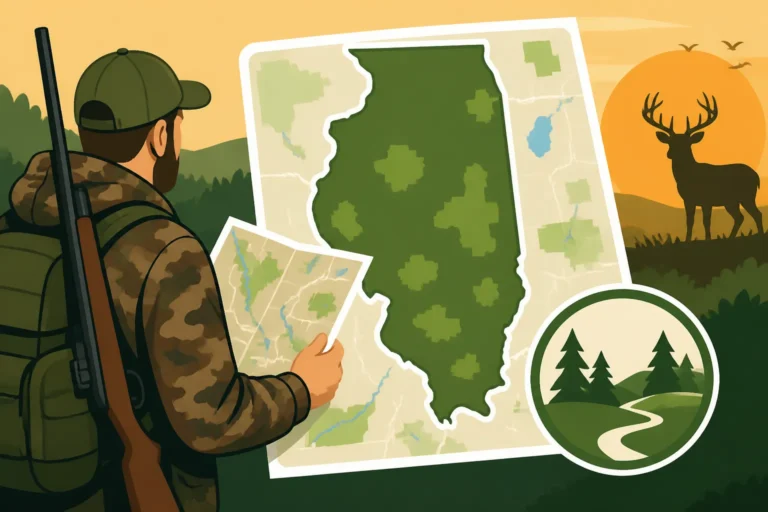
When considering an SFWA or state park, it's crucial to check their specific site regulations. Many require special permits, mandate hunter quotas, or have specific check-in/check-out procedures. Some even have designated "controlled pheasant hunting" areas where birds are released, offering a more predictable hunt, albeit one with higher hunter density. Using a mapping app like onX Hunt can be invaluable here. You can layer public land boundaries and sometimes even see habitat types, helping you visualize the layout before you even step foot on the property.
Iroquois County State Wildlife Area
This area is a prime example of a dedicated pheasant hunting destination in Illinois. Located in the eastern part of the state, it's well-known for its controlled pheasant hunting program, where birds are regularly released. The habitat is specifically tailored for pheasants, featuring extensive managed grasslands, food plots, and dense cover. While it sees significant hunter pressure, especially during peak times, the consistent stocking ensures opportunities. It's a great place for new pheasant hunters or those looking for a high-probability hunt. Don't forget to check the specific permit requirements and hunting dates for Iroquois County, as they often differ from statewide seasons.
For hunters seeking a more challenging, free-ranging experience beyond the controlled areas, you can often find smaller, adjacent public or even open private land parcels that might hold some wild birds that have moved off the main site or established resident populations. Persistence and good dog work are key in these fringe areas.
Des Plaines State Fish and Wildlife Area
Another popular spot for pheasant hunters, Des Plaines SFWA, is located in the northeastern part of Illinois, making it accessible to hunters from the greater Chicago area. Similar to Iroquois, it's renowned for its controlled pheasant hunting program and regular stockings. The terrain here offers a mix of grasslands, marshy areas, and some agricultural fields, providing diverse cover for pheasants.
Like all controlled areas, expect competition, but also expect opportunities. Utilizing a mapping tool like onX Hunt can help you identify parking areas, walk-in access points, and potential holding cover further from easily accessible spots. Even on heavily hunted public land, some areas get less pressure simply because they require a longer walk or cross a marshy section. Don't be afraid to put in the extra effort; it often pays off.
Sand Ridge State Forest
While primarily known for its sandy, oak-hickory timber, Sand Ridge State Forest in Mason County also features significant areas of restored prairie and grassland that can hold pheasants. This isn't a traditional controlled pheasant hunting area, so you'll be pursuing wilder birds, often in lower densities. This makes it a much more challenging but potentially more rewarding experience for those who prefer to "hunt" rather than "harvest."
The key to Sand Ridge is focusing on the interspersed grassland units within the forest landscape. These habitats are often managed through prescribed burns and other techniques to promote native grasses, which are excellent for pheasants. You'll need to scout extensively, potentially using aerial imagery to identify these distinct grass pockets. A GPS unit or a mapping app like onX Hunt is critical here to stay oriented and identify property lines. Hunters in these areas need to be prepared for more walking and potentially lower flush rates, but the satisfaction of finding a truly wild bird is immense.
Other Promising Locations
While the above are some of the most prominent, many other State Fish and Wildlife Areas, especially in central and northern Illinois, offer pheasant hunting opportunities. Look for areas with significant acreage dedicated to grassland, CRP, or managed agricultural fields.
Here are a few more to research:
- Jubilee College State Park: While known for its timber, it does have some field edges and brushy areas that can hold birds.
- Moraine View State Recreation Area: This area often includes grasslands and agricultural fields.
- Clinton Lake State Recreation Area: While popular for water sports, its upland sections can offer some hunting.
- Wolf Creek State Park: Similar to Clinton Lake, look for the upland and field edge habitats.
The best strategy is to consult the Illinois Department of Natural Resources (IDNR) website for a list of public hunting areas and their specific regulations and game species offered. Then, cross-reference this with aerial maps and scouting trips. Remember, Scouting Illinois Public Land Before Season is always your best friend.
| Public Land Type | Typical Management Focus | Pheasant Opportunity | Hunter Pressure (Generally) | Notes |
|---|---|---|---|---|
| State Fish & Wildlife Areas | Diverse game, habitat restoration | Good (often stocked) | High | Requires checking specific site rules, permits. Many run controlled hunts. |
| State Parks (designated) | Recreation, limited hunting | Variable (less common for wild) | Moderate to High | Hunting usually restricted to specific zones or quota hunts. |
| State Forests | Timber, multi-use, some prairie | Moderate (wilder birds) | Moderate | Focus on grassland/prairie pockets within the forest. Good for dedicated scouts. |
| National Wildlife Refuges | Wildlife conservation, some hunting | Variable (check specific refuge) | Moderate | Can have very specific rules and limited access. |
Tactics for Hunting Public Land Pheasants in Illinois
Once you've identified a promising public land area, the real work (and fun!) begins. Hunting pheasants on public ground often requires a different mindset and approach compared to private land or guided hunts.
Working the Cover Effectively
Pheasants are masters of escape, especially when they know they're being pursued. On public land, which often sees more pressure, they become even more adept at running or holding tight until the last possible second.
- Slow and Deliberate: Don't rush through cover. Walk slowly, pausing frequently, which can often make a bird nervous enough to flush. If you're hunting with a dog, trust their nose and let them work methodically.
- Corners and Edges: Pay extra attention to corners of fields, thick fencerows, brushy points, and the very ends of cover strips. Birds will often run to these terminal points and then flush. Rabbit Hunting Illinois Fencerows tactics can apply here, as rabbits and pheasants often use similar linear cover.
- Blocking and Driving: If you're hunting with a group, a traditional pheasant drive can be incredibly effective. Position blockers at the end of a field or a strip of cover, while drivers slowly walk through, pushing birds towards them. Communication is key to safety and success. For smaller groups, even two hunters can effectively block and drive smaller pockets of cover.
- Wind and Weather: Hunt into the wind if possible. This allows your dog (if you have one) to pick up scent more easily and also makes it harder for the birds to hear you approaching. Cold, windy days can make birds hold tighter, offering closer flushes. Warm, calm days might see them running more or being skittish.
Using a Good Bird Dog
While you can absolutely hunt pheasants without a dog, a well-trained bird dog dramatically increases your chances of success, especially on public land where birds are prone to running or holding in thick cover.
- Flushing Dogs (Spaniels, Labs): These breeds excel at pushing birds out of dense cover, making them flush within gun range. Their enthusiasm and powerful noses can turn up birds you would have otherwise walked past.
- Pointing Dogs (Setters, Pointers, Brittanys): These dogs will locate a bird and "point," indicating its exact location, allowing you to move in for the flush. This can be exhilarating and provide more controlled shooting opportunities.
- Retrieval: Beyond finding birds, a dog's ability to retrieve downed birds from heavy cover is invaluable. Losing a bird in thick CRP or a briar patch is incredibly frustrating, and a good retriever prevents this. Make sure your dog is accustomed to the conditions and has proper blaze orange for safety.
Essential Gear and Safety
Hunting public land pheasants means being prepared for various conditions and potentially other hunters.
- Blaze Orange: This is non-negotiable. Illinois requires a certain amount of blaze orange to be worn during specific hunting seasons, and it's always a good idea for upland hunting for maximum visibility, regardless of the legal requirement. Wear a blaze orange hat and vest at a minimum.
- Appropriate Footwear: You'll be doing a lot of walking, often through wet, uneven, and briar-filled terrain. Waterproof, comfortable boots are essential. Consider gaiters to protect your lower legs from burrs and thorns.
- Shotgun and Ammunition: A 12 or 20 gauge shotgun is standard. Use appropriate upland loads (e.g., 6 shot) that have enough knockdown power for pheasants. Always carry plenty of shells.
- Mapping Tools: A GPS unit or a smartphone app like
onX Huntis crucial. It helps you stay on public land, identify boundaries, mark flushes, and navigate back to your vehicle.GoHuntalso offers mapping features that can be useful for planning and understanding terrain, thoughonX Hunttends to be more widely adopted by upland bird hunters for in-the-field navigation and detailed public/private land layers. Know your location at all times. - Water and Snacks: Especially on longer hunts, stay hydrated and fueled.
- Hunter Education: Ensure you meet all Illinois Hunter Education Requirements. This isn't just a legal necessity; it instills safe hunting practices that are vital when sharing public land.
Finding Unpressured Public Land Pheasants
Even in areas known for hunting pressure, there are often ways to find birds that haven't been pushed or shot at constantly. This is where diligent scouting and a willingness to explore come into play.
The Art of Pre-Season Scouting
You simply cannot overstate the importance of scouting before the season opens. This is true for any game, but especially for pheasants on public land.
- Aerial Maps are Your Friend: Use online satellite imagery or a detailed mapping app like
onX Huntto identify potential cover, food sources, and travel corridors. Look for fingers of cover, brushy draws, patches of tall grass, and field edges that might hold birds. Identify access points and plan your routes. - Walk the Ground: Nothing beats putting boots on the ground. Visit the areas you've identified on maps. Look for pheasant sign: droppings, tracks in soft ground, feathers, and dusting bowls. Pay attention to how the cover actually looks and where birds might hold. You might even flush a few pre-season (no shooting, of course!).
- Identify Hard-to-Reach Areas: These are often the honey holes. Look for sections of public land that require a longer walk, a creek crossing, or dense, unpleasant cover that other hunters might avoid. These overlooked spots are often where unpressured birds will reside. Consider how Finding Ground That Sees Fewer Hunters can apply to your pheasant pursuits.
Hunting During the Week or Off-Peak Hours
The vast majority of hunters are out on opening weekend and on Saturdays. If you have the flexibility, hunting on a weekday can dramatically reduce the amount of competition you encounter. Similarly, hitting the fields early in the morning right at legal shooting hours, or staying until the very last light, can sometimes yield better results as birds become more active and less wary.
Adapting to Conditions and Pressure
Pheasants are smart, and they quickly learn to avoid areas with heavy hunting pressure.
- Late Season Success: As the season progresses, and cover diminishes, pheasants often consolidate into the densest, most protective cover available. This can include thickets, cattail marshes, or even standing corn that hasn't been harvested yet. Don't overlook these spots, especially after a snowfall when they're easily visible as dark patches of cover.
- Weather Changes: A sudden cold front or a fresh blanket of snow can completely change bird behavior. They might move into thicker thermal cover or concentrate around readily available food sources. Being adaptable to these changes can be the difference between a successful hunt and an empty vest.
- Listen to Local Chatter: While you won't always find exact GPS coordinates, local forums, sporting goods stores, or even chatting with conservation officers can sometimes provide general insights into which areas might be holding birds or where habitat work has recently been done.
Illinois pheasant hunting on public land offers a fantastic challenge and a rewarding experience for those willing to put in the effort. It might not be the volume hunting of the Dakotas, but the wild flush of an Illinois rooster in a crisp prairie field is a memory worth chasing.
Disclaimer
This article is for general informational purposes only and does not constitute professional advice. Laws, prices and regulations vary by location and change over time. Consult a qualified professional for guidance on your specific situation.