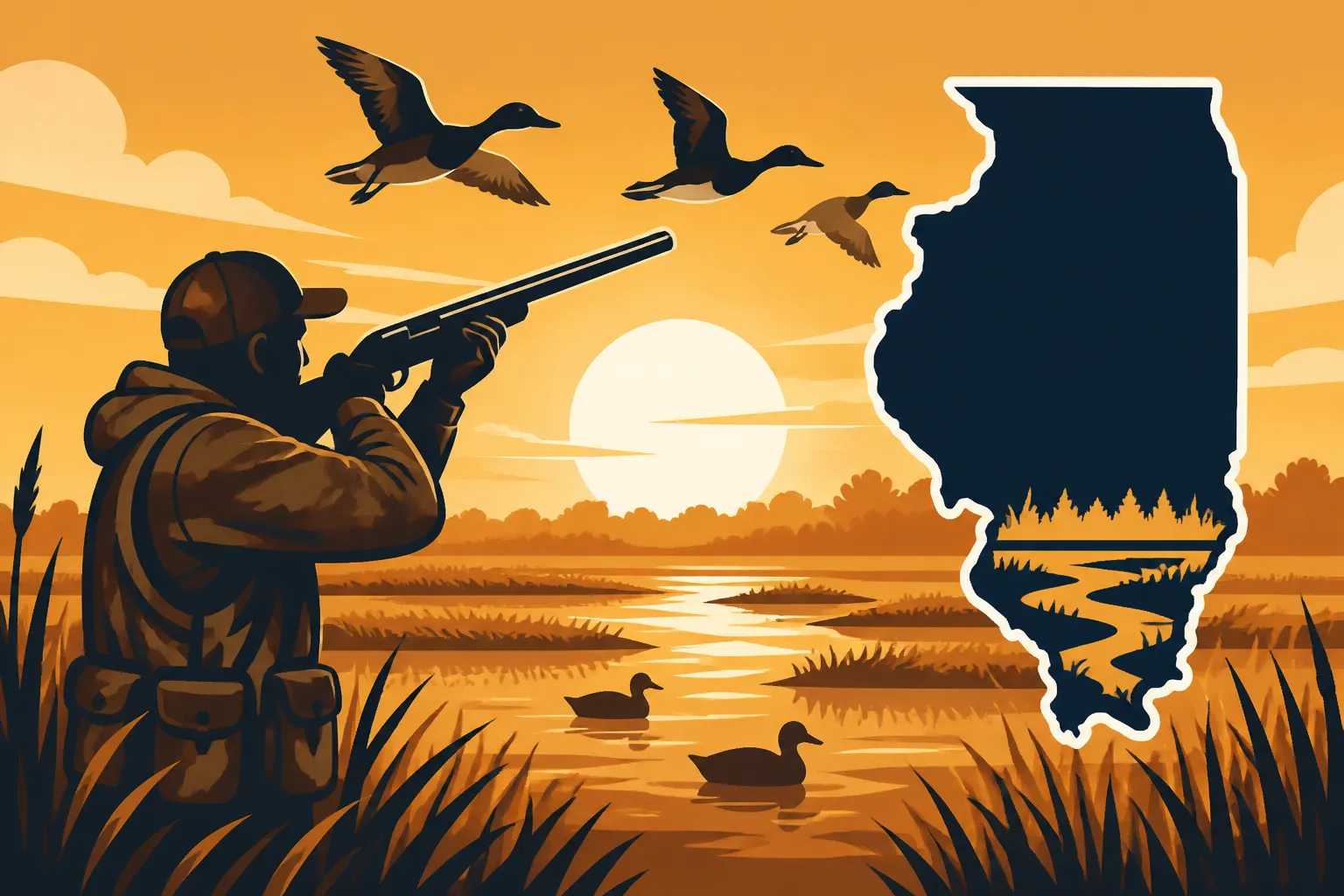
Best Illinois Ground for Public Land Waterfowl
Finding prime public land for waterfowl in Illinois can feel like searching for a needle in a haystack, especially with the state's incredible reputation drawing so many hunters. The good news is, Illinois truly is a waterfowl mecca, sitting right in the heart of the Mississippi Flyway. This guide will walk you through the top public hunting grounds, offering insights into where to focus your efforts, how to prepare, and what strategies can lead to a successful hunt on highly competitive public tracts.
Understanding Illinois's Waterfowl Landscape for Public Hunters
Illinois is blessed with some of the most productive waterfowl habitat in North America, thanks to its position on the Mississippi Flyway. This means a tremendous volume of ducks and geese pass through our state each fall and winter. While private clubs and flooded farm fields often get the most attention, there are fantastic opportunities on public land if you know where to look and, crucially, how to hunt them effectively. Public access often means competition, but it also means accessibility for everyone.
The Mighty Illinois River Valley
When you talk about Illinois waterfowl, the Illinois River Valley immediately comes to mind. This historic waterway is a magnet for ducks and geese, offering a mosaic of backwaters, sloughs, and managed impoundments that are vital stopovers for migrating birds. The sheer volume of habitat, both natural and man-made, is astounding, and dedicated public lands here are managed with waterfowl specifically in mind. Hunters often face varied conditions, from deep-water diver hunts to shallow-water puddle duck opportunities.
Many state-managed areas along the Illinois River are renowned. Places like Woodford State Fish and Wildlife Area, Anderson Lake, and Pekin Lake offer excellent hunting, though often through a public draw system or by daily sign-in. It’s not a simple walk-on affair; these areas are heavily managed to ensure quality hunting and to prevent over-pressure. The draw systems can be frustrating, especially if you're traveling a distance and hope to get a spot, but they are in place for a good reason – to spread out the pressure and give everyone a fair shake. Understanding the specific application periods and daily registration processes for each site is absolutely critical. Missing a deadline or showing up without the proper procedure can quickly turn a hopeful morning into a long drive home.
Navigating the Mississippi River Backwaters
Parallel to the Illinois River, the vast backwater systems of the Mississippi River offer another phenomenal public land waterfowl experience. This sprawling wetland complex, especially in the central and southern parts of the state, provides endless sloughs, shallow lakes, and timbered bottoms that hold birds by the thousands. The Mississippi River is a different beast than the Illinois, often wider, with more unpredictable water levels and a larger, more intricate network of islands and channels. This wilder nature can make scouting more challenging but also offers opportunities to find less-pressured birds if you're willing to work for it.
Areas like the Two Rivers National Wildlife Refuge, just north of the confluence of the Illinois and Mississippi Rivers, and segments of the Mark Twain National Wildlife Refuge Complex are prime examples of managed public hunting. However, many portions of the Mississippi River are also accessible under general public land rules, particularly certain islands and river bottom tracts managed by the U.S. Fish and Wildlife Service or the Army Corps of Engineers. Hunting the Mississippi can mean anything from setting decoys in a quiet backwater slough to chasing ducks off a sandbar, or even Hunting the Mississippi River Backwaters from a boat blind along a timbered edge. The sheer scale means that persistent hunters with a good map and a willingness to explore can often find their own honey holes away from the crowds, especially during mid-week hunts.
Lesser-Known Public Pockets
Beyond the two major river systems, Illinois has a surprising number of smaller public areas that can offer fantastic waterfowl hunting, especially for jump-shooting opportunities or for hunters targeting smaller farm ponds and drainage ditches. State parks, smaller fish and wildlife areas, and even some county-managed lands can hold pockets of ducks and geese, particularly during mild weather or early in the season before heavier migration pushes birds to larger bodies of water. These spots might not host thousands of birds, but they can provide consistent action and often see less pressure than the big river systems.
Think about areas like Sangchris Lake State Park or various smaller wetland developments within larger state parks that might have limited, permit-only waterfowl hunting. While not "trophy" waterfowl destinations in the same vein as the Illinois River, these local gems can be incredibly rewarding. They might involve more legwork, finding smaller beaver ponds, or setting up on a less obvious sheet of water. Often, these spots require excellent local knowledge and a good understanding of how birds use the specific landscape. Don't overlook the potential of Jump-Shooting an Illinois Creek or scouting out flooded timber on a smaller state-managed timber tract after a heavy rain.
Scouting and Preparation for Public Waterfowl Success
Public land waterfowl hunting in Illinois is a game of preparation. You can't just show up and expect birds to fall from the sky, especially with the competition you're likely to face. The most successful hunters put in significant time before the season even begins, using every tool at their disposal to understand bird movements, water levels, and potential access points. This isn't just about finding birds; it's about finding huntable birds that haven't been scared away by continuous pressure.
Digital Tools for Reconnaissance
In today's hunting world, digital mapping tools are absolutely indispensable for public land waterfowl hunters. Gone are the days of relying solely on paper maps, though a good physical map is still smart for backup. Platforms like onX Hunt and GoHunt provide layers of information that can be game-changers. You can identify public land boundaries, track water levels from previous years (if available), and even mark potential access points or optimal blind locations from your couch.
Think about how you use these apps:
- Property Boundaries: Use onX Hunt to ensure you're always on public land and away from private property. This is crucial for avoiding trespass and understanding where hunting pressure might be concentrated or where it drops off.
- Topography and Water: Look for natural funnels, pinch points, and changes in elevation that might indicate deeper water or hidden sloughs. Some apps offer water depth overlays, which are incredibly valuable. You can also identify old river channels or oxbows that become isolated during low water, creating perfect duck habitats.
- Access Routes: Mark parking areas, boat ramps, and potential walking routes. Understanding how to get to your spot without disturbing birds or other hunters is as important as the spot itself. You might find a less-traveled route that gives you an edge. The ability to drop pins and measure distances on a satellite image can save you hours of wasted effort in the field.
These digital scouting efforts are your first line of defense against wasting precious hunting time. You can often identify potential blind locations or boat access points without ever setting foot on the ground, allowing you to prioritize your in-person scouting efforts. Consider looking at Scouting Illinois Public Land Before Season with these tools to get a head start.
Boots-on-the-Ground Scouting
While digital tools are powerful, nothing replaces boots-on-the-ground scouting. Waterfowl habitat changes constantly due to rain, drought, and agricultural practices. What looks good on a satellite image might be bone dry or completely overgrown when you arrive. You need to walk the dikes, explore the timber, and feel the mud under your waders. Pay attention to fresh sign like droppings, feeding activity, and most importantly, where the birds are actually resting and feeding.
During scouting trips, focus on:
- Current Water Conditions: Are the sloughs full? Is the timber flooded? What's the current flow like in the river? Water levels dictate where birds will be and how you can access them.
- Food Sources: Are there standing crops nearby that have been harvested, creating waste grain? Are there smartweed beds or native moist-soil plants? Ducks and geese are always looking for food.
- Pressure Points: Where are other hunters setting up? Where are the birds resting away from that pressure? Finding these quiet zones, even if it means a longer walk, can be the key to success.
- Concealment Options: Identify natural cover for your blind or boat. A good blind setup is paramount, especially on public land where birds are wary. This might mean Brushing In a Blind on a Field Edge or finding a natural clump of cattails.
Scouting isn't a one-time event. It's an ongoing process, especially during the season. Birds change their patterns based on weather, hunting pressure, and food availability. A spot that was hot on opening day might be dead a week later. Stay adaptable and be willing to move.
Essential Gear for Public Land Hunts
Public land hunting often means more rugged conditions and less convenience than private land. You'll likely be carrying your gear further, setting up in less-than-ideal spots, and facing tougher weather. Having the right gear isn't just about comfort; it's about safety and effectiveness.
Here's a breakdown of what you'll need:
- Decoys: Don't skimp here. A good spread of realistic decoys (both ducks and geese, depending on what you're targeting) is crucial. Consider a mix of floating and full-body decoys if you're hunting varied terrain. Setting Decoys on a Farm Pond or in a river slough requires different approaches and decoy types.
- Waders and Layered Clothing: You'll be in and out of water, possibly in freezing temperatures. Quality waders are non-negotiable. Layered clothing allows you to adapt to changing conditions throughout the day.
- Boat or Kayak: For many public river hunts, a boat is essential for accessing remote areas and retrieving birds. A reliable motor, life jackets, and safety gear are critical.
- Blind: Whether it's a layout blind for fields, a portable pop-up blind, or natural cover you've augmented, good concealment is paramount. Layout Blind Hunting Illinois Farm Fields is a specific skill for certain public areas.
- Calls: Practice your calling before the season. Good calling can bring birds in, but bad calling will absolutely flare them, especially on pressured public land.
- Safety Gear: First-aid kit, whistle, navigation tools (like your onX Hunt app, with downloaded maps for no-service areas), extra batteries, and a headlamp are all vital. Tell someone where you're going and when you expect to return.
- Shells and Shotgun: Make sure your shotgun is patterned and you have appropriate ammunition for waterfowl. Remember, steel shot or other approved non-toxic shot is mandatory for all waterfowl hunting.
Strategies for Hunting Public Waterfowl Ground
Hunting public waterfowl ground successfully means understanding bird behavior, adapting to conditions, and often, outsmarting other hunters as much as the birds themselves. You can't just throw out a spread and expect magic; you need a thoughtful, adaptable strategy.
Decoy Spreads for Pressured Birds
On public land, ducks and geese have seen it all. They've been called at, shot at, and seen countless decoy spreads. This means your spread needs to look natural and inviting, not like a trap. Avoid symmetrical, perfect spreads that often scream "hunter." Instead, aim for realism and a sense of movement.
Consider these tactics:
- Fewer is More (Sometimes): While a huge spread can be impressive, sometimes a smaller, more natural spread of high-quality decoys can be more effective on pressured birds. A few active feeders and a couple of sentries can tell a compelling story.
- Species-Specific Spreads: If you're consistently seeing one species, like mallards or pintails, focus your spread on those birds. Mixing in a few different species can add realism, but don't overdo it. Mallards and Geese on the Illinois River often react differently to specific spreads.
- Motion Decoys: A spinner, a swimming decoy, or a jerk string can add vital movement that makes your spread come alive. Even subtle movement can catch a wary bird's eye.
- Landing Zones: Always leave an open landing zone within your spread, preferably downwind. Ducks want to land into the wind, so give them a clear path to do so. Make sure this landing zone is clear of decoys and obstacles.
- Concealment is Key: Your spread is only as good as your hide. If the birds see you, they're gone. Ensure your blind is perfectly brushed in and you're wearing appropriate camouflage.
Blind and Cover Selection
Your blind is your fortress. On public land, where birds are wary, a good blind is crucial. It's not just about being hidden; it's about being comfortable and able to shoot effectively without spooking birds.
- Natural Cover First: Always try to utilize existing natural cover. A clump of cattails, a brushy shoreline, or flooded timber offers the most natural concealment. Augment this natural cover with blind material, but don't try to reinvent the wheel.
- Adapt to the Environment: If you're hunting open fields, a layout blind is usually your best bet. If you're in a slough, a boat blind or a permanent-style blind built into the vegetation is better. Don't force a square peg into a round hole.
- Sun and Wind: Always position your blind with the sun at your back, if possible. This blinds the birds as they approach and puts them directly in front of you. Similarly, try to hunt with the wind at your back, forcing birds to decoy into your landing zone.
- Elevation: Think about your blind's profile. Lower is generally better. If you can dig in or utilize a natural depression, you'll be less visible. Remember that Treestand Setups in Shawnee National Forest might apply to deer hunting, but for waterfowl, it's about staying low and out of sight.
Calling Tactics and Patience
Calling is an art, not a science, and it's especially nuanced on public land. Overcalling is a common mistake that will quickly educate birds and send them packing. Less can often be more.
- Read the Birds: Pay attention to how the birds are reacting. Are they flaring at your calls? Are they turning towards you? Adjust your calling volume and cadence based on their response. If they're locked up and coming, often a soft murmur or chuckle is all you need.
- Confidence Calls: Start with confidence calls like feeding chuckles or soft quacks to grab their attention. If they're distant, louder hail calls might be necessary, but once they turn, dial it back.
- Mix it Up: Don't just blast out the same series of calls repeatedly. Vary your calling, mimicking a flock of happy, contented ducks. Throw in some drake quacks, a pintail whistle, or a wigeon chirp if you have those calls.
- Be Patient: This is perhaps the hardest, but most important, rule of public land waterfowl hunting. Birds will circle, observe, and often make multiple passes. Let them work. Wait until they are committed, feet down, and in range before you call the shot. Often, the birds that finally commit after several passes are the most wary, and the most rewarding. In the Hunting the Rut in Early November for deer, patience is key, and it's no different for wary waterfowl.
Navigating Regulations and Access on Public Waterfowl Areas
Illinois has a comprehensive set of regulations designed to manage waterfowl populations and provide fair hunting opportunities. Understanding these rules is not just about compliance; it's about maximizing your chances of success and avoiding costly mistakes. Public land often has additional site-specific rules on top of statewide regulations.
Understanding Site-Specific Rules
Every state fish and wildlife area, national wildlife refuge, or state park that offers waterfowl hunting will have its own specific set of rules. These can vary wildly and often dictate everything from hunting hours to blind construction to boat motor restrictions.
- Permit and Draw Systems: Many of Illinois's premier public waterfowl hunting spots operate on a permit or daily draw system. You might need to apply for a limited number of permits months in advance, or show up early in the morning for a chance at a daily draw. Research these processes well in advance. For example, some areas require you to register online via the IDNR website, while others might be first-come, first-served.
- Legal Weapons and Ammunition: While statewide rules dictate non-toxic shot for waterfowl, some sites might have additional restrictions on gauges or shot sizes. Always double-check.
- Blind Requirements: Some areas allow temporary blinds, others have permanent blinds that hunters draw for, and some require you to bring all your own materials and remove them daily. Know before you go.
- Reporting Requirements: After your hunt, many public sites require you to report your harvest. This data is crucial for wildlife management, so take it seriously. Illinois Deer Reporting Requirements has a parallel in waterfowl hunting; it's vital for biologists.
Ignorance of the rules is not an excuse. Always visit the Illinois Department of Natural Resources (IDNR) website or call the specific site office before planning your trip. The Using the Illinois DNR Map Tool can help you find specific sites and often links directly to their regulations.
Managing Hunting Pressure and Other Hunters
One of the biggest realities of public land waterfowl hunting is hunting pressure. You will almost certainly encounter other hunters. How you manage this, both personally and tactically, will significantly impact your experience.
- Early Bird Gets the Worm: Especially on daily draw or first-come, first-served areas, getting there well before legal shooting light is essential. This not only gives you a better chance at a prime spot but also allows you to set up calmly and quietly before birds start flying.
- Respect Spacing: Give other hunters ample space. It's not just common courtesy; it's a safety issue and an ethical one. Crowding other hunters' spreads will only ruin everyone's hunt. Understand the unwritten rules of spacing on specific waters.
- Communicate: If you see another group setting up too close, a friendly, respectful conversation can often resolve the issue. Most hunters prefer to avoid conflict and will be willing to adjust if approached politely.
- Hunt Mid-Week: If your schedule allows, hunting on weekdays almost always means less pressure. The weekends are when everyone descends on public land.
- Find Hidden Spots: This goes back to scouting. The hunters willing to walk further, drag their boat into a less accessible slough, or get off the beaten path are often the ones who find less pressured birds. Finding Ground Others Walk Past is a vital skill.
Illinois's Waterfowl Zones and Seasons
Illinois is divided into three distinct waterfowl zones: North, Central, and South. Each zone has its own season dates for ducks, geese, and other migratory birds. These zones are designed to align with the migratory patterns of birds as they move down the flyway.
| Zone | Typical Duck Season Opener | Typical Goose Season Opener | Key Characteristics |
|---|---|---|---|
| North | Late October | Early October | First to open, often catches early migrants. Colder earlier. |
| Central | Early November | Mid-October | Bridging zone, good for peak migration of many species. |
| South | Mid-November | Early November | Last to open, holds birds late into winter, especially with milder conditions. |
Note: Specific dates change annually. Always check the official IDNR Waterfowl Digest.
Understanding Illinois Waterfowl Zones and Seasons is paramount. Hunting outside the legal dates for your specific zone is a serious violation. Similarly, bag limits and possession limits can vary by species and change from year to year. Always consult the current Illinois Duck and Goose Bag Limits before heading afield. The federal duck stamp and state migratory bird certification are also mandatory for all waterfowl hunters. Don't forget to have all your licenses and stamps in order before you even leave the house.
Illinois offers incredible public land waterfowl hunting opportunities for those willing to put in the effort. It's a challenging but deeply rewarding pursuit, connecting you to the rich history and vibrant wildlife of the state. With diligent scouting, smart tactics, and a deep respect for regulations and fellow hunters, you can experience fantastic hunts on our public lands.
Disclaimer
This article is for general informational purposes only and does not constitute professional advice. Laws, prices and regulations vary by location and change over time. Consult a qualified professional for guidance on your specific situation.