Finding Ground Others Walk Past
It's a familiar scenario for many Illinois hunters: you pull into a public land parking area before dawn, full of anticipation, only to see several other trucks already there. The immediate dread sets in – will all the prime spots be taken? This crushing feeling often leads to hunters walking the same well-worn trails, encountering other orange-clad figures, and wondering why the deer just aren't moving. But what if there was a way to consistently find those elusive pockets of unpressured ground, the places other hunters simply overlook or aren't willing to reach? This guide is all about equipping you with the strategies and mindset to do just that, turning those frustrating mornings into rewarding experiences.
The Frustration of Crowded Public Land and Why It Happens
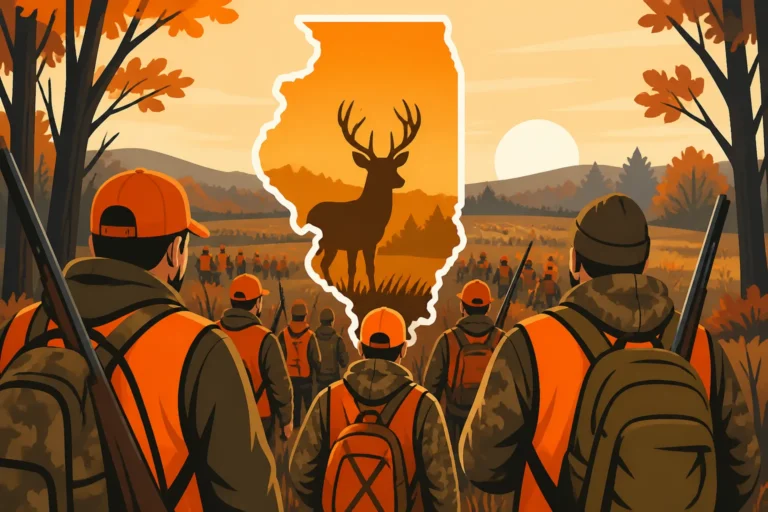
The sheer number of hunters on Illinois public land can feel overwhelming, especially during peak seasons like the first firearm weekend or the early archery rut. It’s easy to get discouraged when you’re constantly bumping into other hunters or finding old stands and obvious signs of pressure. This isn't just bad luck; it's a predictable outcome of human behavior and how most people approach hunting these shared resources. Understanding why certain areas get hammered can help you strategize to avoid them.
Common Bottlenecks and Pressure Points
Think about where most people naturally gravitate. It starts right at the parking lot. Hunters generally take the path of least resistance. This means main trails, old logging roads, and easily accessible field edges become immediate pressure points. In places like the Shawnee National Forest, the areas within a quarter-mile of any paved road or designated parking pull-off are often scouted and hunted relentlessly. Similarly, many of the Illinois State Fish and Wildlife Areas, especially those with clearly defined boundaries and limited access points, see concentrated pressure around these obvious entry points.
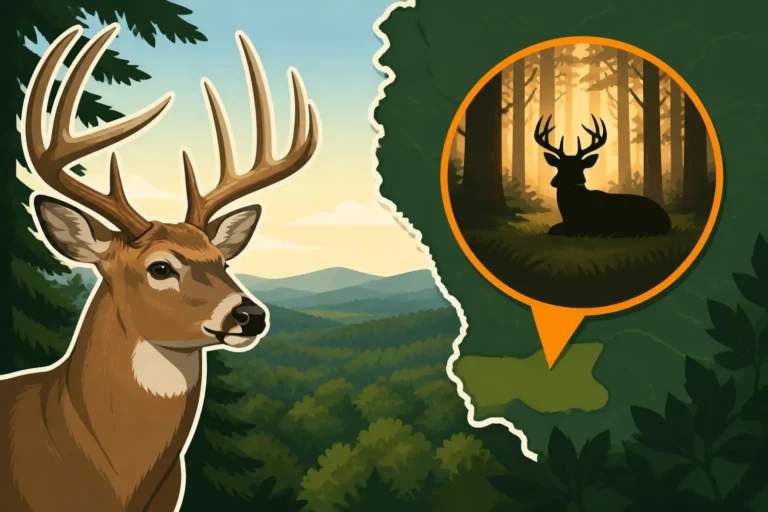
Deer, being incredibly intelligent and adaptable creatures, quickly learn to avoid these high-traffic zones. They become nocturnal, move into the thickest, nastiest cover, or simply leave the area altogether during hunting hours. This creates a cycle: hunters go where it’s easy, deer avoid those spots, and then hunters wonder where all the deer went. It’s not that the deer aren’t there; they’ve just adjusted their patterns to the pressure. Your job, then, is to figure out where they go when everyone else is making noise in the easy spots.
The "Easy Access" Trap
The biggest reason most hunters stick close to roads and trails is simple: convenience and comfort. It's much easier to walk a mowed path than to bushwhack through thick briars or navigate steep, unfamiliar terrain in the dark. There's a physical barrier, of course – carrying gear, climbing hills, or crossing water bodies takes effort. But there's also a significant psychological barrier. Many hunters, especially those new to public land, are hesitant to venture too far off the beaten path, partly due to fear of getting lost, or simply believing that "if it were good, someone would already be there."
This mindset creates a self-fulfilling prophecy. Because most hunters adhere to the easy access points, the areas beyond them often remain untouched or very lightly hunted. This isn't just about walking a little further; it's about pushing past what feels comfortable and exploring terrain that looks uninviting at first glance. These are the places where deer find sanctuary, where they feel safe enough to move during daylight hours, and where you'll likely find sign that hasn't been stomped over by dozens of other boots. Breaking free from the "easy access" trap is the first crucial step to finding those hidden gems.
Scouting Beyond the Obvious: Tools and Techniques
Finding overlooked ground isn't just about random wandering. It requires intentional, strategic scouting, both from the comfort of your home and with boots on the ground. Modern technology has revolutionized the "from home" part, allowing us to pinpoint potential hotspots before ever stepping foot in the woods.
Leveraging Digital Mapping for Hidden Gems
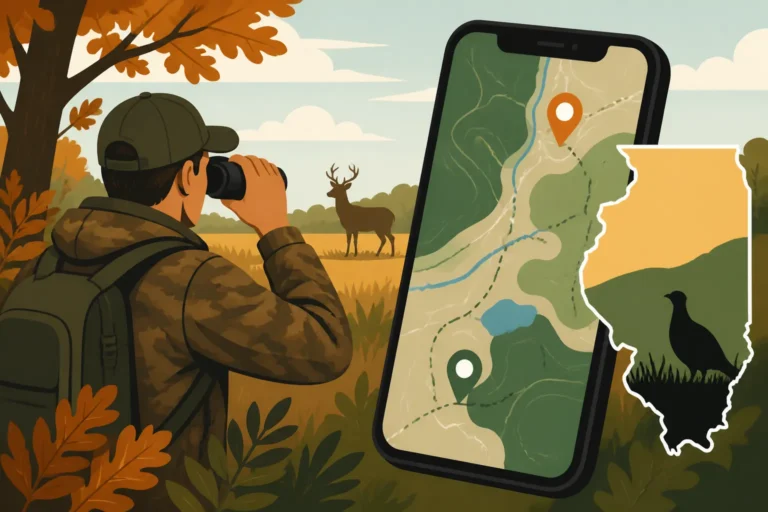
Gone are the days when a paper topo map was your only resource. Today, digital mapping applications like GoHunt and onX Hunt are indispensable tools for identifying those overlooked areas. These platforms layer crucial information – property boundaries, topographic lines, aerial imagery, and even public/private land distinctions – right at your fingertips. Instead of looking for where the trails are, start looking for where the trails aren't.
Begin by zooming out and identifying large blocks of public land, like sections of the Shawnee National Forest or extensive State Fish and Wildlife Areas. Then, zoom in and look for features that create natural barriers to human traffic: steep ravines, creek bottoms that are difficult to cross, dense cedar thickets, or swampy areas. Often, these barriers will create a "doughnut hole" effect where the surrounding areas get pressured, but the core, difficult-to-reach center remains relatively untouched. You can even use these apps to check where other hunters are parking and then intentionally mark areas a half-mile or more away from those common spots. For example, if you're looking to scout a new area, use the satellite view to identify thick cover or mature timber that borders small agricultural fields, particularly in areas like Central Illinois farmland. These subtle transitions often hold deer. You can learn a lot by Scouting With the Illinois DNR App as well, which provides specific land use and boundary information. Also, mastering the skill of Reading Aerial Photos for Southern Illinois Deer can reveal bedding areas, travel corridors, and feeding patterns that are invisible from the ground.
One powerful strategy is to find small, irregularly shaped parcels of public land that are either landlocked by private property or require a significant walk around private ground to access. Most hunters won't bother with these. Platforms like GoHunt allow you to identify these parcels and then plan potential entry and exit routes that avoid trespassing while still getting you into unpressured territory. These digital tools allow you to virtually "walk" the property, mark waypoints for potential stand locations, and plan your approach long before the season starts, saving you invaluable time and effort.
The Power of Boots-on-the-Ground Reconnaissance
While digital maps are a fantastic starting point, nothing beats putting boots on the ground. Pre-season scouting, especially in late winter or early spring after deer shed their antlers, is critical for confirming what you see on the map and discovering new intelligence. This is when visibility is best, and you can see sign that might be obscured by foliage later in the year. Look for old logging roads that have fallen into disuse, forgotten fencelines that create natural funnels, or areas of incredibly thick cover that look almost impenetrable. These are often the true sanctuaries for mature bucks.
When you're out there, pay attention to the subtle details. Look for faint deer trails leading into or out of dense briar patches or overgrown creek bottoms. These might be trails that other hunters miss because they're not obvious. Walk the edges of these difficult areas, looking for rub lines, old scrapes, or bedding areas that show minimal human disturbance. Sometimes, the most overlooked ground is just beyond the next rise, or across that muddy creek everyone avoids. This is where you might find that hidden water source or a small, overlooked mast crop. Remember, the goal is to Finding Ground That Sees Fewer Hunters. Often, this means going where the walking is hardest, the brush is thickest, or the topography is most challenging. Finding substantial Finding Sign in Big Shawnee Forest Timber will confirm that deer are utilizing these overlooked areas as sanctuaries.
A key part of on-the-ground scouting is understanding pressure. If you're finding a lot of old orange ribbon, discarded scent wicks, or worn boot prints, you're still in a pressured area. Keep pushing deeper, or move to a different section that you’ve identified as potentially overlooked on your digital maps. Sometimes, you only need to go an extra 200-300 yards past where most hunters stop to find entirely different, unpressured sign. Consider how far you can realistically go and come back from, especially if you plan on packing out a deer. Thinking about How Far to Walk From a Forest Road versus how far other hunters are willing to walk is a good mental exercise.
Tactical Approaches to Hunt Overlooked Areas
Once you've identified those potential overlooked spots, the next challenge is actually hunting them effectively. This requires specific strategies that differ from simply setting up on an obvious food plot edge or a well-known travel corridor.
Hunting the Edges of Inaccessibility
Many overlooked areas are "inaccessible" for a reason: they're hard to get to, tough to navigate, or simply unpleasant to be in. But these very qualities make them prime deer sanctuaries. Think about areas with steep bluffs, deep creek drainages, or extensive swamps. While you might not want to set up your stand in the middle of a briar patch, you can certainly hunt the edges of it. Deer will use the cover for bedding and security and often stage along these fringes before moving out to feed.
For example, in the rolling terrain of Southern Illinois, deer will often bed on the thickest, steepest side of a ridge, where human access is difficult. Rather than trying to climb directly into their bedding, you can set up on a downwind ridge point or a saddle that funnels deer movement as they transition to feeding areas. Exploring Hunting Shawnee Hills Ridgelines can provide invaluable insights into how deer use this challenging topography. Similarly, the river bottom funnels along the Illinois River and Mississippi River often contain thick, swampy areas that hunters avoid. These can be incredible holding spots for mature bucks. Learning to effectively hunt the specific dynamics of Hunting Illinois River Bluff Country is another excellent way to capitalize on terrain that deters other hunters. The key here is to find the transition zones where deer feel secure moving between heavy cover and more open feeding areas. This might mean getting wet, dealing with thorny brush, or setting up in a spot that feels a little less "perfect" but offers incredible security for the deer.
Utilizing Mid-Week and Bad Weather Opportunities
One of the most effective, yet often underutilized, strategies for finding unpressured deer is to hunt when other hunters simply aren't in the woods. This most often means hunting mid-week, especially if you can take a day or two off work, or during periods of adverse weather. Most public land experiences a significant drop in pressure from Tuesday through Thursday. Deer that have been driven nocturnal or into heavy cover over the weekend will often revert to more natural movement patterns during these quieter times. A deer that was a ghost on Saturday might be walking during daylight on Wednesday.
Similarly, don't shy away from "bad" weather. A cold, steady rain, a heavy snowfall, or particularly frigid temperatures will clear out many casual hunters. While these conditions can be uncomfortable, they often present incredible opportunities. Deer have to move to eat, especially in cold weather, and the reduced human presence means they'll often do so more confidently. Just make sure you're prepared with the right gear. A robust Cold-Weather Sitting Strategy in Illinois is essential, as is understanding how deer react to Hunting Deer After a Cold Front. Layering properly, using good scent control, and having a positive mental attitude will make all the difference when the weather turns nasty. These are the days when you'll often have vast stretches of public land virtually to yourself, and the deer will be moving when you expect them to.
Small, Isolated Pockets of Private Land
While the focus of this guide is primarily on public land, don't overlook the potential of small, often overlooked private land parcels. Many hunters focus on large acreage leases or well-known hunting clubs. However, small, isolated woodlots or fencerows on private property, especially those bordering public land or agricultural fields, can be absolute goldmines. These spots are often ignored by the landowner for hunting, or they're too small for a commercial outfitter to bother with.
The challenge here is securing permission. This requires polite persistence and good communication. Offer to help the landowner with chores, maintain fences, or even assist with small game management. Often, farmers and rural landowners are happy to grant permission to respectful hunters, especially if they have crop damage issues. These small private tracts often act as de-facto deer sanctuaries, where deer feel completely safe, especially if they are adjacent to heavily pressured public ground. A mature buck might spend all day bedded in a ten-acre private woodlot surrounded by corn, only moving onto the public land at night. Targeting these areas can be incredibly effective, and they offer a different kind of "unpressured" opportunity. For more specific advice on approaching landowners, check out resources on Hunting Small Private Tracts in Illinois or even Knocking on Doors in Central Illinois Farm Country.
| Common Hunter Behavior on Public Land | Strategy for Finding Overlooked Ground |
|---|---|
| Sticking to main trails and roads. | Identify areas without obvious access; push deeper or flank pressure zones. |
| Hunting only on weekends. | Prioritize mid-week hunts, especially Tuesday-Thursday. |
| Avoiding uncomfortable weather. | Embrace cold, rainy, or snowy conditions; gear up appropriately. |
| Focusing on obvious food plots/edges. | Scout thick, "ugly" cover near food, especially areas with natural barriers. |
| Ignoring small, isolated parcels. | Seek permission on small private tracts or remote public land pockets. |
| Stopping at the first sign of pressure. | Keep pushing beyond initial pressure points, go where others turn back. |
It truly can be disheartening to invest time and effort into scouting and hunting, only to feel like you're constantly competing with other hunters. But the beauty of hunting, especially for whitetails in Illinois, is their incredible ability to adapt and find sanctuary. By shifting your mindset, leveraging modern tools, and committing to a bit more effort, you can consistently find those overlooked pieces of ground where the deer feel safe, and your chances of success dramatically increase.
Disclaimer
Hunting is an inherently dangerous activity. Always prioritize safety, understand and follow all Illinois Department of Natural Resources (IDNR) regulations, and obtain appropriate licenses and permits. Be aware of your surroundings, know your target and what is beyond it, and never hunt alone without informing someone of your plans. This guide is for informational purposes only and does not replace professional instruction or local regulations.