Opening Weekend Crowds on Illinois Public Land
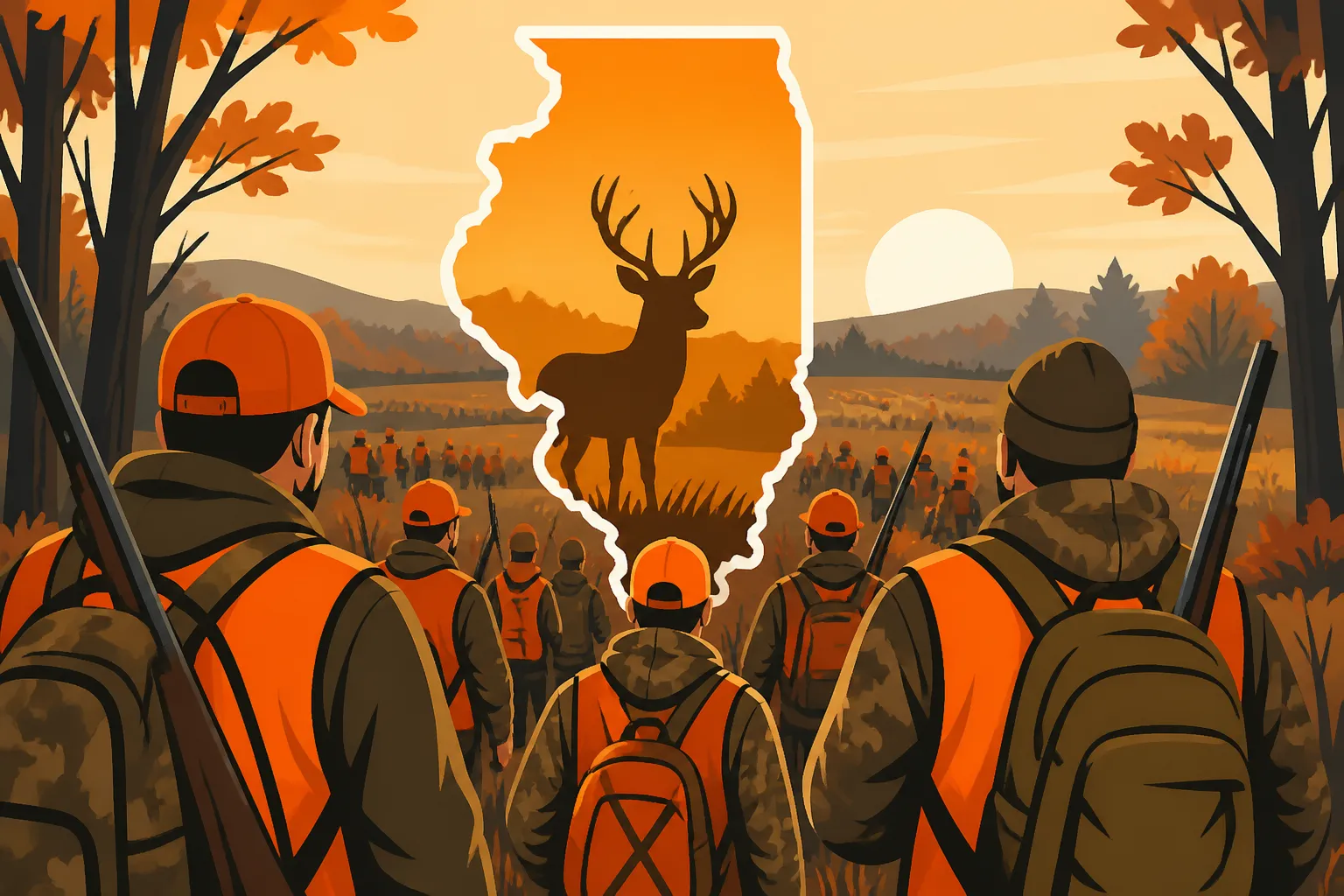
Opening weekend in Illinois, especially for deer season, often feels like a rush for the best spots, and it's a completely understandable frustration when you arrive at your chosen public land parking lot to find it already full. The anticipation of the hunt can quickly turn to dread as you realize you'll be sharing the woods with more hunters than deer. This guide is designed to help you navigate those crowded early season days, offering practical strategies to find overlooked pockets of habitat and increase your chances of a successful hunt, even when the pressure is on.
Understanding the Pressure Points on Public Land
The sheer number of hunters flocking to public lands on opening weekend, particularly for firearm deer season, isn't just a coincidence; it's a confluence of factors that make these initial days a highly anticipated event. Understanding why certain areas become pressure points can help you develop strategies to avoid them.
Why Opening Weekend Attracts So Many Hunters
For many, opening weekend isn't just the first opportunity to fill a tag; it's a deeply ingrained tradition. Families and friends plan their entire year around these dates, making it a social event as much as a hunting trip. The pent-up anticipation from months of scouting, dreaming, and preparing culminates in this single weekend. For residents, it's often the most accessible time to hunt, fitting into work and family schedules. For non-residents, these specific dates might be the only window they have to travel to Illinois. This concentration of hunter effort, combined with the finite amount of accessible public land, inevitably leads to higher densities of people in the woods. The weather, too, often plays a role; crisp fall air on opening day feels perfect, drawing even more hunters out.
Commonly Pressured Areas and Deer Behavior
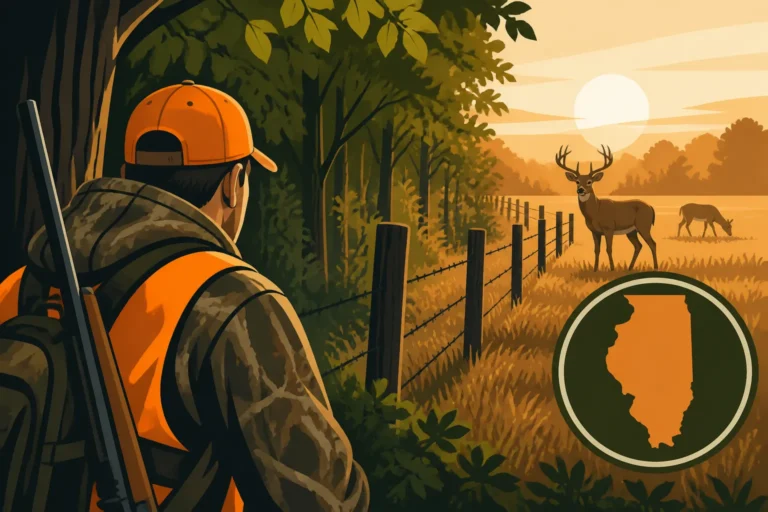
When hunters descend on public land, deer quickly adjust their behavior. The most obvious pressure points are typically those with easy access. Think about parking lots right off the main road, well-worn trails that lead straight into a timber block, or prominent field edges that offer a clear line of sight. These are the low-hanging fruit, the spots that require the least physical effort to reach. Deer, being incredibly adaptable, learn to avoid these areas during hunting hours. They'll go nocturnal, moving primarily under the cover of darkness. They'll also seek out the thickest, nastiest cover they can find – dense briar patches, inaccessible swamps, steep ravines, or even just tight pockets of timber that most hunters deem "too thick" to walk through. The constant scent, noise, and visual disturbance from humans pushing into the woods forces deer to find sanctuary, and understanding where that sanctuary might be is key to breaking away from the crowds. Many hunters, using popular apps like GoHunt to scout, might gravitate to the same "prime-looking" spots, inadvertently creating more pressure.
The Psychological Impact of Crowds on Deer and Hunters
The continuous presence of hunters creates a cascade of effects. For deer, the psychological impact is profound. They become highly alert, constantly on edge, and their natural patterns are completely disrupted. A deer that might normally move freely during daylight in an unpressured area will become much more cautious, sticking to dense cover and moving only when absolutely necessary, often during the dark hours. For hunters, the psychological impact can be equally challenging. Hearing gunshots in every direction, seeing other hunters through the timber, or stumbling upon someone else's stand setup can be incredibly frustrating. It can lead to doubts about your chosen spot, a sense of competition, and a general feeling of being overwhelmed. This pressure can push hunters to make poor decisions, like moving too much, not waiting long enough, or giving up on a good spot prematurely, simply because they perceive it to be "overhunted." Recognizing these impacts is the first step in formulating a plan to outsmart both the deer and the other hunters.
Strategies for Escaping the Crowds
While opening weekend crowds are a reality, they don't have to define your hunt. With a bit of strategic thinking and willingness to work a little harder, you can often find solitude and success.
Going Deeper into Public Land
The easiest way to escape the crowds is often the simplest: walk further. Most hunters are unwilling to trek more than a half-mile from their vehicle, especially with gear. This creates a "hunter-free" zone deeper within public land tracts. Identify areas on your map that are more than a mile from any parking area, main road, or easy access point. These remote pockets often hold deer that have been pushed out of more accessible areas or simply haven't encountered human pressure yet. This strategy requires physical stamina and careful planning of your Entry Routes Through Standing Corn or other cover. You'll need to carry all your essentials for the day, including water, snacks, and extra layers, and be prepared for a long haul in and out, potentially with a deer on your back. Consider the terrain; sometimes going deep means navigating steep hills or thick brush. Look for subtle features that create natural barriers to human movement, such as creeks, rocky bluffs, or swampy lowlands that aren't easily traversed. These are the places deer will retreat to, and where fewer hunters will follow.
Hunting Overlooked Habitat Types
While everyone else is focusing on big oak ridges or popular food plot edges, you might find success by targeting habitat types that hunters typically overlook. Think about thick, nasty cedar thickets, dense willow bottoms, or even small, isolated islands of timber surrounded by agricultural fields. Deer often use these "ugly" spots as daytime bedding areas when pressure is high because they offer excellent cover and concealment. These areas might be uncomfortable to hunt, requiring you to battle briars and navigate dense undergrowth, but that's precisely why other hunters avoid them. Small pockets of wetland, especially those bordering larger timber blocks, can also be overlooked. Deer will often utilize these areas, bedding down in the cattails or willow thickets, especially if they offer some elevation or dry ground. Don't be afraid to Hunting Illinois River Bottom Funnels or find a hidden slough; these places often get ignored by hunters rushing to the "big woods."
Utilizing Less Conventional Entry and Exit Routes
Most hunters use the most obvious paths – the established trails, old logging roads, or clearings. To avoid crowds and intercept deer that are being pushed, consider unconventional entry and exit routes. This might involve wading a shallow creek, crossing a low-lying swamp (if safe and permissible), or even using a dense fencerow or thick timber as cover to sneak in rather than following an open trail. The goal is to get into your stand or still-hunting area without alerting every deer (or hunter) in the vicinity. Similarly, planning your exit can be just as important. If deer are moving primarily at dusk, you might want to position yourself along a less obvious travel corridor, or choose a route that keeps you out of sight of other hunters who are heading out at the same time. Using an app like GoHunt to analyze satellite imagery can help identify these subtle, less-used paths. Sometimes, a deer drive might push deer out the back side of a block of timber, giving you an unexpected opportunity.
Leveraging Tools and Technology
In today's hunting world, technology can be a huge asset, but it's a double-edged sword. While everyone has access to the same tools, knowing how to use them to your unique advantage can make all the difference.
Mapping Applications for Remote Spots
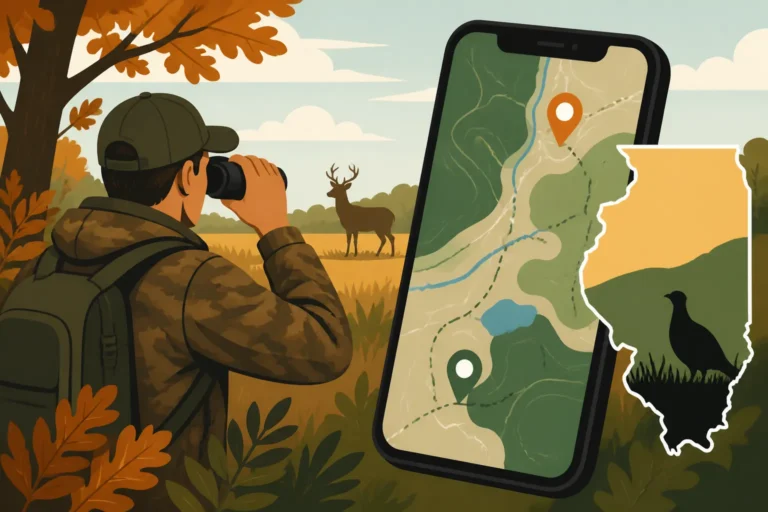
Modern mapping applications like GoHunt, onX Hunt, or Gaia GPS are indispensable for identifying remote, less-pressured public land. These tools allow you to study satellite imagery, topo maps, and land ownership boundaries from the comfort of your home. You can identify those distant corners, hidden creek bottoms, or steep slopes that might deter most hunters. Look for areas with a combination of thick cover, water sources, and distance from obvious access points. The detailed topography can reveal subtle saddles, benches, or hidden draws that funnel deer movement away from human activity. While Reading Aerial Photos for Southern Illinois Deer is crucial, remember that these apps also show property lines, ensuring you stay on public ground. You can mark potential stand locations, exit routes, and even identify small, overlooked parcels of public land that might not be prominently marked. The key is to look for the "ugly" ground that most people will scroll past.
Interpreting Satellite Imagery and Topography
Satellite imagery provides a bird's-eye view, showing you vegetation types, field edges, and potential bedding areas. Look for changes in canopy density, indicating thicker cover. Identify clear-cuts or areas of dense regrowth – these are often deer magnets. Overlaying this with topographic data (contour lines) can help you understand how deer might travel through the terrain, even when pressured. For instance, a steep ridge with a subtle bench halfway down might be a perfect travel corridor for a buck trying to avoid hunters on the ridgetop or in the valley. Look for pinch points or bottlenecks created by natural features like rock outcroppings, changes in elevation, or water bodies. These are natural funnels where deer movement can be concentrated, and a well-placed stand or Using a Ground Blind on Illinois Public Land could pay off. Don't just look for what looks good; try to visualize how a deer would move through that landscape when actively trying to avoid detection.
Scouting and Trail Camera Intelligence
Pre-season scouting is always important, but it's especially critical for opening weekend on public land. Don't just scout for deer sign; scout for hunter sign. Look for old tree stands, cut shooting lanes, or well-worn trails created by other hunters. If you find a lot of these, that spot is likely to be pressured. Instead, focus your scouting efforts on those remote or overlooked areas you identified on your maps. Look for fresh sign – rubs, scrapes, tracks, and droppings – in these less-traveled zones. Trail cameras can be invaluable for confirming deer activity, especially during nocturnal hours, but they also offer insight into human activity. If your camera captures a lot of photos of other hunters, that spot might be too hot. For detailed insights, consider Scouting Illinois Public Land Before Season to maximize your effort before the season starts. While it's tempting to put cameras in easy-to-reach places, positioning them deep in those overlooked thickets can give you a true picture of deer movement away from the main thoroughfares.
Timing Your Hunts Wisely
Beyond where you hunt, when you hunt can also make a significant difference in avoiding crowds and increasing your success rate, especially on Illinois public land.
Hunting Weekdays Versus Weekends
This might seem obvious, but it's often the most effective strategy. While opening weekend is a mob scene, many hunters can't take time off work for weekdays. If your schedule allows, hunting on a Tuesday or Wednesday after opening weekend can feel like an entirely different experience. The initial surge of hunters has usually subsided, and deer might start to settle back into more natural patterns, albeit still cautious. The woods will be quieter, and you'll have a much better chance of encountering deer that aren't constantly on high alert. Even if you can only take a single weekday, it often yields better results than fighting the masses on Saturday or Sunday. This lessens the Hunting Pressure on Illinois Public Land dramatically.
Capitalizing on Midday Lulls
Many public land hunters, especially during firearm season, tend to hunt hard in the mornings, then head back to their vehicles for lunch, a break, or to swap stories. This creates a noticeable midday lull in human activity, typically between 10 AM and 2 PM. This can be a prime window for deer to move, especially if they've been bumped from their initial bedding areas by morning hunters. Instead of heading out, pack a lunch, stay on your stand, and remain vigilant. This is a great time to focus on still-hunting through thick cover or slowly moving towards a bedding area, as deer might feel safer moving around during this temporary dip in pressure. Don't underestimate the power of simply being there when others are not.
Post-Front Opportunities and Bad Weather
Weather fronts can be a game-changer. Deer often feed heavily before a cold front moves in, and then activity can pick up immediately after a front passes, especially when temperatures drop and winds shift. Watching the weather forecast and planning your hunt to coincide with these post-front conditions can be highly effective. Moreover, most hunters are fair-weather hunters. A cold rain, a heavy fog, or even a light snow can significantly thin out the crowds. While uncomfortable, hunting in less-than-ideal weather can lead to exceptional opportunities. Dress for the conditions, focus on staying warm and dry, and remember that deer still need to eat and move regardless of the weather. These challenging conditions naturally weed out many hunters, leaving more ground and less pressured deer for those willing to brave the elements. You might find a big buck moving when everyone else is huddled indoors.
Hunting the Fringes of Opening Weekend
Sometimes, it's not just about the specific day, but the specific time during opening weekend. Consider an early morning archery hunt right at legal shooting light, before the full force of firearm hunters arrives. Or, focus on the very last hour of daylight, when many hunters are already packing up and heading back to their trucks. For those hunting deer with archery equipment, When Illinois's Archery Season Opens and continues through late season offers opportunities outside the more intense firearm season pressure. These "fringe" times can offer brief windows of reduced pressure, allowing deer to drop their guard slightly. Moreover, if you have multiple seasons available, consider hunting the later portions of the initial firearm season or even the second firearm season, as the hunting pressure often subsides dramatically after the first few days. The Illinois Deer Season Structure Explained is designed to offer various hunting opportunities, some with less pressure than others.
| Feature | Pressured Areas (Opening Weekend) | Unpressured Areas (Remote/Overlooked) |
|---|---|---|
| Hunter Density | High, visible hunter activity | Low, solitude more common |
| Deer Behavior | Nocturnal, wary, seek dense cover | More natural movement, less cautious |
| Habitat Type | Easy access, open timber, field edges | Thickets, swamps, steep terrain, distant timber |
| Success Potential | Lower, challenging | Higher for diligent, adaptable hunters |
| Physical Effort | Low to moderate | High, significant walking/navigating |
| Best Hunting Time | Midday lull, bad weather, early/late fringes | All legal hours, especially prime times |
Finding Ground Others Walk Past
It's easy to get discouraged when you see crowded parking lots, but remember that even on popular public lands, there are usually pockets that escape heavy pressure. The key is to constantly be looking for these overlooked spots.
Small, Isolated Woodlots and Thickets
Don't dismiss small patches of woods, especially those surrounded by open fields or tucked away behind a housing development, if they are legally accessible public land. While they might not look like classic "big buck" country, these small woodlots can become sanctuaries for deer escaping pressure from larger timber blocks. They often offer surprising amounts of cover, especially if they're particularly dense or thorny. Deer will use these islands of cover to bed down during the day, especially if they can feed in nearby agricultural fields at night. Focus on hunting the downwind side, or setting up to intercept deer moving in and out of these small areas at dawn and dusk. Sometimes, the most unappealing-looking spot on a map is the diamond in the rough. These often fall into the category of Finding Ground Others Walk Past, which can be incredibly rewarding.
Steep Ravines and River Bottoms
Terrain can be your best friend in avoiding crowds. Hunters generally prefer walking on flat ground or gentle slopes. This means steep ravines, deep creek bottoms, and rugged river bluffs often see significantly less pressure. These areas can be physically demanding to hunt, but they provide natural travel corridors and bedding areas for deer seeking refuge. Look for benches, saddles, or small flats within these steep areas where deer might bed or pause. River bottoms, particularly, can offer incredibly dense cover and a consistent water source, making them ideal hideouts. Deer will often utilize the cover of the river or creek banks to travel undetected, especially when pressured from above. Consider Hunting Illinois River Bottom Funnels where deer are naturally concentrated by the terrain. While navigating these areas can be tricky, the reward can be finding deer that haven't seen a human in days.
Looking Beyond the Obvious "Hot Spots"
Every hunting map, whether a paper copy or a digital app like GoHunt, will highlight certain features that jump out as potential "hot spots"—major creek crossings, large oak groves, or obvious funnels. While these can be productive, they're also what every other hunter is looking at. To truly escape the crowds, you need to think a step or two beyond the obvious. Instead of hunting directly on the big oak ridge, look for a small, dense thicket just off the side, where deer might bed before moving to the oaks. Instead of hunting the most prominent creek crossing, look for a subtle, less-used crossing further up or down the creek that offers more cover. Deer that are pressured learn to avoid the obvious, so your strategy should mirror that same evasive thinking. Don't be afraid to try hunting a quiet corner of Hunting Central Illinois Farmland Deer that doesn't scream "trophy spot" at first glance.
Disclaimer
Hunting on public land carries inherent risks, including encountering other hunters. Always prioritize safety, wear appropriate blaze orange as required by Illinois law, and be aware of your surroundings and shooting lanes. This guide is for informational purposes only and does not guarantee hunting success. Always consult the latest Illinois Department of Natural Resources (IDNR) regulations and local site-specific rules before hunting any public land.