Using a Ground Blind on Illinois Public Land
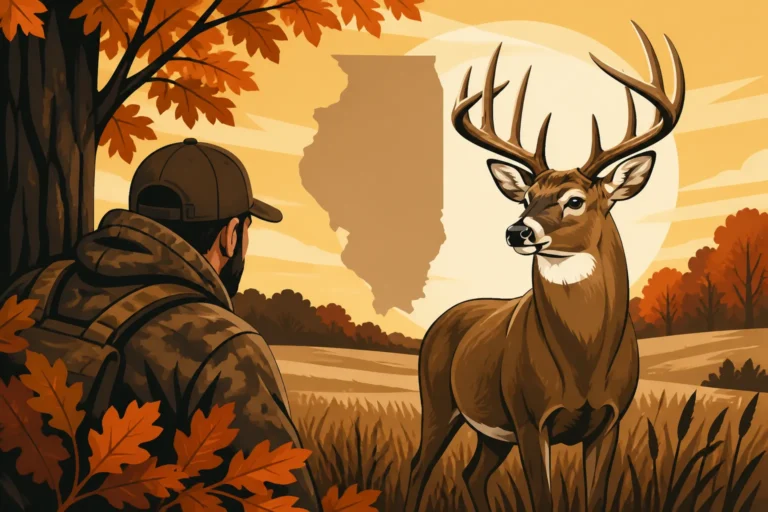
Hunting on public land in Illinois can sometimes feel like an uphill battle, especially when you're trying to find that perfect tree for a stand or avoid the eyes of other hunters. It's frustrating to scout a great spot only to realize there isn't a suitable tree for your setup, or worse, someone else has already claimed the best vantage point. This guide is all about embracing the versatility of a ground blind, offering practical advice and regulatory insights to help you successfully hunt deer and turkey on Illinois's public lands.
The Appeal of Ground Blinds on Public Land
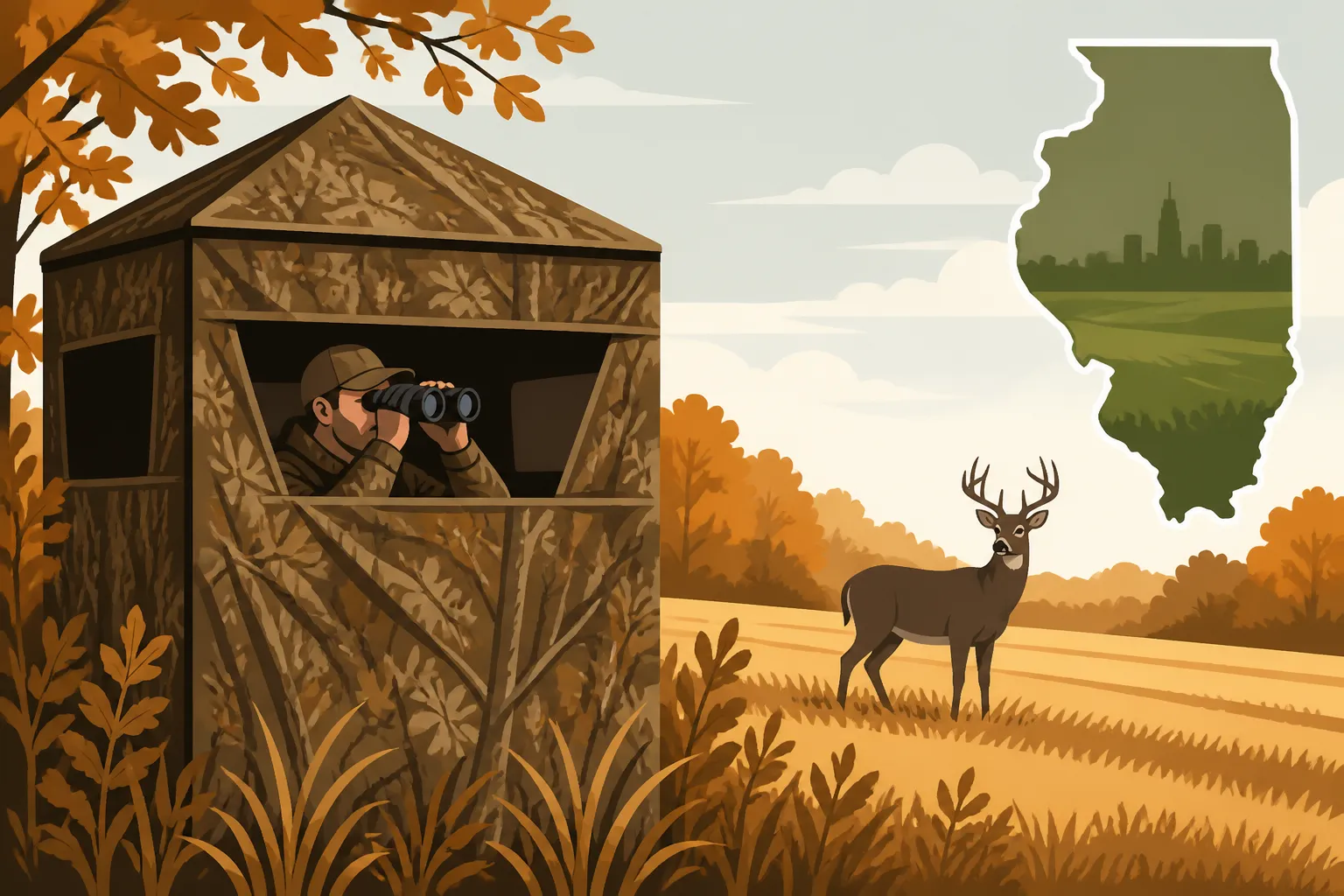
Ground blinds have become an absolute game-changer for many hunters, especially those navigating the unique challenges of Illinois's public hunting areas. Gone are the days when a lack of ideal treestand trees meant a spot was unhuntable. Now, a well-placed ground blind can open up countless opportunities, making prime locations accessible that once seemed impossible.
Overcoming Public Land Challenges with a Blind
Let's be honest, public land in Illinois often comes with its own set of hurdles. One of the biggest is finding good, healthy trees in the right spot for a safe and effective treestand. Sometimes the best travel corridors are through thick brush where trees are sparse or too small to support a stand. Other times, the only mature trees might be on a ridge crest that gets hammered by the wind, making a silent, all-day sit nearly impossible. Ground blinds neatly sidestep these issues. You don't need a tree, just enough cover to set it up. This is particularly valuable in more open areas, like the edges of ag fields or along fencerows common in Central Illinois. A blind also offers a degree of concealment that a treestand sometimes can't, helping you stay hidden from weary eyes, especially with increased hunting pressure on public ground. Plus, the enclosed nature of a blind can help contain some of your scent, giving you a slight edge in swirling winds or when game is downwind. It's not a magic bullet for scent control, but every little bit helps.
Versatility and Adaptability
The beauty of a ground blind lies in its incredible versatility. Imagine scouting a new public parcel with a mapping app like GoHunt, identifying a pinch point between a dense bedding area and a preferred food source. But when you get there, the only cover is a thicket of young saplings – no treestand material in sight. A ground blind allows you to capitalize on that precise location. You can tuck it right into the edge of that thicket, creating an ambush point that would otherwise be unusable. They're also fantastic for late-season hunting when the leaves are down, and cover is minimal. A well-brushed-in blind can offer superior concealment compared to a bare treestand. From hunting a narrow timbered fence line for deer to setting up on a field edge in late season for turkeys, ground blinds adapt to the ever-changing landscape of public land and the varying habits of game throughout the season.
Legalities and Regulations for Ground Blinds in Illinois
Navigating the rules for ground blinds on Illinois public land is crucial. It’s not just about common courtesy; it’s about staying legal and avoiding fines or the loss of your hunting equipment. The Illinois Department of Natural Resources (IDNR) has specific guidelines, and individual sites often have additional regulations you must be aware of.
General IDNR Rules and Specific Site Regulations
The statewide rule from the IDNR for ground blinds on public lands is pretty clear: any ground blind left unattended on public property must be clearly marked with the hunter's name, address, and IDNR customer number. This helps the site managers identify the owner and ensures accountability. Furthermore, these blinds generally need to be removed daily, or if left overnight, they must adhere to specific timeframes, often tied to the hunting season itself. You can't just leave a blind out there indefinitely.
However, this is where it gets a little trickier. Illinois has a vast array of public hunting areas, from sprawling State Fish and Wildlife Areas to smaller conservation sites, and even portions of the Shawnee National Forest. Each of these can have its own specific rules regarding ground blinds. For instance, some sites might prohibit unattended blinds altogether, while others might allow them for certain periods but require specific construction materials or blaze orange markings on all sides. Before you even think about setting up a blind, you absolutely need to check the specific regulations for that particular site. The IDNR website's "Public Hunting Areas" section is your best friend here, or a direct call to the site office can clarify any ambiguities. Always look up rules for individual sites like Pyramid State Recreation Area or Jim Edgar Panther Creek Fish and Wildlife Area.
Marking and Placement Requirements
Beyond your personal identification, ground blinds used during Illinois's firearm deer seasons or other seasons requiring blaze orange must also display a certain amount of blaze orange material visible from all directions. This isn't just a suggestion; it's a legal safety requirement. The specific acreage might vary, but generally, it's a significant amount to ensure high visibility, preventing accidents with other hunters.
Placement itself also falls under legal and ethical considerations. While not always a written rule, positioning a blind directly in a high-traffic area where it might block a trail or infringe upon another hunter's reasonable access is generally frowned upon. Always consider other hunters when choosing your spot. The objective is to hunt safely and ethically, allowing everyone to enjoy their time outdoors. And remember, when the season ends, your blind needs to come down. Leaving structures behind is not only littering but can also result in legal penalties and harm the resource for future hunters.
Strategic Placement: Where to Put Your Blind on Public Ground
The success of a ground blind hunt hinges almost entirely on its placement. It's not enough to just pop it up anywhere; you need to think like the game and consider the flow of the land, the wind, and how you'll get in and out undetected. This is where diligent scouting, both pre-season and in-season, truly pays off.
Reading the Landscape for Deer and Turkey
Deer, especially on pressured public land, are highly patternable once you understand their basic needs: food, water, and cover. Your blind should intercept them moving between these necessities. Look for natural funnels like narrow strips of timber connecting larger woodlots, brushy creek bottoms for late-season deer, or saddles on a ridge-top saddle for rutting bucks in the Shawnee Hills. Think about pinch points where two features converge, forcing deer into a smaller area. Pay attention to changes in elevation or cover that create natural travel corridors. During the early season, focus on summer food sources like alfalfa or soybean fields, and as the season progresses, shift your attention to hard mast like acorns or standing corn. For turkeys, think about roosting areas and morning strut zones. A blind set up in a field edge near a known roost can be deadly for a spring gobbler, especially during an early South Zone turkey period. Tools like GoHunt's mapping features can be invaluable here, letting you analyze topo maps and aerial photos to pinpoint these key areas before you even set foot on the ground. You can mark potential bedding areas, probable food plots on private lands bordering public, and prime travel routes.
Concealment and Approach
Once you've identified a promising location, the next step is finding the perfect micro-spot for your blind. You want to blend in, not stick out like a sore thumb. Look for natural breaks in the terrain, dense brush lines, or the edge of a timber cut. Setting up against a large tree, a thick multiflora rose bush, or a downed log can help break up the blind's outline. Always consider your approach and exit routes. Can you get to and from your blind without spooking the animals you intend to hunt? This means using terrain features, creek beds, or dense cover to conceal your movement. Walk a wide circle around your chosen spot, assessing how it looks from different angles, especially from where deer or turkeys are likely to approach. A well-placed blind might be completely hidden from one direction but exposed from another. Scouting with the Illinois DNR App can help you understand the lay of the land and how to use it to your advantage for silent entry and exit. Remember, on public land, human activity is a common occurrence, so minimizing your footprint and staying unseen is paramount.
Setting Up Your Blind for Success
Getting your ground blind into the right spot is only half the battle. How you set it up and manage your presence inside it can make all the difference between a successful hunt and a bust. Public land animals are inherently wary, so attention to detail here is paramount.
Brushing In and Scent Control
Once you've chosen your micro-location, the next crucial step is "brushing in" your blind. This means using natural vegetation from the immediate area to make your blind disappear into its surroundings. Don't just pick up a few branches; actually integrate it into the landscape. Cut small branches, weave them into the blind's exterior loops, and even pile up dead leaves or grass around the base. The goal is to break up its perfect square or rectangular shape and make it look like just another clump of natural cover. Avoid using vegetation that looks out of place or is obviously cut from far away. The more it looks like it belongs, the less alarming it will be to game.
Scent control remains critical, perhaps even more so with a ground blind than a treestand. While the blind offers some containment, air currents still move through the mesh windows and zipper openings. Always play the wind, just as you would in a stand. Use scent-eliminating sprays on your clothes and blind fabric, and store any gear that might carry odor in sealed bags. Minimize the amount of exposed skin, and avoid strong-smelling foods or drinks inside the blind. Even chewing gum can be enough to give away your position to a sensitive nose. Consider setting up a few days before you plan to hunt, if allowed by site rules, to let the blind air out and for game to get used to its presence.
Comfort and Gear Management
While concealment is key, don't overlook comfort. A cold, fidgety hunter is a less effective hunter. Bring a comfortable chair, insulated from the ground, especially during late-season December hunts. Pack layers of clothing, a thermos of coffee or hot chocolate, and some quiet snacks. Organize your gear inside the blind so everything is within easy reach without having to rummage around. This means your calls, binoculars, rangefinder, and weapon are all ready for immediate use. Use hooks or small shelves to keep things off the floor and easily accessible. A small, dark-colored mat or rug on the floor can help muffle sounds and keep your feet warmer. Remember to account for space if you plan on Hunting With Three or Four Hunters for a deer drive or bringing a youth hunter along for the Illinois Youth Deer Weekend.
Tips for Maximizing Effectiveness and Safety
Hunting from a ground blind, especially on public land, requires a slightly different approach than treestand hunting. You're at eye level with the game, which means your movements are more easily detected, and your sightlines are different.
Managing Windows and Shot Opportunities
One of the biggest advantages and challenges of a ground blind is managing its windows. While they offer excellent concealment from the outside, they can also restrict your field of view and create shooting lanes. Before the hunt, mentally (or physically, if allowed) clear specific shooting lanes for your bow or firearm. Trim small branches or tall weeds that might deflect an arrow or bullet. During the hunt, keep windows closed until you need them, minimizing light intrusion and movement visibility from the outside. Open only the windows necessary for your immediate field of view or potential shot. When an animal approaches, make slow, deliberate movements to open windows or position your weapon. A sudden flash of light or movement from within the blind is often all it takes to spook wary game. For bowhunters, practice shooting from a seated position with limited space, as this mimics the real hunting scenario.
Public Land Etiquette and Retrieval
Hunting public land is a shared experience, and respecting other hunters is paramount. If you arrive at your spot and find another hunter already there, even if it's "your" spot, quietly back out and find an alternative. Never set up too close to another hunter. Good ethics dictate giving each other ample space, especially during busy seasons like Opening Weekend Tactics for First Firearm Season.
Should you be successful, the job isn't over. Recovering a deer from a river bottom or dragging it out of thick cover can be challenging. Always have a plan for recovery. This might involve a game cart, a drag rope, or a hunting buddy. If you need to track a deer after dark, remember to check site-specific rules about night hunting or retrieving game at night. Also, be sure to adhere to Illinois's deer reporting requirements promptly after harvest. When you're done with your hunt, leave no trace. Pack out all your trash, and if you leave your blind overnight, ensure it's properly marked and secured to prevent it from blowing away or becoming litter.
Here's a quick reference for ground blind considerations on Illinois public land:
| Aspect | Key Consideration |
|---|---|
| Legal Compliance | Always check specific IDNR site regulations. Unattended blinds typically require name/address/IDNR customer number and daily removal or specific duration limits. |
| Blaze Orange | Mandatory display during firearm seasons. Ensure ample blaze orange is visible from all directions on the blind's exterior. |
| Placement Strategy | Identify natural funnels, pinch points, bedding-to-food routes. Use tools like GoHunt for aerial and topo maps. Prioritize silent entry/exit. |
| Concealment | Thoroughly brush in the blind with local vegetation to break up its outline. Set up against natural cover (trees, thickets). |
| Scent Control | Play the wind. Use scent-eliminating sprays. Minimize strong odors inside the blind. Consider pre-setting to air out. |
| Comfort | Bring a comfortable, insulated chair. Layer clothing. Organize gear for quiet, easy access. |
| Window Management | Open only necessary windows. Clear shooting lanes. Practice slow movements inside. |
| Public Land Etiquette | Respect other hunters' space. Do not set up too close. Be prepared to move if a spot is already taken. |
| Post-Hunt | Plan for game retrieval. Follow all deer reporting deadlines. Pack out all trash. Remove blind as per regulations. |
Disclaimer
Always consult the most current Illinois Department of Natural Resources (IDNR) regulations and specific site rules before hunting on any public land. Regulations can change, and it is the hunter's responsibility to be fully aware of and comply with all applicable laws.