Opening Weekend Tactics for First Firearm Season
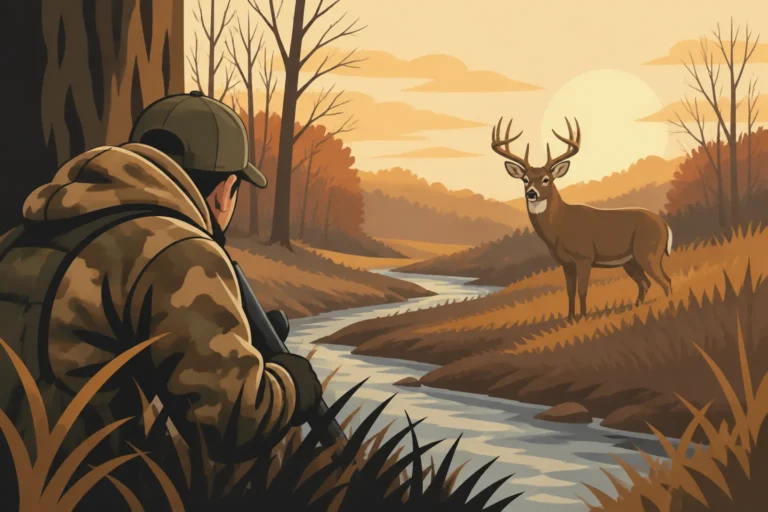
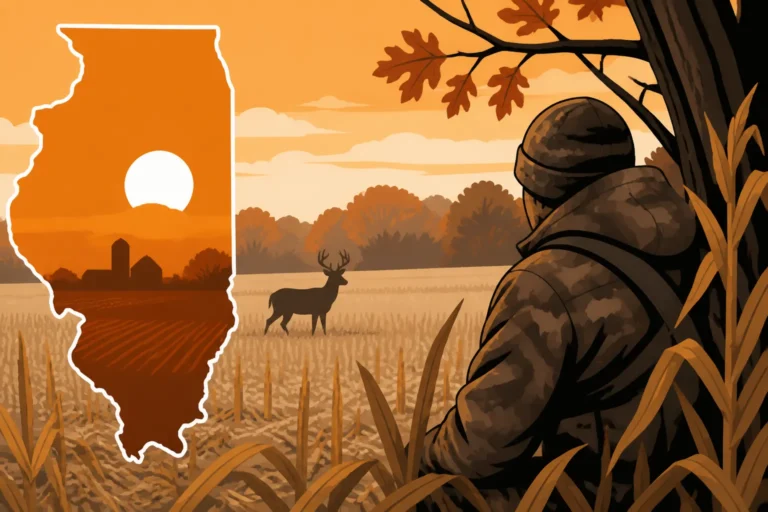
Opening weekend of Illinois's first firearm deer season can feel like a mad scramble. All that anticipation, the hopes for a big buck, and then you hit the woods only to find parking lots overflowing and hunters seemingly everywhere. It's frustrating to dedicate so much time and effort, only to feel like you're competing with half the state for a glimpse of a deer. This guide isn't about magical secrets, but practical, realistic tactics to navigate the chaos and maximize your chances of success when the pressure is at its peak.
Navigating the Opening Weekend Rush
There's no sugarcoating it: opening weekend for the first firearm season in Illinois brings a significant influx of hunters into the woods. Whether you hunt public land or private, this surge in human activity changes deer behavior almost instantly. Understanding this dynamic and planning for it is your first step toward success.
The Reality of Hunter Numbers
You've probably experienced it – you pull into your favorite public land spot before legal shooting light, only to find three other trucks already there. Or, on private land, you hear shots echoing from every direction as soon as the sun creeps over the horizon. This isn't just your imagination; the data shows that participation on opening weekend is consistently the highest of the entire deer season. All those hunters, often moving and making noise, push deer into thicker, less accessible cover. They become more nocturnal, more wary, and far less likely to stick to their usual patterns. It can feel disheartening to know that deer you've been watching all summer suddenly vanish, but it's a predictable response to intense pressure.
Finding Sanctuary Spots
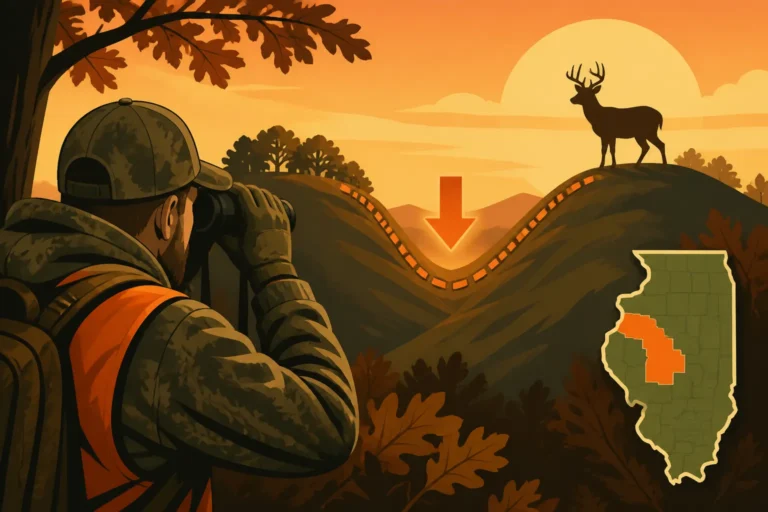
Given the pressure, your primary goal should be to find areas where deer feel safe and can escape the constant disturbance. Think about the nastiest, thickest, most overgrown spots you know. These are often river bottoms filled with tangled briars, dense cedar thickets on southern slopes, or steep, uninviting ravines that most hunters simply won't bother with. Deer will seek out these sanctuaries as soon as the hunting pressure ramps up. This is where a good mapping app like GoHunt truly shines. Zoom in on areas that look difficult to access, perhaps a small pocket of timber surrounded by standing water or a steep ridge with no clear trail. Look for those "dark spots" on the aerial imagery that indicate dense cover. Sometimes, just a couple hundred yards off the beaten path can make all the difference, as many hunters stick close to easy access points. Remember, deer are inherently lazy until they're pressured, and then they'll go to extraordinary lengths to find peace.
Adapting to Pressure During the Hunt
Deer aren't static; they react to pressure in real-time. On opening weekend, expect deer movement to be sporadic and often confined to the earliest and latest hours of the day. The traditional "midday lull" can become even more pronounced as deer hunker down. However, this doesn't mean you should give up. Sometimes, deer that have been pushed hard will start moving again in the middle of the day, using hidden routes to relocate to new, quieter bedding areas. This is why all-day sits, especially in a strategic funnel, can pay off. Keep your eyes peeled for deer slipping through cover rather than parading through open timber. Also, pay attention to the direction of shots you hear. If there's heavy shooting from one direction, deer are likely moving away from that pressure. You can use this to predict potential travel corridors if you're set up downwind.
Pre-Season Scouting is Your Secret Weapon
You can't just show up on opening day and expect success, especially with high hunter numbers. Thorough pre-season scouting is more critical for firearm season than perhaps any other time, as it allows you to identify key locations before deer patterns are disrupted. This preparation helps you predict where deer will go when the woods get noisy.
Identifying Key Deer Sign
When you're scouting, you're not just looking for deer; you're looking for evidence of their preferred travel routes and safe zones. Fresh rubs and active scrape lines, particularly those along a logging road or within a secure bedding area, are like breadcrumbs telling you where bucks are comfortable moving. But don't just note their presence; observe their directionality. Are the rubs facing a specific way, indicating travel from one woodlot to another? Are scrapes being refreshed regularly? Focus on fresh sign. Old sign tells you where deer were, fresh sign tells you where they are or will be. Also, look for distinct trails that lead into or out of thick cover. These are the escape routes deer will use when pressured. Check out our guide on Scouting Illinois Public Land Before Season for a deeper dive into effective scouting techniques.
Leveraging Technology for Intelligence
Modern hunting offers incredible tools to help with pre-season preparation. Digital mapping apps, like the one offered by GoHunt, allow you to study aerial photography and topographical maps from the comfort of your home. You can identify potential funnels between woodlots, pinpoint hidden water sources, or locate those thick, nasty bedding areas that others might overlook. Use the topo lines to find saddles on ridges or benches along hillsides that create natural travel corridors. Mark potential stand locations, entry and exit routes, and known bedding areas as waypoints. This virtual scouting saves countless hours in the field and helps you prioritize which areas to physically check. The goal is to piece together the puzzle of deer movement before you ever step foot in the woods during hunting season.
Understanding Deer Movement Patterns
Deer aren't random; their movements are driven by food, water, cover, and pressure. On opening weekend, the "pressure" element becomes paramount. Deer that were leisurely feeding in open fields prior to the season will become incredibly wary. They'll transition to more secure, nocturnal feeding in secluded pockets or switch to browsing on less preferred but safer forage within thickets. Understanding how deer react to pressure means anticipating their escape routes and safe havens. They'll often move from heavily pressured areas to quieter, thicker zones, especially during midday. Think about how a deer might navigate from a feeding area to a bedding area while minimizing exposure to hunters. These often lead to narrow pinch points or secluded drainages. Our article on Hunting the Illinois Rut in Early November offers insights into deer movement during a different, high-activity period, which can help you contrast and understand how behavior shifts under pressure.
Strategic Stand Placement for Firearm Season
Where you hang your stand or set up your ground blind can make or break your opening weekend. It's not just about finding deer sign; it's about finding the right sign in the right place that accounts for hunter pressure and deer behavior.
Avoiding the Obvious Hunting Spots
One of the biggest mistakes hunters make on opening weekend is setting up in the most obvious spots. Think about it: the clearings right off a main trail, the easy-to-reach field edge with obvious tracks, or the most prominent oak flat. These spots are often saturated with other hunters, or the deer have already learned to avoid them. To increase your odds, you need to think differently. Look for secondary trails that branch off main ones, or overlooked travel corridors deep inside heavy cover. Often, the best spots are the ones that require a little more effort to reach, forcing you to hike farther or navigate tougher terrain. This is where your GoHunt map will come in handy, allowing you to scout those less-traveled areas digitally before you commit the physical effort.
Funnels, Pinch Points, and Transition Areas
These are the gold mines of deer hunting, especially on opening weekend. A funnel is any geographical feature that restricts deer movement to a narrow corridor, like a strip of timber between two fields, a narrow ridge line, or a dense thicket separating two open areas. Pinch points are even narrower restrictions within these funnels. Transition areas are where two different types of habitat meet, such as the edge of a standing cornfield and a woodlot. Deer frequently use these natural bottlenecks to travel between bedding and feeding areas, or to escape pressure. Setting up a stand with a commanding view of a funnel ensures that any deer moving through the area will pass within range. For more detailed strategies on capitalizing on these locations, check out our guide on Hunting a Funnel Between Two Woodlots.
Hunting Bedding Areas with Caution
Hunting close to or even within bedding areas on opening weekend is a high-risk, high-reward strategy. During periods of heavy pressure, deer are often reluctant to leave their secure bedding sites until well after dark. If you can identify a bedding area – often a dense, thicket-filled area with good cover and escape routes – setting up on the downwind edge can be incredibly effective. However, extreme caution is paramount. Your entry and exit routes must be meticulously planned to avoid spooking deer into the bedding area or alerting them to your presence. Hunt it once, maybe twice, and then let it rest. If you bust deer out of a bedding area, they're likely to relocate entirely, making that spot unproductive for a while. It's a tactic best used when you have pinpointed a specific, primary bedding zone with recent activity.
Public Land vs. Private Land Dynamics
Illinois offers a mix of hunting opportunities, from expansive public lands like Shawnee National Forest to countless private agricultural parcels. Each comes with its own set of challenges and tactical considerations, especially during the high-pressure first firearm season.
Strategies for Public Ground
Public land in Illinois, particularly on opening weekend, is a true test of strategy and determination. You'll encounter more hunters, which means deer are more likely to be on high alert. The key to success on public land is often to go where others won't. This might mean hiking deeper into the timber, navigating difficult terrain, or even crossing a small creek to access an overlooked pocket. Look for areas on your GoHunt map that are furthest from easy road access or have natural barriers like swamps or steep hills. These are the places where deer will retreat when the initial barrage of hunters hits. Also, consider setting up a ground blind in really thick cover, as it offers concealment and allows you to adapt if deer move in unexpected ways. Our article on Hunting Pressure on Illinois Public Land offers more insights into dealing with crowded areas.
Maximizing Private Land Opportunities
If you're fortunate enough to hunt private land, you generally face less direct hunter pressure. However, it's a mistake to assume it's pressure-free. Deer don't respect property lines, and pressure from neighboring parcels can absolutely push deer onto your property, or off it. The goal on private land is often to create and exploit sanctuary areas, and to understand how deer are using your property in relation to surrounding properties. If your neighbors are doing deer drives, consider setting up on likely escape routes. If they're hunting field edges, perhaps focus on timbered travel corridors. Look for the thickest cover on your property that offers both food and bedding. This could be a standing crop field, a CRP field, or a dense woodlot. Even on private land, understanding Hunting Small Private Tracts in Illinois can help you make the most of limited acreage by identifying key choke points and secure areas.
The Importance of Entry and Exit Routes
This is crucial for both public and private land, but especially critical when deer are highly sensitive on opening weekend. Your entry and exit to and from your stand should be as silent and scent-free as possible. Always play the wind. If your planned route takes you directly through a bedding area or upwind of where you expect deer to be, find another way. Using natural features like creek beds, ditches, or dense fencerows can help conceal your approach. Avoid skylining yourself on ridges, and move slowly and deliberately. The last thing you want to do is educate the very deer you're trying to hunt before you even get to your stand. A blown entry or exit can ruin an entire hunt, especially when deer are on high alert.
| Deer Behavior on Opening Weekend | Recommended Hunter Tactics |
|---|---|
| Increased Nocturnal Activity | Focus on early morning & late evening hunts; consider all-day sits in high-traffic funnels. |
| Seeking Thick Cover/Sanctuaries | Target dense briars, cedar thickets, steep ravines, and areas far from easy access. |
| Heightened Wariness | Minimize scent, noise, and movement; practice patient, silent hunting. |
| Disrupted Routine Patterns | Don't rely on pre-season feeding patterns; anticipate movement to/from escape cover. |
| Relocating Under Pressure | Monitor wind and surrounding hunting activity to predict deer movement directions. |
| Using Specific Travel Corridors | Identify funnels, pinch points, and transition zones for stand placement. |
Reading the Weather and Wind
Weather plays a monumental role in deer behavior, and on opening weekend, it can either exacerbate the pressure or offer a unique advantage. Understanding how deer react to different conditions, especially wind, is essential for any successful hunt.
Cold Fronts and Deer Movement
A strong cold front moving through Illinois can be a deer hunter's best friend on opening weekend. Following the passage of a front, especially one that brings a significant drop in temperature and a rise in barometric pressure, deer often become much more active. They'll move to feed more aggressively, knowing that colder temperatures require more energy. If opening weekend coincides with a major cold snap, you can expect increased daylight movement, which is exactly what you need when you're dealing with high hunter numbers. These conditions often make deer feel more "frisky" and can override some of their wariness, at least temporarily. Our article on Hunting Deer After a Cold Front delves deeper into why these weather shifts are so beneficial for deer hunters.
Wind Direction is Non-Negotiable
If there's one golden rule in deer hunting, it's "hunt the wind." On opening weekend, with deer on high alert, adhering to this rule is even more critical. A deer's nose is its primary defense mechanism, capable of detecting human scent from hundreds of yards away. Always position yourself downwind of where you expect deer to approach. Even with the best scent control efforts, a shifting or unfavorable wind can completely ruin your hunt. Check the forecast regularly, and if the wind changes, be prepared to move your stand or hunt a different location entirely. In hilly terrain, thermals also play a significant role, with air typically rising in the morning and falling in the evening. Understanding how Wind and Thermals on a Southern Illinois Ridge interact can give you a major advantage, ensuring your scent is carried away from approaching deer.
Hunting During Rain or Light Snow
While many hunters avoid foul weather, conditions like a light rain or a fresh dusting of snow on opening weekend can offer distinct advantages. For one, these conditions often reduce hunter pressure, as many fair-weather hunters will stay home. This means fewer disturbances in the woods. Light rain also dampens sounds, making it easier for you to move quietly and for deer to approach undetected. A fresh snow, however, is a game-changer. It not only reduces noise but provides a pristine canvas for tracking. Fresh tracks can tell you exactly where deer are moving, how recently, and in what direction. This can be invaluable for pinpointing specific travel routes or even for blood trailing after a shot. For tips on how to effectively use snowfall to your advantage, refer to our guide on Tracking a Deer in Fresh Illinois Snow.
After the Shot: Recovery and Reporting
The shot is only half the battle. Once you've pulled the trigger, the real work of recovering your deer begins. This phase requires patience, careful observation, and adherence to Illinois's legal requirements.
Waiting and Tracking Protocol
Your immediate instinct after a shot might be to jump down and pursue the deer, but patience is crucial. The amount of time you should wait depends heavily on the shot placement. For a suspected gut shot, waiting 4-6 hours, or even until morning if shot late in the evening, is often necessary to allow the deer to bed down and expire. For a good lung or heart shot, waiting 30-60 minutes is usually sufficient. Mark the exact spot where the deer was standing when you shot, and the direction it ran. Then, give it time. When you begin tracking, move slowly and deliberately. Look for blood, broken branches, disturbed leaves, and tracks. Note the color and consistency of the blood – bright red, frothy blood indicates a lung shot, while darker blood might suggest a liver or muscle hit. If the blood trail peters out, grid search the area systematically. Our guide on Blood Trailing After Dark in Illinois offers invaluable advice for those challenging recoveries.
Marking the Last Known Location
As you track, continuously mark your progress. This is especially important if the blood trail is sparse or the terrain is thick. Use biodegradable flagging tape (remove it after recovery!), or utilize your GPS device or mapping app like GoHunt to drop pins at each significant sign of the deer. Mark the spot where you last saw the deer, the spot of first blood, and any changes in the blood trail. This systematic marking ensures you can always backtrack to your last known sign if you get off track, and it helps you visualize the deer's escape route. Having these points documented is a safety net that can prevent losing an otherwise recoverable animal, particularly in dense cover or during low light conditions.
Illinois Reporting Requirements
Once you've successfully recovered your deer, you have a legal obligation to report your harvest to the Illinois Department of Natural Resources (IDNR). This is not just a suggestion; it's a mandatory part of deer hunting in the state. You must report your deer by 10 p.m. on the day it was harvested, or by 10 p.m. on the day it was recovered if recovered on a subsequent day. You can report your harvest online via the IDNR website or through the Illinois Deer & Turkey Reporting App, which makes the process incredibly simple. This data is vital for wildlife biologists to monitor herd health, population numbers, and harvest trends. Failing to report a harvest can result in fines and penalties, so don't overlook this important step. For detailed instructions on how to submit your harvest data, consult our comprehensive article on Reporting a Deer Through Illinois's App.
Disclaimer
Please remember that hunting regulations and seasons can change. Always consult the latest Illinois Department of Natural Resources (IDNR) hunting guide or website for the most current and accurate information before heading into the field. This guide provides general tactical advice and should not replace official state regulations.