Finding Sign in Big Shawnee Forest Timber
Hunting the vast, sprawling timber of Shawnee National Forest can feel like searching for a needle in a haystack, especially when you're trying to pinpoint exactly where deer are moving and bedding. It's easy to get lost in the seemingly endless sea of trees, feeling like you're missing critical clues about whitetail activity. This guide is dedicated to helping you decode the subtle and not-so-subtle signs left by deer in this challenging terrain, transforming your scouting efforts into a strategic hunt.
Understanding the Shawnee Forest Environment
The Shawnee National Forest, covering a significant portion of Southern Illinois, is a unique and often demanding hunting ground. Unlike the flat farmlands of Central Illinois, Shawnee boasts rugged hills, deep ravines, thick creek bottoms, and expansive mature timber. This diverse topography dictates how deer live and move, making traditional scouting methods sometimes less effective if you don't adjust your approach.
Topography's Influence on Deer Movement
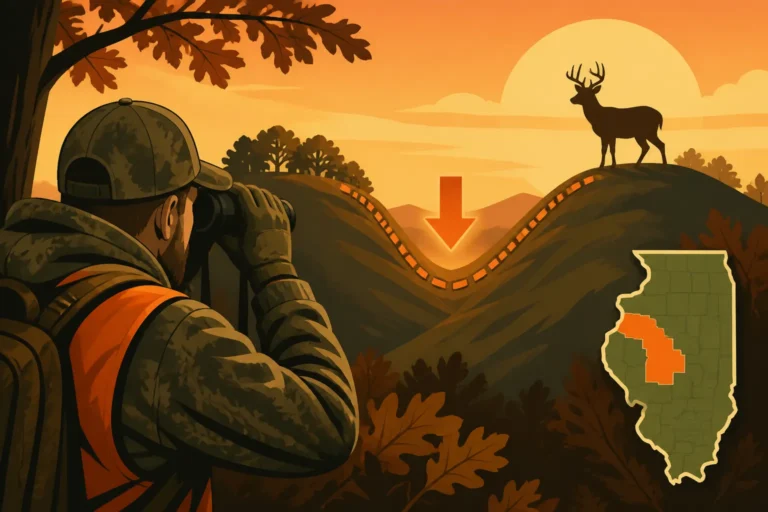
The rolling hills and sharp elevation changes within the Shawnee National Forest profoundly influence deer movement. Bucks and does alike often prefer to travel along contours – less steep paths that conserve energy. Ridgelines and saddles become superhighways, especially during the rut, as deer utilize them to navigate between bedding and feeding areas with minimal effort. Creeks and drainages, particularly those with thick cover, serve as natural funnels and travel corridors, offering concealment and access to water. You'll frequently find deer sign concentrated along these natural features. Don't underestimate the power of gravity; deer often feed uphill into the wind, then bed downwind on benches or points to catch any approaching danger. Understanding Wind and Thermals on a Southern Illinois Ridge is critical not just for hunting, but for interpreting how deer use certain areas.
Vegetation and Food Sources
Shawnee's diverse forest ecosystem offers a banquet of food sources that shift throughout the seasons. In early fall, acorns are king. White oak acorns are preferred, followed by red oak varieties. Locating productive oak flats, especially after a good mast crop, can be like finding a gold mine of deer activity. Beyond acorns, deer browse on a variety of plants, shrubs, and saplings. Look for areas with heavy undergrowth, which not only provides food but also crucial bedding cover. Clear-cuts and areas recovering from timber harvests can be magnets for deer, as the regenerating vegetation offers both food and security. Don't forget that water sources, even small seeps or intermittent creeks, are vital, especially during dry periods. An aerial map from a tool like GoHunt can highlight these diverse vegetation types and potential water sources, helping you narrow down your search before you even hit the woods.
Key Deer Sign to Look For
Once you're on the ground in the Shawnee, your eyes and intuition become your most valuable tools. Deer leave behind a tapestry of signs that, once understood, tell a vivid story of their daily lives. Learning to differentiate fresh sign from old, and to interpret what each type of sign indicates, is the core of effective big timber scouting.
Rubs and Scrapes: Buck Activity Indicators
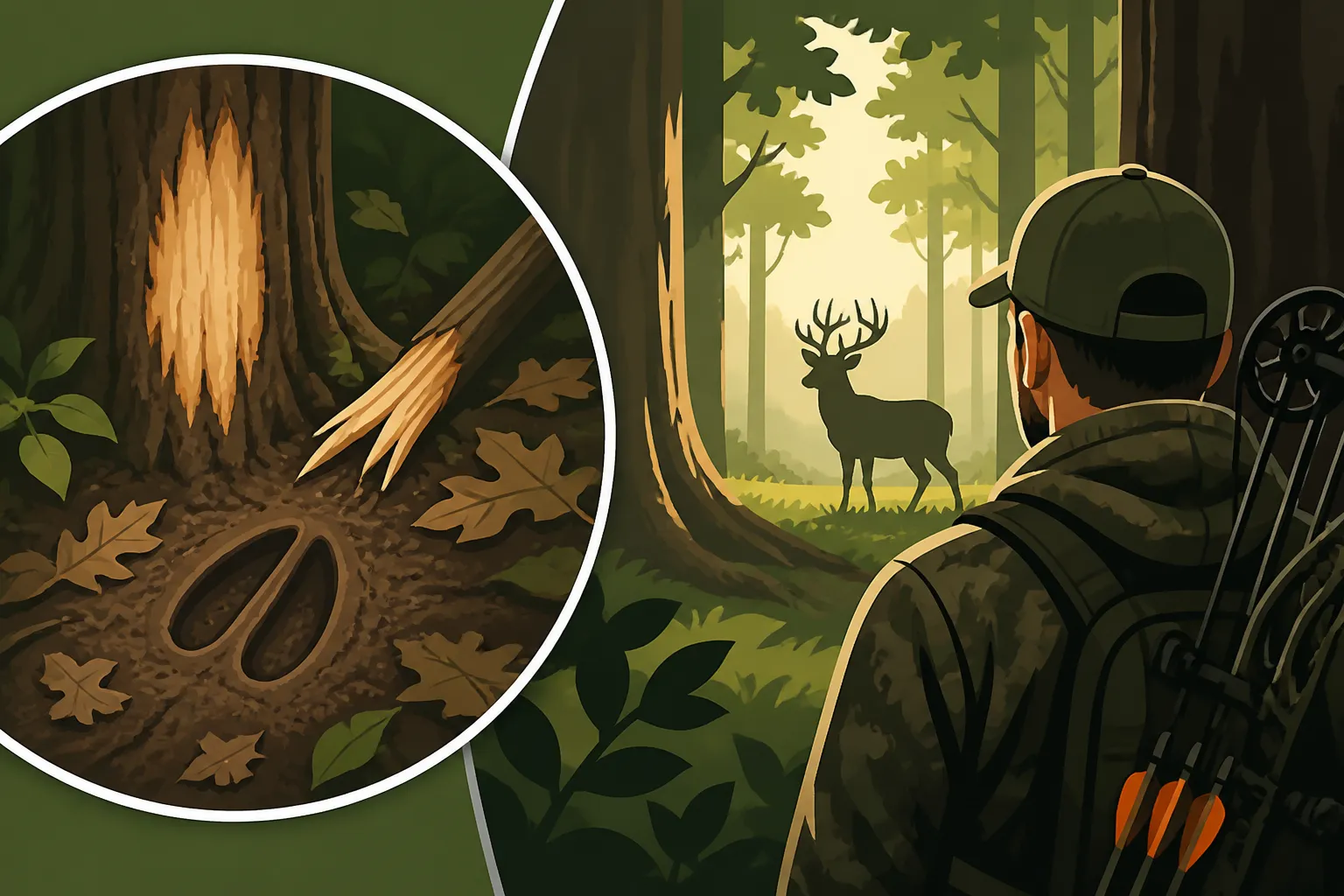
Rubs are areas where bucks have scraped their antlers against trees, stripping the bark. These are communication posts, marking territory and conditioning antlers. Fresh rubs will expose light, often sappy, wood. The size of the rub can give you a clue about the size of the buck, though not always definitively. Look for lines of rubs leading in a particular direction – these can indicate a travel corridor between bedding and feeding.
Scrapes, on the other hand, are patches of bare earth pawed out by bucks, usually under an overhanging branch (the "licking branch"). Bucks will scent-check and often urinate into these scrapes, further communicating with other deer. Fresh scrapes will have moist, disturbed earth and a strong musky odor. While bucks make scrapes throughout the year, they become highly active during the pre-rut and rut phases. A cluster of rubs and scrapes, especially along a ridge or funnel, is a clear indicator of mature buck activity. Understanding Rattling and Grunting in Illinois can become much more effective when you've pinpointed these high-traffic signposts.
Tracks and Trails: Uncovering Travel Routes
Deer trails are beaten-down paths created by repeated use. In thick timber, these might be subtle, just faint disturbances in the leaf litter. In softer ground, like creek beds or muddy areas, they'll be more pronounced. Look for convergent trails – several smaller trails merging into a larger one, indicating a major travel corridor. Tracks themselves offer a wealth of information. Fresh tracks will have sharp, distinct edges, with no leaves or debris accumulated within them. Large, widely spaced tracks, especially when accompanied by dragging marks, can indicate a mature buck. Doe and fawn tracks are typically smaller and more clustered. Pay attention to the direction of travel and the frequency of tracks. Using a mapping app like GoHunt to mark these trails and tracks can help you visualize deer movement patterns over time.
Droppings and Beds: Pinpointing Feeding and Resting Areas
Finding deer droppings (scat) can tell you a lot about where deer are feeding and resting. Fresh droppings will be dark, moist, and often soft. Their consistency can even indicate diet – softer, clumped droppings usually mean a diet of lush vegetation, while harder, more pelletized droppings suggest a drier, more woody diet (common when acorns are the primary food source). Concentrated piles of fresh droppings indicate a primary feeding area or a heavily used travel route.
Beds are depressions in the leaves or grass where deer have rested. These are often oval-shaped and can sometimes still be warm if the deer has just left. Beds found in thick cover, often on the leeward side of a ridge or in dense cedar thickets, point to secure bedding areas. Conversely, beds found in more open areas, especially near food sources, might indicate daytime loafing areas or quick rest stops. Locating clusters of beds can reveal Where Shawnee National Forest Bucks Bed and allow you to strategize your approach.
| Type of Sign | What it Looks Like | What it Tells You (Deer Activity) | Freshness Indicators | Timing/Significance |
|---|---|---|---|---|
| Rubs | Scraped bark on saplings/trees, often chest-high | Buck activity, territory marking, travel routes | Light-colored wood, sap still wet | Primarily late summer through rut; heaviest during rut |
| Scrapes | Bare earth patch, usually under overhanging branch | Communication hub, often near doe bedding or travel routes | Wet, disturbed earth, strong musky scent, fresh urine | Primarily pre-rut through rut; can be "maintenance scrapes" year-round |
| Droppings (Scat) | Piles of pellets or larger, softer deposits | Feeding areas, bedding, travel, general presence | Dark, moist, soft (fresh), shiny | Year-round; consistency indicates diet |
| Tracks | Impressions in mud, dirt, snow, or leaves | Direction of travel, size of deer, recent movement | Sharp, distinct edges, no debris | Year-round; especially visible after rain or snow |
| Beds | Oval depressions in leaves/grass, often sheltered | Resting areas, security cover, general presence | Still warm, disturbed leaves, imprint clearly visible | Year-round; often concentrated in secure cover |
| Browse Lines | Tattered, bitten-off ends of twigs and leaves | Active feeding area | Freshly bitten ends, visible sap | Year-round; most obvious during winter and early spring |
Strategic Scouting Techniques for Big Timber
Finding sign is one thing; consistently finding relevant sign in an efficient manner in a place as vast as Shawnee is another. It requires a strategic approach, blending e-scouting with boots-on-the-ground detective work.
E-Scouting Before You Go
Before you ever set foot in the woods, spend significant time e-scouting. Utilize satellite imagery and topographical maps, such as those found on GoHunt, to identify potential hotspots. Look for:
- Ridgelines and Saddles: As mentioned, these are key travel corridors.
- Funnels: Areas where timber narrows, or where terrain features pinch down deer movement. Creek bottoms, points of ridges, or transitions between different habitat types (e.g., thicket to open timber) are prime examples.
- Benches and Flats: Subtle changes in elevation along a hillside where deer might stop to feed or bed.
- Thick Cover: Dense cedar thickets, tangled briar patches, or regenerating clear-cuts. These are primary bedding areas, especially for mature bucks seeking security.
- Water Sources: Ponds, perennial creeks, or seeps.
- Oak Flats: Areas dominated by oak trees, indicating potential mast crop locations.
Mark all these potential spots on your GoHunt app or other mapping software. This gives you a starting point and prevents aimless wandering. It also helps with understanding How Many Acres Shawnee National Forest Covers and breaking it down into manageable scouting sections.
Boots-on-the-Ground Verification
Once you've done your homework with e-scouting, it's time for boots on the ground. This is where you verify your e-scouting hunches and find the fresh, nuanced sign that satellite imagery can't show.
- Grid Search or Transect: Instead of just walking aimlessly, try to implement a semi-structured search pattern. Walk transects across potential bedding areas or grid-search an oak flat.
- Focus on Transitions: Deer spend a lot of time on the edges – where one habitat type transitions into another. Look along the edges of thickets, where timber meets a field, or where a ridge drops into a creek bottom.
- Walk Creek Beds and Drainages: These are natural travel corridors and often hold a lot of fresh sign, especially tracks in the softer earth. You'll often find concentrated activity here, similar to what you'd seek when Hunting Illinois River Bottom Funnels.
- Use Your Nose: Don't be afraid to smell. Fresh scrapes, buck bedding areas, and even the air after a rutting buck has passed can carry a distinct musky scent.
- Look Up, Down, and All Around: Don't just stare at the ground. Look for rubs on trees, broken branches from deer rubbing, and even evidence of browsing.
Trail Camera Deployment
Trail cameras are an invaluable tool for intelligence gathering, especially in big timber where deer might be more spread out.
- Strategic Placement: Don't just hang them randomly. Place cameras on active scrape lines, heavily used trails, or at the edges of suspected bedding areas. Position them to capture deer moving along a ridge or through a funnel.
- Monitor Specific Areas: Use cameras to confirm your suspicions about a bedding area or to gauge the frequency of buck visits to a scrape.
- Pattern Movement: Over time, trail camera data can reveal patterns of movement, showing when deer are most active in certain areas, helping you fine-tune your hunting times.
Remember, when scouting, be as quiet and scent-conscious as you would be hunting. You don't want to alert deer to your presence, especially if you plan to hunt that area soon.
Interpreting Sign and Planning Your Hunt
Finding sign is the first step, but the real art comes in interpreting what that sign means in the grand scheme of a deer's life and how to use it to plan a successful hunt. This isn't just about spotting a track; it's about understanding the story behind it.
Differentiating Fresh from Old Sign
This is paramount. Old sign tells you where deer were; fresh sign tells you where they are.
- Rubs: Fresh rubs will have light, often sap-weeping wood. Old rubs will be weathered, darkened, and possibly have lichen or moss growing on them.
- Scrapes: Fresh scrapes will have moist, disturbed dirt. The licking branch above may show fresh breakage or scenting. Old scrapes will be dry, compacted, and possibly growing weeds.
- Tracks: Fresh tracks have crisp, defined edges. Old tracks will be rounded, softened by weather, and may have debris or leaves settled in them.
- Droppings: Fresh droppings are moist, dark, and often shiny. Older droppings are dry, dull, and may be crumbling.
The more fresh sign you find, the higher the likelihood of current deer activity in that specific area. This is why repeated scouting trips, even during the season, can be so valuable.
Connecting the Dots: Bedding, Feeding, and Travel
The goal of interpreting sign is to connect the puzzle pieces: where deer are bedding, where they are feeding, and how they are traveling between the two.
- Bedding Areas: Often characterized by thick cover, multiple beds, and concentrated droppings and tracks within or immediately adjacent. These are typically in secure, secluded spots, often on ridges or points offering good visibility and scenting conditions.
- Feeding Areas: Look for concentrated fresh droppings, heavily browsed vegetation, and evidence of rooting (especially if hogs are present). In acorn country, you'll see chewed caps and disturbed leaf litter under productive oak trees.
- Travel Corridors: These are the highways between bedding and feeding. They'll show clear trails, lines of rubs, and frequent tracks. Ridgelines, creek bottoms, and funnels are prime travel corridors.
Once you can identify these three components and how they relate, you can begin to strategize your hunt. For example, if you find a major rub line leading from a thick bedding area to an oak flat, you've identified a prime ambush point. You might consider a quiet approach for Still-Hunting Southern Illinois Ridgelines along this corridor or set up a stand nearby.
Planning Your Hunt Based on Sign
With a solid understanding of the sign you've found, you can now transition from scouting to hunting.
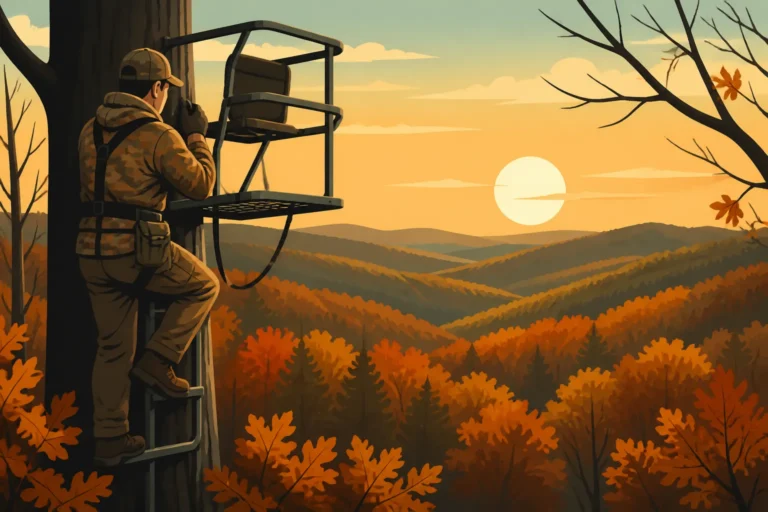
- Stand Placement: Your stand or ground blind placement should intercept deer movement between bedding and feeding, or along key travel corridors. Consider the wind direction, thermal currents, and access routes to avoid alerting deer. This ties directly into selecting effective Treestand Setups in Shawnee National Forest.
- Timing: If you're finding fresh sign consistently, especially during the peak of the rut, that area is hot. Focus your efforts there. If you're hunting during the early season, concentrate on feeding areas. During the late season, shift focus to persistent food sources.
- Hunting Pressure: Be mindful of other hunters. In public land like Shawnee, pressure can quickly change deer patterns. If an area that was hot suddenly goes cold, deer may have shifted due to hunting pressure, and you'll need to adjust your strategy. Finding areas with less pressure might mean venturing deeper into the forest, using tools like GoHunt to find less accessible parcels.
Effective deer hunting in big timber is a continuous cycle of scouting, interpreting, hunting, and adapting. The more you immerse yourself in the language of deer sign, the more successful your hunts in the challenging, yet rewarding, Shawnee National Forest will become.
Disclaimer
Hunting is an inherently dangerous activity. Always prioritize safety, follow all Illinois Department of Natural Resources (IDNR) regulations, and obtain proper licenses and permits before heading afield. The information provided here is for educational purposes and should not replace professional guidance or personal judgment.