Coyotes and Predators in Illinois
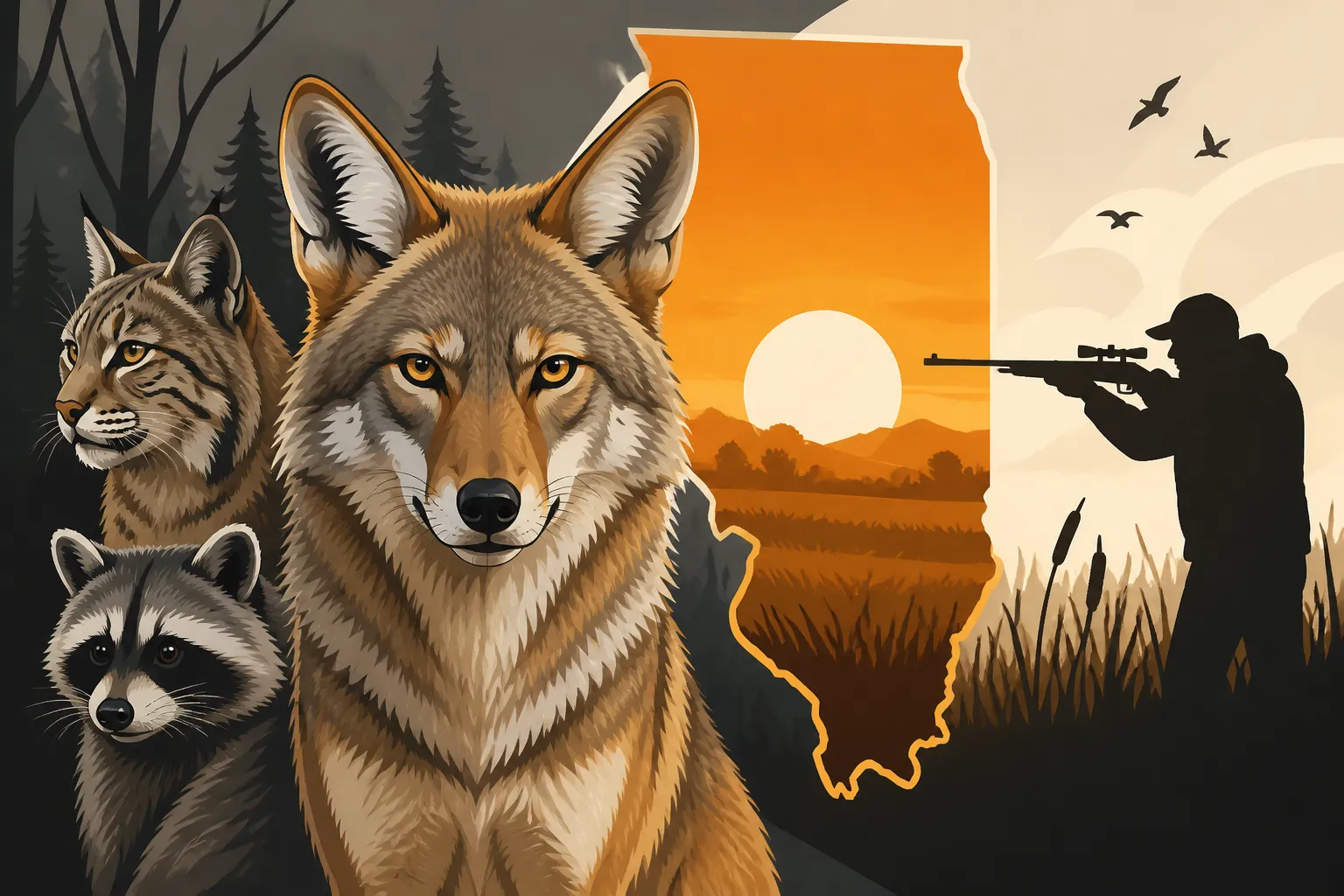
The constant presence of predators like coyotes, foxes, and even bobcats in Illinois can feel like a double-edged sword for many folks—a crucial part of the ecosystem, but also a source of real concern for deer fawn survival, small game populations, and even the safety of our livestock and pets. This guide is here to untangle the complexities of Illinois's predator landscape, offering an in-depth look at their lives, their impact, and how we, as hunters and landowners, can effectively manage and coexist with them.
Understanding Illinois's Primary Predators
When we talk about predators in Illinois, we're really focusing on a few key players who dominate the landscape and play significant roles in the ecosystem. These animals are smart, adaptable, and constantly navigating our ever-changing environment.
Coyote Population and Behavior
Coyotes are, without a doubt, the most widespread and frequently encountered predators across Illinois. You'll find them almost everywhere, from the deep timber of Southern Illinois to the vast agricultural fields of the central part of the state, and even surprisingly close to suburban areas. Their adaptability is truly remarkable, allowing them to thrive in diverse habitats, and their numbers seem to hold strong, even with consistent hunting and trapping pressure.
Their diet is incredibly varied, making them opportunistic hunters. While they're known for preying on small mammals like rabbits and rodents, they also readily take advantage of deer fawns during the spring, injured adult deer, and even carrion, especially during harsh winters. Understanding their social structure—often family units or small packs—is key to successful management. These animals communicate through a complex system of howls, yips, and barks, which can often be heard at dawn and dusk, signaling their presence across the landscape.
For hunters, understanding Illinois Coyote Range and Density is vital. Their territories can vary widely based on food availability and population density. In areas with abundant deer, they might stick to thick cover and river bottoms, while in agricultural areas, they often use fencerows, drainages, and small woodlots as travel corridors. Scouting these areas for tracks, scat, and active dens can give you a significant edge. They are constantly moving, adapting their patterns to prey availability and hunting pressure, so what worked last week might not work this week.
Fox Species and Their Habits
Illinois is home to two primary fox species: the red fox and the gray fox. While both are significant predators, they tend to occupy slightly different niches and exhibit distinct behaviors. Red foxes are the more common of the two, especially in open country, farmlands, and the edges of forests. They're easily recognizable by their vibrant reddish-orange fur, white-tipped tail, and black "stockings" on their legs.
Red foxes are particularly adept at hunting small prey such as rabbits, mice, and voles. Their hunting style often involves a pounce, a quick, acrobatic leap to pin down unsuspecting prey. They also consume birds, insects, and fruits, adapting their diet with the seasons. Red foxes are often more tolerant of human presence than gray foxes and can frequently be seen around rural homesteads and farm fields. Their dens are typically burrows, sometimes dug by themselves but often co-opted from other animals like groundhogs.
Gray foxes, on the other hand, are creatures of the deep woods and dense cover. Their fur is salt-and-pepper gray, often with rusty patches, and they possess a unique ability among canids: they can climb trees. This arboreal skill helps them escape predators like coyotes and access den sites or food sources high above the ground. Their diet is similar to red foxes, but with a greater emphasis on prey found in wooded environments.
Understanding the difference in habitat preference is crucial for anyone looking to hunt or trap these animals. You're far more likely to find a red fox skirting a cornfield or across an open pasture, whereas a gray fox will typically stick to the thickest timber you can find, especially in hilly, broken terrain. Both fox species, however, contribute to controlling rodent populations, which is beneficial for agricultural health.
The Rebounding Bobcat
For many years, seeing a bobcat in Illinois was a rare treat, almost like spotting a ghost in the woods. But thanks to successful conservation efforts and careful management, Illinois's bobcat population has been steadily increasing, especially in the southern and western parts of the state. These beautiful, elusive felines are now a legitimate part of our predator landscape, offering a unique challenge and a testament to thriving ecosystems.
Bobcats are strictly carnivorous, preying primarily on rabbits, squirrels, and various small rodents. They are ambush predators, relying on stealth and explosive speed to catch their meals. While they typically avoid humans, their presence signals a healthy habitat with a robust prey base. You might not see them often, but their tracks—often larger and rounder than a domestic cat's, with no claw marks visible—can occasionally be found in mud or snow, especially near dense cover.
Illinois now offers a limited bobcat hunting and trapping season, a testament to their healthy numbers. However, it's a highly regulated season, requiring a specific permit and often a lottery draw due to the limited quota. This careful management ensures the population continues to thrive while offering opportunities for ethical harvest. Understanding Illinois's Recovering Bobcat Population is vital for hunters who wish to pursue this magnificent animal, as specific zones and harvest limits are strictly enforced.
Their natural shyness makes them incredibly difficult to hunt. They prefer thick, undisturbed cover like dense timber, rocky outcroppings, and heavy brush. Spotting one requires immense patience and keen observation, often relying on trail cameras or fresh sign to pinpoint their territories. The successful return of the bobcat is a true wildlife success story for Illinois, reminding us of the importance of habitat preservation and thoughtful conservation practices.
Impact of Predators on Illinois Wildlife and Livestock
Predators are a natural and necessary component of any healthy ecosystem. They help maintain balance, keep prey populations in check, and even improve the health of herds by culling the weak or sick. However, their impact isn't always seen as positive, especially when it affects game animals or agricultural interests.
Deer Fawn Predation Concerns
One of the most talked-about impacts of predators, especially coyotes, in Illinois is their role in deer fawn predation. The spring fawning season is a vulnerable time for white-tailed deer, and newborn fawns, while masters of camouflage, are easy targets for opportunistic coyotes. It's a natural cycle, but it certainly sparks concern among deer hunters who want to see robust deer populations.
Studies across the Midwest have shown that coyotes can be a significant source of fawn mortality, particularly in the first few weeks of a fawn's life. While does are incredibly protective, a single coyote or a small pack can quickly overpower a fawn separated from its mother. This natural culling can sometimes feel detrimental to hunting opportunities, especially in areas where hunters perceive a decline in deer numbers. It's important to remember that fawn predation is just one factor influencing Illinois Deer Herd Size; habitat quality, weather, disease, and hunting pressure all play equally, if not more, significant roles.
However, predator control measures, particularly focused on coyotes, can sometimes be implemented to help boost fawn survival in localized areas. This isn't about eradication, but about targeted efforts to reduce coyote numbers during the fawning season. Landowners often find themselves weighing the benefits of reducing predator pressure against the natural balance of the ecosystem. Understanding Illinois Fawn Survival Rates is a complex calculation involving many variables, and predation is a critical piece of that puzzle. It's a topic that sparks passionate debate, and rightly so, as hunters and wildlife enthusiasts care deeply about the health of the deer herd.
Small Game and Upland Bird Pressure
Beyond deer, predators in Illinois exert considerable pressure on small game populations like rabbits and squirrels, as well as upland birds such as pheasants and quail. Foxes and coyotes are incredibly efficient hunters of these species, particularly during nesting and brood-rearing seasons when young birds and mammals are most vulnerable. This is especially true for ground-nesting birds, whose nests can be easily discovered and raided.
A significant concern for hunters targeting species like wild pheasants and bobwhite quail is the impact of robust predator populations on nesting success and chick survival. Foxes, in particular, are notorious nest predators, and a high density of coyotes can suppress rabbit populations. While habitat loss and degradation are widely considered the primary drivers of small game declines, predator pressure can exacerbate these issues, especially in fragmented habitats where cover is scarce.
Managing this pressure often involves a multi-faceted approach. Improving habitat to provide more escape cover and nesting sites can help small game evade predators. Targeted predator removal, often through trapping, can also provide localized benefits to small game populations, giving them a better chance to reproduce and thrive. For those passionate about Pheasant Hunting Illinois Farmland or chasing rabbits, understanding how these predators interact with prey is key to appreciating the broader ecological picture and making informed decisions about land management. It's a delicate balance where too many predators can certainly make a noticeable dent, especially when prey populations are already struggling due to other factors.
Livestock and Pet Safety
The presence of predators, particularly coyotes, isn't just a wildlife management concern; it's a very real economic and emotional issue for farmers and rural residents who experience livestock and pet depredation. While coyotes generally prefer wild prey, they are opportunistic, and an easy meal from a farmer's pasture or a backyard can be tempting. This is where the impact becomes intensely personal and often leads to calls for more active management.
Calves, lambs, and even poultry are vulnerable to coyote attacks, leading to significant financial losses for agricultural producers. These incidents are not common with every coyote, but once an individual or a pack learns that livestock is an easy target, they can become a recurring problem. Similarly, pets, especially smaller dogs and outdoor cats, can fall victim to coyotes, leading to heartbreak for families. This is a tough reality of living in areas with wild predators, and it generates understandable frustration and anger.
Preventative measures are often the first line of defense. Secure fencing, bringing livestock into barns at night, and even guard animals like llamas, donkeys, or specific breeds of dogs (e.g., Great Pyrenees) can be effective deterrents. For pet owners, keeping cats indoors and supervising dogs, especially at dawn and dusk, is crucial. When depredation becomes a persistent problem, targeted removal of problem animals is often necessary. The Illinois Department of Natural Resources (IDNR) recognizes these challenges and provides resources and information for landowners dealing with these specific issues.
It's a difficult situation that highlights the need for a balanced approach. While we respect the role of predators in the ecosystem, ensuring the safety and livelihood of our communities means addressing specific conflicts directly. Localized efforts to mitigate these issues can make a real difference for those most affected, demonstrating that coexistence doesn't mean ignoring very real threats.
Illinois Hunting Regulations for Predators
Hunting and trapping predators in Illinois is a well-regulated activity designed to manage populations while providing recreational opportunities. It's crucial to understand the specific rules for each species, as they can vary significantly.
Coyote Hunting Seasons and Methods
Coyotes in Illinois are classified as unprotected furbearers, meaning they have a year-round hunting season. This flexibility allows landowners and hunters to address problem animals or simply pursue them for sport at any time of year. This continuous season reflects the robust and adaptable nature of the coyote population across the state.
When it comes to legal methods, Illinois offers a wide array of options for coyote hunters. During daylight hours, hunters can use centerfire rifles, shotguns, handguns, and archery equipment. The use of electronic calls is also permitted, which is a significant advantage when trying to lure in wary coyotes. However, there are specific regulations concerning hunting hours and the use of lights, which we'll delve into shortly. Many hunters find success during the deer seasons, as coyotes often come to the calls or move along the same travel corridors.
Understanding these regulations is paramount to staying legal and ethical. For instance, while hunting during archery deer season, a bowhunter can harvest a coyote if the opportunity arises, provided they have the proper licenses. Similarly, during firearm deer season, a deer hunter can take a coyote. However, using specific tactics like night hunting requires adherence to additional rules. Always consult the current Illinois Digest of Hunting and Trapping Regulations to confirm specifics, as regulations can change. The year-round nature of the season provides ample opportunity to hone your skills, whether you're new to predator hunting or a seasoned veteran looking to keep their property clear.
Fox Hunting Regulations
Unlike coyotes, both red and gray foxes in Illinois are protected furbearers, meaning they have a defined hunting season. This typically runs from mid-November through late February, aligning with the prime fur-bearing season when their pelts are thickest. This regulated season reflects a more conservative management approach compared to coyotes.
Legal hunting methods for foxes are similar to coyotes, allowing for the use of centerfire rifles, shotguns, handguns, and archery equipment during legal hunting hours. Electronic calls are also permissible. However, the limited season window means hunters need to plan their efforts carefully. Fox hunting often requires more subtle calling techniques and a deeper understanding of their habitat preferences compared to the often more aggressive approach used for coyotes.
Hunters should also be aware of specific regulations regarding legal hunting hours, which are typically from one-half hour before sunrise to one-half hour after sunset. Night hunting for foxes is not permitted in Illinois, unlike coyotes under certain conditions. This distinction is crucial and often misunderstood by new predator hunters. Successfully hunting foxes often involves finding areas with good populations of rabbits and rodents, as these are their primary food sources. Look for fencerows, small woodlots, and field edges for red foxes, and dense timber for gray foxes.
Bobcat Permit and Harvest Rules
The bobcat season in Illinois is the most restrictive of all predator hunting opportunities, reflecting its status as a managed, recovering population. If you're interested in pursuing a bobcat, be prepared for a lottery system and strict regulations.
First, to hunt or trap a bobcat, you must apply for a specific bobcat permit through the Illinois Department of Natural Resources (IDNR). These permits are limited in number and allocated via a lottery system, making them highly sought after. The season typically runs from mid-November through mid-February, though specific dates and zones are announced annually. The number of permits and the overall harvest quota are carefully set to ensure the continued health and growth of the bobcat population.
Legal methods for bobcats include both hunting (with firearms or archery equipment) and trapping, but specific restrictions apply. For instance, a person may only harvest one bobcat per permit. Furthermore, any harvested bobcat must be reported to the IDNR and tagged within a specific timeframe, much like deer and turkey. This strict reporting helps biologists monitor the population and ensures that harvest quotas are not exceeded. These regulations are designed to sustain the bobcat population for future generations.
If you are fortunate enough to draw a permit, it's highly recommended to thoroughly research Illinois Bobcat Permit and Harvest Rules as they are complex. It's not a hunt to be taken lightly; it requires dedication, patience, and a deep respect for these magnificent animals. Success is rare, but the experience of pursuing such an elusive predator is incredibly rewarding.
| Predator Species | Season Dates | Legal Hunting Methods | Night Hunting Allowed? | Permit Required? | Special Notes |
|---|---|---|---|---|---|
| Coyote | Year-round | Rifle, Shotgun, Handgun, Archery, Electronic Calls | Yes (with lights) | No (Base License) | Unprotected furbearer; specific light rules apply |
| Red Fox | Mid-Nov to Late Feb | Rifle, Shotgun, Handgun, Archery, Electronic Calls | No | No (Base License) | Protected furbearer; specific season dates |
| Gray Fox | Mid-Nov to Late Feb | Rifle, Shotgun, Handgun, Archery, Electronic Calls | No | No (Base License) | Protected furbearer; specific season dates |
| Bobcat | Mid-Nov to Mid-Feb (Lottery) | Rifle, Shotgun, Handgun, Archery, Trapping | No | Yes (Lottery Draw) | Limited permits, strict quotas & tagging required |
Effective Coyote Hunting Tactics in Illinois
Coyotes are incredibly intelligent and wary, making them a formidable challenge for any hunter. Success often comes down to a combination of understanding their behavior, employing smart calling techniques, and utilizing the right gear.
Calling Strategies for Farm Country
Hunting coyotes in Illinois's vast farm country presents unique opportunities and challenges. Unlike heavily timbered areas, the open nature of fields and scattered woodlots means coyotes can often see and hear you from a great distance. This requires careful consideration of approach, setup, and, most importantly, calling strategy. Electronic calls are your best friend here, mimicking distress cries of rabbits, fawns, or even coyote howls to pique their interest.
When setting up, always consider the wind. Coyotes have an incredible sense of smell, and they will almost always try to circle downwind to confirm what they're hearing. Position yourself where you have good visibility in multiple directions, often against a thick fencerow, a small woodlot, or a brushy drainage ditch. This allows you to spot them as they approach and gives you a clear shot before they catch your scent. Using decoys, such as a full-body coyote or even a rabbit decoy, can also help divert their attention from your position.
For many hunters, Coyote Calling in Illinois Farm Country becomes a game of cat and mouse. Start with softer distress calls, especially during calm mornings or evenings, and gradually increase the volume if you don't get a response. Sometimes, a series of lonesome howls followed by a challenge bark can provoke a territorial coyote into investigating. Persistence is key, as coyotes might hang up at a distance, observing the scene before committing. You might need to adjust your call volume and type based on the time of day and how much pressure the local coyotes have experienced.
Night Hunting with Lights and Thermal
Night hunting coyotes has become increasingly popular in Illinois, offering an exciting and often highly effective way to manage these predators. The cover of darkness often makes coyotes bolder, and the use of artificial light or thermal optics can level the playing field. However, it's crucial to understand Night Hunting Rules for Illinois Coyotes to ensure you're hunting legally and safely.
Illinois allows night hunting for coyotes using artificial light sources, including spotlights and weapon-mounted lights, provided you are not within 300 yards of an occupied dwelling unless you have express permission from the occupant. This rule is designed for safety and to respect private property. Many hunters use red or green lights, which coyotes are less prone to spook from compared to white light. These lights illuminate the coyote's eyes, making them easier to spot at a distance.
The advent of thermal and night vision optics has revolutionized night hunting. Thermal scopes allow hunters to detect the heat signature of an animal, cutting through darkness and even some light cover. This technology provides an incredible advantage, allowing for earlier detection and more precise shot placement. However, thermal and night vision equipment represents a significant investment, making it accessible to a dedicated few. Regardless of the equipment, safety remains paramount. Always positively identify your target and ensure a safe backdrop before taking a shot, even in low light conditions.
Setting up for a night hunt involves many of the same principles as daylight hunting: consider the wind, have a good backdrop, and use electronic calls. Often, coyotes respond more aggressively to calls at night, so be prepared for a quick approach. It's a truly exhilarating experience, hearing the calls echo in the dark and then seeing those glowing eyes or distinct heat signature appear.
Still-Hunting and Ambush Techniques
While calling is a potent tool, sometimes the best approach to a wary coyote is a quieter, more patient method. Still-hunting and ambush techniques can be incredibly effective, especially in areas with known coyote travel routes or high hunting pressure. These methods rely on stealth, observation, and anticipating coyote movement.
Still-hunting involves moving slowly and deliberately through an area, pausing frequently to scan for movement and listen for sounds. This is particularly effective in broken cover, along creek bottoms, or through mature timber where coyotes might be bedding or actively hunting. Focus on areas where deer or small game might concentrate, as coyotes will naturally patrol these zones. Look for fresh tracks, scat, and active trails. A good pair of binoculars is essential, allowing you to pick apart cover from a distance without giving away your presence.
Ambush techniques involve setting up in a strategic location that coyotes are known to use, often near pinch points, saddles, or intersections of trails. This could be a fencerow connecting two woodlots, a bottleneck in a river bottom, or a prominent ridge that coyotes use to cross terrain. These locations are often discovered through extensive scouting, using trail cameras, or simply knowing the land. A platform such as a portable treestand can offer an elevated vantage point, helping you spot coyotes before they spot you.
These methods require immense patience. It might mean sitting for hours, waiting for a coyote to appear. However, the reward of outsmarting a cunning predator on their terms, without relying solely on a call, is incredibly satisfying. For those who enjoy the quiet solitude of the woods and the challenge of silent pursuit, still-hunting and ambushing can be highly productive and an excellent way to connect with the landscape.
Trapping Furbearers in Illinois
Trapping is an ancient and highly effective method for managing furbearer populations, including coyotes, foxes, and bobcats, in Illinois. It requires specific knowledge, skill, and adherence to strict regulations.
Permits and Equipment Essentials
Before you even think about setting a trap, you need to ensure you have the proper permits. In Illinois, anyone trapping furbearers must possess a valid Illinois hunting and trapping license, along with a state habitat stamp. For bobcats, as mentioned, an additional lottery-drawn permit is required. It's not just about having a license; it's about understanding the responsibility that comes with it.
The equipment side of trapping can be extensive. For coyotes and foxes, common trap types include foot-hold traps (like coil-spring or long-spring traps) and snare traps. For bobcats, foot-hold traps are typically used. Conibear or body-grip traps are often used for raccoons, skunks, and other smaller furbearers, but their use near trails and populated areas is often restricted for safety reasons. You'll also need a sifter for dirt, a trowel, trap setters, cable cutters, and a good pair of gloves to prevent leaving human scent.
Lures, baits, and attractants are also essential tools in a trapper's arsenal. These are used to draw animals to the trap site. Lures often contain musks or glands from the target animal, while baits might include meat scraps, fruit, or commercially prepared attractants. The specific combination often depends on the target species, time of year, and local conditions. Investing in quality, well-maintained equipment is paramount, as a malfunctioning trap can lead to missed opportunities or, worse, an injured animal.
Trap Placement and Techniques
Successful trapping is an art form, a blend of science, observation, and subtle technique. It's about thinking like the animal you're trying to catch. Trap placement is perhaps the most critical aspect, as a perfectly bedded trap in the wrong location is useless.
For canids like coyotes and foxes, "dirt hole sets" and "flat sets" are common. A dirt hole set mimics a den or a cache where an animal has buried food, naturally drawing a curious predator to investigate and step on the pan of the trap. A flat set might be placed along a game trail or near a prominent landmark that an animal would naturally investigate. The key is to blend the trap seamlessly into the environment, making it indistinguishable from the surrounding ground. Covering the trap with a thin layer of sifted dirt, leaves, or grass is essential, as is minimizing human scent.
When placing traps, always consider the surroundings. Are there natural funnels, pinch points, or travel corridors that animals frequently use? Look for tracks, scat, and rub marks. Observing natural animal behavior is key. For example, a coyote will often travel along the edge of a field, using the cover of a fencerow or a creek bank. Positioning your traps along these natural pathways increases your chances of success. It's also vital to place traps far enough from public access and residences to avoid accidental catches or conflicts.
Understanding the specific habits of each furbearer is crucial. While a dirt hole might be excellent for a coyote, a specific cubby set might be better for a bobcat. Proper trap bedding, securing the trap to prevent an animal from pulling free, and camouflaging the set are all vital components of ethical and effective trapping. Each element must work in harmony to ensure a quick, humane catch.
Season Dates and Regulations
Trapping Illinois Furbearers is governed by a strict set of season dates and specific regulations designed to promote ethical practices and ensure the sustainability of furbearer populations. While coyotes have a year-round hunting season, trapping them, along with foxes and other furbearers, typically opens in mid-November and runs through mid-February. These dates are chosen to coincide with the best fur quality and to avoid disrupting breeding seasons.
Beyond season dates, there are numerous regulations regarding trap types, set locations, and checking intervals. For instance, Illinois law requires trappers to check their traps at least once every 24 hours. This ensures that any captured animal is handled promptly and humanely. There are also restrictions on trap sizes and types in certain areas, particularly near residential zones or on public lands, to minimize the risk to non-target animals or pets.
Trappers must also be mindful of setback rules, meaning traps cannot be placed within a certain distance of public roads or occupied dwellings without specific permission. It's also illegal to set traps where they are likely to catch domestic animals. These regulations are not just bureaucratic hurdles; they are in place to ensure responsible trapping practices and maintain public safety. Becoming a skilled and ethical trapper requires continuous learning and a deep respect for the animals and the environment.
Trappers also play a vital role in wildlife management by providing data on furbearer populations through harvest reports. This information helps biologists monitor trends and adjust regulations as needed. Participation in trapping workshops or mentorships with experienced trappers is highly recommended for anyone new to the activity, as it provides invaluable hands-on experience and knowledge of the intricate regulations.
Conservation and Coexistence Strategies
Managing predators is not just about hunting and trapping; it's also about understanding their ecological role and finding ways to coexist, especially as human populations expand into previously wild areas.
Habitat Management for Prey Species
One of the most effective long-term strategies for dealing with predator populations, particularly in terms of their impact on game species, is through robust habitat management. Healthy, diverse habitats with ample cover, food, and water can significantly bolster prey populations, making them more resilient to predation pressure. This approach recognizes that a strong prey base can better absorb natural predation.
For deer, providing diverse food sources, such as native browse, acorns, and food plots, ensures a healthy and productive herd. More importantly, creating dense escape cover—thick brush, tall grasses, and regenerating timber—gives fawns and adult deer places to hide from predators. A fawn concealed in a dense briar patch is far less likely to be found by a coyote than one hiding in sparse cover. Similarly, for small game and upland birds, robust nesting cover and escape cover are critical. Think about planting warm-season grasses, creating brush piles, or allowing certain areas to grow wild and thick.
The idea here is not to eliminate predators, but to empower prey species with the resources they need to thrive. When prey populations are healthy and habitats are rich, the natural dynamics of the ecosystem can often regulate themselves. Landowners, whether they are focused on hunting or simply wildlife viewing, can make a huge difference through active habitat improvement projects. Consulting with the IDNR or local conservation groups can provide valuable insights into practices that benefit both game species and the overall health of the ecosystem.
Protecting Livestock and Pets
Living alongside predators, especially coyotes, means taking proactive steps to protect domestic animals. For many rural residents, this is a daily reality, and implementing practical strategies can prevent heartache and financial loss.
For livestock owners, several methods can be highly effective. Secure fencing is paramount, especially for smaller animals like sheep, goats, and poultry. Electric fences, woven wire, or predator-specific fencing can create a barrier that coyotes are less likely to breach. Bringing vulnerable livestock, particularly young animals, into barns or secure pens at night dramatically reduces their exposure to nocturnal predators. The use of guard animals, such as llamas, donkeys, or specific breeds of dogs known for their protective instincts (e.g., Great Pyrenees or Anatolian Shepherds), can also be a game-changer. These animals often bond with the livestock and actively deter predators.
For pet owners, the message is clear: supervision and containment are key. Keeping cats indoors, especially at night, is the safest option. Dogs, particularly smaller breeds, should always be supervised when outside, especially during dawn and dusk hours when coyotes are most active. A securely fenced yard is a good start, but coyotes are surprisingly adept at jumping or digging, so don't assume a standard fence is impenetrable. If you live in an area with known coyote activity, consider a "coyote roller" on top of your fence to prevent them from getting a foothold. It's about being vigilant and creating an environment where your pets are not easy targets.
In cases of recurring depredation, contacting your local IDNR office or a licensed professional trapper might be necessary for targeted removal of problem animals. While managing predators in Illinois, we recognize that human safety and the protection of livelihoods must be balanced with the ecological role these animals play.
Reporting Sightings and Disease
Public involvement in monitoring predator populations and health is incredibly important for wildlife agencies. Reporting unusual sightings, aggressive behavior, or signs of disease can provide valuable data that helps state biologists track trends and respond effectively.
If you encounter a predator, particularly a coyote or fox, that appears unusually bold, aggressive, or unafraid of humans, it's important to report it to the IDNR. This could indicate a habituated animal, which can pose a greater risk, especially in residential areas. Similarly, if you witness an animal that appears sick or injured, exhibiting behaviors like stumbling, disorientation, or excessive drooling, it could be a sign of disease. Mange in Illinois Coyotes and Foxes is a common affliction that can cause hair loss, skin lesions, and weakened states, often leading to a more emaciated and unhealthy appearance.
The IDNR also monitors for other wildlife diseases that can affect predators, such as rabies, although it's less common in Illinois coyotes and foxes than in some other states. Knowing Illinois Wildlife Disease Monitoring protocols and where to Report a Sick Animal in Illinois helps prevent potential spread and allows biologists to assess the health of regional populations. Never approach or attempt to handle a sick or injured wild animal; always contact professionals.
This kind of community engagement is invaluable. Each report contributes to a larger dataset that informs management decisions, research efforts, and public awareness campaigns. By being observant and responsible, we all play a role in ensuring the health and safety of both our wildlife and our communities. Programs like GoHunt often have features for recording sightings or mapping areas of concern, which can be useful for personal tracking and contributing to a better understanding of local wildlife.
Dispelling Common Predator Myths
When it comes to predators, particularly coyotes, there's a lot of misinformation and misunderstanding out there. It's easy to fall into traps of sensationalism or oversimplification. Let's clear up some common myths.
The "Balance of Nature" Misconception
One persistent myth is the idea of a perfectly static "balance of nature," where predator and prey populations exist in a harmonious, unchanging equilibrium. The reality is far more dynamic and complex. Ecosystems are constantly in flux, influenced by weather, habitat changes, human activity, disease, and the ebb and flow of various species.
Predators certainly play a role in regulating prey populations, but they are not the sole factor, nor do they perfectly "balance" numbers in a fixed way. For example, a harsh winter combined with habitat loss might cause a deer population to decline, and then increased predator pressure could exacerbate that decline. Conversely, in a year with abundant fawns and excellent cover, coyotes might have less impact on the overall deer population growth. There's no fixed ratio or perfect number that a "balanced" ecosystem strives for.
This myth can lead to unrealistic expectations about wildlife management. Eradicating predators in an attempt to boost prey numbers, for instance, often fails because other factors, like habitat or disease, are more limiting. Furthermore, completely removing one predator can sometimes lead to an increase in another, or an explosion of small prey species that then devastate vegetation. Understanding this dynamic interplay is crucial for effective and sustainable wildlife management. The goal isn't a static balance, but a resilient and adaptable ecosystem capable of responding to change.
Predator Eradication Fallacies
Following closely on the heels of the "balance of nature" myth is the idea that completely eradicating predators, especially coyotes, will solve all our wildlife and livestock problems. History has shown repeatedly that this approach is largely ineffective, often counterproductive, and rarely sustainable.
Coyotes, in particular, have demonstrated an incredible ability to adapt and even increase their reproductive rates when populations are suppressed. When a dominant pack is removed, it often creates a vacuum that is quickly filled by younger, more transient coyotes, who may breed more readily and in larger litter sizes. This phenomenon, known as compensatory reproduction, means that even intense eradication efforts often lead to only temporary reductions, with populations rebounding quickly.
Furthermore, a complete absence of predators can lead to unintended consequences. In some cases, it can result in an overpopulation of prey species, which then overgraze habitats, leading to long-term ecological damage. It also removes a natural mechanism for culling sick or weak animals, potentially leading to less healthy prey herds. True "eradication" across broad landscapes is practically impossible for widespread and adaptable species like coyotes.
Effective predator management, therefore, focuses not on eradication, but on intelligent control and coexistence strategies. This means targeted removal of problem animals, strategic hunting and trapping to reduce localized pressure during critical times (like fawning season), and robust habitat improvement. It's about understanding and working within the complex ecological reality, rather than fighting against it with unrealistic goals.
Understanding Predator-Prey Dynamics
To move beyond the myths, we need to embrace a more nuanced understanding of predator-prey dynamics. This relationship is not a simple one-way street where predators solely dictate prey numbers. It's a complex, reciprocal interaction influenced by a multitude of environmental factors.
Prey populations, like deer or rabbits, are primarily limited by habitat quality, food availability, disease, and weather. When these factors are optimal, prey populations can often sustain significant predator pressure. When conditions are poor, prey populations are already stressed, and even moderate predator pressure can have a more noticeable impact. Conversely, the abundance of prey can also influence predator numbers; a boom in rabbit populations, for instance, can lead to increased fox and coyote litters in subsequent years.
Consider Illinois Predator Impact on Fawn Recruitment. While coyotes certainly kill fawns, the overall "recruitment" (the number of fawns that survive to join the adult population) is also heavily influenced by the health of the does, the nutritional plane of the habitat, and the availability of dense fawning cover. A doe in good condition, giving birth to a healthy fawn in thick cover, has a much better chance of successful recruitment than a stressed doe dropping a fawn in open ground.
Wildlife management strives to manage both sides of this equation. Enhancing habitats, controlling disease spread, and ensuring sustainable harvest levels for game animals are just as important as managing predator populations. It’s about understanding the intricate web of life in Illinois and recognizing that every species plays a part, not always in a way that aligns with our immediate desires, but always in a way that contributes to the broader ecosystem. Learning about these dynamics through resources like GoHunt's mapping tools can help hunters and landowners make more informed decisions when planning their activities.
Disclaimer
This article is intended for informational purposes only and does not constitute legal advice. Hunting and trapping regulations in Illinois are subject to change. Always consult the most current Illinois Department of Natural Resources (IDNR) Hunting and Trapping Digest or their official website before engaging in any hunting or trapping activities. It is your responsibility to know and follow all applicable laws and regulations.