Illinois Wildlife Disease Monitoring
It's a sinking feeling, isn't it? You're out in the woods, enjoying the quiet solitude of an Illinois morning, maybe scouting a new area or waiting patiently in a stand, and then you see it—an animal that just doesn't look right. Maybe it's a deer acting lethargic, a coyote with significant hair loss, or a bird that can barely fly. Immediately, your mind starts racing with questions: What's wrong with it? Is it sick? Is it contagious? Could it affect other animals, or even me? These are incredibly valid concerns, and they speak to a larger, often unseen effort to keep our wildlife healthy. This guide is here to shed light on Illinois's crucial wildlife disease monitoring efforts, explain what some of these common ailments are, and, most importantly, empower you with the knowledge and steps you can take to protect both yourself and the health of our cherished wild populations.
Understanding the Common Wildlife Diseases in Illinois
When we talk about wildlife diseases, it's not some abstract concept; it's a real and present factor that impacts the animals we pursue and cherish. Illinois is a diverse state, and with that comes a variety of potential health challenges for our wildlife. Knowing what to look for and understanding the basics of these diseases can make a huge difference, both in your hunting experience and in the overall health monitoring effort.
Chronic Wasting Disease The Ongoing Threat
For deer hunters, Chronic Wasting Disease (CWD) is probably the most talked-about and feared ailment. It's a fatal neurological disease that affects cervids—deer, elk, and moose. What makes CWD particularly insidious is its slow progression and the fact that there's no cure or vaccine. It essentially creates microscopic holes in the animal's brain, leading to severe weight loss, abnormal behavior, and ultimately, death. This isn't just a northern Illinois issue anymore; while it started there, it's a persistent challenge that has implications for Illinois's Chronic Wasting Disease Zone and beyond. Seeing a deer that is excessively skinny, stumbling, drooling heavily, or exhibiting an unusually blank stare should raise a major red flag. It’s important to remember that CWD is not known to affect humans, but public health agencies advise against consuming meat from CWD-positive animals.
The spread of CWD is a complex problem, influenced by deer density, soil contamination (the prions that cause CWD can persist in the environment for years), and even how hunters handle and dispose of carcasses. This is why proper education and participation in monitoring programs are so critical. The Illinois Department of Natural Resources (IDNR) works tirelessly to track the disease, and every hunter's observation and cooperation are vital pieces of that puzzle.
EHD and Other Seasonal Ailments
Beyond CWD, other diseases pop up, often seasonally, and can cause significant die-offs. Epizootic Hemorrhagic Disease (EHD) is one such example, particularly common in white-tailed deer. Unlike CWD, EHD is caused by a virus transmitted by biting midges (tiny flies, sometimes called "no-see-ums"). It's most prevalent in late summer and early fall, particularly during drought conditions, as deer congregate around fewer water sources, making transmission easier. Symptoms often include high fever, swelling of the head, neck, and tongue, and hemorrhages (bleeding) in various organs. Deer affected by EHD will often seek out water and may be found dead near streams or ponds. While EHD can be quite dramatic in its impact, causing localized die-offs, it typically doesn't have the long-term, population-altering effects that CWD does, and deer that survive exposure can develop immunity. However, understanding EHD Die-Offs in Illinois Deer helps us recognize a natural, albeit sometimes tragic, part of deer population dynamics.
We also see other issues like skin tumors (fibromas) on deer, which, while unsightly, are generally harmless to the deer and the meat. These typically resolve on their own. Less common, but still important, are bacterial infections or internal parasites that can occasionally weaken animals. Understanding that not every abnormality is a catastrophic disease helps us keep perspective while still being vigilant.
Avian Influenza and Mange: Threats to Other Species
It's not just deer we need to be aware of. Wild turkeys and waterfowl can be susceptible to Highly Pathogenic Avian Influenza (HPAI), often simply called "avian flu." This viral disease can cause severe illness and death in birds. While primarily a concern for domestic poultry, wild bird populations, especially waterfowl, can carry and spread the virus, sometimes without showing symptoms themselves. If you're a turkey hunter or spend time in the duck blind, knowing the signs—like lethargic birds, neurological issues, or sudden, unexplained die-offs—is crucial for reporting. You can learn more about specific concerns in Avian Influenza in Illinois Birds.
For our furbearers and predators, particularly coyotes and foxes, sarcoptic mange is a recurring issue. Mange is caused by microscopic mites that burrow into the skin, leading to intense itching, hair loss, and thickened skin. Severely affected animals can become weak, susceptible to secondary infections, and struggle to regulate their body temperature, especially in winter. You might see a coyote with significant patches of missing fur, scabs, and a generally emaciated appearance. Recognizing Mange in Illinois Coyotes and Foxes not only helps monitor the health of these populations but also informs local wildlife management.
How Illinois Keeps Tabs: The Monitoring Process
So, with all these potential threats, how does the state keep track? It's a massive, ongoing effort led primarily by the Illinois Department of Natural Resources (IDNR), but it relies heavily on the observant eyes of folks like us—the hunters, hikers, and landowners who spend time in the outdoors.
IDNR Surveillance and Response
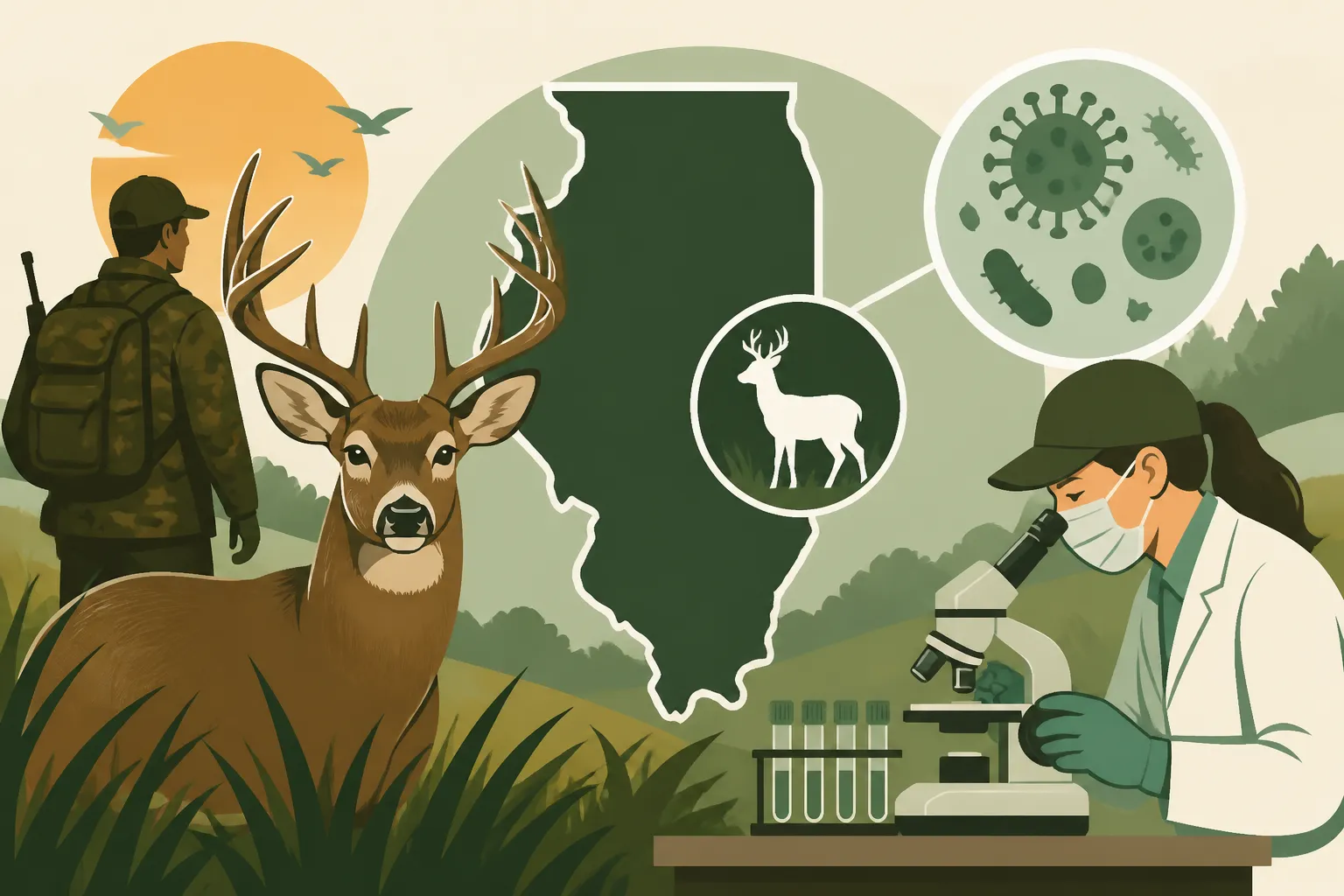
The IDNR has a dedicated team of wildlife biologists, veterinarians, and technicians who are constantly monitoring wildlife health across the state. Their work includes active surveillance programs, which means they deliberately collect samples from harvested animals, especially deer in CWD-affected counties, to test for diseases. For instance, during firearm deer seasons, check stations are set up where hunters can voluntarily submit their harvested deer for CWD testing. This data is invaluable for understanding disease prevalence and spread.
Beyond active sampling, the IDNR also relies on passive surveillance, which is where we come in. When a sick or dead animal is reported, they investigate. This can involve field visits, necropsies (animal autopsies) to determine the cause of death, and lab testing of tissues. They also collaborate with other state and federal agencies, as well as universities, to share data and research findings. This coordinated approach helps them detect outbreaks early, understand disease dynamics, and develop management strategies. The IDNR uses all available tools, including mapping technologies that allow staff to quickly pinpoint reported sightings and dispatch appropriate personnel, which can sometimes involve referencing detailed public land maps, such as those you'd find on a GoHunt subscription, to ensure they are on correct property for investigation.
Your Role: Reporting Sick Animals
This is perhaps the most critical part for us as outdoor enthusiasts. You are the boots on the ground, the eyes and ears in places that state biologists can't be all the time. If you encounter a sick, injured, or dead animal that appears unusual or has symptoms consistent with a known disease, reporting it to the IDNR is paramount. Don't assume someone else will do it. Even if you're unsure what's wrong, a report allows professionals to investigate. This could be anything from a deer showing signs of CWD or EHD, to waterfowl acting strangely, or furbearers with severe mange.
The IDNR has mechanisms in place for Reporting a Sick Animal in Illinois. Typically, you'll want to contact your local IDNR office or use their online reporting tools. When you report, be prepared to provide as much detail as possible: the exact location (GPS coordinates are best!), the type of animal, observed symptoms, and any other pertinent information. A photograph can also be extremely helpful, but never put yourself at risk by approaching an animal that might be dangerous or stressed. Your contribution to this early detection system is invaluable for the health of White-Tailed Deer Across Illinois and other species.
Protecting Yourself and the Resource: Hunter Best Practices
Being aware of wildlife diseases isn't about fear; it's about being responsible. As hunters, we have a unique connection to wildlife, and that comes with a responsibility to be stewards of the resource and to ensure our own safety.
Safe Carcass Handling and Processing
This is where the rubber meets the road. If you harvest an animal that looks healthy, fantastic! But even then, some basic precautions are always a good idea. Wear rubber or latex gloves when field dressing any animal. This is a simple step that protects you from a host of potential pathogens, not just those related to serious diseases. Minimize contact with brain, spinal cord, spleen, and lymph nodes, particularly in deer harvested from CWD-affected areas. These tissues are where CWD prions concentrate.
When processing at home or camp, use clean equipment and thoroughly sanitize all tools and surfaces afterward with a bleach solution or other appropriate disinfectant. If you're hunting in a CWD county, strongly consider getting your deer tested. Many butchers or taxidermists in those areas are familiar with the process, or you can find specific IDNR-approved Illinois CWD Testing for Hunters locations. Even if you don't hunt in a known CWD county, being aware of Illinois Deer Season Structure Explained and specific area concerns, perhaps by checking a GoHunt map for public land in potentially affected counties, is a good habit.
Understanding Carcass Movement Restrictions
This is a big one, especially if you're hunting in or near a CWD management area. To prevent the spread of diseases, particularly CWD, many states have regulations regarding the movement of deer carcasses or certain parts of the carcass. In Illinois, if you harvest a deer in a CWD-positive county, there are rules about what parts of the animal you can transport out of that county. Generally, it boils down to leaving behind the brain and spinal column, which contain the highest concentration of prions. This means debone your meat, remove antlers with a clean skull plate, and dispose of high-risk tissues properly, usually by double-bagging and taking to a landfill.
Ignoring these rules, even unknowingly, can contribute to the spread of disease to new areas. Always check the most current IDNR regulations for Illinois Carcass Movement Restrictions before you head afield, especially if you plan to hunt in a different county than where you live or process your animal. Information on Handling Venison From an Illinois CWD County should be a mandatory read for anyone hunting in those zones.
Supporting Healthy Habitats
While disease monitoring often focuses on the direct symptoms and spread, one of the best long-term strategies for wildlife health is promoting healthy, diverse habitats. Animals in robust, well-managed ecosystems with ample food sources and minimal stress are generally more resilient to disease outbreaks. Overcrowding, on the other hand, can exacerbate disease transmission and stress levels.
As hunters and conservationists, our support for habitat programs, whether through purchasing licenses and stamps, volunteering, or advocating for sound land management, indirectly contributes to wildlife health. Healthy forests, grasslands, and wetlands benefit not only the game species like Wild Turkeys in Illinois and waterfowl but also the entire ecosystem, creating a more stable environment where disease impacts might be lessened.
Why Wildlife Disease Monitoring Matters So Much
The sheer effort put into monitoring wildlife diseases might seem like a lot, but when you consider the stakes, it becomes clear why it's such a vital part of modern wildlife management. It’s not just about protecting individual animals; it’s about safeguarding entire populations, our hunting heritage, and even public health.
Ensuring Healthy Wildlife Populations
The primary goal of wildlife disease monitoring is to ensure the long-term health and sustainability of wildlife populations. Diseases like CWD can decimate deer herds over time, disrupting natural breeding patterns, altering age structures, and ultimately diminishing the quality of hunting opportunities. By detecting diseases early and understanding their spread, wildlife agencies can implement targeted management strategies. This might involve adjusted harvest quotas, special hunting seasons to reduce density in affected areas, or educational campaigns to encourage proper carcass disposal. Without this monitoring, a disease could quietly spread unchecked, leading to irreversible damage to species like Coyotes and Predators in Illinois if mange becomes too widespread, or devastating effects on local deer populations, impacting future generations of hunters.
Consider this table outlining some common Illinois wildlife diseases:
| Disease | Primary Species Affected | Cause | Key Symptoms to Look For | Hunter/Public Health Risk | Management Implication |
|---|---|---|---|---|---|
| Chronic Wasting Disease (CWD) | White-tailed Deer | Prion | Emaciation, lethargy, drooling, unusual behavior | Minimal known, but consumption not recommended | Surveillance, targeted harvest, carcass restrictions |
| Epizootic Hemorrhagic Disease (EHD) | White-tailed Deer | Virus (biting midges) | High fever, swelling, hemorrhages, found near water | None | Typically seasonal, localized die-offs; deer can recover immunity |
| Avian Influenza (AI) | Waterfowl, Turkeys, other birds | Virus | Lethargy, neurological signs, sudden death | Low, but caution advised with sick birds | Surveillance, hunter awareness, avoid sick birds |
| Sarcoptic Mange | Coyotes, Foxes, other canids | Mites | Hair loss, scabs, emaciation, intense itching | Minimal, but avoid contact with infected animals | Localized population impacts, general health monitoring |
This constant vigilance, supported by hunter participation, means that decisions about hunting seasons, permit allocations, and habitat projects are based on the most accurate and up-to-date information about the health of the animals, ensuring that our hunting resources remain vibrant for years to come.
Public Health and Safety
Beyond the wildlife itself, disease monitoring plays a critical role in public health. Many wildlife diseases are zoonotic, meaning they can be transmitted between animals and humans. While some, like CWD, are not currently known to pose a significant risk to humans, others, like rabies or certain bacterial infections, certainly do. By monitoring wildlife, we create an early warning system that can protect people who live, work, and recreate in wild areas. For instance, tracking rabies in wildlife populations helps public health officials assess risk and recommend appropriate precautions for domestic animals and humans.
The precautions we take as hunters—wearing gloves, thoroughly cooking game meat, proper carcass disposal—are not just for the animals; they are for us, our families, and our communities. It's about enjoying the outdoors responsibly, knowing that we've taken every reasonable step to minimize risk. Wildlife disease monitoring is an invisible shield, working behind the scenes to keep our interactions with nature safe and sustainable, preserving the deep connection we have with Illinois's Chronic Wasting Disease Zone and all its inhabitants.
Disclaimer
This article is for general informational purposes only and does not constitute professional advice. Laws, prices and regulations vary by location and change over time. Consult a qualified professional for guidance on your specific situation.