Illinois Sandhill Crane Viewing Sites
Imagine a crisp autumn morning or a vibrant spring thaw in Illinois, and suddenly, the sky fills with the guttural, rattling bugle of hundreds, sometimes thousands, of sandhill cranes. It's an absolutely awe-inspiring spectacle, one of nature's grandest performances. But knowing where to go and when to catch this incredible migration can feel like searching for a needle in a haystack. This guide is here to unravel that mystery, providing you with the knowledge to witness Illinois's magnificent sandhill crane migration firsthand.
The Incredible Journey: Sandhill Crane Migration Through Illinois
For many, the sight and sound of sandhill cranes signal a profound shift in the seasons, a connection to the wild heart of our state. These majestic birds undertake epic journeys, and Illinois serves as a vital corridor and refueling stop on their long migration. It's truly a testament to the diverse habitats Illinois still offers, even amidst our agricultural landscape.
Why Illinois is a Crucial Stopover
Illinois's unique position along the Mississippi Flyway makes it an indispensable waypoint for sandhill cranes. This broad migratory route stretches from the Arctic tundra all the way down to the Gulf Coast, and our state's mosaic of natural and agricultural lands provides precisely what these birds need. Cranes are opportunists, and the vast cornfields that dominate much of Illinois offer an endless buffet of waste grain after harvest, providing crucial calories for their arduous flights. They also rely heavily on our numerous wetlands and river bottoms for safe roosting spots. These shallow, protected waters offer refuge from predators overnight, allowing them to rest and conserve energy before continuing their journey. Without these critical habitats, the cranes' migration would be far more perilous, and their numbers would undoubtedly suffer.
Timing is Everything: Peak Migration Periods
Catching the sandhill crane migration is all about timing, and Mother Nature doesn't always send out a calendar invite! Generally, you'll see two distinct periods of significant activity in Illinois:
- Fall Migration: This is arguably the most spectacular, often peaking from late October through early December. As temperatures drop further north, cranes begin to pour into Illinois, sometimes staging in massive flocks for weeks before continuing south. The numbers can be staggering, filling the skies and fields with thousands of birds.
- Spring Migration: While often a bit more spread out and less concentrated in huge numbers, the spring migration offers its own charm. Cranes typically begin their northward journey in late February and continue through March, sometimes even into early April. They're often in smaller groups, more focused on getting to their northern breeding grounds.
It's important to remember that these are general windows. Weather patterns, especially significant cold fronts or sustained warm spells, can dramatically shift the exact timing. A sudden cold snap might push birds through faster in the fall, while a prolonged mild winter could mean an earlier spring arrival. Keeping an eye on local wildlife reports and even checking the local weather forecast a few days ahead can greatly increase your chances of being in the right place at the right time.
Premier Sandhill Crane Viewing Sites in Illinois
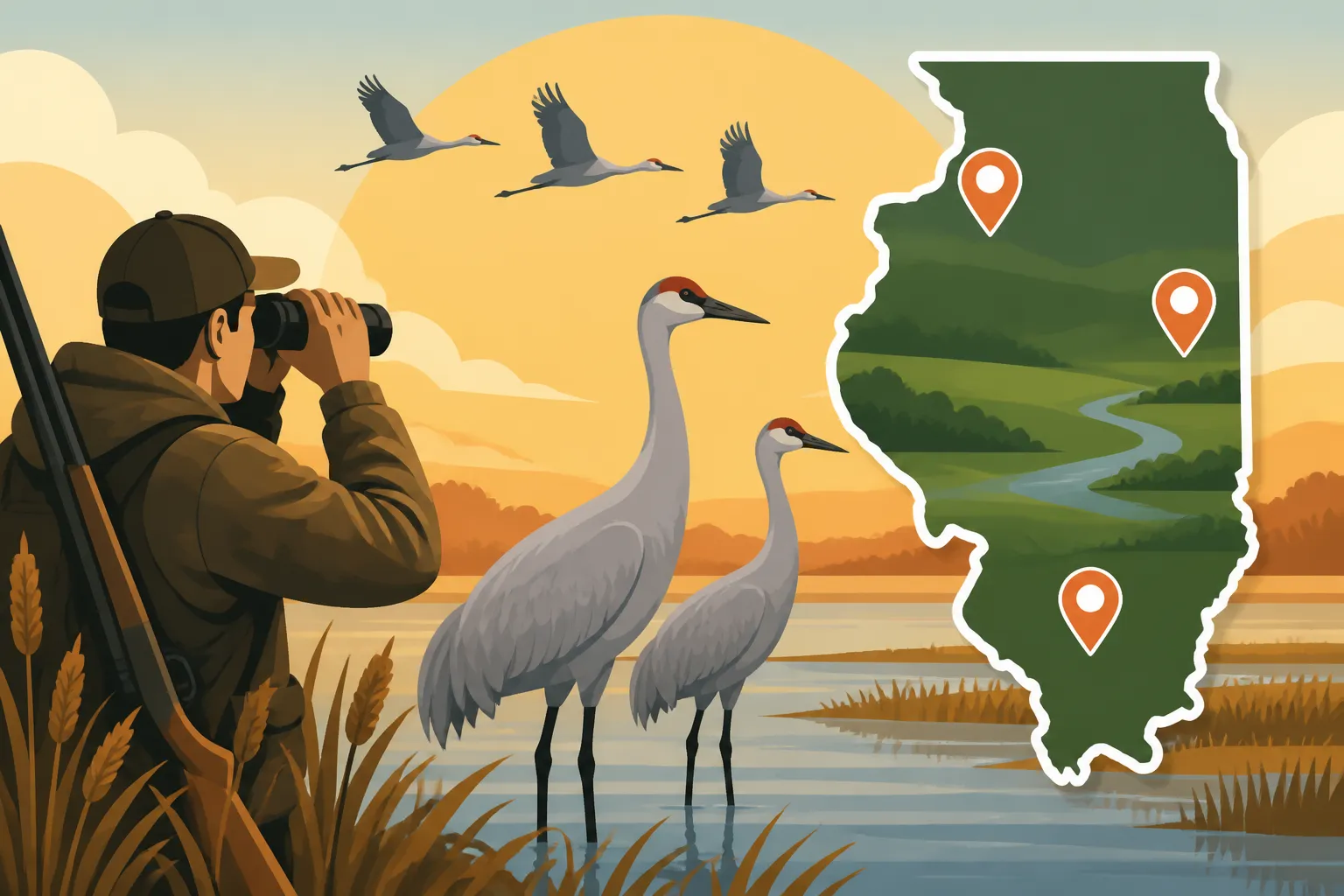
While sandhill cranes can be spotted across the state, some locations consistently offer the best opportunities for observation, especially during peak migration. These sites provide a combination of ideal habitat, food sources, and often, established viewing infrastructure that makes your experience more enjoyable.
Northern Illinois Hotspots
The northern part of the state, particularly areas with significant wetlands and agricultural interfaces, can be excellent for seeing sandhill cranes. They often stage here before or after crossing Lake Michigan.
- Des Plaines Wetlands State Park / Goose Lake Prairie State Natural Area (Grundy County): This complex offers excellent opportunities, especially during the fall. The sheer acreage of wetlands and prairies adjacent to agricultural fields provides both food and safe roosting. You can often find them in vast numbers, particularly in the later afternoon as they fly in to roost. There are designated parking areas and observation points that provide good vantage points without disturbing the birds. This area is also a great place to understand land management for wildlife, much like you'd see when Scouting Illinois Public Land Before Season.
- Chain O'Lakes State Park (Lake County): While not typically a primary staging ground on the scale of some other locations, cranes can often be observed in fields surrounding the park or flying over the various lakes and marshy areas. If you're in the area for Chain O'Lakes Waterfowl Access, keep an eye out overhead, as they often follow similar flight paths to other migratory birds. Early mornings and late evenings tend to be the best times to catch them moving between feeding and roosting sites.
Central Illinois Sanctuaries
The heart of Illinois, with its vast river systems and extensive farmlands, is absolutely critical for migrating cranes. The Illinois River Valley, in particular, acts as a major highway for them.
- Banner Marsh State Fish and Wildlife Area (Peoria County): Situated along the Illinois River, Banner Marsh is renowned for its diverse waterfowl and is an excellent spot for cranes. The extensive marshlands, interspersed with agricultural fields, create perfect conditions. There are often observation decks or elevated points that allow for distant viewing of large flocks. Dawn and dusk are prime times to witness the spectacle of cranes flying in or out of their roosts. This area is a prime example of why Hunting the Illinois River Valley offers such diverse opportunities, even for non-hunting observation.
- Chautauqua National Wildlife Refuge (Mason County): As part of the Illinois River's "Big Bend" region, Chautauqua is a truly significant stopover for a multitude of migratory birds, including sandhill cranes. The refuge's management focuses on creating ideal wetland and upland habitats. Visitors can often find excellent viewing opportunities from accessible roads or designated observation areas. The scale of the refuge means that while the cranes might be distant, the sheer numbers can be breathtaking. You might even use a mapping tool like GoHunt to scope out potential vantage points on adjacent public areas before your visit.
Southern Illinois Staging Grounds
As cranes make their final push south, or begin their northern journey, Southern Illinois provides crucial wetlands and warmer climes.
- Cypress Creek National Wildlife Refuge (Pulaski/Johnson Counties): This expansive refuge, part of the Cache River Wetlands complex, is an incredibly important ecosystem. Its vast bottomland hardwood forests, swamps, and open water create ideal roosting habitat for cranes. While dense forest might make direct viewing challenging in some spots, open marsh areas and surrounding fields can offer excellent chances. Access points vary, so checking the refuge's website or visitor center information is always a good idea. For those also interested in the waterfowl opportunities in the region, this area also provides Cypress Creek Refuge Waterfowl Access.
- Horseshoe Lake Fish and Wildlife Area (Alexander County): Famous for its massive wintering Canada goose populations, Horseshoe Lake also sees its share of sandhill cranes. The island in the middle of the lake provides an undisturbed roost, and the surrounding agricultural fields are a major draw. While the focus here is often on geese, as highlighted in Why Horseshoe Lake Draws Goose Hunters, cranes are certainly part of the avian spectacle during migration. Finding a good spot along the levee roads or observation points can yield great views, especially during fly-in and fly-out times.
Essential Tips for an Unforgettable Crane Viewing Experience
Witnessing sandhill cranes in their natural element is an experience that stays with you. To make the most of your trip, a little preparation goes a long way. It's not just about showing up; it's about being ready for the elements and respectful of the wildlife.
Best Times of Day and Weather Considerations
The behavior of sandhill cranes is heavily influenced by the clock and the sky. Your best chances for dramatic viewing opportunities will almost always be at dawn and dusk.
- Dawn: As the first hints of light paint the eastern sky, cranes begin to stir, lifting off from their communal roosts to head to feeding grounds. This is a truly magical experience, with their calls filling the quiet morning air.
- Dusk: The evening fly-in, as thousands of birds return to their roosts for the night, is equally spectacular. They gather in fields before making their final, often noisy, descent into the safety of the shallow wetlands.
Weather also plays a crucial role. Overcast days can sometimes offer more prolonged viewing as the birds don't get the same sun-driven thermals for high-altitude travel. Windy days can make their flight patterns more dynamic and exciting to watch, but a strong headwind might also cause them to fly lower and more slowly. Conversely, a calm, clear day often means birds will ascend quickly and move through with less fanfare. Always check the forecast and dress accordingly—even a mild day can feel chilly standing still at dawn or dusk.
Gear Up for Observation
Being prepared with the right gear ensures comfort and enhances your ability to observe these magnificent birds.
- Optics are Key: A good pair of binoculars (10×42 are excellent all-around) is absolutely essential. If you're serious about birding or want to get closer views of distant flocks, a spotting scope on a sturdy tripod will be invaluable.
- Warm Layers: Even in spring or early fall, standing still for extended periods at dawn or dusk can get surprisingly cold. Layers are your friend, along with a warm hat, gloves, and waterproof outerwear, just in case.
- Quiet & Concealment: Wear drab, natural colors to blend in. Bright clothing can sometimes alarm wildlife. Keep your movements slow and deliberate.
- Navigation and Scouting Tools: Before you head out, familiarize yourself with the area. Online mapping tools or apps like GoHunt can be incredibly useful for pinpointing public access points, understanding property lines, and even visualizing terrain and potential feeding areas from a satellite perspective. This is similar to how hunters might use these tools for Finding Ground That Sees Fewer Hunters or for a better understanding of a potential ambush point. Having a map, even on your phone, can prevent you from inadvertently trespassing or getting lost in unfamiliar territory.
Respecting the Cranes and Other Wildlife
Our ability to enjoy wildlife viewing depends entirely on our respect for the animals and their habitat. It's a privilege, not a right.
- Maintain Distance: Always keep a respectful distance from the cranes. If the birds change their behavior, stop what you're doing, and back away. Disturbing them, especially during critical feeding or roosting times, can cause them to expend vital energy they need for migration.
- Stay on Trails: Stick to designated trails, roads, and observation areas. Venturing off-trail can damage sensitive habitat and unintentionally flush birds.
- Silence is Golden: Keep noise levels to a minimum. Loud talking, sudden movements, or slamming car doors can easily startle a flock. Turn off your vehicle's engine.
- Leave No Trace: Pack out everything you pack in. Do not leave any trash behind. Our goal is to leave the area exactly as we found it, or better. Remember, these areas are often shared with other users, including those hunting small game like during Squirrel Hunting Illinois Bottomland Hardwoods, so being considerate of all activities is important.
Understanding the Sandhill Crane: Ecology and Behavior
To truly appreciate the sandhill crane, it helps to understand a bit about their lives, their habits, and their place in the ecosystem. It transforms a simple viewing into a deeper connection with nature.
Crane Calls and Communication
One of the most defining characteristics of sandhill cranes is their incredibly distinctive vocalization. Their call is a loud, trumpeting, rolling "rattle" or "bugle" that can carry for miles across the landscape. This sound is produced by their unusually long trachea, which coils within their sternum, acting like a resonating chamber.
- Purpose of the Calls: These calls serve many purposes. They help birds stay in contact during migration, especially when flying in dense fog or at night. They're used for territorial defense on breeding grounds, as alarm calls to warn of danger, and simply as a form of social communication within the flock. Listening carefully, you can often discern different tones and patterns, signaling anything from "hello" to "watch out!" It's an auditory spectacle that adds a whole other dimension to their visual display.
Foraging and Roosting Habits
Understanding where cranes find their food and where they sleep is key to knowing where to look for them.
- Dinner in the Fields: Sandhill cranes are primarily vegetarians, and in Illinois, their diet is dominated by waste grain, especially corn, left behind in harvested fields. This makes vast agricultural landscapes adjacent to wetlands prime feeding areas. They'll often feed throughout the day in these fields, sometimes walking great distances to find enough sustenance. You might see them gracefully striding through stubble fields, probing the ground with their long bills. This behavior is a good indicator of their presence and movement, much like observing deer sign can tell you where to focus your Late-Season Food Sources for Illinois Whitetails efforts.
- Safe Bed in the Water: For roosting, sandhill cranes seek out shallow, open water bodies. This could be a marsh, a shallow lake, a flooded field, or even wide, slow-moving rivers. The water provides a natural barrier against most ground predators, allowing them to rest more securely. They typically gather in large groups at these roost sites, offering safety in numbers. Knowing these two key behaviors—feeding in fields during the day and roosting in shallow water at night—allows you to predict their movements and position yourself for the best viewing opportunities.
Conservation Efforts and Their Importance
The presence of abundant sandhill cranes in Illinois today is a testament to successful conservation efforts. These birds faced significant population declines in the early 20th century due to habitat loss and unregulated hunting. However, through dedicated work, including wetland restoration, careful management of migration corridors, and regulated hunting seasons in other states (they are not hunted in Illinois), their numbers have rebounded remarkably.
- Habitat Protection: The continued protection and restoration of wetlands, prairies, and bottomland forests are vital for sandhill cranes and countless other species. Organizations like the Illinois Department of Natural Resources (IDNR) and various conservation groups play a critical role in managing and acquiring lands that serve as crucial crane habitat. Your enjoyment of these birds is directly linked to the health of these wild spaces. For an example of how state lands are managed, you can look into How Illinois Fish and Wildlife Areas Are Managed. By supporting these efforts, whether through volunteering, donations, or simply adhering to viewing guidelines, we ensure that future generations can also experience the wonder of the sandhill crane migration through Illinois.
Here's a quick reference table for some of Illinois's premier crane viewing sites:
| Viewing Site | Primary County | Best Season(s) | Habitat Type | Key Features | GoHunt Application |
|---|---|---|---|---|---|
| Des Plaines Wetlands State Park | Grundy | Fall | Wetlands, Prairie, Agricultural Fields | Extensive marsh for roosting, adjacent cornfields for feeding, accessible roads | Identify public access points, visualize field/wetland interfaces |
| Goose Lake Prairie State Natural Area | Grundy | Fall | Prairie, Wetlands | Large, protected open spaces, can offer distant views of staging cranes | Confirm boundaries, scout for elevated terrain near prairie/fields |
| Banner Marsh State FWA | Peoria | Fall & Spring | Illinois River Backwaters, Wetlands | Observation decks, good for fly-ins/fly-outs over the Illinois River | Locate specific water bodies, understand adjacent land ownership |
| Chautauqua National Wildlife Refuge | Mason | Fall & Spring | Illinois River Backwaters, Wetlands | Large refuge, often hosts significant numbers, various viewing opportunities | Plan routes to different observation zones within the refuge |
| Cypress Creek National Wildlife Refuge | Pulaski/Johnson | Fall & Spring | Bottomland Forest, Swamps, Wetlands | Crucial roosting habitat, especially for southern migration legs | Pinpoint open marsh areas, confirm accessible roads within the refuge |
| Horseshoe Lake FWA | Alexander | Fall | Large Lake, Agricultural Fields | Levee roads provide good views of lake/fields, known for large bird numbers | Identify viewing points along the lake, check surrounding private land buffers |
Disclaimer
This article is for general informational purposes only and does not constitute professional advice. Laws, prices and regulations vary by location and change over time. Consult a qualified professional for guidance on your specific situation.