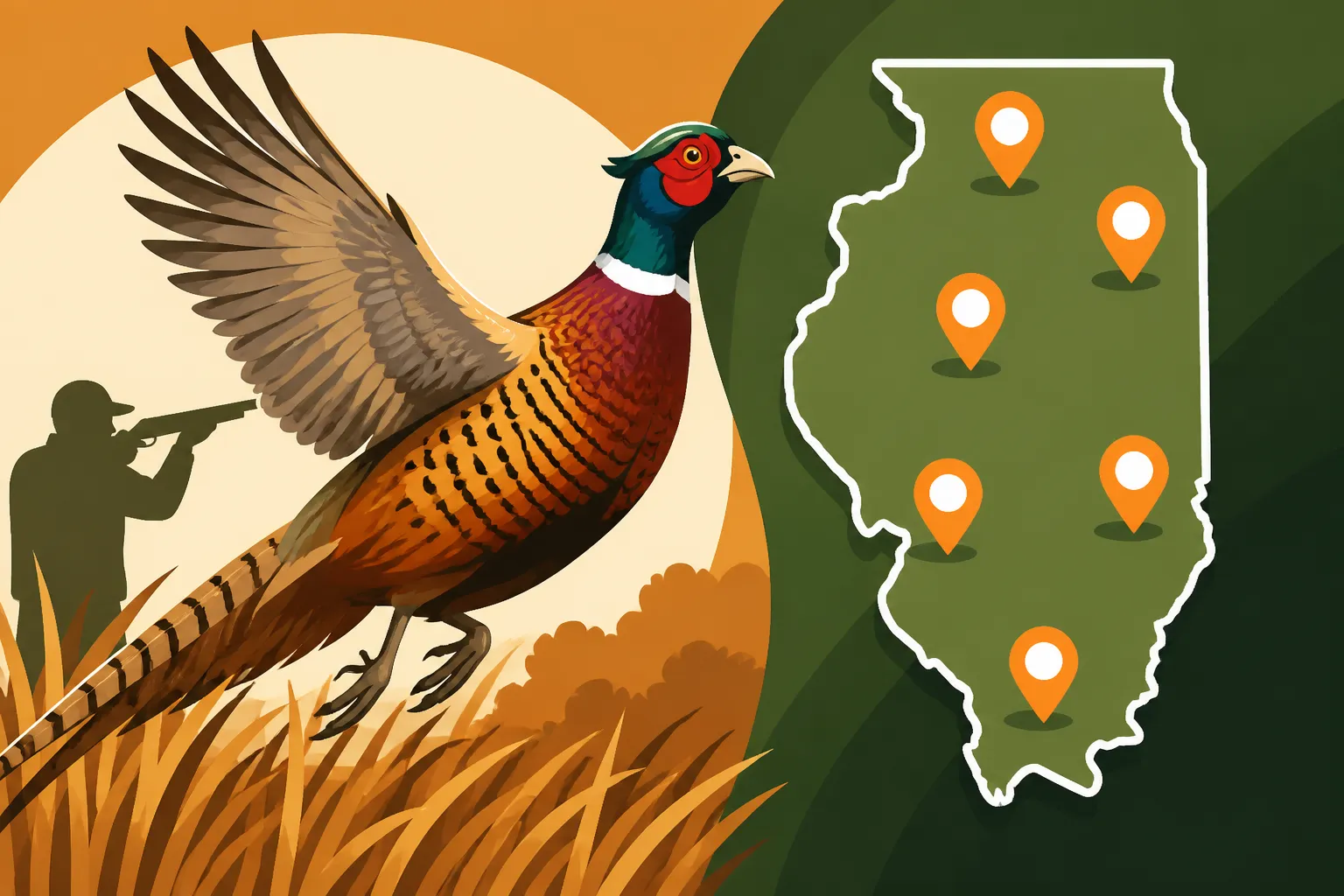
Illinois Pheasant Stocking Locations
It can be incredibly frustrating to hit the fields in Illinois, hoping to find a bustling covey of pheasants, only to come up empty-handed. For many of us, the days of plentiful wild pheasants across much of the state are, sadly, a memory. But that doesn't mean you have to hang up your shotgun! This guide will walk you through how and where to find stocked pheasant hunting opportunities in Illinois, ensuring you still get to experience the thrill of the flush.
The Reality of Illinois Pheasants Beyond the Wild Birds
Let's face it: the Illinois landscape has changed dramatically over the decades. What was once prime pheasant habitat – diverse grasslands, fencerows, and small parcels of grain – has largely given way to vast monoculture agriculture. This transformation, while economically vital for many communities, has hit our wild pheasant populations hard. Many hunters, especially those new to the sport or those who've seen the decline firsthand, feel a pang of disappointment when they consider chasing wild birds here. It's a tough pill to swallow when you remember stories of fields teeming with ringnecks.
The good news is that the state, along with various private operations, has stepped up to ensure pheasant hunting remains a viable and exciting pursuit. These efforts focus on stocking programs, bringing birds to areas where they can provide an immediate hunting opportunity. It’s not the same as hunting truly wild birds, no, but it’s still a fantastic way to enjoy a day afield, get some exercise, and work your dog.
Why Stocking is Essential for Pheasant Hunters
The decline of wild pheasant populations isn't just about habitat loss; it's a complex interplay of factors. Changes in farming practices, such as larger field sizes, fewer hedgerows, and earlier harvests, leave less residual cover and food. Increased predation from thriving coyote populations, and even more frequent and intense weather events, also take a toll on nesting success and overwinter survival. This isn't just an Illinois problem; it's something many states across the Midwest have grappled with.
For the hunter who wants consistent action and a reasonable chance at putting birds in the bag, stocking is the answer. It provides a managed opportunity where habitat might be marginal for wild birds but perfectly suitable for releasing pen-raised pheasants that offer a challenging hunt. Without these programs, many younger hunters might never experience the explosive flush of a rooster pheasant, and that would be a real shame. When you’re looking into Illinois Pheasant Season and Stocking, you'll quickly see that these programs are crucial for sustaining the sport.
Understanding Public vs. Private Stocking Programs
In Illinois, you generally have two main avenues for hunting stocked pheasants: the state-managed public sites and privately owned hunting preserves. Both offer unique experiences, and understanding the differences is key to choosing the right fit for your hunting style and budget.
Public sites, often managed by the Illinois Department of Natural Resources (IDNR), provide an accessible and generally more affordable option. These are typically state fish and wildlife areas or state parks that dedicate specific acreage to pheasant hunting. The IDNR releases birds regularly throughout the season, and while the experience is often still challenging, the density of birds is generally higher than what you'd find in truly wild, unmanaged areas. However, these sites usually require a special permit, an application process, and operate under specific rules and dates. The trade-off for affordability is often more hunting pressure and less flexibility in when and where you can hunt. For many, though, the opportunity to hunt a state-stocked bird for a modest fee is a fantastic option.
Private hunting preserves, on the other hand, offer a more controlled and often more exclusive experience. These operations are run by private landowners or businesses that raise their own pheasants (or purchase them) and release them specifically for paying clients. Here, you'll find more flexibility in booking dates, often higher bird densities, and sometimes more luxurious amenities like lodging, meals, and guided hunts with trained dogs. The cost is, understandably, higher, but for those seeking a premium experience, less pressure, or a guaranteed opportunity, preserves can be an excellent choice. This is also where you might explore options like Running Pointing Dogs on Illinois Pheasants with a professional guide.
Navigating Illinois's Public Pheasant Stocking Sites
Hunting pheasants on public land in Illinois, specifically at state-managed stocking sites, requires a bit of homework, but it’s absolutely worth the effort. These programs are designed to provide quality hunting experiences for a broad range of hunters, from seasoned veterans to those just starting out. You won't just walk onto these lands and start hunting; there's a system in place to manage pressure and ensure safety. This system helps distribute hunters and birds, which is important when you consider Hunting Pressure on Illinois Public Land.
The IDNR's Controlled Pheasant Hunting Program
The Illinois Department of Natural Resources (IDNR) operates a "Controlled Pheasant Hunting Program" at several key sites throughout the state. This program is typically managed through a lottery or reservation system for permits. Hunters apply for specific dates and locations, and if successful, they purchase a permit for a nominal fee. These permits often come with a quota for the number of birds you can harvest.
The beauty of this system is that it ensures a certain number of birds are released before your hunt, providing a much higher probability of success compared to chasing sparse wild populations. It also limits the number of hunters on a given day, helping to prevent overcrowding and ensuring a safer experience. When applying, pay close attention to the specific rules for each site, as they can vary slightly regarding hunting hours, shot size restrictions, and whether dogs are required or recommended. For all your hunting endeavors, ensure you've met the Illinois Hunter Education Requirements and have purchased your Illinois Hunting Licenses and What They Cost. Also, don't forget your Illinois HIP Certification for Bird Hunters for any migratory bird hunting.
Key Public Stocking Locations and Their Unique Aspects
While the exact list of IDNR sites participating in the Controlled Pheasant Hunting Program can fluctuate, several state fish and wildlife areas have historically been important for pheasant stocking. These sites are strategically located throughout different regions of Illinois, offering varied terrain and experiences.
For example, some sites in central Illinois, often found near historical prairie landscapes, feature expansive grasslands and crop field edges – classic pheasant country that gives a nod to Pheasant Hunting Illinois Grassland. Other locations, particularly in more southern parts of the state, might incorporate restored native prairies or former agricultural fields that have been converted into excellent upland habitat. Each location often has its own charm and challenges.
Using tools like the Illinois DNR website and apps, and even third-party mapping services like GoHunt, can be incredibly helpful for researching these areas. You can often see aerial maps, boundary lines, and sometimes even habitat types, giving you a better idea of what to expect once you secure a permit. Just remember, while GoHunt and similar tools are fantastic for general scouting, always defer to the specific rules and maps provided by the IDNR for each controlled hunting site.
Table: Public Stocked Hunting Sites vs. Private Hunting Preserves
| Feature | Public Stocked Sites (IDNR) | Private Hunting Preserves |
|---|---|---|
| Cost | Generally lower (permit fees) | Higher (per bird, per hunter, or package rates) |
| Permit/Booking | Lottery or reservation system, fixed dates | Direct booking, more flexible dates |
| Bird Density | Good, managed daily releases | High, often tailored to group size |
| Hunting Pressure | Controlled daily limits, can still be competitive | Often lower, exclusive to your booked group |
| Habitat | State-managed, varies by site | Managed by preserve, can be diverse and manicured |
| Amenities | Basic (parking, check-in station) | Often includes guides, dogs, lodging, meals |
| Flexibility | Limited to permit dates/locations | High (choose dates, bird counts, services) |
| Hunting Experience | More DIY, can feel more "wild" than a preserve | Highly controlled, focused on bird harvest |
Strategies for Hunting Stocked Pheasants Effectively
Hunting stocked pheasants is a unique challenge. These birds, while typically fast and strong fliers, might not hold like truly wild birds or react in predictable ways due to being pen-raised. This means your tactics need to be a little different from what you might use for wild coveys.
The key to success often lies in understanding how these birds behave after release and how to effectively work the cover they're in. While wild pheasants are masters of evasion, stocked birds can sometimes be a bit more straightforward to find, but their flush can be just as startling and thrilling.
Equipment and Dog Considerations for Stocked Birds
When heading out for stocked pheasants, your gear choices are pretty standard for upland hunting. A 12- or 20-gauge shotgun is ideal, loaded with 6 or 7 ½ shot. You'll want to choose a choke that patterns well at moderate distances, as many flushes will be within 20-30 yards. Modified or improved cylinder are popular choices.
The real game-changer for pheasant hunting, especially with stocked birds, is a good bird dog. Whether you prefer a flushing dog like a springer spaniel or a pointing dog like a German shorthaired pointer, their ability to find, flush, and retrieve birds is invaluable. Stocked birds can run, but they also tend to hold tighter in dense cover once they settle down. A dog's keen nose helps locate these birds, and their enthusiasm keeps the hunt moving.
Even if you don't have your own dog, some private preserves offer guided hunts where dogs are provided. For public sites, bringing your own trained dog makes a huge difference. Remember that dogs should be kept under control, especially on public lands where other hunters might be present. Check the specific rules for dog use at any IDNR site you plan to visit.
Tactics for Success on Stocked Hunting Areas
Hunting stocked pheasants effectively involves a combination of smart movement, understanding bird behavior, and sometimes, a little patience. Unlike Hunting Central Illinois Farmland Deer where you're often sitting still, pheasant hunting is a game of movement.
One of the most common and effective tactics is to walk slowly and thoroughly through cover, moving in a grid pattern or zig-zagging to ensure you cover all potential hiding spots. Don't be afraid to stop and pause for a moment; sometimes, a sudden stop can make a bird nervous enough to flush. Focus on areas with dense cover, such as switchgrass, tall weeds, and brushy fence lines, as these provide excellent hiding spots. For tips on covering ground and finding those hidden birds, you might look into Pheasant Hunting a Fencerow Edge.
If hunting with a group, line up and walk abreast, maintaining a safe distance between hunters. This effectively pushes birds forward and reduces the chance of a bird flushing behind the line. Communication is key to ensure everyone knows where other hunters are and when a bird is up.
Remember that stocked pheasants, especially late in the season, can become "wilder" and more accustomed to hunter pressure. They might run more or flush further out. Be prepared for quick shots, and always prioritize safety. Ensure you know what's beyond your target before you shoot. Scouting these areas ahead of time using resources like Using the Illinois DNR Map Tool can give you an edge in understanding the terrain and potential escape routes for the birds. It’s a good idea to scout for prime cover and understand the lay of the land, much like you would if you were Reading Aerial Photos for Southern Illinois Deer.
Whether you're exploring Illinois's Stocked Versus Wild Pheasants on public lands or enjoying the amenities of a private preserve, the opportunity to hunt pheasants in Illinois is alive and well thanks to stocking programs. With a little planning and the right approach, you can still experience the joy of chasing these vibrant game birds across the Illinois landscape.
Disclaimer
This article is for general informational purposes only and does not constitute professional advice. Laws, prices and regulations vary by location and change over time. Consult a qualified professional for guidance on your specific situation.