Pheasant Hunting Illinois Grassland
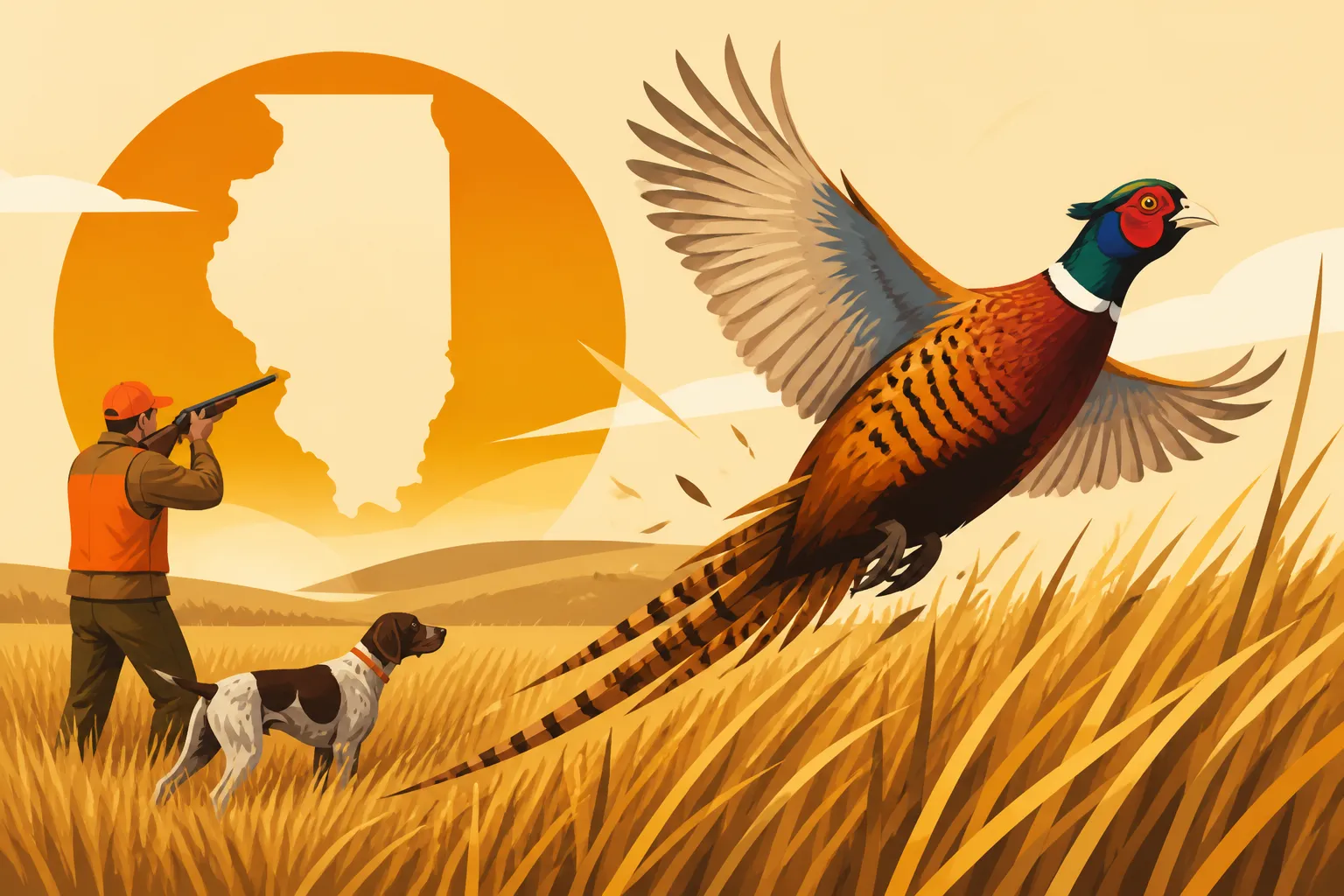
The thrill of a pheasant exploding from dense cover, the cackle echoing across a crisp Illinois field, is a memory many hunters chase. But for those new to the game, or even experienced hunters unfamiliar with dedicated upland hunting, finding those elusive ringnecks in Illinois grasslands can feel like searching for a needle in a haystack. Many folks get frustrated wondering where to start, what gear they truly need, or how to even approach vast expanses of prairie. This comprehensive guide aims to clear up that confusion, offering practical strategies and insights to help you successfully pursue pheasants in the diverse grasslands of Illinois.
Understanding Illinois Pheasant Habitat
Pheasants are creatures of habit, and their habits are dictated by the landscape. In Illinois, successful pheasant hunting hinges on understanding the specific types of grassland cover they favor, how they use different areas throughout the day, and the critical relationship between cover and food sources. It's not just about finding any patch of tall grass; it's about finding the right kind of tall grass, in the right place, at the right time.
The Ideal Grassland Cover
When we talk about "grassland" for pheasants in Illinois, we're usually referring to specific types of dense, often native, vegetation that provides crucial protection and nesting sites. Conservation Reserve Program (CRP) lands are often prime examples. These areas are specifically designed to reduce soil erosion and improve water quality, but they inadvertently create fantastic habitat for pheasants. They often feature a mix of warm-season grasses like switchgrass, big bluestem, and Indiangrass, sometimes mixed with cool-season grasses and various forbs. These tall, sturdy grasses offer excellent overhead cover from avian predators and thermal protection from harsh winds and snow, making them ideal roosting and loafing areas for pheasants.
Beyond CRP, genuine remnants of native prairie, while less common and often protected, are also perfect pheasant strongholds. More often, you'll find managed grasslands on public hunting areas that mimic these conditions. These dense stands are difficult for predators to navigate, making pheasants feel secure. When you're scouting, look for blocks of these tall, thick grasses that are at least knee-to-waist high, with enough density to make walking through them a real effort. These are the places where pheasants will hold tight, forcing a close flush. A good mapping tool, like those offered by GoHunt, can help you identify these specific cover types from aerial views, especially when looking for differences in vegetation density.
Edge Cover and Food Sources
Pheasants are rarely found far from food. While they spend their resting and nesting hours deep in dense grasslands, they venture out to feed, often preferring agricultural crops. This means that prime pheasant habitat almost always involves an "edge" where grassland meets cultivated fields. Think about fields of standing corn, cut corn stubble, soybean fields (especially those with some shatter), or even winter wheat. These provide vital calories, especially during colder months. The transitional areas between these food sources and dense cover are hotspots for pheasants, offering quick access to both safety and sustenance.
Fencerows, field edges, and brushy draws adjacent to grasslands and crop fields act as natural travel corridors and additional escape cover for pheasants. A pheasant that gets pushed out of a dense grass field might run along a fencerow before bursting out or diving into another patch of cover. During colder periods, pheasants will seek out pockets of heavier, brushy cover along these edges that offer even more thermal protection. Pay close attention to these interfaces; they are often where you'll get your best flushing opportunities, particularly early in the morning or late in the afternoon when birds are moving between roosting cover and feeding grounds. You can learn more about Pheasant Hunting a Fencerow Edge in a dedicated resource.
Water Sources and Winter Cover
While pheasants don't require open water daily like some other game birds, proximity to a reliable water source, such as small ponds, marshy areas, or even drainage ditches, can influence their patterns. During dry periods, they might seek out areas with dew or succulent vegetation for hydration. However, the more critical factor, especially as the season progresses into late fall and winter, is dense thermal cover.
When heavy snow falls or temperatures plummet, pheasants need cover that can insulate them from the elements and protect them from predators. The thickest, tallest stands of switchgrass, cattails in marshy areas, or dense brush thickets will become their sanctuary. These areas trap insulating snow and block frigid winds. If you're hunting late in the season, focusing on these specific types of dense, protective cover, especially those that have some topographical relief or are in sheltered depressions, will significantly increase your chances of finding birds that are bunched up trying to survive the cold. Understanding these dynamics is key to Illinois Pheasant Season and Stocking success as the weather changes.
Essential Gear for Grassland Pheasant Hunting
Stepping into the vast grasslands of Illinois in pursuit of pheasants isn't just about having a shotgun and some shells. It requires specific gear to keep you safe, comfortable, and effective. The right equipment can make the difference between an enjoyable, successful hunt and a frustrating, even dangerous, experience.
Shotguns and Ammunition Choices
For pheasant hunting, a 12-gauge or 20-gauge shotgun is generally preferred, with the 12-gauge being the most popular due to its versatility and shot payload. A pump-action or semi-automatic shotgun is reliable and allows for quick follow-up shots, which can be crucial on fast-flying pheasants. Over-under or side-by-side shotguns also have their place, offering two quick shots with different chokes.
When it comes to chokes, a modified or improved cylinder choke is an excellent all-around choice. Pheasants often hold tight in thick cover, leading to close-range flushes, where a more open choke performs well. However, they can also flush wild, necessitating a shot at a greater distance. A modified choke offers a good balance. As for ammunition, lead shot is generally allowed for upland birds in Illinois, but always double-check site-specific rules, as some public lands may require non-toxic shot. Shot sizes #4, #5, or #6 are ideal for pheasants, providing a good balance of pellet count and energy for clean kills. Patterning your shotgun with your chosen load before the season is always a smart move to understand its effective range.
Protective Clothing and Footwear
Walking through dense, often thorny, grassland cover for hours demands specialized clothing. Briar-proof or brush pants are an absolute must. These heavy-duty pants, often made of canvas or synthetic materials with reinforced fronts, will protect your legs from thorns, burrs, and abrasive grass, preventing painful scrapes and tears. A good upland vest or game strap is essential for carrying shells, water, a first-aid kit, and, hopefully, your harvested birds. These vests often have large game bags on the back and numerous pockets for accessories.
Blaze orange visibility is not just a good idea; it's a legal requirement in Illinois during certain hunting seasons, including firearm deer season, which often overlaps with upland seasons. Hunters must display at least 500 square inches of solid blaze orange, including a hat, while afield. Always consult the current Illinois Blaze Orange Requirements to ensure compliance. For your feet, comfortable, waterproof, and sturdy hunting boots are non-negotiable. You'll be covering miles over uneven terrain, through dew-soaked grass, and potentially across muddy spots. Look for boots with good ankle support and aggressive traction.
Navigation and Safety Tools
Getting lost in a vast expanse of grassland can happen easily, especially on an overcast day when landmarks are scarce. A reliable GPS device or a smartphone app with detailed mapping capabilities is invaluable. Products like GoHunt offer excellent mapping features that allow you to mark your vehicle, track your path, identify property lines, and locate specific cover types. Always download offline maps before heading out, as cell service can be spotty in remote areas. A traditional compass and a physical map are excellent backups.
Beyond navigation, a basic first-aid kit for both yourself and your dog is crucial. Minor cuts, scrapes, and thorn punctures are common. Carry plenty of water for yourself and your hunting dog, especially on warmer days or during long hunts. A whistle for dog communication, a knife, and perhaps a small headlamp for early morning starts or late evening finishes round out the essential safety tools. Always let someone know where you are hunting and when you expect to return.
Hunting Strategies for Illinois Grasslands
Pheasant hunting isn't typically a sit-and-wait game; it's an active pursuit that involves covering ground, understanding bird behavior, and often working collaboratively with other hunters or dogs. Developing effective strategies for different types of cover and group sizes can significantly increase your success rate.
Walking Techniques for Different Cover
The way you walk a field should change based on the cover density and size. In smaller, less dense patches of grass, a zig-zag pattern can be effective for a solo hunter with a dog, allowing you to cover the area thoroughly. The idea is to quarter the wind, allowing your dog to work scent effectively without getting too far ahead. Move slowly and deliberately, pausing occasionally. These pauses can often make a pheasant nervous enough to flush, even if it was holding tight.
For larger, denser blocks of cover, especially in public areas like those managed by the Illinois State Fish and Wildlife Areas, a more organized approach is often needed. If hunting with a group, forming a line and walking abreast, spaced roughly 10-20 yards apart, is common. This systematic approach helps ensure that all ground is covered. Walk into the wind if possible, as it allows your dog to scent birds better and generally causes flushed birds to fly into the wind, slowing them down slightly. Pheasants are notorious for running ahead of hunters, so maintaining a steady pace and being ready for a sudden flush is key. Don't be afraid to circle back or cut corners of fields, as running pheasants will often try to sneak out the side or back of an area you've already walked.
Blocking and Pushing Tactics
For groups of three or more hunters, blocking and pushing is a highly effective tactic, especially in rectangular or long, narrow strips of cover. This method leverages the pheasant's tendency to run rather than fly when pressured. Here’s how it works: one or two hunters, known as "blockers," position themselves silently at the far end of the cover, downwind or crosswind from the direction of the push. The remaining hunters, the "drivers," then spread out in a line at the opposite end and systematically walk through the cover, pushing the birds toward the blockers.
Communication is vital for safety in this scenario. Everyone needs to know where others are at all times, especially the blockers. Shots should only be taken at birds flying away from the line of drivers or at safe angles that do not endanger anyone. The idea is for the running pheasants to eventually reach the end of the cover, only to find their escape route blocked, forcing them to flush within range of the waiting blockers. This strategy works particularly well on longer strips of Illinois Pheasant Habitat Area Access that border larger open fields or other sparse cover.
Solo Hunting and Stealth
While group hunts are popular, many hunters enjoy the challenge and solitude of solo pheasant hunting, often accompanied by a single dog. This approach demands a different mindset, favoring stealth, patience, and a deep understanding of pheasant behavior. Without the benefit of multiple guns and a wide front, you'll need to focus on smaller, isolated pockets of cover, or work the edges of larger fields more meticulously.
When hunting solo, move slowly and deliberately. Observe the cover for any signs of movement or recent activity. Pay close attention to wind direction, allowing your dog to work the scent cone effectively. Work into the wind whenever possible. Often, a solo hunter will focus on working the "corners" of fields or following natural contours of the land, as these are areas where pheasants might hold tight. Being quiet and making frequent, short pauses can often be enough to make a nervous pheasant flush, giving you a shot. This method can be incredibly rewarding, as it forces you to become more attuned to the nuances of the landscape and the subtle signs of game.
Working with Dogs: The Heart of Pheasant Hunting
For many, pheasant hunting isn't truly complete without the companionship and skill of a good bird dog. These incredible animals elevate the experience, transforming a walk in the field into a dynamic dance of scent, instinct, and teamwork. Whether you prefer a flusher or a pointer, a well-trained dog is an invaluable asset in the grasslands of Illinois.
Flushers vs. Pointers
The two main categories of pheasant dogs are flushers and pointers, and each brings a distinct style to the hunt. Flushers, like Labrador Retrievers, English Springer Spaniels, and Cocker Spaniels, are bred to work within gun range, systematically pushing through cover to "flush" birds into the air for the hunter. Their strength lies in their tireless drive and exceptional retrieving abilities. A good flusher will quarter the field in front of you, covering every inch of ground, until it catches scent and busts the bird out. Labs are particularly popular in Illinois due to their cold tolerance and retrieving prowess, making them dual-purpose dogs for both upland and waterfowl.
Pointers, such as German Shorthaired Pointers, English Pointers, and Brittanys, operate differently. These dogs range wider, covering more ground in search of scent. Once they locate a bird, they "point"—freezing rigidly, indicating the bird's precise location. This allows the hunter to walk in, prepare for the shot, and flush the bird themselves. Pointers often allow for a more controlled flush and can cover expansive grasslands quickly, but they require more training to hold their points and honor other dogs. The choice between a flusher and a pointer often comes down to personal preference, hunting style, and the type of cover you typically hunt. You can find more specific insights by checking out Running Pointing Dogs on Illinois Pheasants.
Training and Handling in the Field
Regardless of the breed, a well-trained dog is paramount for a safe and successful pheasant hunt. Basic obedience commands like "heel," "sit," "stay," and "come" are the foundation. Beyond that, specialized training for bird dogs includes "whoa" (to stop instantly), quartering patterns (working back and forth in front of the hunter), and retrieving to hand. Consistency in training is key, both at home and in simulated field conditions.
In the field, effective handling involves constant communication. Use a whistle for long-distance commands and your voice for closer work. Pay attention to your dog's body language; a subtle change in gait or an intense sniffing pattern can indicate they've hit a scent trail. Trust your dog's nose – they often know where the birds are long before you do. Patience is also essential. Young dogs will make mistakes, and even experienced dogs can have off days. Reinforce positive behaviors and correct undesirable ones calmly but firmly.
Dog Safety and Care
Your hunting dog is a vital partner, and their safety and well-being should always be a top priority. Hydration is crucial, especially on warmer days or during strenuous hunts. Carry a collapsible water bowl and plenty of water, offering it frequently. Overheating is a serious risk; watch for excessive panting, lethargy, or stumbling. If a dog starts to overheat, get them to shade, cool them with water, and consider ending the hunt.
Protecting their paws from rough terrain, burrs, and thorns is also important. Paw balm or protective booties can be beneficial. After the hunt, inspect your dog thoroughly for ticks, burrs, cuts, or abrasions. Ticks are prevalent in Illinois grasslands and can transmit diseases. A good quality tick preventative is a must. Lastly, ensure your dog is up-to-date on all vaccinations and has any necessary health clearances. A small first-aid kit specifically for dogs, including wound cleaning supplies and paw treatment, is a smart addition to your pack.
Public vs. Private Land Opportunities
Finding land to hunt pheasants in Illinois can be one of the biggest challenges for hunters. While the state offers some excellent public land opportunities, private land often holds the highest densities of birds. Understanding the nuances of both can help you maximize your chances of a successful hunt.
Illinois IDNR Pheasant Habitat Areas
The Illinois Department of Natural Resources (IDNR) manages several sites specifically for pheasant hunting, often referred to as Controlled Pheasant Hunting Areas or Pheasant Habitat Areas. These areas are typically stocked with pheasants throughout the season to provide hunting opportunities, particularly for those without access to private land or extensive wild populations. Sites like Des Plaines State Fish and Wildlife Area, Jim Edgar Panther Creek State Fish and Wildlife Area, and Wayne Fitzgerrell State Recreation Area are popular examples.
Hunting on these sites often requires special permits, reservations, or daily fees. The season dates and bag limits might also differ from the statewide regulations. For instance, you might need to apply for a permit in advance through an online lottery system, or purchase a daily permit on-site. Always check the specific regulations for each site you plan to hunt, as rules can vary greatly. The Illinois DNR Map Tool is an excellent resource for identifying these areas and understanding their unique requirements. These stocked areas can be a great way to introduce new hunters to pheasant hunting or for experienced hunters to get consistent action.
Gaining Access to Private Land
While public lands provide opportunities, many of the best pheasant hunting experiences in Illinois occur on private land. Farmers and landowners often have prime habitat in the form of CRP fields, unharvested food plots, and brushy fencerows. Gaining access to private land usually involves asking for permission, which can feel intimidating but is often simpler than you think. Start by respectfully approaching landowners, explaining your intentions, and offering to share some of your harvest or help with small chores. Building a relationship based on trust and respect is key.
Many landowners are concerned about liability, so some hunters offer to sign a liability waiver. Carrying your Illinois Hunting Licenses and What They Cost and showing proof of insurance (if you have it) can sometimes help. Some hunters also secure hunting leases, either individually or as part of a group, which grants exclusive access to a property for a fee. While this is a more significant financial commitment, it can provide consistent, high-quality hunting opportunities. Remember that Illinois Trespass and Permission Law dictates that you must have permission to hunt private land, and respecting boundaries and property is paramount.
Controlled Pheasant Hunting Areas
In addition to the IDNR-managed areas, Illinois also has a number of private controlled pheasant hunting areas or preserves. These are commercial operations where pheasants are raised and released specifically for hunting. They often offer various packages, including guided hunts, dog rentals, and cleaning services. These preserves provide a highly convenient way to hunt pheasants, guaranteeing bird encounters, and can be an excellent option for corporate outings, beginners, or hunters who want to ensure a productive day afield.
While hunting on a preserve offers a different experience than pursuing wild birds, it can still be challenging and fun. The birds often fly strong, and the camaraderie of a guided hunt can be very enjoyable. These operations often have longer seasons than the statewide public land season, providing more flexibility. When considering a preserve, research their reputation, bird quality, and overall hunting experience. Some well-regarded operations often have excellent habitat development that mimics natural conditions, providing a more authentic experience than simply turning birds out in a field.
Season Considerations and Bag Limits
Understanding the season dates, daily limits, and licensing requirements is crucial for any pheasant hunter in Illinois. These regulations are designed to manage the pheasant population responsibly and ensure sustainable hunting opportunities for everyone.
Key Season Dates and Open Periods
The statewide pheasant season in Illinois typically opens in early November and runs through early January. However, these dates can vary slightly year-to-year, and it's absolutely essential to consult the current Illinois Department of Natural Resources (IDNR) Hunting & Trapping Digest for the exact opening and closing dates. Furthermore, some specific public hunting sites, particularly the controlled pheasant hunting areas, may have their own unique season structures, which can sometimes extend beyond the statewide dates or begin earlier. Always cross-reference the statewide regulations with any site-specific rules for the areas you plan to hunt.
Remember that these dates often overlap with other popular hunting seasons, like firearm deer season. During these overlaps, increased hunter density, particularly in public areas, might be a factor. Awareness of other hunters and adherence to safety protocols, especially regarding blaze orange, becomes even more critical. Keep an eye on weather patterns too, as cold fronts and snow can drastically change pheasant behavior and make some dates more productive than others.
Daily and Possession Limits
For pheasants in Illinois, the daily bag limit is generally two cock pheasants, and the possession limit is four cock pheasants. It's important to differentiate between "daily" and "possession." The daily limit refers to the maximum number of birds you can harvest in a single day, regardless of how many days you hunt. The possession limit refers to the maximum number of birds you can have in your possession at any given time, including those at your home or camp.
These limits are strictly enforced, and exceeding them can result in fines and penalties. If you're hunting on a controlled pheasant hunting area, the bag limits might differ, often allowing for a higher daily take due to the stocked nature of the birds. Again, always confirm the specific regulations for the area you are hunting that day. When hunting in a group, ensure each hunter is aware of and abides by their individual bag limit.
Permits and License Requirements
Before you even step foot in an Illinois grassland with a shotgun, you need to ensure you have all the necessary permits and licenses. First and foremost, you'll need a valid Illinois Resident License Options or Nonresident Hunting License. On top of that, every hunter pursuing upland game birds, including pheasants, is required to purchase an Illinois State Habitat Stamp. This stamp directly funds habitat restoration and wildlife management efforts across the state.
Additionally, if you plan to hunt migratory game birds (which pheasants are not, but it's good to know for other species like doves or waterfowl), you would also need to register for the Harvest Information Program (HIP). For pheasant hunting specifically, simply having your valid hunting license and the habitat stamp is usually sufficient for statewide regulations. However, if you're hunting on a public site with special rules or a controlled hunting area, there might be additional permits or reservations required, so always check those specific rules well in advance of your hunt. Always carry proof of your licenses and permits while afield.
| Dog Breed | Type | Pros for Pheasant Hunting | Cons for Pheasant Hunting |
|---|---|---|---|
| Labrador Retriever | Flusher | Excellent nose, tireless, strong retriever, handles cold water, generally biddable. | Can be overly enthusiastic, may bump birds out of range if not trained. |
| English Springer Spaniel | Flusher | High energy, great nose for flushing close, excellent retriever, compact size. | Can be "busy" and require consistent training, prone to running if untrained. |
| German Shorthaired Pointer | Pointer | Wide range, excellent nose, stylish point, good retriever, versatile. | Requires significant exercise, can be headstrong, needs consistent pointing training. |
| Brittany | Pointer | Compact size, good range, strong point, intelligent, biddable. | Can be sensitive, sometimes slower to mature than other pointers, requires consistent handling. |
| English Setter | Pointer | Graceful, excellent nose, methodical worker, beautiful point, good stamina. | Can have a wider range, requires patient training, prone to matting in burrs. |
| Vizsla | Pointer | Intelligent, biddable, energetic, "velcro" dog, good nose, quiet. | Can be sensitive to cold, high energy needs, needs consistent socialization. |
Disclaimer
The information provided in this guide is for general informational purposes only and does not constitute legal advice. Hunting regulations, season dates, and permit requirements are subject to change. Always consult the official Illinois Department of Natural Resources (IDNR) Hunting & Trapping Digest or their official website for the most current and accurate regulations before engaging in any hunting activities. It is the hunter's responsibility to know and obey all applicable laws and regulations.