Illinois Copperhead Encounters Afield
Stepping into the Illinois outdoors, whether it's for chasing whitetails in the timber or calling in a spring gobbler, is a true privilege. But let's be honest, there's always that little voice in the back of your head, especially when you're pushing through thick brush or setting up a ground blind in a rocky area, wondering what might be slithering around. Copperheads are a real, albeit uncommon, concern for hunters and outdoor enthusiasts in parts of Illinois, and knowing how to identify them, avoid them, and react if you have an unfortunate encounter is crucial for your safety and peace of mind. This comprehensive guide will walk you through everything you need to know about Illinois copperheads to ensure your time afield is both enjoyable and safe.
Understanding Illinois Copperheads: Identification and Habitat
It's natural to feel a bit of a shiver when you think about venomous snakes, but knowledge is your best defense. The more you understand about copperheads, the less likely you are to be caught off guard. Proper identification and knowing their preferred hangouts can make all the difference.
Key Identification Features
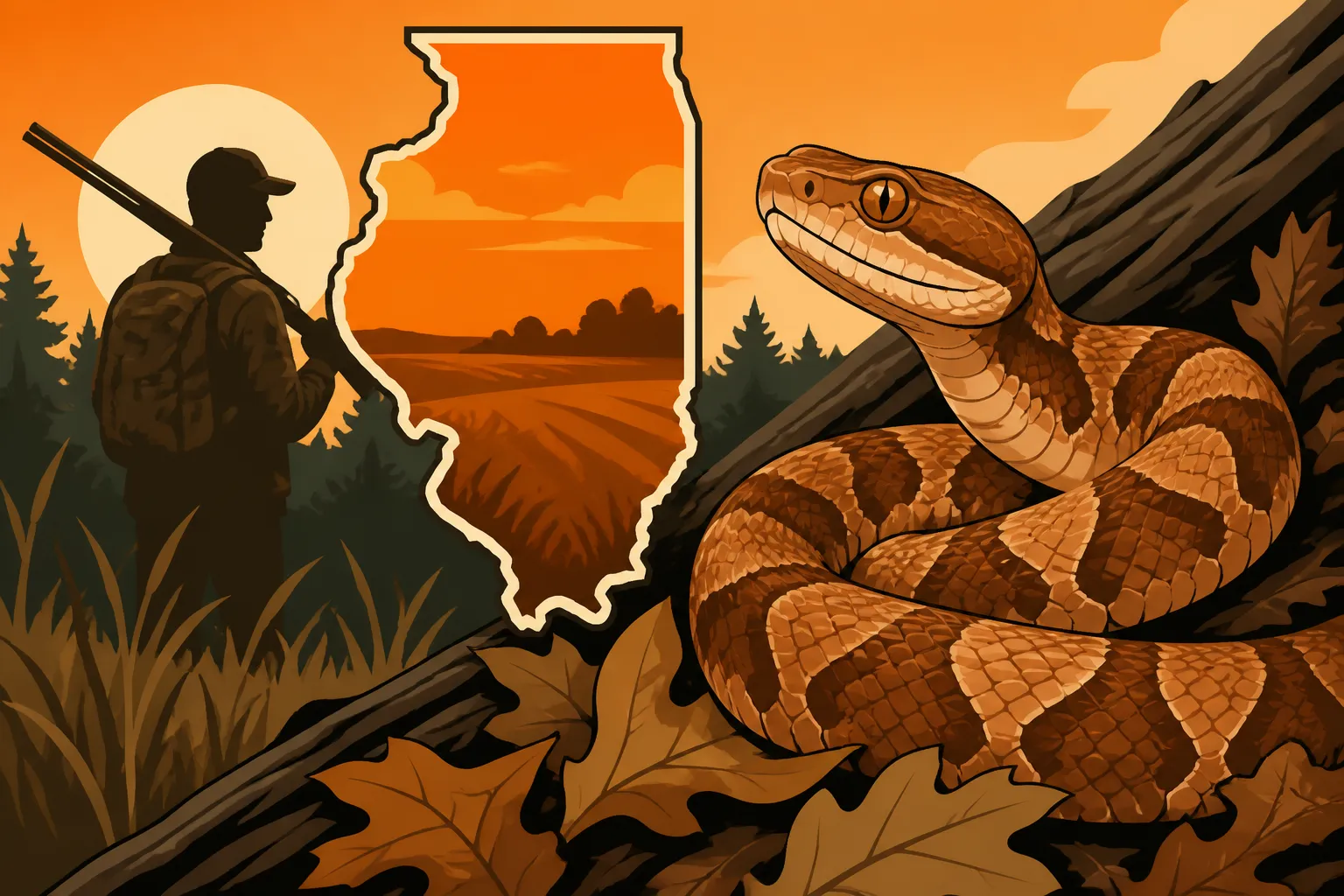
The copperhead (Agkistrodon contortrix) is one of Illinois's venomous snakes, and thankfully, it's generally not as aggressive as some other pit vipers. However, their camouflage is exceptional, making them notoriously hard to spot against fallen leaves or rocky terrain. The key to identifying a copperhead lies in a few distinct features:
- Coloration and Pattern: Copperheads typically have a pale tan to pinkish-tan body color, overlaid with darker, rich brown or reddish-brown hourglass-shaped crossbands. These bands are usually narrower at the top (dorsal side) and wider at the bottom (ventral side), creating that distinct hourglass look. The base color can lighten or darken depending on their environment and recent shed.
- Head Shape: Like all pit vipers, copperheads have a broad, somewhat triangular-shaped head, distinctly wider than their neck. This houses their venom glands. Their heads are often coppery-red, which is how they get their name.
- Pupils: If you can safely get close enough to see (and frankly, you shouldn't be that close), copperheads have vertical, elliptical pupils, similar to a cat's eye. Non-venomous snakes in Illinois typically have round pupils.
- Heat-Sensing Pits: Another characteristic of pit vipers, though not easily visible from a safe distance, is the presence of heat-sensing pits located between their eyes and nostrils. These allow them to detect warm-blooded prey.
It's really easy to mistake a harmless snake for a copperhead, especially when your adrenaline is pumping. Snakes like the Eastern hognose, northern water snake, and even some rat snakes can have patterns that, in a quick glance, might resemble a copperhead's. Remember, when in doubt, give it space.
Where Copperheads Live in Illinois
Copperheads aren't found throughout the entire state of Illinois. Their range is primarily concentrated in the southern third of the state, though isolated populations can occur further north, particularly along river systems. You'll find them more commonly in the Shawnee Hills region and other timbered, rocky areas.
Their preferred habitats include:
- Wooded Hillsides and Rocky Outcrops: These provide excellent cover, denning sites, and ambush points for prey. Think about those steep, timbered ridges you might still-hunt or follow while Reading a Ridge for Shawnee Forest Deer.
- River Bottoms and Floodplains: Areas near streams, creeks, and rivers with dense vegetation, fallen logs, and leaf litter offer both food sources and concealment. If you're hunting Illinois River Bottom Funnels or traversing low-lying areas, keep an extra vigilant eye.
- Abandoned Structures and Woodpiles: Old barns, decaying cabins, rock walls, and piles of lumber or firewood offer shelter and hunting grounds. Always exercise caution when reaching into or disturbing such areas.
- Edges of Fields and Forests: The transition zones where woods meet fields, especially those with brushy fence rows or rock piles, are prime habitat.
During the warmer months, especially from late spring through early fall, copperheads are most active. They often bask in sunny spots in the morning or late afternoon and hunt during cooler parts of the day or night. As temperatures drop, they'll seek out dens, often communal, in rocky crevices or underground burrows to overwinter.
Reducing Your Risk: Prevention and Awareness in the Field
While encountering a copperhead can be startling, with proper preparation and awareness, you can significantly reduce your risk. It's all about being proactive and thoughtful about how you move through their territory.
Gear Up Smart
Your choice of hunting gear isn't just about comfort or camouflage; it's also about protection. When you know you're in copperhead country, investing in some specific items can literally be a lifesaver.
- High-Top Boots: Sturdy, high-top hunting boots offer a first line of defense. They protect your ankles and lower shins from accidental strikes. Make sure they're durable and in good condition.
- Snake Gaiters or Chaps: These are probably the single most effective piece of personal protective equipment against snakebites. Made from tough materials like canvas, Cordura, or polycarbonate, they cover your lower legs from the ankle to just below the knee. They're not always comfortable, especially on a hot early-season bowhunt, but they are a fantastic layer of security when you're busting brush or walking through tall grass. Think about them if you're navigating dense areas when Scouting Illinois Public Land Before Season or during an early turkey period.
- Thick Pants: Even without gaiters, wearing heavy-duty denim, canvas, or brush pants provides more protection than lightweight hunting pants. A snake's fangs might not penetrate multiple layers of tough fabric as easily.
It’s an extra layer, an extra expense sometimes, but compared to the pain, expense, and potential long-term effects of a venomous snakebite, it’s a wise investment for peace of mind.
Mind Your Steps and Hands
Most snakebites occur when a person accidentally steps on, or reaches near, a camouflaged snake. Copperheads, especially, are masters of blending in. Being constantly aware of your surroundings is paramount.
- Look Before You Step: This is the golden rule. Whether you're walking through timber, stepping over a log, or crossing a creek, always look where you're putting your feet. Pay extra attention when you can't see the ground clearly, like in tall grass, heavy leaf litter, or dense undergrowth. When you're trying to sneak silently while Still-Hunting Southern Illinois Ridges, it's a balance, but caution is key.
- Look Before You Sit or Lean: Before you sit down against a tree, lean against a log, or take a break on a rock, visually inspect the area. Snakes love to hide in cool, shaded spots.
- Reach with Caution: Never put your hands into holes, under rocks, or into thick brush without looking first. This is especially important if you're retrieving downed game, picking up shed antlers, or gathering firewood. Use a stick or your boot to probe uncertain areas.
- Use Tools Wisely: A trekking pole or a walking stick can be invaluable for probing ahead on the trail, moving brush aside, or checking potential resting spots without putting your hands or feet directly into harm's way. When planning your routes or scouting areas, a reliable mapping tool like GoHunt can help you identify areas with rocky terrain or dense vegetation where snakes might be more prevalent, allowing you to plan your movements accordingly.
Seasonal and Daily Activity
Understanding when and where copperheads are most active can help you adjust your behavior.
- Warm Weather: Copperheads are most active when temperatures are between 70 and 90 degrees Fahrenheit. This means spring, summer, and early fall are peak times for encounters. Be particularly vigilant during the Hunting the First South Zone Turkey Period when temperatures are often rising, and snakes are emerging from hibernation.
- Dusk and Dawn: Like many snakes, copperheads are often more active during the cooler parts of the day – early morning and late evening – especially during the summer heat. They are also known to hunt at night.
- After Rain: Snakes sometimes become more active after a rain shower, as prey may be out, and the ground is cooler.
- Sunlight vs. Shade: They will seek out sunny spots to bask and regulate their body temperature, but in the heat of midday, they'll often retreat to cool, shady areas under logs, rocks, or dense vegetation. These are the same places a big buck might bed, so always be alert.
By combining smart gear choices, constant vigilance, and an understanding of their behavior, you can significantly minimize your chances of an unwanted encounter.
What to Do During and After a Copperhead Encounter
Even with the best precautions, wildlife encounters happen. Knowing how to react calmly and correctly during and after a copperhead sighting or bite is critical. Panic can often make a bad situation worse.
The Immediate Reaction
If you come across a copperhead, your primary goal is to ensure your safety and avoid provoking the snake.
- Freeze and Assess: Your instinct might be to jump or run, but a sudden movement could provoke a strike. Instead, freeze in place. Locate the snake and assess its position relative to yours.
- Slowly Back Away: Once you've located the snake, slowly and calmly back away from it. Do not make any sudden moves. Give the snake plenty of space. Copperheads generally prefer to flee or remain motionless rather than strike, but they will defend themselves if they feel threatened.
- Do NOT Provoke: Never try to pick up, poke, or harm a snake, even if you think it's dead. Many bites occur when people try to interact with or remove a snake. A "dead" snake can still strike by reflex.
- Alert Others: If you're hunting with a partner or in a group, quietly alert them to the snake's presence so they can also avoid it.
Remember, most snakes are not aggressive; they simply want to be left alone. A strike is almost always a defensive action when they feel cornered or threatened.
If a Bite Occurs
While rare, a copperhead bite is a serious medical emergency. Knowing what to do (and what not to do) immediately after a bite can impact the outcome.
DO:
- Stay Calm: This is easier said than done, but panic increases heart rate, which can spread venom more quickly. Try to breathe deeply and remain as still as possible.
- Remove Constrictive Items: Take off any rings, watches, or tight clothing near the bite site, as swelling will occur rapidly.
- Immobilize the Limb: Keep the bitten limb still and, if possible, position it at or below the level of your heart. You can use a splint or sling if available and you can do so without causing further movement.
- Clean the Wound: Gently wash the bite area with soap and water if available, or at least clean water.
- Seek Medical Attention Immediately: This is the most critical step. Call 911 or your local emergency number right away. If you have cell service, use a mapping app like GoHunt to pinpoint your exact location for rescuers. Describe the snake if you saw it clearly, but don't waste time trying to catch or kill it.
DO NOT:
- Do NOT Apply a Tourniquet: This can cut off blood flow and cause more damage to the tissue.
- Do NOT Cut the Wound or Try to Suck Out Venom: These methods are ineffective and can introduce infection.
- Do NOT Apply Ice or Heat: Neither helps, and ice can worsen tissue damage.
- Do NOT Drink Alcohol or Take Pain Killers: These can thin the blood or mask symptoms, complicating medical treatment.
- Do NOT Try to Catch or Kill the Snake: This risks another bite and wastes precious time needed for medical care.
Copperhead venom is hemotoxic, meaning it primarily affects blood and tissue, causing pain, swelling, and sometimes tissue damage. While rarely fatal to healthy adults, a bite requires prompt medical attention to minimize damage and ensure proper recovery.
Post-Bite Medical Care
Once you reach a medical facility, healthcare professionals will evaluate the bite. They will monitor your symptoms, vital signs, and the progression of swelling.
- Antivenom: If necessary, they may administer antivenom (CroFab is common for pit viper bites). The decision to use antivenom is based on the severity of symptoms, not just the bite itself, as antivenom has its own risks.
- Pain Management: Pain can be significant, so pain medication will likely be prescribed.
- Wound Care: The bite site will be carefully managed to prevent infection and promote healing.
- Rehabilitation: Depending on the severity of the bite and tissue damage, physical therapy or rehabilitation may be necessary during recovery. Full recovery can take weeks or even months.
Dispelling Myths and Fostering Coexistence
Fear of snakes is often rooted in misunderstanding. By separating fact from fiction and appreciating their role in the ecosystem, we can all contribute to safer and more harmonious outdoor experiences.
Common Copperhead Misconceptions
It's easy to fall for old wives' tales or exaggerated stories when it comes to venomous snakes. Let's clear up a few common myths about copperheads:
- Myth: Copperheads are aggressive and will chase you.
- Fact: Copperheads are generally quite reclusive. They are ambush predators and prefer to stay camouflaged and still when approached. They will only strike if they feel directly threatened, stepped on, or handled. Running away from you is their first choice, not chasing.
- Myth: All copperhead bites are "dry bites" or not serious.
- Fact: While it's true that snakes can sometimes deliver a "dry bite" (no venom injected) or a bite with a reduced amount of venom, you should always treat any suspected venomous snakebite as serious and seek immediate medical attention. You cannot tell if venom was injected just by looking at the wound.
- Myth: Baby copperheads are more dangerous than adults.
- Fact: Young copperheads are born with fully functional venom glands and fangs and are capable of delivering a venomous bite. However, they don't necessarily inject more venom than adults. Adult snakes have a larger supply of venom. Bites from both young and old copperheads should be treated with the same urgency.
- Myth: Copperheads always rattle their tail or hiss before striking.
- Fact: Unlike rattlesnakes, copperheads do not have a rattle. While they may sometimes vibrate their tail in dry leaves to mimic a rattle as a warning, it's not a consistent behavior. They are often silent and rely on their camouflage. Expect no warning.
Respecting Wildlife, Even the Venomous Kind
Every creature has its place in the complex web of nature, and copperheads are no exception. They play a vital role in controlling rodent populations, which can impact agricultural crops and disease vectors.
- Their Place in the Ecosystem: As predators, copperheads help maintain balance in their habitat. They consume mice, voles, small birds, and insects, keeping these populations in check.
- We Are Visitors: When we venture into the woods, especially to pursue game like White-Tailed Deer Across Illinois or Wild Turkeys in Illinois, we are guests in their home. It's our responsibility to be aware, respectful, and minimize our impact.
- Coexistence Through Awareness: The best approach is not to eradicate them, but to learn how to coexist safely. This means being educated, taking precautions, and reacting appropriately when an encounter occurs. Enjoy the thrill of the hunt, but always keep an eye out for the other inhabitants of the Illinois wilderness.
By understanding these fascinating, yet sometimes intimidating, creatures, we can better appreciate the diverse ecosystems Illinois offers and continue to enjoy our hunting adventures safely. For instance, when planning a scouting trip, GoHunt's satellite imagery can help you identify rocky, timbered areas that are likely copperhead habitat, allowing you to prepare with appropriate footwear and an extra dose of caution.
Here’s a quick comparison of copperheads with some common non-venomous look-alikes in Illinois:
| Feature | Copperhead (Venomous Pit Viper) | Eastern Hognose Snake (Harmless) | Northern Water Snake (Harmless) |
|---|---|---|---|
| Head Shape | Broad, triangular, distinct neck | Broad, somewhat shovel-shaped snout, but less distinct neck | Moderate, not distinctly triangular |
| Pupils | Vertical, elliptical (cat-like) | Round | Round |
| Body Pattern | Hourglass-shaped crossbands (darker brown/red on lighter tan) | Blotchy pattern (variable, often dark spots on lighter brown/tan), can puff up and flatten head | Dark crossbands/blotches on a lighter background, often wet/muddy |
| Coloration | Coppery-red head, tan to pinkish-tan body | Variable (gray, brown, olive, yellow), often with patterned scales | Brown, gray, or reddish, often with darker bands |
| Behavior | Often freezes, may vibrate tail, bites defensively | "Plays dead," hisses loudly, flattens head, rarely bites | Very aggressive when cornered, bites repeatedly, excretes musk |
| Heat Pits | Present (between eye and nostril) | Absent | Absent |
| Habitat Focus | Rocky, wooded hillsides, river bottoms, dense cover | Sandy soils, open woodlands, fields | Near water (ponds, lakes, rivers, marshes) |
Disclaimer
This article is for general informational purposes only and does not constitute professional advice. Laws, prices and regulations vary by location and change over time. Consult a qualified professional for guidance on your specific situation.