How Many Ducks Winter on the Illinois River
The majestic Illinois River Valley, a jewel in our state's heartland, has long been revered as a critical wintering ground for waterfowl. For hunters and conservationists alike, the question of "how many ducks" annually find solace on its waters is a constant source of discussion and a complex ecological puzzle. This guide delves into the factors that draw ducks here, how these populations are monitored, and why arriving at a definitive, static number is far more challenging than it might seem, offering insights into the incredible dynamics of this vital ecosystem.
The Illinois River Valley: A Waterfowl Haven
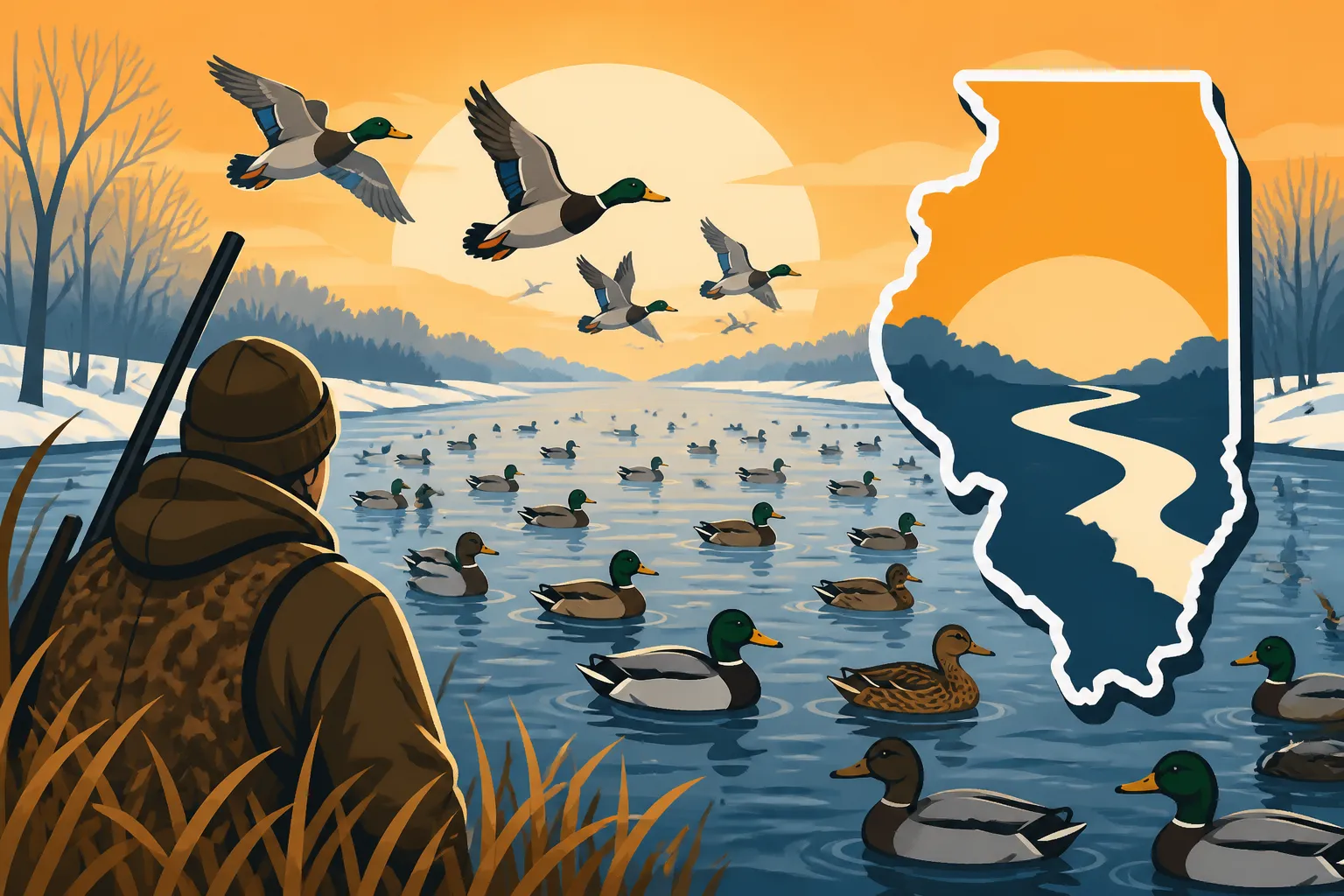
The Illinois River isn't just a waterway; it's a superhighway and a vital rest stop on the Mississippi Flyway. For thousands, even hundreds of thousands, of ducks, it represents a crucial destination where they can find sanctuary, forage, and recharge during their arduous migration south. Understanding its unique appeal is key to grasping the scale of its importance.
Habitat and Food Sources for Wintering Ducks
What makes the Illinois River so irresistible to ducks looking for a winter home? It's a combination of diverse and abundant habitats. The river itself, with its sprawling backwaters, oxbow lakes, and associated wetlands, provides vast areas of sheltered water. These areas offer protection from strong winds and harsh weather, a critical factor for ducks trying to conserve energy in the colder months. Beyond the open water, the surrounding bottomland hardwoods, flooded timber, and agricultural fields offer a smorgasbord of caloric delights. Ducks, especially mallards, are huge fans of waste grain in harvested corn and soybean fields, which are plentiful throughout the river valley.
Think about a late November morning after the corn has been picked. A large flock of mallards might spend the night on a quiet backwater, hidden in the timber. As the sun rises, they'll lift off, perhaps 500 strong, and fly to a nearby cut cornfield to feed voraciously, packing on the energy reserves they need to survive the winter. These consistent food sources are what make the Illinois River a reliable destination year after year. The availability of diverse forage—from submerged aquatic vegetation in the calmer waters to acorns in flooded timber and the ever-present waste grain—creates an irresistible buffet.
The Mississippi Flyway Connection
The Illinois River's significance can't be overstated when you consider its position along the Mississippi Flyway. This flyway is one of four major migratory bird routes in North America, acting as an avian superhighway stretching from the Arctic tundra down to the Gulf of Mexico. The Illinois River Valley serves as a critical stopover and wintering area, particularly for ducks migrating from the prairie pothole regions of Canada and the northern United States. As ducks head south, they instinctively follow river systems and large bodies of water. The Illinois River, connected to the mighty Mississippi, provides a clear path and a familiar landmark.
Imagine thousands of ducks, flying day after day, burning through energy. They're looking for predictable, safe places to land, rest, and feed. The Illinois River offers exactly that, guiding them further south to warmer climates, but often providing enough sustenance that many choose to stay as long as open water and food allow. This strategic location means that the number of ducks wintering here is directly tied to broader migratory patterns and conditions far to the north, creating a complex web of influences that ultimately determine how many birds settle in for the season. You can learn more about this incredible migration in Illinois Waterfowl on the Mississippi Flyway.
Historical Significance of Illinois River Wintering Grounds
The Illinois River has been a waterfowl stronghold for centuries, long before modern hunting seasons or conservation efforts. Historical accounts from early settlers and Native American tribes describe immense flocks of ducks and geese covering the river and its vast floodplains, a testament to the area's enduring ecological richness. It was, and still is, a landscape defined by water and wetlands, a natural magnet for birds.
In the late 19th and early 20th centuries, market hunting put immense pressure on these populations, but even then, the sheer numbers of birds that used the Illinois River were staggering. This historical context highlights that the river's current importance isn't a new phenomenon but a continuation of its role as a fundamental part of the continental waterfowl ecosystem. While some habitats have changed due to human activity, the core appeal of the river—its hydrology, fertility, and strategic location—remains, continuing to draw generation after generation of migrating and wintering ducks.
The Dynamic Nature of Wintering Duck Populations
Pinpointing an exact number of ducks wintering on the Illinois River is like trying to count raindrops in a thunderstorm – it's constantly changing. The population is incredibly fluid, influenced by a myriad of environmental factors that shift not just annually, but even week to week, or day to day.
Weather Patterns and Ice Formation
Without a doubt, the single biggest factor dictating how many ducks truly winter on the Illinois River is the weather, specifically cold temperatures and ice formation. Ducks need open water to rest and escape predators. As winter progresses and temperatures plummet, large sections of the river, especially backwater lakes and shallow sloughs, begin to freeze solid. When this happens, ducks have only two choices: find remaining open water or push further south.
Consider a mild Illinois winter where temperatures hover just above freezing well into January. You'll likely see a massive concentration of ducks, particularly mallards, staying put, enjoying the abundant food and accessible water. However, if a brutal cold front rolls through in mid-December, dropping temperatures into the single digits and locking up most water bodies with thick ice, those birds will be gone almost overnight. They'll head towards warmer areas, perhaps to the lower Mississippi River or even the Gulf Coast. So, the number of ducks at any given moment is a direct reflection of the current and forecasted weather conditions. Cold-Weather Sitting Strategy in Illinois can offer insights into how hunters adapt to these changes.
Food Availability and Pressure
While the Illinois River Valley is renowned for its food sources, the actual availability can fluctuate significantly. This isn't just about whether cornfields have been harvested, but also about how much waste grain remains after initial feeding, how much has been covered by snow, or how accessible aquatic vegetation is. Heavy hunting pressure can also deplete food sources in specific areas, pushing birds to new locations.
Imagine a scenario where thousands of ducks have been feeding in a particular cut cornfield for weeks. Over time, they'll clean up a good portion of the waste grain. If hunting pressure is also high in that immediate vicinity, making the ducks feel constantly disturbed, they might move to a less pressured area, even if the food isn't quite as abundant. This continuous dynamic of seeking food and security drives their movements. Good scouting, perhaps using mapping resources like GoHunt, can help identify areas with less pressure and more available food, which is where the ducks will likely concentrate.
Hunting Pressure and Human Disturbance
Let's be realistic: the Illinois River is a famous waterfowl hunting destination, which means hunting pressure is a major factor. While hunters account for only a portion of duck mortality, the constant presence of blinds, calls, and gunshots can absolutely influence where ducks choose to spend their time, especially during daylight hours. Ducks are smart; they learn quickly where they feel safe and where they don't.
Think about a prime piece of public hunting land with excellent habitat. If it's hammered every weekend by dozens of hunters, those birds will often become nocturnal feeders, leaving their safe roosts at night to feed and returning before dawn. Or, they might completely abandon that area for less disturbed sanctuaries, even if the food isn't quite as good. This behavior directly impacts what observers and hunters might count during daylight hours. Therefore, even if hundreds of thousands of ducks are using the larger Illinois River ecosystem, their distribution and visibility are heavily influenced by the level of human activity. Understanding these patterns is critical for successful hunting, as detailed in Hunting Illinois River Valley Diving Ducks.
Methods for Estimating Wintering Duck Numbers
Given the constantly shifting nature of waterfowl populations, how do biologists and wildlife managers even begin to estimate how many ducks winter on the Illinois River? It's a combination of science, historical data, and a good dose of boots-on-the-ground (or wings-in-the-air) effort.
Aerial Surveys and Their Limitations
The primary method for estimating large waterfowl populations, especially over vast areas like the Illinois River Valley, is through aerial surveys. Biologists fly fixed transects over known wintering grounds, systematically counting ducks they observe from the air. These surveys are typically conducted by state wildlife agencies, like the Illinois Department of Natural Resources (IDNR), and federal agencies, such as the U.S. Fish and Wildlife Service (USFWS). These surveys are invaluable for providing broad-scale population trends and distribution data. They offer a snapshot across a large area, helping to track overall numbers through the winter.
However, aerial surveys have inherent limitations. Firstly, they are snapshots in time. A count taken one week might be wildly different from a count taken the following week due to weather changes or hunting pressure. Secondly, visibility can be an issue. Dense fog, heavy snow, or even birds hidden deep in flooded timber or thick marsh vegetation can lead to undercounts. Furthermore, accurately identifying species from a fast-moving aircraft requires highly skilled observers. While these surveys give us the best estimates and allow us to identify long-term trends in Illinois Duck Harvest Numbers and Illinois Mallard and Wood Duck Numbers, they rarely provide an exact, comprehensive census of every single duck present.
Ground Counts and Observation Efforts
While aerial surveys provide the big picture, ground counts and direct observation fill in crucial details, especially in smaller, more discrete areas. Local biologists, conservation groups, and dedicated volunteers will often conduct counts from observation points, identifying and tallying species. This method is particularly useful for smaller wildlife areas, refuges, or specific stretches of the river that might be missed or difficult to assess from the air.
For example, a dedicated team might spend a day at a specific wildlife management area, counting ducks on designated ponds or backwater sloughs. These observations, while localized, offer higher precision in species identification and can reveal important behavioral patterns not observable from above. Combining this ground-level detail with the broader aerial survey data helps create a more nuanced understanding of waterfowl use on the Illinois River. Hunters themselves, through their daily observations afield, also contribute an anecdotal but valuable understanding of current duck concentrations, often sharing insights on forums or through tools that help visualize waterfowl movements.
IDNR and USFWS Monitoring Efforts
The IDNR and USFWS are at the forefront of monitoring Illinois River waterfowl populations. The IDNR, for instance, has a long-standing waterfowl program that conducts weekly aerial inventories of ducks and geese on the Illinois and Mississippi rivers throughout the fall and winter. These surveys are typically initiated in early October and continue until the main river systems freeze up or the majority of birds have departed. The data collected is crucial for managing hunting seasons, assessing habitat quality, and understanding disease dynamics.
These agencies also collaborate on broader waterfowl management plans, which include banding programs (like those discussed in Illinois Waterfowl Banding Programs) to track migration routes and survival rates, as well as habitat conservation initiatives. Their combined efforts, utilizing both scientific methodology and historical data, provide the most robust estimates available. While they can't give you a precise, real-time number of every duck on the river at any given second, their long-term data sets are invaluable for understanding the overall health and trends of these magnificent migratory birds. They’re constantly working to refine their methods and provide the most accurate picture possible, even as the ducks continue their unpredictable journeys.
Understanding the Annual Fluctuations
So, we know it's hard to get a single, solid number for how many ducks winter on the Illinois River. What we can understand is the ebb and flow, the annual variations, and the reasons behind them. This understanding is far more valuable for hunters and conservationists than any single numerical snapshot.
Impact of Habitat Changes
The Illinois River Valley is a dynamic landscape, and changes to habitat, both natural and man-made, profoundly impact its ability to support wintering ducks. Over the decades, agricultural practices, levee construction, and altered flood cycles have all played a role. While some changes have reduced critical wetland habitat, ongoing conservation efforts, often supported by hunter dollars through duck stamps and license sales, aim to restore and enhance vital areas.
For example, efforts to reconnect old oxbows to the main river channel, restore natural floodplains, or manage water levels in specific refuges can significantly increase the available food and cover for ducks. These long-term habitat projects, whether led by the IDNR or organizations like Ducks Unlimited, directly influence the carrying capacity of the river system. If prime habitat areas are lost, ducks will simply move elsewhere. Conversely, successful habitat restoration can lead to higher concentrations of wintering birds, drawing them back to historic grounds.
Water Levels and Their Influence
Water levels on the Illinois River are a major player in where ducks concentrate and how long they stay. High water can flood agricultural fields, making waste grain accessible even in areas usually dry. It can also create vast expanses of shallow water habitat in bottomlands and timber, providing new feeding and loafing areas. Low water, conversely, can expose mudflats, concentrating invertebrates for dabbling ducks, but it can also make some backwater areas too shallow or dry them up entirely, pushing birds into deeper, more exposed main channel areas.
Think of a year with significant fall rains that keep river levels elevated well into winter. This can create a massive amount of temporary wetland habitat, spreading ducks out but potentially holding more birds overall. Conversely, a dry fall and early winter might concentrate ducks into fewer, deeper pools of water. These water level fluctuations are natural, but they require ducks to be incredibly adaptable, always seeking the most advantageous conditions. Hunters closely monitor river gauges and local conditions, sometimes using detailed mapping on platforms like GoHunt, to predict where ducks might be, understanding that the best hunting often follows specific water level scenarios. Hunting a river bottom slough for a morning flight is a good example of adapting to these conditions.
Long-Term Trends Versus Annual Snapshot
Instead of fixating on an exact number, it's more productive to look at the long-term trends and general health of the Illinois River's wintering duck populations. While annual counts will always fluctuate wildly based on weather, food, and hunting pressure, consistent data collection over decades allows biologists to identify broader patterns. Are populations generally increasing, decreasing, or stable? Are certain species showing different trends?
For example, while a particularly harsh winter might see very few ducks "winter" in Illinois because they all pushed south, the overall spring breeding population surveys, coupled with the fall migration counts, tell a more complete story. These long-term trends indicate whether conservation efforts are working, if habitat degradation is becoming a serious issue, or if climate patterns are shifting migratory routes. The Illinois River remains an incredibly important piece of the waterfowl puzzle, and understanding its role through these dynamic fluctuations is crucial for anyone passionate about Illinois hunting and the future of our feathered friends.
| Factor Influencing Wintering Duck Numbers | Impact on Duck Presence | Notes for Hunters |
|---|---|---|
| Severe Cold/Ice Formation | Significantly decreases | Ducks will push further south if open water freezes. Look for deep, flowing water that resists freezing. |
| Mild Winter Temperatures | Significantly increases | More open water means ducks stay longer. Increased competition/pressure possible. |
| Abundant Waste Grain | Increases | High caloric food source; especially attractive to mallards. Scout cut fields often. |
| Low Food Availability | Decreases | Ducks move to find new food. Can be due to heavy prior feeding or snow cover. |
| Heavy Hunting Pressure | Decreases (daylight use) | Ducks become nocturnal or move to undisturbed refuges. Hunt early, scout sanctuaries. |
| Low Hunting Pressure | Increases (daylight use) | Birds feel safer and feed/loaf more openly. Can find these spots with detailed maps and scouting. |
| High River Water Levels | Increases (new habitat) | Flooded timber/fields create new feeding grounds. Can spread birds out. |
| Low River Water Levels | Concentrates (some areas) | Exposes mudflats for dabblers but can dry out backwaters. Concentrates birds in remaining deep water. |
| Habitat Restoration Efforts | Increases (long-term) | Enhances carrying capacity over time. Look for new and improved conservation areas. |
| Habitat Degradation | Decreases (long-term) | Loss of wetlands or food sources reduces the river's appeal. |
So, how many ducks actually winter on the Illinois River? The most honest and accurate answer is that the number is always changing. It could be tens of thousands, or even hundreds of thousands, on any given day, depending on the conditions. Instead of a fixed figure, we understand it as a fluctuating, vital population that is inextricably linked to the weather, food sources, and human activity across the entire Mississippi Flyway. For Illinois hunters, it means constantly adapting, scouting, and appreciating the incredible natural spectacle that unfolds each winter along the historic Illinois River.
Disclaimer
This article is for general informational purposes only and does not constitute professional advice. Laws, prices and regulations vary by location and change over time. Consult a qualified professional for guidance on your specific situation.