Illinois Resident Canada Goose Population
Many hunters in Illinois find themselves scratching their heads, wondering why there seem to be so many geese around outside of the traditional migration periods, often right in suburban parks or farm fields where they never used to be. It's a common frustration when you're geared up for migratory birds but find flocks that seem to live here year-round. This guide aims to demystify the Illinois resident Canada goose population, exploring how they became so established, the impact they have, and how hunters can approach these unique birds.
Understanding Illinois's Resident Canada Goose Phenomenon
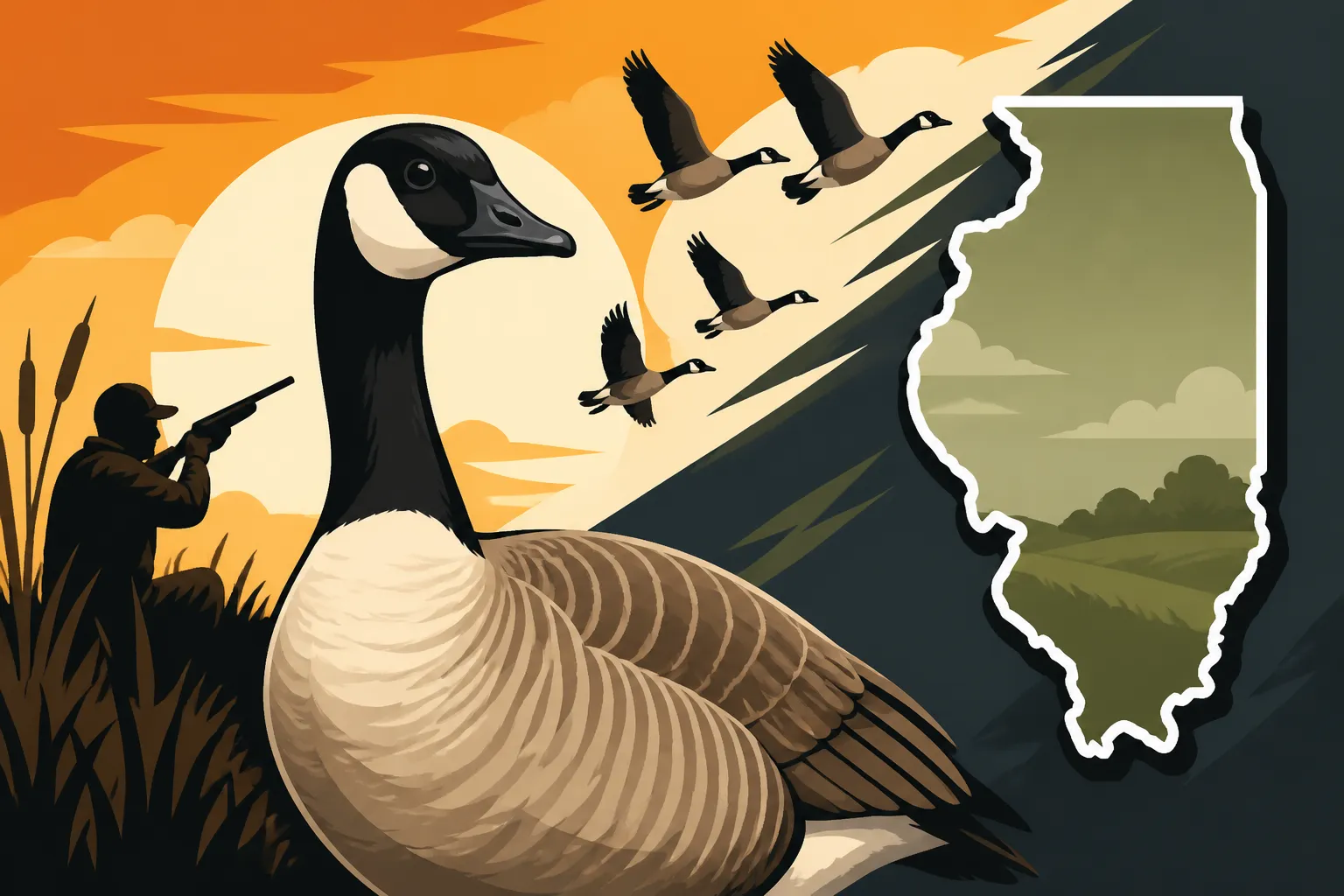
For generations, Canada geese were primarily known as magnificent migratory birds, traveling thousands of miles along flyways like the Mississippi. However, over the past few decades, a distinct population has chosen to call Illinois home year-round. These are our resident Canada geese, and their story is quite different from their migrating cousins. They've adapted incredibly well to the landscape, particularly in urban and agricultural areas, leading to both challenges and new opportunities for hunters.
The Difference Between Resident and Migratory Geese
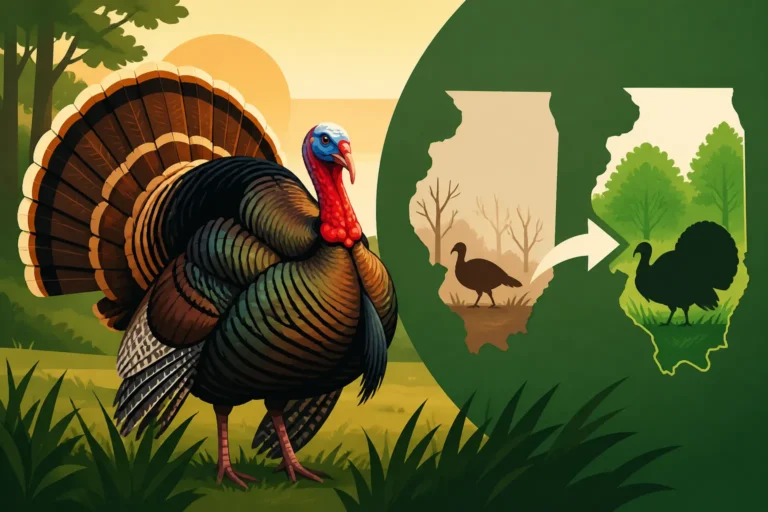
It's easy to assume all Canada geese are the same, but there's a crucial distinction between resident and migratory populations, especially when we talk about their behavior and management. Migratory geese typically breed in the far northern reaches of Canada and the Arctic, then travel south to winter in states like Illinois, often pausing in large agricultural fields and expansive waterways like those in the Illinois River Valley. These birds are driven by ancient instincts, following weather patterns and food availability across vast distances. They tend to be warier, having been hunted across many states and provinces.
Resident Canada geese, on the other hand, are a different breed entirely. These birds typically hatch within Illinois or neighboring states and never undertake those long-distance migrations. They find everything they need right here: abundant food, safe nesting sites, and water sources. Often, they originate from restoration efforts decades ago where geese were reintroduced to areas, and a segment simply decided to stay. They've found suburban parks, golf courses, corporate campuses, and agricultural fields to be perfect year-round homes, providing reliable food and protection from predators. This sedentary lifestyle makes them behave differently, often becoming quite habituated to human presence, which can make them both a nuisance and a unique hunting challenge.
Historical Context of Illinois's Resident Flock
The rise of Illinois's resident Canada goose population is a fascinating story of conservation success that came with unintended consequences. Back in the early to mid-20th century, Canada goose populations were dangerously low across much of North America due to overhunting and habitat loss. In Illinois, efforts were made to reintroduce geese, often involving bringing in breeding pairs and releasing them into protected areas. These pioneering birds, often from subspecies that historically nested further south than the truly Arctic migrants, found ideal conditions. With few natural predators in their new suburban and agricultural strongholds, and with federal protection, their numbers soared.
These introduced populations flourished, finding a bounty of manicured lawns, golf courses, and agricultural fields that provided year-round forage. Crucially, they also found countless ponds, lakes, and urban waterways that offered safe nesting sites and protection for goslings. Unlike their migratory counterparts who face harsh conditions in the Arctic, these resident geese enjoyed relatively mild winters and consistent food sources, leading to high survival rates and robust breeding success. As their numbers grew, they started colonizing new areas, leading to the widespread presence we see today, often causing Resident Goose Problems Near Chicago and other populated areas. This success story, while wonderful for the species, eventually created a new set of challenges related to overpopulation.
Factors Influencing Resident Goose Population Growth
The exponential growth of Illinois's resident Canada goose population isn't just a matter of good breeding; it's a complex interplay of environmental factors, human development, and management strategies. These birds have become masters of adaptation, exploiting niches that migratory geese typically wouldn't consider. Understanding these factors helps explain why you might see huge flocks in local parks while migratory birds are still hundreds of miles away.
Habitat Availability and Urban Expansion
One of the primary drivers behind the booming resident goose population is the sheer abundance of suitable habitat, particularly those created or enhanced by human activity. Think about it: golf courses with their lush, fertilized grasses and numerous water features; corporate parks with expansive, irrigated lawns and retention ponds; suburban neighborhoods with quiet lakes and perfectly manicured yards. These environments provide a constant buffet of easily accessible, nutrient-rich forage, minimizing the energy expenditure needed for feeding.
Furthermore, these areas often offer safe havens from traditional hunting pressure. Many urban and suburban areas have strict ordinances against discharging firearms, effectively creating refuges where geese can live and breed without fear of hunters. While migratory geese might face hunting pressure from Canada down through the flyway, resident geese often experience a much lower mortality rate outside of specific early seasons. This combination of abundant, high-quality food and reduced predation allows them to thrive, with large flocks often establishing permanent residence in places where hunting is simply not an option. It's a stark contrast to the challenges faced by wilder populations.
Nesting Success and Survival Rates
Resident Canada geese exhibit impressive nesting success and high survival rates, further contributing to their population growth. They typically begin nesting earlier than their migratory relatives, often starting in March or early April in Illinois. This early start gives their goslings a head start on growth and development, making them more robust by the time potential environmental stressors or predators arrive. They are also incredibly adaptable in their choice of nesting sites, using everything from small islands in ponds, elevated planters, muskrat lodges, or even rooftops on buildings near water. These diverse and often predator-resistant locations contribute to a higher percentage of successful nests.
Once hatched, gosling survival rates are often much higher than those in wilder, more remote environments. In urban and suburban settings, goslings face fewer natural predators like coyotes, foxes, or large raptors, which might be more prevalent in remote wilderness. Coupled with the constant availability of tender, nutritious grasses and easy access to water, these young birds have an excellent chance of reaching maturity. This robust reproductive output, combined with the longevity of adult geese in protected environments, means that even a small founding population can quickly explode into the large, often problematic flocks we see across Illinois today.
Challenges and Management of Resident Geese
While a thriving goose population is generally a good thing for conservation, the unchecked growth of resident Canada geese presents a unique set of challenges. These challenges often pit human interests against wildlife, leading to difficult management decisions. From fouled golf courses to damaged agricultural fields, their success can sometimes be a double-edged sword.
Crop Damage and Nuisance Issues
One of the most significant issues stemming from a large resident Canada goose population is the extensive damage they can inflict on agricultural crops. While migratory geese might pass through, resident flocks graze continuously throughout the growing season. Large numbers of geese can quickly decimate young corn or soybean sprouts, leading to significant financial losses for farmers. They also trample crops and compact soil, further reducing yields. It’s not uncommon to see hundreds of geese feeding in a single field, turning a promising crop into a sparse patch of stubble. This kind of persistent damage makes them a genuine nuisance to the agricultural community.
Beyond farms, resident geese create numerous problems in urban and suburban environments. Their droppings, rich in nitrogen, accumulate rapidly on lawns, sidewalks, golf courses, and playgrounds, making these areas unsightly, slippery, and unsanitary. These droppings can also contribute to elevated bacteria levels in ponds and lakes, impacting water quality. Furthermore, nesting geese can become aggressive, especially when defending their nests or goslings, posing a threat to curious pets or unsuspecting children. Their sheer numbers can overwhelm natural areas, outcompeting other waterfowl or disturbing sensitive ecosystems.
Management Strategies and Hunter Involvement
Addressing the challenges posed by a booming resident goose population requires a multi-faceted approach, often involving both direct intervention and hunter participation. Wildlife agencies, like the Illinois Department of Natural Resources (IDNR), employ various non-lethal and lethal management strategies. Non-lethal methods include hazing programs to scare geese away, habitat modification (like letting grass grow taller around ponds to deter grazing), and egg addling or oiling to prevent successful hatching without harming the adult birds. These methods are often implemented in urban areas where hunting isn't feasible.
However, hunting remains a critical tool for managing resident goose numbers, especially in rural and semi-rural areas. Early goose seasons are specifically designed to target these resident birds before migratory populations arrive, offering hunters an excellent opportunity to help control local populations. Agencies carefully monitor population trends and harvest data to set bag limits and season dates, aiming to reduce nuisance populations while maintaining healthy numbers. Hunter involvement not only helps reduce goose numbers but also provides valuable data through harvest reports, which assists wildlife biologists in making informed management decisions. It's a testament to how crucial hunters are in modern wildlife conservation, especially for species that have adapted so well to human-modified landscapes. When planning your hunt, resources like GoHunt can be valuable for checking regulations and finding public land opportunities.
Hunting Opportunities and Regulations for Resident Geese
For Illinois hunters, the burgeoning resident Canada goose population presents unique and often accessible hunting opportunities. While waiting for the main migratory push can be unpredictable, resident geese offer a more consistent target, especially during early seasons. However, understanding the specific regulations and tactics for these locally abundant birds is key to a successful hunt.
Early Goose Season Tactics
The early goose season in Illinois is a prime opportunity to target resident Canada geese. These seasons typically open in early September, well before the arrival of the vast majority of migratory birds. The regulations for this specific period are designed to maximize harvest of local birds. This early timing often means milder weather, but it also means geese might still be in family groups, and they haven't faced significant hunting pressure yet. They're often accustomed to human activity, especially those living near urban fringes or consistently feeding in agricultural fields.
Tactics for early season resident geese often differ from traditional late-season migratory hunts. Since these birds are less wary, hunters can sometimes find success with smaller decoy spreads, often focusing on feeding or resting postures. Locating their flight patterns from roosting to feeding areas is crucial. Often, these birds don't fly as high as their migratory counterparts, making pass shooting over natural pinch points effective. Agricultural fields, particularly those with early-cut silage, standing alfalfa, or even freshly mowed lawns adjacent to water, are prime locations. Early Goose Season Tactics in Illinois often revolve around scouting these local patterns thoroughly before the season begins. Utilizing an app like GoHunt can help pinpoint potential feeding areas and land access.
Regular Season Overlap and Opportunities
As the hunting season progresses and migratory Canada geese begin to arrive in Illinois, the distinctions between resident and migratory birds can blur, yet opportunities for resident goose harvest persist. The general waterfowl season, which includes Canada geese, typically extends into December and sometimes January, offering a much longer window. During these later periods, resident geese often intermingle with migratory flocks, especially in prime feeding grounds like cut cornfields. This overlap can present a challenge for hunters aiming specifically for one type of goose, but it also means more targets in the sky.
Hunting during the regular season means adapting tactics to potentially warier birds. Larger, more realistic decoy spreads, combined with effective calling, become more important as geese become educated by hunting pressure. Field hunting from Layout Blind Hunting Illinois Farm Fields is a popular and effective method. It’s important to stay hidden and utilize the natural contours of the land. Remember, hunters need to possess an Illinois hunting license, a State Habitat Stamp, and a Federal Duck Stamp, along with HIP (Harvest Information Program) certification for any migratory game birds, including all Canada geese. Check the current Illinois Duck and Goose Bag Limits and Illinois Waterfowl Zones and Seasons before heading afield, as rules can change. While the goal might be migratory giants, don't overlook the local birds that can often save a slow hunting day. Using detailed mapping tools, such as those provided by GoHunt, can assist in identifying optimal hunting locations and understanding property boundaries.
Key Considerations for Resident Goose Hunting
Hunting resident geese, while often more accessible, still requires adherence to all state and federal regulations. It’s easy to get complacent when the birds are so abundant, but respecting limits and legal methods is paramount. Always ensure you are hunting in an area where hunting is permitted, especially when near populated zones. Public access sites, especially many of the Illinois State Fish and Wildlife Areas, often have specific waterfowl hunting zones and blinds you can draw for. Private land permission is also a fantastic option, and local farmers are often very receptive to hunters willing to help with goose control.
Always consult the most current Illinois Department of Natural Resources (IDNR) digest for season dates, bag limits, and specific regulations. These rules are put in place to manage the overall health of the goose population, both resident and migratory, and ensure fair chase. Be mindful of ethical hunting practices, including proper shot selection and retrieval of downed birds. By understanding their behavior and habitat preferences, and by staying informed on regulations, hunters can play a vital role in managing Illinois’s thriving resident Canada goose population while enjoying some excellent waterfowl hunting opportunities.
| Goose Population Type | Typical Breeding Grounds | Migration Pattern | Wary Level | Primary Management Tool | Common Habitat |
|---|---|---|---|---|---|
| Resident Canada Goose | Illinois & Nearby States | Sedentary/Local | Low-Medium | Early Season Hunting | Urban, Suburban, Farm |
| Migratory Canada Goose | Arctic & Northern Canada | Long-Distance (Fall/Spring) | Medium-High | Regular Season Hunting | Large Lakes, Rivers, Farm |
Disclaimer
This article is for general informational purposes only and does not constitute professional advice. Laws, prices and regulations vary by location and change over time. Consult a qualified professional for guidance on your specific situation.