Illinois Wildlife Rehabilitation for Injured Game
It's a moment that can stop you dead in your tracks: you're out enjoying the wild beauty of Illinois, perhaps scouting for deer sign or just hiking a local trail, and you come across a wild animal that's clearly injured or in distress. Your heart sinks, and you immediately feel a knot of confusion and concern. What do you do? Who do you call? This guide is here to untangle that frustration, walking you through the right steps to take when you encounter injured game or other wildlife in Illinois, ensuring you help responsibly and effectively.
The Initial Discovery: What to Do (and Not Do)
Finding an injured animal is always a jolt. Our first instinct is often to rush in and help, to alleviate suffering. But with wild animals, what feels natural to us can sometimes do more harm than good, both for the animal and for ourselves. It's vital to approach these situations with caution, respect, and a clear understanding of Illinois's wildlife regulations and the animal's natural instincts.
Assessing the Situation Safely and Responsibly
Before you do anything else, pause. Take a deep breath and assess the scene from a safe distance. Is the animal clearly injured—a broken wing, a dragging leg, visible wounds, or perhaps disoriented and unable to move normally? Sometimes, an animal might just be stunned from a minor collision or resting, especially young animals whose parents are nearby but out of sight. For instance, a fawn might appear abandoned, but its mother is likely just foraging nearby and will return. Intervention in such cases can actually lead to true abandonment.
Your safety is paramount. An injured wild animal, even a small one, can be unpredictable and defensive. They are often in pain, scared, and will lash out if they feel threatened. This is not the time to become a hero by attempting a hands-on rescue without proper training or equipment. You risk getting bitten, scratched, or even gored, especially with larger game like deer or aggressive species like coyotes. Never approach an animal that appears to be showing signs of rabies or other neurological issues, such as stumbling, excessive drooling, or unusual aggression.
What you shouldn't do is just as important. Don't try to offer food or water directly. Wild animals have very specific diets, and what seems harmless to us can cause serious digestive problems. Don't attempt to move a large animal yourself, and absolutely do not try to "treat" its injuries. Your goal at this stage is simply to observe, protect, and report. If you can, keep pets and other people away from the area to reduce further stress on the animal.
Contacting the Right Authorities in Illinois
Once you've safely assessed the situation, the most crucial step is to contact the appropriate authorities. In Illinois, you're looking for licensed wildlife rehabilitators, local animal control, or the Illinois Department of Natural Resources (IDNR). It's a common misconception that any veterinarian can take in and treat wild animals; in reality, only those with specific state and often federal permits can legally do so. These permits ensure that individuals are trained in species-specific care, nutrition, and the ultimate goal of successful release back into the wild.
The IDNR website is your best first stop. They maintain a list of licensed wildlife rehabilitators by county. This list is invaluable because it connects you directly with professionals who are equipped and legally authorized to help. Animal control can often assist with initial containment or transportation for smaller animals, and they can also guide you to a local rehabilitator. Time is often of the essence, especially with severe injuries, so getting the right people involved quickly is key. Remember, attempting to care for or keep wild animals without the proper permits is illegal in Illinois and can result in fines and legal trouble. If you suspect the animal may be carrying a disease like CWD, it's particularly important to contact the IDNR; you can learn more about Illinois's Chronic Wasting Disease Zone and its implications for deer.
| Action | What to Do | What NOT to Do |
|---|---|---|
| Observation | Observe from a safe distance (at least 20-30 feet). | Get too close, chase the animal, or try to touch it. |
| Safety | Prioritize your safety and the safety of others. | Risk injury by attempting a physical rescue yourself. |
| Intervention | Note specific injuries, location, and time of discovery. | Give food or water, attempt to "treat" injuries, or medicate. |
| Contact | Call a licensed Illinois wildlife rehabilitator, local animal control, or IDNR. | Assume it will recover on its own without professional help. |
| Containment (small) | If safe and advised by a professional, gently place a small, unaggressive animal in a secure, ventilated box. | Place an injured animal directly into your car or handle it without gloves. |
| Reporting Diseases | Report any signs of illness, especially with deer (e.g., emaciation, abnormal behavior), to IDNR. | Ignore symptoms or try to take a sick animal home. |
Understanding Wildlife Rehabilitation in Illinois
Wildlife rehabilitation is a specialized field dedicated to helping injured, orphaned, or sick wild animals recover and return to their natural habitat. It's a labor of love for many, requiring extensive knowledge, resources, and a deep commitment to animal welfare and conservation. These professionals are the unsung heroes of wildlife rescue, often operating on tight budgets and relying heavily on volunteers and donations.
What is a Licensed Wildlife Rehabilitator?
In Illinois, a licensed wildlife rehabilitator is an individual or organization that has met stringent requirements set by the IDNR. These requirements often include passing exams, demonstrating knowledge of animal husbandry, species identification, proper handling techniques, disease prevention, and nutrition, as well as possessing adequate facilities to care for a wide range of species. They might also need federal permits, especially if they handle migratory birds. This isn't just a hobby; it's a profession governed by strict rules designed to protect both the animals and the public.
Unlike a typical veterinarian who might treat domestic pets, a wildlife rehabilitator's ultimate goal is always release. This means their treatment protocols, feeding regimes, and even housing are geared towards preventing habituation to humans and maintaining the animal's natural instincts. They understand the nuances of a wild turkey's diet, the specific needs of an orphaned squirrel, or the complex social structures of deer. Many rehabilitators specialize in certain types of animals, such as raptors, small mammals, or furbearers, reflecting the diverse Illinois Small Game Season Rules and the various species that call Illinois home. When you contact a licensed rehabilitator, you're reaching out to someone who is not only passionate but also legally and expertly qualified to provide the best chance for the animal's survival in the wild.
The Rehabilitation Process: From Rescue to Release
The journey of an injured animal through rehabilitation is a carefully orchestrated process. It typically begins with intake, where the animal is carefully examined to assess its injuries, age, and overall condition. This might involve X-rays, blood tests, or other diagnostic tools, much like at a human hospital. The rehabilitator then develops a treatment plan, which could include administering medication, setting broken bones, cleaning wounds, or providing specialized fluids and nutrition.
Orphaned animals, often found during spring and summer, require intensive care, including frequent feedings with species-appropriate formulas. Young birds, for example, need feeding every 15-20 minutes from dawn to dusk, a testament to the dedication involved. As the animal recovers, it moves into a pre-release phase. This stage focuses on conditioning it to survive independently. For birds, this might mean flight conditioning in large outdoor enclosures. For mammals, it involves minimizing human contact, encouraging natural foraging behaviors, and ensuring they retain a healthy fear of humans and predators. The goal is to return a healthy, fully functional animal back into its natural habitat, minimizing the chance of it becoming dependent or a nuisance.
Release is the final, rewarding step. This usually takes place in a suitable wild area, often near where the animal was found, ensuring it has access to familiar food sources and cover. The success of this entire process relies on the swift and responsible actions of the public at the point of discovery, followed by the expert care of licensed rehabilitators. For hunters, knowing these processes is crucial for ethical conduct and ensuring the health of game populations like the Illinois Deer Population Estimate and Illinois Turkey Population Estimate. It's a holistic approach to wildlife management that extends beyond hunting seasons. You might find resources on platforms like GoHunt that list local rehabilitators or even community groups discussing best practices for wildlife encounters.
Common Scenarios and Specific Species Considerations
While the general advice of "observe, don't intervene, call a pro" holds true, certain species and situations present unique challenges and considerations. Understanding these nuances can help you act even more effectively when you encounter wildlife in need.
Deer, Turkeys, and Other Large Game
Encountering an injured deer or wild turkey can be particularly distressing, given their size and the potential danger involved in approaching them. For deer, the most common injury causes are vehicle collisions. If you find a deer that has been hit by a car, it's critical to prioritize safety first. A wounded deer can be incredibly dangerous, capable of causing serious injury with its antlers or hooves. Do not attempt to move it or put it out of its misery yourself. Instead, contact the IDNR or local law enforcement immediately. They can dispatch an officer who is trained and equipped to handle such situations humanely. Remember, it is illegal to possess an injured deer without proper authorization.
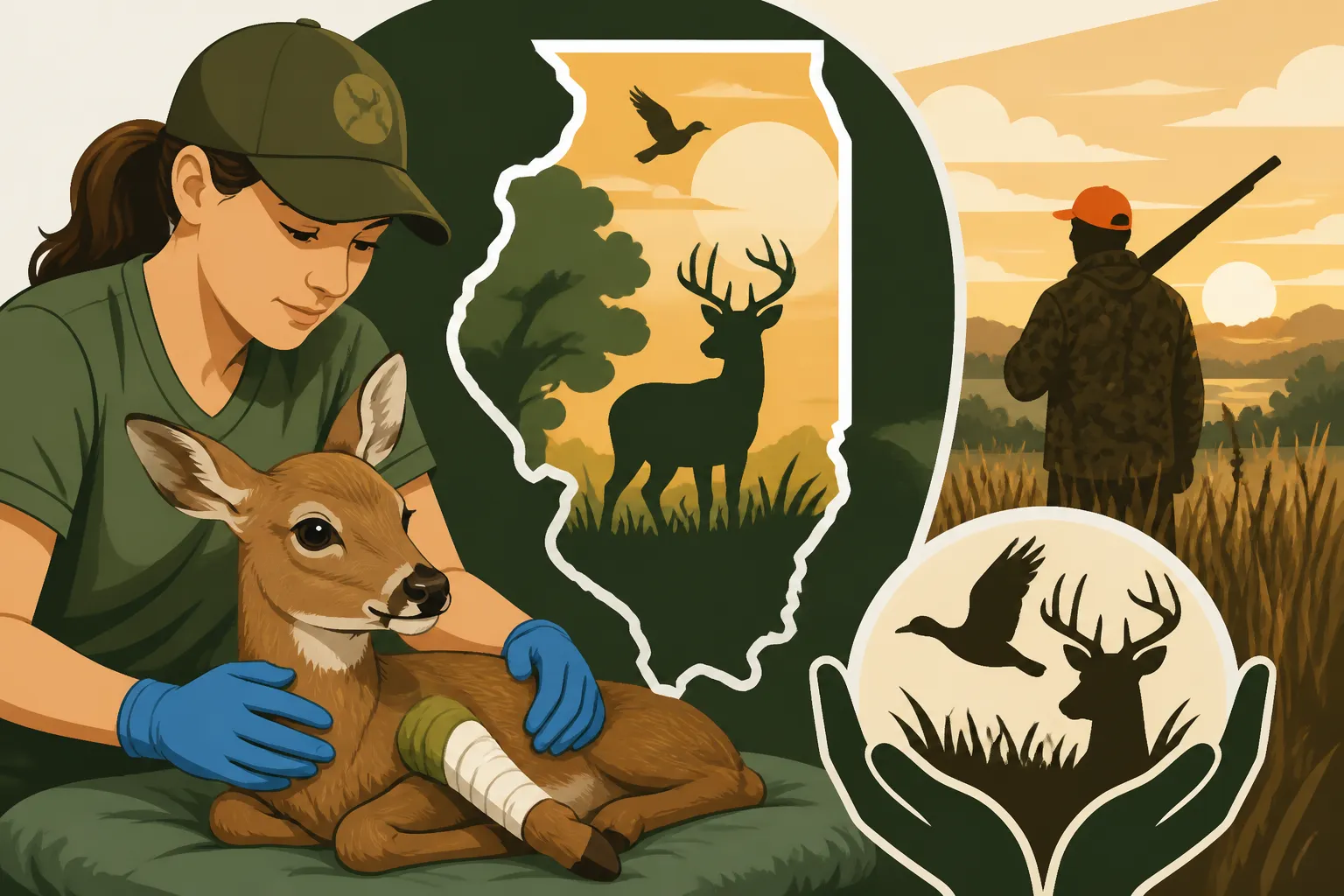
Fawns are another common concern. It’s natural to feel protective when you see a seemingly abandoned fawn curled up in the grass. However, fawns are rarely truly abandoned. Their mothers intentionally leave them alone for extended periods while they forage, returning periodically to nurse. A fawn’s spotted coat and lack of scent help it camouflage and avoid predators. Unless a fawn is obviously injured, crying incessantly for hours, or is truly alone for more than 24 hours (which is hard to determine without prolonged observation), it’s best to leave it undisturbed. Interfering can cause the mother to abandon it. If you suspect an injury or true abandonment, call a rehabilitator. For concerns about disease, especially in northern Illinois, you should always refer to proper procedures for Reporting a Sick Animal in Illinois.
Wild turkeys, while not as large as deer, can still deliver a powerful kick or peck. If you find an injured adult turkey or what appears to be an orphaned poult, maintain your distance. Poults, like fawns, are often left by their mothers (hens) to find food. Unless the poult is clearly injured or you observe the hen has been killed, leave them be. If intervention is necessary, again, contact a licensed rehabilitator. Understanding the normal behavior of these game animals is a core part of being a responsible outdoor enthusiast, something emphasized in Illinois Hunter Education Requirements.
Small Mammals and Birds
Small mammals like squirrels, rabbits, and various bird species are frequently encountered injured or orphaned. Their smaller size might make them seem less dangerous, but even a panicked squirrel can deliver a nasty bite. When dealing with these animals, the same principles apply: safety first, and professional help is best.
If you find a small injured bird, for example, with a broken wing after hitting a window, you might be able to carefully place it in a ventilated shoebox. Wear gloves to protect yourself and to minimize human scent on the bird. Keep it in a warm, quiet, dark place and immediately contact a rehabilitator. The darkness helps reduce stress, and warmth is crucial for shock. Do not attempt to splint a wing or force-feed it.
For "orphaned" baby squirrels or rabbits, again, observe before acting. Often, the mother is nearby. If a nest has fallen, and the babies are uninjured, you can often put the nest back into the tree or create a makeshift nest (like a small plastic container with drainage holes and soft material) and place the babies inside, attaching it near the original site. The mother will usually return. If the mother doesn't return after several hours, or if the babies are cold, visibly injured, or covered in insects, then it's time to call for help.
Always be wary of handling any wild animal directly. Even a seemingly docile rabbit can be carrying fleas, ticks, or diseases. A platform like GoHunt can be a great place to find local community advice or shared experiences on finding rehabilitators, especially if you're in an area like Finding an Illinois Fish and Wildlife Area Near You where wildlife encounters are frequent. Proper handling and care by licensed professionals are vital for these delicate creatures.
Supporting Wildlife Rehabilitation Efforts
The dedicated individuals and organizations running wildlife rehabilitation centers are often working tirelessly, fueled by passion and limited resources. Understanding how you can support their mission is crucial for the continued well-being of Illinois's diverse wildlife.
Volunteering and Donations
Most wildlife rehabilitation centers operate as non-profit organizations and rely heavily on the kindness of the community. These centers are not typically funded by state or federal agencies to cover their operational costs. This means every bandage, every syringe, every specialized feed formula, and every hour of skilled labor comes from donations, grants, or the pockets of the rehabilitators themselves. It's an incredibly demanding job, requiring not just a love for animals but also a deep understanding of veterinary medicine, biology, and ecology.
If you're passionate about wildlife and want to make a tangible difference, consider volunteering your time. Rehabilitators often need help with a variety of tasks, from cleaning enclosures and preparing food to assisting with animal transport or administrative duties. Even tasks that don't directly involve animal handling are critical to a center's operation. Prior experience is usually not required; most centers are happy to train enthusiastic individuals, upholding principles that align with good outdoor stewardship. You might find that lending a hand here resonates with the ethical hunting practices learned through Illinois Hunter Education Requirements.
Financial donations are always welcome and directly support the medical care, food, and housing needed for injured animals. Many centers also have wish lists of supplies, ranging from paper towels and laundry detergent to specialized animal incubators and medical equipment. A quick call or visit to their website will often reveal their most pressing needs. Every little bit truly helps keep these vital services available for animals in distress, ensuring that every effort is made to restore them to good health and return them to the wild, contributing to healthy populations. Insights into healthy wildlife populations often come from data like Illinois Wildlife Disease Monitoring and Illinois Deer Population Estimate.
Preventing Wildlife Injuries
While it's wonderful that rehabilitators are there to help, the best scenario is always to prevent injuries in the first place. As responsible citizens and outdoor enthusiasts, we all have a role to play in minimizing human-wildlife conflicts and protecting our natural world. Simple actions can have a significant impact.
One of the most common causes of wildlife injury is vehicle collisions. Being mindful while driving, especially at dawn and dusk when many animals are most active, can prevent countless accidents. Reducing speed in areas known for wildlife crossings, particularly near wooded areas or field edges, is a proactive step. Securing trash cans and not leaving pet food outdoors can prevent animals like raccoons and opossums from becoming habituated to human food sources and venturing into dangerous residential areas. Keeping domestic pets, especially cats, indoors or on a leash can also dramatically reduce the number of injured songbirds and small mammals brought into rehabilitation centers.
Educating ourselves and others about wildlife behavior, such as the natural independence of fawns and poults, helps prevent unnecessary interventions that can do more harm than good. Promoting healthy habitat through conservation efforts ensures animals have safe places to live and thrive, reducing their need to wander into risky human-dominated landscapes. By taking these preventive measures, we not only protect individual animals but also contribute to the overall health and resilience of Illinois's wildlife populations, making all of our outdoor experiences better.
Disclaimer
This article is for general informational purposes only and does not constitute professional advice. Laws, prices and regulations vary by location and change over time. Consult a qualified professional for guidance on your specific situation.