Illinois Bald Eagle Recovery Near the Rivers
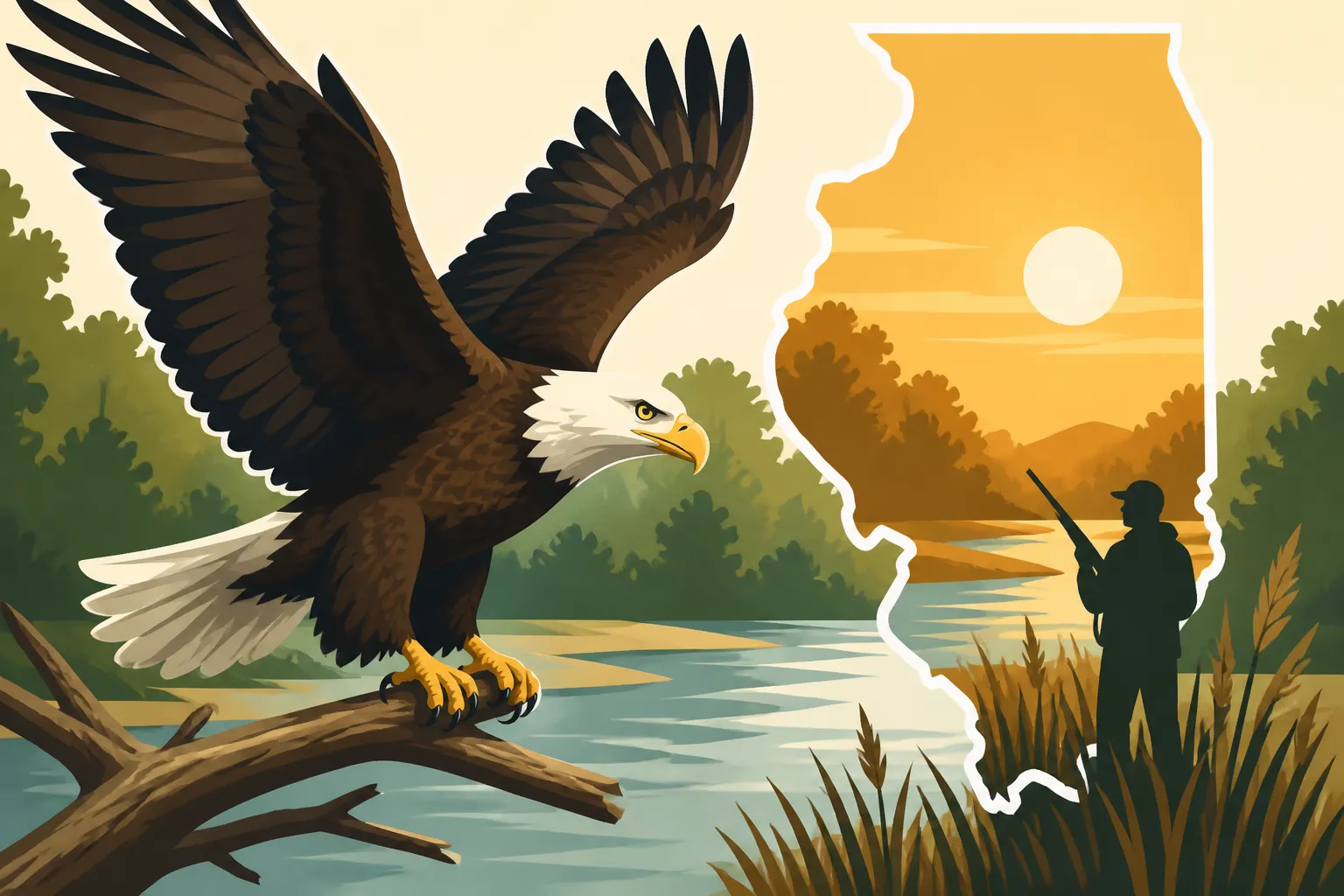
It wasn't that long ago that seeing a bald eagle in Illinois was a truly rare, almost mythical event. For decades, our national bird was practically gone from the prairie state, a stark reminder of environmental struggles. But if you’ve been out on the rivers lately, you know that story has changed dramatically. This guide will take a deep dive into the incredible comeback of bald eagles, especially along Illinois's vital river systems, exploring the journey from near extirpation to a thriving population, and what this resurgence means for our state's natural heritage and anyone who loves the outdoors.
The Long Shadow: Why Bald Eagles Nearly Vanished from Illinois
For generations, the sight of a bald eagle soaring over an Illinois river was a distant memory for most, or perhaps something only seen in old photographs. The majesty of this bird, once common, had been systematically stripped away, leaving a gaping hole in our state's ecological fabric. Understanding their recovery means first understanding the depths of their decline, a story that intertwines human actions with environmental consequences.
A Past of Persecution and Poisons
From the early days of European settlement, bald eagles faced immense pressure. They were often viewed with suspicion, sometimes seen as competitors for game or livestock, leading to widespread persecution. Bounties were even placed on them in some areas, accelerating their demise. It wasn't just deliberate harm; habitat destruction played a massive role. As Illinois was settled and converted from prairie and dense forests to farmland, the vast, unbroken wilderness that eagles needed for nesting and hunting grounds simply disappeared. Old-growth trees along riverbanks, crucial for their massive nests, were felled. The very landscape was altered in ways that made it difficult for these apex predators to survive. The cumulative effect was devastating, pushing them to the brink long before more insidious threats emerged.
The Silent Spring and DDT's Devastation
While direct persecution and habitat loss certainly took their toll, the most crippling blow to the bald eagle population came in the mid-20th century with the widespread use of dichlorodiphenyltrichloroethane (DDT). This powerful insecticide, hailed as a miracle solution for pest control after World War II, permeated ecosystems across the country, including Illinois. What scientists slowly uncovered was its insidious effect: DDT didn't just kill insects; it worked its way up the food chain. Eagles, being top predators, ingested DDT-contaminated fish and other prey. The chemical accumulated in their bodies, leading to reproductive failure. It caused eagle eggshells to become thin and brittle, often breaking under the weight of the incubating parent. Nests that were once bustling with activity became silent, year after year, as entire clutches failed. This chemical poisoning was a silent killer, decimating populations across North America, including the few remaining eagles trying to hang on in Illinois. The problem was so widespread and impactful that it ignited a national conservation movement, largely thanks to Rachel Carson’s seminal book, Silent Spring, which brought the devastating environmental impacts of pesticides like DDT to public consciousness. The situation was dire, but it also laid the groundwork for future action.
A Majestic Return: Illinois's River Systems as Recovery Zones
The story of the bald eagle in Illinois is not one of permanent decline, but one of remarkable resilience and successful conservation. The same river systems that once saw their numbers plummet have now become the very arteries of their recovery, transforming from ecological danger zones into thriving habitats. This comeback is a testament to dedicated efforts and changing environmental perspectives.
The Mississippi and Illinois Rivers: Lifelines for Eagles
When we talk about bald eagle recovery in Illinois, the conversations invariably turn to the mighty Mississippi River and the equally important Illinois River. These expansive waterways, with their vast floodplains, backwaters, and bluffs, offer precisely what eagles need: abundant fish populations, tall trees for nesting and roosting, and relatively undisturbed stretches of wilderness. These rivers act as superhighways for migratory birds, including eagles seeking wintering grounds and reliable food sources. During the colder months, when smaller bodies of water freeze, the open waters of these large rivers become critical fishing grounds. You'll find huge concentrations of eagles perched in trees overlooking the river, patiently watching for fish, or squabbling over carrion. It's truly a sight to behold, a modern spectacle that echoes the abundant wildlife that once thrived here. Observing the sheer number of eagles along these river systems, particularly between December and March, is nothing short of awe-inspiring. Hunting the Illinois River Valley provides a great perspective on the rich biodiversity that attracts not only eagles but also countless other species, making it a critical ecological corridor.
Conservation Efforts and Hunter Contributions
The journey from near extinction to thriving populations was no accident; it was the direct result of coordinated, long-term conservation strategies. The banning of DDT in the United States in 1972 was arguably the single most important step, allowing eagles to reproduce successfully again. Beyond that, significant efforts were made to protect and restore critical habitat, especially along the major rivers. Land acquisition for state parks, national wildlife refuges, and state fish and wildlife areas provided safe havens. Illinois, like many other states, implemented active management plans, including reintroduction programs in some areas.
Hunters, often unfairly stereotyped, have been, and continue to be, absolutely crucial to this success story. For decades, hunters have been at the forefront of conservation funding through license fees and excise taxes on sporting goods, which directly support wildlife management and habitat restoration. The health of our ecosystems, including the clean waters that sustain eagle prey, is a shared priority. When hunters advocate for clean water and healthy forests for deer or waterfowl, those efforts directly benefit eagles. For instance, efforts to preserve bottomland hardwoods for species like white-tailed deer or Squirrel Hunting Illinois Bottomland Hardwoods also provide critical nesting trees and perching sites for eagles. Many hunters, using tools like GoHunt to scout public lands, are often the first to spot new eagle nests or observe behavioral changes, contributing valuable anecdotal data to wildlife managers. Their presence in the field often means more eyes on the landscape, acting as informal guardians of our shared natural heritage.
Here's a look at some key milestones in Illinois's bald eagle recovery:
| Event/Legislation | Year | Impact on Bald Eagles |
|---|---|---|
| Establishment of Federal Protection | 1940 | Bald and Golden Eagle Protection Act enacted. |
| DDT Banned in U.S. | 1972 | Allowed reproductive success to resume, crucial turning point. |
| Endangered Species Act (Federal) | 1973 | Provided comprehensive protection and recovery framework. |
| Illinois Endangered Species Act | 1977 | State-level protection and recovery initiatives. |
| Active Reintroduction Programs | 1980s | Release of captive-bred eagles in some areas to boost numbers. |
| Removal from Federal Endangered List | 2007 | Signified successful national recovery, downlisted to "threatened" in Illinois. |
| Delisted in Illinois | 2009 | State-level delisting, reflecting robust local populations. |
This table highlights the monumental shift from decline to recovery, demonstrating how legislative action, scientific understanding, and conservation efforts coalesced to save a species.
Eagles Soaring Today: Population Health and Viewing Opportunities
Today, it's hard to imagine Illinois without its bald eagles. What was once a rare sighting is now a common, cherished experience for anyone spending time near our major waterways. The state's recovery efforts have paid off spectacularly, transforming our rivers into prime eagle territory and offering incredible opportunities for observation.
Current Status and Regional Strongholds
Illinois boasts a thriving bald eagle population, especially during the winter months when migrants from northern states join our resident birds. The state is now a critical wintering ground for these magnificent raptors. Surveys conducted by the Illinois Department of Natural Resources (IDNR) consistently show robust numbers, with counts often reaching into the thousands during peak winter migration.
The absolute strongholds, no surprise, are the Illinois and Mississippi River corridors. From the Quad Cities down to Cairo, and along the entire length of the Illinois River, you'll find incredible concentrations. Places like the Lock and Dam areas along both rivers, where open water provides consistent fishing opportunities, are particularly popular. Starved Rock State Park and Pere Marquette State Park, both on the Illinois River, are fantastic spots to witness dozens, if not hundreds, of eagles throughout the winter. Further south, the confluence of the Ohio and Mississippi Rivers is another hotspot. Hunters out during Waterfowl Hunting the Illinois River Valley often report seeing multiple eagles every day, a clear indicator of the healthy ecosystem they are part of. Beyond the major rivers, any substantial body of water with ample fish and tall timber can host a resident pair, or attract wintering birds. This includes larger reservoirs and even some of the deeper tributaries feeding into the main rivers.
Ethical Viewing and Coexistence with Other Outdoor Pursuits
With more eagles comes more opportunities to see them, which is fantastic! However, it also means we, as outdoor enthusiasts, have a responsibility to view them ethically and minimize disturbance. Whether you're specifically birdwatching or simply out for a hunt, a fishing trip, or scouting, remember that eagles are wild animals. Here are some tips for respectful observation:
- Maintain Distance: Use binoculars or a spotting scope. If an eagle changes its behavior because of your presence (e.g., stops feeding, flies away, becomes agitated), you are too close.
- Avoid Disturbing Roosts and Nests: During nesting season, especially, keep a significant distance from known nest sites. Disturbing nesting eagles can cause them to abandon their eggs or young. During winter, large communal roosts are crucial for their survival; sudden loud noises or bright lights can cause them to expend vital energy.
- Respect Private Property: If an eagle is on private land, ensure you have permission before approaching, just as you would for Getting Private Land Permission in Illinois.
- Never Feed Eagles: This can habituate them to humans and lead to unhealthy reliance or dangerous situations.
- Pack Out What You Pack In: Keep our rivers and their banks clean. Litter, especially fishing line, can entangle and injure wildlife, including eagles.
For hunters and anglers, seeing an eagle is a bonus. It’s a sign of a healthy environment, one that is also capable of sustaining White-Tailed Deer Across Illinois or abundant waterfowl. When you are out Scouting Illinois Public Land Before Season using a mapping app like GoHunt, you might identify potential eagle roosts or nests alongside your hunting areas. Knowing where these birds are helps you ensure you’re not inadvertently causing disturbance. The presence of eagles is a powerful indicator that the broader conservation efforts are working, benefiting all species, including those we hunt.
The Future of Illinois's National Bird
While the bald eagle's recovery in Illinois is an undeniable success story, the journey isn't over. Like any species, they face ongoing challenges, and their continued prosperity depends on our sustained commitment to conservation and smart land management. As stewards of the land, hunters and outdoor enthusiasts have a vital role to play in ensuring these magnificent birds continue to grace our skies.
Ongoing Challenges and Habitat Protection
Even with their robust numbers, bald eagles in Illinois aren't entirely out of the woods. Habitat protection remains paramount. While DDT is gone, other environmental contaminants, like lead from fishing tackle and ammunition, can still pose a threat, particularly if eagles consume carrion or wounded game containing lead fragments. Continued efforts to encourage the use of non-lead alternatives are important.
Furthermore, development pressures along our river systems are constant. Maintaining undeveloped stretches of river frontage with mature trees is crucial for nesting and roosting. While public lands like state parks and fish and wildlife areas offer some protection, the sheer scale of eagle activity means a mosaic of protected private and public lands is necessary. Changes in river hydrology, sedimentation, and water quality due to agricultural runoff or industrial discharges can also impact fish populations, directly affecting the eagles' primary food source. Long-term Illinois Wildlife Disease Monitoring is also essential to quickly identify and respond to any new threats to their health or the health of their prey base. The balance of the ecosystem is always fragile, and vigilant management is required.
What Hunters and Outdoor Enthusiasts Can Do
Our collective passion for the outdoors makes us natural allies in ongoing eagle conservation. Here are ways you can continue to contribute:
- Support Conservation Organizations: Many local and national groups work tirelessly to protect raptors and their habitats. Your membership or donations make a difference.
- Advocate for Clean Water and Healthy Habitat: Speak up for policies that protect our rivers, forests, and wetlands. These actions benefit eagles and countless other species, including all the Illinois Waterfowl on the Mississippi Flyway that share these vital corridors.
- Practice Responsible Hunting and Fishing: Consider using non-lead ammunition and fishing tackle, especially in areas with high eagle concentrations. Properly dispose of gut piles or wounded game away from eagle foraging areas, or ensure no lead fragments are present if leaving them for scavengers.
- Be a Citizen Scientist: Report sick or injured eagles to the IDNR or local wildlife rehabilitators. Keep detailed notes of your eagle sightings on apps like GoHunt, contributing to a broader understanding of their distribution and behavior. Every bit of information helps biologists track trends and identify potential issues.
- Educate Others: Share the incredible story of the bald eagle's recovery with friends, family, and fellow outdoor enthusiasts. The more people who understand and appreciate these birds, the stronger the support for their continued protection. By doing so, we ensure that the awe-inspiring sight of a bald eagle soaring overhead remains a quintessential part of the Illinois outdoor experience for generations to come.
Disclaimer
This article is for general informational purposes only and does not constitute professional advice. Laws, prices and regulations vary by location and change over time. Consult a qualified professional for guidance on your specific situation.