Illinois Turkey Population Estimate
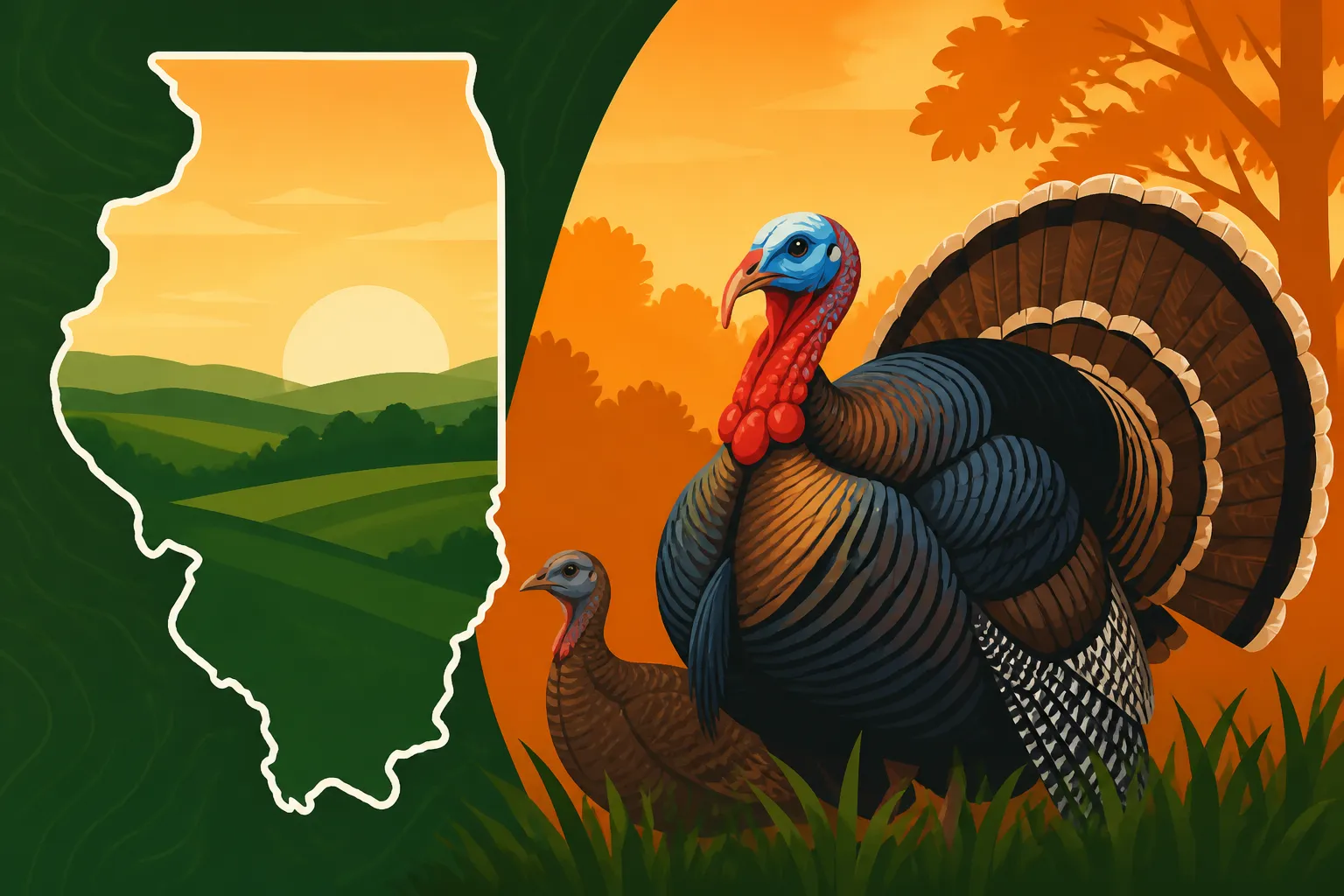
For many of us who eagerly anticipate the spring gobble or the subtle rustle of a fall flock, there's always a lingering question: "Just how many wild turkeys are actually out there in Illinois?" It's a natural curiosity, fueled by both hopeful anticipation for successful hunts and a very real concern for the health of our beloved game species. Sometimes, after a quiet morning in the woods, it can feel like the numbers are dwindling. This guide will take a deep dive into how the Illinois Department of Natural Resources (IDNR) estimates our wild turkey population, what factors influence those numbers, and how hunters like us can interpret the data to become more informed conservationists and better hunters.
How Illinois Estimates Its Turkey Population
Trying to count every single wild turkey across a state as diverse as Illinois would be an impossible task. Imagine trying to get an accurate count of every squirrel in your backyard, let alone every bird in acres of dense timber or rolling farmland. Instead, wildlife biologists use a combination of scientific methods and hunter-reported data to create reliable population estimates. It’s less about an exact headcount and more about understanding trends, health, and distribution.
Spring Harvest Data and Hunter Effort
One of the most significant pieces of the puzzle comes directly from us, the hunters. After each spring turkey season, the IDNR compiles all the harvest reports, which are mandatory for every bird taken. This isn't just a simple tally of harvested birds; it's a critical data point when combined with permit sales and hunter success rates. If hunter effort (the number of permits sold or hunters in the field) remains constant, but the harvest numbers dip, it could signal a potential decline in the turkey population, or at least a shift in their behavior. Conversely, high harvest numbers with stable effort can suggest a healthy or growing population.
Biologists use sophisticated models that factor in harvest numbers, hunter success percentages, and the average number of days hunters spend in the field to estimate the overall population. This data is broken down by the different Illinois Spring Turkey Zones and Periods to get a granular view of specific regions. It helps them understand which zones might be thriving and which might need closer monitoring or different management strategies. Without hunter participation in reporting their harvests, this vital data would be lost, making accurate estimates much harder to achieve.
Summer Brood Surveys
While spring harvest data gives a good snapshot of the adult population and hunter success, summer brood surveys are absolutely critical for understanding the future of the flock. This is where biologists and even trained volunteers head into the field during the summer months to observe and count turkey broods – a hen with her poults (young turkeys). The goal is to calculate the Poult-to-Hen Ratios and What They Mean.
A high poult-to-hen ratio indicates a successful nesting and brooding season, meaning more young turkeys are surviving to join the population. A low ratio, however, can point to poor nesting success, high poult mortality, or other environmental stressors. These surveys are invaluable because they provide a predictive measure for the upcoming seasons. If the poult numbers are low this summer, we might anticipate fewer jakes and two-year-old gobblers in the coming spring. The success of Illinois Wild Turkey Nesting Success is heavily dependent on these early months. Factors like severe weather during hatching, or increased predation pressure, can devastate a year's recruitment.
Habitat Assessments and Land-Use Changes
Beyond direct observation and harvest data, the IDNR continually assesses habitat quality and quantifies land-use changes across the state. Turkeys, like all wildlife, rely on specific habitat types for survival: mature timber for roosting, open fields and woodlands for foraging, and dense cover for nesting and escape. When vast tracts of suitable habitat are converted for agriculture, urban development, or other uses, it directly impacts the carrying capacity of the land for turkeys.
Biologists use satellite imagery, aerial surveys, and ground-level field assessments to track these changes. They look at the availability of mast crops (acorns, hickory nuts), insect populations (critical for poults), and the distribution of various forest and field types. Healthy, interconnected habitats mean healthy turkey populations. When these assessments show fragmentation or degradation of critical turkey habitat, it signals a need for conservation efforts, habitat restoration projects, or potential adjustments in hunting regulations to account for reduced carrying capacity. Understanding these broader ecological patterns helps round out the population estimate, moving beyond just numbers to the environmental conditions supporting them.
Factors Influencing Turkey Population Numbers
Wild turkeys are remarkably resilient birds, but their populations are susceptible to a variety of environmental and biological pressures. These factors can cause significant fluctuations in numbers from year to year and across different regions of Illinois.
Weather Patterns and Reproduction Success
Few things impact turkey populations as directly and dramatically as weather, especially during critical nesting and brooding periods. A cold, wet spring can be devastating for poult survival. Young turkeys are very vulnerable to hypothermia in their first few weeks of life, and excessive rain can reduce insect availability, a crucial food source for growing poults. Imagine a hen trying to keep a brood of tiny, featherless chicks warm and dry during a week of non-stop downpours in late May – it's a tough row to hoe.
Conversely, a warm, dry spring often leads to excellent hatches and high poult survival, setting the stage for strong turkey numbers in subsequent years. Severe winter weather can also play a role, particularly in regions where food sources become scarce under deep snow. While adult turkeys are hardy, prolonged periods of extreme cold and lack of food can lead to increased mortality or weakened birds going into the spring breeding season, impacting their reproductive success.
Predation and Disease Pressures
Wild turkeys face a gauntlet of predators, from raccoons and opossums that raid nests to coyotes and bobcats that target adult birds. While some level of predation is natural and healthy for an ecosystem, localized increases in predator populations can certainly put a dent in turkey numbers, especially impacting Nest Predation and Illinois Turkey Hatches.
Diseases can also sweep through turkey populations, sometimes with devastating effects. Avian pox, blackhead disease, and Lymphoproliferative Disease Virus (LPDV) are known turkey ailments. While widespread, catastrophic disease outbreaks are less common, localized disease can certainly contribute to population declines. Biologists monitor disease prevalence through hunter reports of sick birds and post-mortem examinations of harvested or found turkeys. Understanding these natural challenges helps IDNR manage the population more effectively, sometimes adjusting harvest quotas or focusing on habitat improvements that bolster overall flock health and resilience.
Habitat Quality and Food Availability
The quality and quantity of habitat are arguably the most foundational drivers of a healthy turkey population. Turkeys need a mosaic of habitat types: mature timber for roosting, open woodlands and field edges for foraging, and dense undergrowth for nesting cover and escape from predators. When these elements are readily available and interconnected, turkeys thrive.
Food availability is directly tied to habitat quality. A good mast crop year (abundant acorns, hickory nuts) provides crucial winter nutrition, leading to healthier birds entering the breeding season. Insect populations, which poults heavily rely on for protein, are also tied to habitat health. Changes in agricultural practices, forest management, or increasing urban sprawl can fragment or degrade these vital habitats. If turkeys can't find safe places to roost, enough food to sustain themselves, or secure areas to nest, their numbers will inevitably suffer. This is why conservation efforts focused on habitat improvement are so critical for sustaining Wild Turkeys in Illinois.
Reading Between the Lines: What the Numbers Really Tell Us
Looking at the raw numbers of harvested birds or permit sales only tells part of the story. To truly understand the state of Illinois's turkey population, we need to dig a little deeper and understand the nuances behind the statistics.
Understanding Regional Differences in Density
Illinois is a big state with vastly different landscapes, and turkey populations reflect that diversity. What's true for the Shawnee Hills in Southern Illinois might not be true for the heavily farmed areas of Central Illinois or the river breaks along the Mississippi. The IDNR divides the state into different zones for a reason; it allows for more localized management and a more accurate understanding of regional turkey health.
Some regions, like parts of the western and southern counties, consistently report higher densities and harvest numbers, often due to more expansive timber tracts and varied terrain. You can see this reflected in annual reports on Illinois Turkey Population Trends which might show stable or increasing numbers in one area while another shows a decline. If you're planning a hunt, understanding Where Illinois Turkeys Are Densest can greatly influence your success. A slow hunt in one area doesn't necessarily mean the entire state population is down; it might just be a local dip or a shift in bird behavior. It’s important to avoid extrapolating your personal experience in one woodlot to the entire state.
Population Trends vs. Hunter Success
It's easy to conflate a bad hunting season with a declining turkey population, but the two aren't always directly linked. Hunter success rates can be influenced by many factors beyond just the number of turkeys present. Weather during the season, hunting pressure, changes in turkey behavior (e.g., quiet gobbling, less responsive to calls), and even our own skill level can all play a role. A tough spring season might mean the birds were "heavily henned up," making them less likely to respond to calls, even if there are plenty of gobblers around.
Biologists look at long-term trends in Illinois Spring Turkey Harvest Numbers alongside brood survey data and habitat assessments to get a clearer picture. A single year of low harvest is less concerning than a consistent downward trend over several years, especially if it's accompanied by poor poult-to-hen ratios. Understanding this distinction helps us avoid jumping to conclusions and appreciate the complexity of wildlife management.
Long-Term Trends and Management Implications
The IDNR doesn't just look at annual data; they analyze long-term trends to inform their management decisions. Wild turkeys were once extirpated from much of Illinois and have been successfully restored through dedicated conservation efforts and reintroduction programs. Monitoring these trends ensures that the population remains healthy and sustainable for future generations.
If long-term data indicates a consistent decline, it might trigger management actions such as reduced bag limits, shorter seasons, or increased focus on habitat restoration projects. Conversely, stable or increasing populations might allow for more liberal harvest opportunities, as we sometimes see with Illinois Fall Turkey Season Rules. These decisions aren't made lightly; they're based on years of collected data and scientific analysis, all aimed at balancing recreational hunting opportunities with the long-term health of the wild turkey resource.
The Impact of Hunter Observation and Participation
As hunters, we are not just consumers of the resource; we are also vital participants in its management. Our observations and active participation in reporting are fundamental to how wildlife agencies gauge the health of turkey populations.
Citizen Science and Hunter Surveys
Many states, including Illinois, rely on citizen science programs where hunters, landowners, and other outdoor enthusiasts report their observations. While the IDNR conducts formal brood surveys, informal reports from hunters who spend countless hours in the woods can provide valuable anecdotal and even quantitative data. Did you see many hens with broods this summer? How many poults were with each hen? Did you notice any sick turkeys?
These observations, when submitted to the IDNR through dedicated portals or informal communication channels, can help biologists fill in gaps and corroborate their formal survey data. It's a way for us to give back to the resource we cherish and directly contribute to the science that ensures healthy turkey populations for years to come. Your eyes and ears in the field are a powerful resource for wildlife managers.
The Role of Hunter Reporting in Data Collection
As mentioned earlier, the mandatory reporting of harvested turkeys is non-negotiable and incredibly important. Every time you tag and report a bird, you're contributing a data point that feeds into the IDNR's population models. This isn't just a bureaucratic hurdle; it's a critical component of accurate wildlife management.
Failure to report means lost data, creating blind spots for biologists trying to understand harvest rates and population health. Whether you report online through the IDNR website or via the designated mobile app, it’s a simple step that has a massive impact. This data, combined with information on Illinois Turkey Hunting Hours and permit availability, paints a comprehensive picture. It's our responsibility as ethical hunters to ensure this information is accurate and timely, allowing for sound decisions about Hunting Illinois's Fall Turkey Zones and spring seasons alike.
Using Publicly Available Data for Your Own Hunts
The IDNR makes much of its harvest data and population information publicly available. This treasure trove of data isn't just for biologists; it's an incredible tool for us hunters! By reviewing county-level harvest reports, poult-to-hen ratios, and long-term trends, you can make more informed decisions about where and when to focus your efforts.
For example, if you see that a particular county has consistently high poult-to-hen ratios over the past couple of years, it's a good indicator that the population is healthy and there will be plenty of two-year-old gobblers (jakes from two years prior) and older birds available. Websites like GoHunt, which offer robust mapping and data visualization tools, can help you integrate this public information with land features and historical harvest data to pinpoint potential hotspots. You can use these insights for Spring Turkey Hunting in Illinois or even for Hunting the Illinois Rut in Early November as turkey activity will reflect overall game populations. Understanding the IDNR's data can transform your hunting strategy, making you a more efficient and successful hunter.
Turkey Population Metrics Overview
Here's a quick overview of the key metrics the IDNR uses to estimate and monitor the wild turkey population in Illinois:
| Metric | What it Measures | Why it's Important | Hunter Contribution |
|---|---|---|---|
| Spring Harvest Data | Number of turkeys harvested, hunter success rates, hunter effort (permits sold). | Direct indicator of adult population size and hunting pressure. | Mandatory harvest reporting. |
| Summer Brood Surveys | Number of poults per hen (poult-to-hen ratio). | Predicts future population trends, indicates reproductive success. | Citizen science observations, informal reports. |
| Habitat Assessments | Quality, quantity, and distribution of turkey habitat (forests, fields, food sources). | Determines carrying capacity of the land, identifies conservation needs. | Respecting habitat, advocating for conservation. |
| Long-Term Trend Analysis | Population changes over multiple years. | Informs management decisions, identifies sustainable harvest levels. | Consistent reporting, supporting IDNR initiatives. |
| Disease/Predation Monitoring | Prevalence of diseases, impact of predator populations. | Identifies threats to population health, informs targeted interventions. | Reporting sick animals, understanding ecosystem dynamics. |
By understanding these various metrics and how they interrelate, we gain a much clearer picture of the Illinois turkey population than just a simple guess. It's a complex, ongoing process that relies heavily on both scientific rigor and hunter cooperation.
Disclaimer
This article is for general informational purposes only and does not constitute professional advice. Laws, prices and regulations vary by location and change over time. Consult a qualified professional for guidance on your specific situation.