Where Illinois Bobcats Are Rebounding
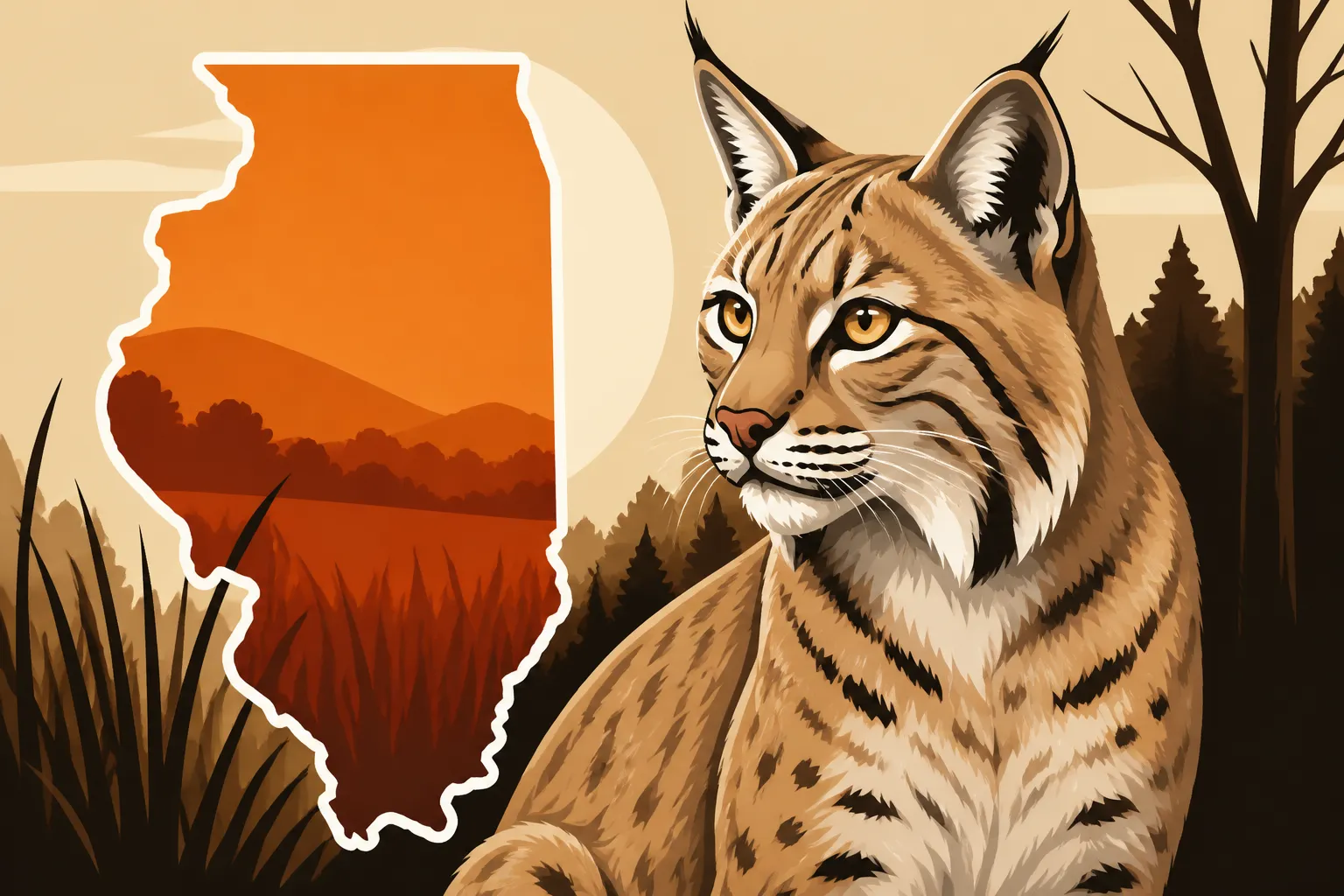
For years, spotting a bobcat in Illinois was like seeing a ghost – a rare, almost mythical encounter that left you questioning if you really saw anything at all. Many hunters spent decades in the woods without ever laying eyes on one, leading to the common frustration that these elusive predators were simply gone from much of the state. This comprehensive guide will delve into the remarkable comeback story of bobcats in Illinois, detailing where these secretive felines are now thriving, why their populations have rebounded, and what this means for the state's ecosystem and outdoor enthusiasts.
The Comeback Story of Illinois Bobcats
It's truly incredible to think about how far bobcats have come in Illinois. Not so long ago, their numbers were so low that many of us thought they might disappear entirely from our landscape. Their journey from near extirpation to a thriving population is a testament to dedicated conservation efforts and the resilience of nature itself.
Historical Context and Near Extirpation
Back in the early to mid-20th century, the future looked pretty bleak for Illinois bobcats. Habitat loss was a massive factor, as forests were cleared for agriculture and development across the state. Farmers often viewed bobcats as threats to livestock, leading to extensive hunting and trapping with little regulation. Coupled with a lack of understanding about their ecological role, these pressures pushed bobcat populations to critically low levels.
By the 1970s, the situation was dire enough that the bobcat was listed as a state-threatened species. This wasn't just a label; it reflected a very real fear that these beautiful, wild cats would vanish from Illinois forever. Stories from older hunters often confirm this, reminiscing about the "old days" when a bobcat sighting was unheard of, a once-in-a-lifetime event. It was a tough time for many wildlife species, and the bobcat was certainly among those struggling the most to hold on.
Legal Protection and Management Efforts
The listing of bobcats as threatened was a crucial turning point. It led to a complete prohibition on hunting and trapping them, offering them much-needed breathing room. This wasn't just a passive protection; it sparked more active management strategies. Wildlife biologists began studying bobcat populations more closely, trying to understand their habits, preferred habitats, and what factors were limiting their recovery.
Over several decades, as forests regenerated in some areas and land use practices shifted, bobcats slowly began to make a comeback. Their numbers steadily increased, first in isolated pockets and then spreading. By 1999, the bobcat population had rebounded sufficiently to be removed from the state-threatened species list, a huge victory for conservation. This didn't mean they were abundant everywhere, but it signaled a healthy and growing population. The cautious approach continued, and eventually, in recent years, a limited hunting and trapping season was reinstated, a move carefully managed to ensure the population's sustainability. This careful stewardship, combining protection with science-based management, has been key to their success. You can see similar management strategies at play in discussions around Illinois's Recovering Bobcat Population and how game species are monitored.
Where Bobcats Are Now Thriving
So, if you're wondering where you might actually catch a glimpse of one of these elusive creatures, it's not entirely random. Bobcats are pretty particular about where they like to hang out, and certain regions of Illinois offer just what they need to thrive.
Key Geographic Regions and Habitat Preferences
Bobcats generally prefer dense, undisturbed areas with a mix of forest, brushy cover, and rocky outcrops. They love places where they can move stealthily, ambush prey, and find secure dens. In Illinois, this means you're most likely to find them in the southern and western parts of the state.
- Southern Illinois: This region, particularly the Shawnee National Forest area and the rolling hills of the Shawnee Hills, is a prime bobcat haven. The extensive timber, deep ravines, rock bluffs, and numerous creek bottoms provide ideal cover and hunting grounds. Places like Union, Jackson, Pope, and Hardin counties are known for their healthy bobcat populations. The rugged terrain offers plenty of nooks and crannies for den sites and escape routes.
- Western Illinois: Along the bluffs and river drainages of the Mississippi River, you'll also find strong bobcat numbers. Counties like Pike, Adams, Calhoun, and Greene offer a mosaic of timbered river breaks, agricultural fields, and brushy fence rows that support a good prey base and ample cover. The fragmented nature of the landscape here, with pockets of dense timber interspersed with open land, creates excellent edge habitat that bobcats exploit.
While less common, bobcats have also expanded their range into parts of central and even northern Illinois, especially where large timber blocks or extensive unfragmented natural areas exist, such as around the Illinois River Valley or areas with substantial state parks and wildlife areas. These populations are often less dense but are a testament to their continued spread. Understanding how to scout for these areas, even without direct bobcat sign, can be beneficial for any hunter, similar to how one might go about Scouting Illinois Public Land Before Season.
Here's a quick look at some key habitat characteristics that signal good bobcat country:
| Habitat Characteristic | Why Bobcats Like It |
|---|---|
| Dense Undergrowth | Provides excellent camouflage for stalking prey and escaping detection. |
| Thick Timber Stands | Offers security, denning sites, and shade in summer. |
| Rocky Outcrops/Bluffs | Ideal for den sites, elevated vantage points, and thermal cover. |
| Water Sources | Essential for hydration; often draws prey species. |
| Edge Habitat | Where different habitat types meet (e.g., forest and field), often rich in prey. |
| Remote, Undisturbed Areas | Minimizes human disturbance, allowing them to establish territories. |
Identifying Prime Habitat on Public and Private Land
Whether you're hunting deer, turkeys, or just out hiking, knowing what to look for can increase your chances of spotting a bobcat or at least knowing you're in their territory. On public land, think about the larger, less-pressured timber blocks. Use mapping apps like GoHunt to identify areas with dense forest cover, especially those with steep terrain, creek systems, or rock formations. These aren't typically the easiest places to hunt, which often means less human disturbance – exactly what a bobcat wants. Using the Illinois DNR Map Tool can be incredibly helpful for this, allowing you to layer different geographical features.
For private land, it's all about asking the right questions and observing the landscape. Farmers often know their land intimately and might have seen bobcats. Look for unmanaged woodlots, brushy draws, and overgrown fencerows that connect larger timber blocks. If a landowner has a lot of rabbits, squirrels, or wild turkeys, it's likely a good food source for a bobcat. You might even find them using old logging roads or trails as travel corridors, though they are exceptionally good at remaining unseen. Building a good relationship with landowners, similar to the advice in Getting Private Land Permission in Illinois, can sometimes open doors to insights about local wildlife.
Understanding Bobcat Ecology in Illinois
To truly appreciate the bobcat's resurgence, it helps to understand a bit about how they live. They're not just pretty faces; they're vital parts of our ecosystem, playing a critical role as predators.
Diet and Prey Availability
Bobcats are obligate carnivores, meaning they rely almost entirely on meat for their diet. In Illinois, their primary food sources are small mammals like rabbits and rodents (mice, voles, squirrels). These make up the bulk of their meals, providing consistent sustenance. Think about areas with healthy populations of Illinois Squirrel and Rabbit Populations – that's bobcat buffet country.
However, they are opportunistic hunters and will readily take advantage of other available prey. This can include birds, reptiles, and even insects. They're also known to prey on young deer, especially fawns, though this isn't their primary food source for adult deer. During harsh winters or when small game populations are low, bobcats might expand their diet to include larger animals or scavenged carrion. This adaptability is one of the reasons they've been so successful at rebounding in diverse Illinois habitats.
Behavior, Movement, and Reproduction
Bobcats are solitary and primarily nocturnal or crepuscular (active at dawn and dusk), which is why they're so difficult to spot. They are territorial, with males often having larger home ranges that can overlap with several females. Their movements are dictated by prey availability and the need to patrol their territory. They use scent marking, claw marks, and scat to communicate with other bobcats in their area.
Breeding typically occurs in late winter and early spring, with kittens born in the spring or early summer. A typical litter consists of two to four kittens, born blind and helpless in a den site – often a hollow log, rock crevice, or dense brush pile. The female raises the kittens alone, teaching them to hunt until they are old enough to disperse and establish their own territories, usually around six to twelve months of age.
Their secretive nature and low-density populations mean that while they are rebounding, they are still not an animal you'll stumble upon every day. Patience and a keen eye are essential for any outdoor enthusiast hoping for a glimpse. Their presence is a good indicator of a healthy, biodiverse environment, showcasing how interconnected all elements of our natural world are, from Illinois Deer Population Estimate to the smallest rodent.
How Hunters and Landowners Can Coexist with Bobcats
The return of bobcats is overwhelmingly positive for Illinois's biodiversity, but like any predator, their presence can sometimes lead to concerns, particularly for landowners with small livestock or outdoor pets. Understanding how to coexist is key to ensuring their continued success.
Mitigating Conflicts with Livestock and Pets
While bobcats primarily stick to wild prey, a hungry bobcat can occasionally eye easy meals like chickens, ducks, or even small goats or lambs. The best defense is proactive prevention. Secure coops and pens with sturdy wire mesh, ensuring there are no gaps for a bobcat to squeeze through. Bury fencing a few inches into the ground to prevent digging underneath. Nighttime security is crucial, as this is when bobcats are most active. Consider using electric fencing for larger enclosures or motion-activated lights.
For pets, especially cats and small dogs, it's always safest to keep them indoors at night or in securely fenced yards. Even during the day, supervising small pets in areas known to have bobcats is a good practice. While bobcat attacks on pets are rare, they do happen, and taking simple precautions can prevent heartache. Think about the general advice for coexisting with other predators, such as Predator Calling Southern Illinois Ridgelines, where understanding their behavior is critical.
Responsible Viewing and Appreciation
For hunters and outdoor enthusiasts, the return of the bobcat offers a unique opportunity to witness a truly wild and magnificent creature. If you are lucky enough to spot a bobcat, observe it from a distance. Do not approach it, feed it, or attempt to interact with it. Keep dogs on a leash, especially in areas where bobcats are known to roam, to prevent conflicts.
The thrill of seeing a bobcat in the wild is immense, a stark reminder of the wildness that still thrives in Illinois. Their rebounding numbers are a testament to successful conservation and a healthier ecosystem. Their presence means less reliance on a single predator species like the Illinois Coyote Range and Density to manage smaller game, contributing to a more balanced environment. Appreciating these animals from a respectful distance ensures both our safety and their continued success in their natural habitat.
Disclaimer
This article is for general informational purposes only and does not constitute professional advice. Laws, prices and regulations vary by location and change over time. Consult a qualified professional for guidance on your specific situation.