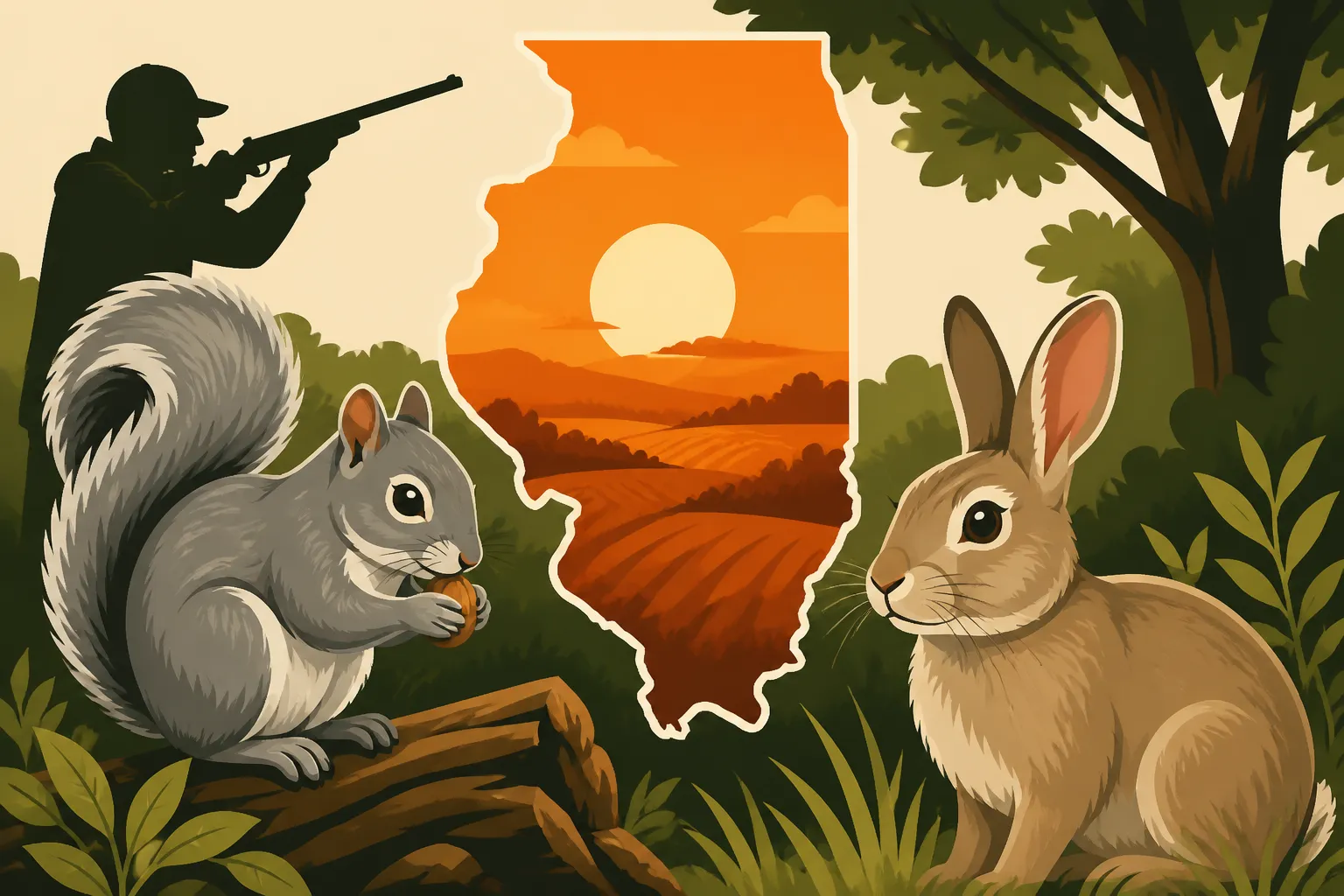
Illinois Squirrel and Rabbit Populations
For hunters across Illinois, there's a unique charm in pursuing small game like squirrels and rabbits. But it can be incredibly frustrating when you head out to your favorite timber stand or brushy fencerow, only to find the woods eerily quiet or the thickets empty. Understanding the population dynamics of these common game animals is key to successful hunts and appreciating the health of our local ecosystems, and this guide will dive deep into what drives squirrel and rabbit numbers across the Prairie State.
Understanding Illinois Squirrel Dynamics
Illinois is home to two main squirrel species that hunters pursue: the fox squirrel and the gray squirrel. While they share the general "squirrel" designation, their habitat preferences, behavior, and population trends often differ, impacting where and how hunters find them. Getting to know these differences is crucial for any small game enthusiast looking to fill their vest.
Fox Squirrels: The Big Country Boys
Fox squirrels are the larger, more robust of our two common species, often sporting a reddish-brown coat with a yellowish belly. You'll typically find them in more open, mature woodlands, especially those with a mix of hardwoods and agricultural fields nearby. They love timber tracts bordering cornfields or soybean fields, where they can forage for grains when nuts are scarce. Their size makes them a prominent target, and they're often seen on the edges of woodlots and along fencerows in rural areas. Think big oak trees and hickory groves where they can store their winter cache, but always with an eye on the agricultural buffet next door. Their home range is usually larger than that of a gray squirrel, and they're often a bit less skittish, sometimes allowing a hunter to get a better shot if they remain still. They're also known for spending more time on the ground foraging.
When you're out Squirrel Hunting Illinois Hickory Groves, you're almost certainly targeting fox squirrels, as these mast-producing trees are a major draw. Their populations tend to be pretty stable in areas with good habitat diversity, meaning a consistent mix of mature timber for shelter and mast, and open fields for supplementary food. They can tolerate a bit more human disturbance than grays, often thriving even near suburban developments where mature trees are present. However, intense timber harvesting that removes large, mast-producing trees can certainly impact their local numbers over time.
Gray Squirrels: Timberland Acrobats
Gray squirrels, true to their name, are generally smaller and more uniformly gray, often with a white belly. These nimble creatures are quintessential residents of dense, mature hardwood forests, particularly those with a strong understory and plenty of den trees. They prefer continuous canopy cover and are less commonly found out in isolated farm woodlots than their fox squirrel cousins. If you're walking through a big block of timber, especially river bottoms or state forests, you're much more likely to encounter a flurry of gray squirrels leaping from limb to limb. Their agility and speed in the treetops make them a challenging and exciting target, often requiring quick reflexes and keen eyesight to spot them amidst the branches.
Areas like the bottomland hardwoods along the Illinois River are prime habitat for gray squirrels. Hunters interested in Squirrel Hunting Illinois Bottomland Hardwoods will find a very different experience than hunting field edges. Their populations are heavily tied to the health and connectivity of these large forest blocks. They depend on consistent mast crops, especially acorns and hickory nuts, for survival, and their numbers can fluctuate significantly based on mast production from year to year. A poor mast year in a particular area can mean lower gray squirrel numbers the following season, as fewer young are successfully reared.
Squirrel Population Trends and Cycles
Illinois squirrel populations, both fox and gray, generally remain robust throughout much of the state, especially where suitable habitat exists. However, it's not a static picture. You'll notice localized fluctuations based on several factors. The most significant is undoubtedly the mast crop from the previous fall. If it was a bumper year for acorns and hickory nuts, squirrels go into winter well-fed and often have higher reproductive success in the spring. Conversely, a poor mast year can lead to increased winter mortality and fewer young being born, resulting in lower squirrel numbers the next hunting season.
Beyond mast crops, habitat quality and connectivity play a huge role. Large, contiguous tracts of mature timber support healthy gray squirrel populations, while a mosaic of smaller woodlots and agricultural fields benefits fox squirrels. Weather patterns, particularly severe winters or prolonged droughts, can also impact survival and breeding success. For hunters, paying attention to these cycles is crucial. A good scouting app like GoHunt can help you identify areas with a high density of mast-producing trees, which might indicate better squirrel numbers. Checking historical Illinois Squirrel Harvest Numbers can also give you an idea of long-term trends in your preferred hunting areas.
Illinois Rabbit Populations and Habitat
Like squirrels, rabbits are a staple of small game hunting in Illinois, providing fast-paced action and delicious table fare. The Eastern cottontail is the primary species pursued, and understanding their preferences and population health is key to finding success in the field.
Cottontails: The Ubiquitous Brush Dwellers
The Eastern cottontail is arguably the most recognizable rabbit in Illinois. They are incredibly adaptable and can be found in a wide variety of habitats, from dense brush thickets and fencerows to overgrown pastures, forest edges, and even suburban gardens. What they all crave, however, is cover – thick, escape-proof cover where they can hide from predators and raise their young. Think briar patches, honeysuckle jungles, downed timber piles, and dense clumps of tall grasses. These rabbits are prolific breeders, with females capable of having multiple litters throughout the spring and summer, which allows their populations to rebound quickly after environmental setbacks.
Hunting cottontails often means pushing through nasty, thorny cover, which is exactly why they thrive there. If you're planning on Rabbit Hunting Illinois Fencerows, you'll quickly realize that the thicker the cover, the more likely you are to jump a rabbit. They don't typically venture far from their dense hideaways, always preferring to have an escape route nearby. Their diet is mostly herbaceous, consisting of grasses, clover, forbs, and the tender shoots of various plants, making them common around fields and pastures.
Rabbit Habitat Preferences and Decline
While adaptable, Eastern cottontails have specific habitat requirements that are increasingly threatened in many parts of Illinois. They need dense, early successional cover – young brush, brambles, and tall weeds – interspersed with open feeding areas. Unfortunately, modern agricultural practices often remove fencerows and brushy field edges to maximize planting area, and suburban development converts prime rabbit habitat into manicured lawns. This habitat loss and fragmentation are significant contributors to localized declines in rabbit populations.
You'll still find strong numbers in areas with neglected farmsteads, fallow fields, and timber clear-cuts where young growth has sprung up. Good rabbit cover means thick, impenetrable patches where predators can't easily follow. A prime rabbit spot might have a mix of multiflora rose, osage orange hedges, and tall perennial grasses. Without this specific type of habitat, even prolific breeders like cottontails struggle. Understanding Illinois Cottontail Population Trend data shows that while resilient, they are still vulnerable to large-scale habitat changes.
Regional Variances in Rabbit Numbers
Rabbit populations, even more so than squirrels, can vary dramatically from one region of Illinois to another. Southern Illinois, with its more rugged topography, less intense agriculture, and larger tracts of diverse habitat (including more edges, clear-cuts, and brushy draws), often holds stronger rabbit numbers. Here, you'll find plenty of opportunities for Rabbit Hunting Thick Illinois Brush, especially where timber has been harvested or left to revert to early successional growth.
In contrast, highly agricultural areas of Central and Northern Illinois, where fence rows are often clean-cut and woodlots are isolated, may see lower rabbit densities. However, even in these areas, pockets of excellent rabbit habitat can exist around waterways, railroad tracks, and in conservation reserve program (CRP) fields. Scouting is paramount, and using tools like GoHunt can help identify potential brushy cover and overgrown areas on aerial maps that might otherwise be overlooked. It's truly a game of finding the thickest, nastiest cover you can, no matter the region.
Factors Influencing Small Game Numbers
The populations of Illinois's small game species, particularly squirrels and rabbits, are not static. They ebb and flow, influenced by a complex interplay of environmental factors. Understanding these drivers helps hunters appreciate the challenges wildlife faces and informs conservation efforts.
Habitat Loss and Fragmentation
Perhaps the most significant long-term threat to small game populations is habitat loss and fragmentation. As Illinois remains a predominantly agricultural state, the relentless march of modern farming practices often means the removal of hedgerows, fencerows, small woodlots, and brushy field edges to maximize tillable acreage. These "edge habitats" are crucial for both squirrels and rabbits, providing food, cover, and travel corridors. When these areas are removed, populations become isolated, making them more vulnerable to localized extinctions and reducing overall genetic diversity.
For squirrels, the loss of mature, mast-producing trees, whether due to timber harvesting or urban development, directly impacts their food supply and den sites. For rabbits, the decline in early successional habitats—the brambles, briars, and thickets they rely on for escape cover and nesting—is particularly damaging. Even relatively small changes in land use can have a ripple effect, forcing animals into less suitable areas where survival rates are lower. Conservation programs that encourage landowners to retain or restore these vital habitats are incredibly important for the future of small game hunting.
Weather Patterns and Reproduction
Weather plays a critical role in the annual success of small game populations. Mild winters with good snow cover can protect rabbits from predators and provide insulation, leading to higher overwinter survival rates. Conversely, harsh winters with prolonged periods of extreme cold and deep, crusty snow can make foraging difficult and expose animals to predation, significantly reducing numbers.
Spring and summer weather are equally crucial for reproduction and young survival. A wet, cool spring might hinder early rabbit litters or wash out squirrel nests. Drought conditions can reduce the availability of succulent forage for rabbits and impact mast production for squirrels, leading to less successful breeding seasons. On the other hand, a favorable combination of weather conditions can lead to a boom year, with strong recruitment of young into the population. These natural cycles are part of hunting, and understanding them helps set realistic expectations for a given season.
Predation and Disease
Nature's balance also includes predation and disease, which constantly influence small game numbers. Coyotes, foxes, bobcats, raccoons, opossums, and various raptors (hawks and owls) all prey on squirrels and rabbits. While a healthy ecosystem can sustain a certain level of predation, localized increases in predator populations, coupled with habitat degradation, can put additional pressure on small game. For instance, if rabbit cover is sparse, they become much easier targets for a hungry coyote.
Diseases can also sweep through populations, particularly when animals are stressed by poor habitat or severe weather. Tularemia, for example, can impact rabbit populations, especially during periods of high density. For squirrels, mange or various internal parasites can weaken individuals, making them more susceptible to other environmental stressors. The Illinois Department of Natural Resources (IDNR) monitors wildlife diseases, and hunters are often the first to report unusual sightings or sick animals, contributing valuable data to wildlife management efforts.
Conservation Efforts and Management
Maintaining healthy small game populations requires ongoing effort. The IDNR, landowners, and hunters all play a vital role in ensuring that Illinois continues to offer robust opportunities for squirrel and rabbit hunting for generations to come.
IDNR's Role in Small Game Management
The Illinois Department of Natural Resources (IDNR) is the primary agency responsible for managing small game populations. Their biologists conduct surveys, monitor harvest data (like those found in Illinois Squirrel Harvest Numbers), and conduct research to understand population trends and health. Based on this data, they establish hunting seasons, bag limits, and other regulations, such as those detailed in the Illinois Small Game Season Rules, designed to ensure sustainable harvest while allowing populations to thrive.
The IDNR also oversees various land acquisition and habitat management programs on public lands. These efforts might include prescribed burns to promote early successional habitat for rabbits, selective timber harvesting to encourage mast production for squirrels, or planting native vegetation to enhance biodiversity. They also offer technical assistance and cost-share programs to private landowners who wish to implement wildlife habitat improvements on their property. This collaborative approach is essential given how much of Illinois is privately owned.
Habitat Improvement Programs
Many organizations and agencies beyond the IDNR are actively involved in habitat improvement. Groups like Pheasants Forever and Quail Forever, while focused on specific bird species, also champion habitat practices that greatly benefit rabbits and squirrels. Creating and maintaining dense cover, establishing diverse forage, and planting mast-producing trees are all actions that improve habitat for a wide array of wildlife. Programs that incentivize planting native grasses, wildflowers, and shrubs are particularly beneficial for rabbit populations, providing both food and crucial escape cover.
Landowners can explore options through their local soil and water conservation districts or USDA programs like the Conservation Reserve Program (CRP). These initiatives can help fund the establishment of buffer strips, pollinator habitats, and other land uses that directly benefit small game. Even on smaller parcels, planting a thick hedgerow of native shrubs or letting a field edge grow wild can create a small haven for rabbits and squirrels. These localized efforts, when aggregated, can significantly contribute to overall population health.
Hunter Involvement and Citizen Science
Hunters are often the eyes and ears of conservation on the ground. By purchasing hunting licenses and habitat stamps, they directly fund the conservation efforts of the IDNR. But their involvement goes beyond financial contributions. Reporting harvest information, participating in surveys, and simply observing wildlife populations during their time afield provides invaluable data to biologists. If you notice a significant decline in rabbits in an area that was previously productive, reporting that to the IDNR can help them identify potential issues.
Many hunters also actively engage in habitat improvement on their own property or volunteer on public lands. Clearing invasive species, planting food plots, or even creating brush piles provides immediate benefits to small game. Joining local conservation organizations or simply educating oneself about habitat needs can empower hunters to be more effective stewards of the land. Tools like GoHunt can also help hunters identify potential habitat areas that could benefit from improvement or focus their efforts where habitat is already thriving.
Hunting Strategies Based on Population Trends
Understanding the current state of squirrel and rabbit populations isn't just academic; it directly informs how you approach your hunt. Adapting your strategies to the prevailing conditions can greatly increase your chances of success and ensure a more rewarding experience in the field.
Scouting for High-Density Areas
The most effective strategy for small game hunting is thorough scouting, and this becomes even more critical when populations might be fluctuating. Instead of relying solely on last year's hotspots, spend time before the season opens, or even during the early season, looking for fresh sign. For squirrels, this means finding areas with abundant mast. Look for cut nut hulls under oak, hickory, and pecan trees. These are tell-tale signs of active feeding. A good app like GoHunt can help you overlay public land boundaries with satellite imagery, allowing you to identify potential mast trees or dense timber blocks that hold gray squirrels. Pay close attention to How Early Season Squirrels Give Themselves Away through their chatter and movement.
For rabbits, focus your scouting on finding the thickest, nastiest cover available. This might be briar patches, honeysuckle stands, downed tree tops, or dense fencerows. Look for droppings, small trails, and areas where vegetation has been browsed. Even in areas with generally lower rabbit numbers, there will often be pockets of excellent habitat that hold a disproportionate number of animals. Don't be afraid to explore new areas, especially those that look too thick or overgrown for casual walks—those are often rabbit paradises.
Adapting Tactics to Population Cycles
If you know it's been a poor mast year, or if you're hearing reports of lower rabbit numbers in your region, don't give up! Instead, adapt your tactics. For squirrels, this might mean focusing more intensely on the few remaining productive mast trees, especially during morning and evening feeding times. If natural food is scarce, squirrels might spend more time foraging in agricultural fields adjacent to woodlots, making field edges a productive place to hunt. Be patient and move slowly, covering ground quietly.
For rabbits, if populations are down, you might need to cover more ground or enlist the help of a good dog. Running Beagles on Illinois Cottontails can be incredibly effective, as the dogs can push rabbits out of cover that you might otherwise walk past. If hunting without dogs, consider hunting after a fresh snow, which can make rabbits more visible against the white background and reveal their tracks, leading you directly to their hiding spots. Focus on driving small, isolated patches of cover repeatedly, as rabbits will often circle back to their home turf.
Ethical Hunting and Sustainable Harvest
Regardless of population levels, ethical hunting practices are always paramount. This means respecting bag limits and season dates, which are set by the IDNR to ensure sustainable harvest. It also means making clean, quick kills and always ensuring you have a safe backdrop for your shot. When populations are lower, it's even more important to be mindful of your harvest and consider taking fewer animals, focusing on the experience rather than simply filling a bag.
Practicing good sportsmanship, respecting private property, and sharing your knowledge with new hunters are all part of responsible hunting. Remember that your hunting license and habitat stamp directly contribute to the conservation efforts that benefit these very populations. By being informed, adapting your approach, and hunting ethically, you contribute to the long-term health of Illinois's small game resources.
Comparing Illinois Small Game Species
Here's a quick look at some key differences between Illinois's primary small game species:
| Feature | Fox Squirrel | Gray Squirrel | Eastern Cottontail Rabbit |
|---|---|---|---|
| Size | Larger, robust | Smaller, slender | Medium-sized, typical rabbit appearance |
| Coloration | Reddish-brown with yellowish belly | Uniform gray with white belly | Mottled brown/gray, white cottontail |
| Primary Habitat | Open, mature woodlands, woodlot edges, ag-land | Dense, mature hardwood forests, river bottoms | Dense brush, fencerows, thickets, overgrown fields |
| Movement Style | Often on ground, climbs trees | Agile in trees, less ground time | Quick bursts, hides in dense cover |
| Diet | Nuts, seeds, grains, buds, fruits | Nuts (acorns, hickory), seeds, buds, fungi | Grasses, forbs, clover, tender shoots |
| Population Trend | Generally stable with good habitat diversity | Stable but sensitive to mast crop and forest health | Variable; sensitive to habitat loss and fragmentation |
| Hunting Strategy | Still-hunting, stalking, targeting mast trees | Still-hunting, stalking in dense timber | Pushing cover, dog hunting, post-snow tracking |
Disclaimer
This article is for general informational purposes only and does not constitute professional advice. Laws, prices and regulations vary by location and change over time. Consult a qualified professional for guidance on your specific situation.