Running Beagles on Illinois Cottontails
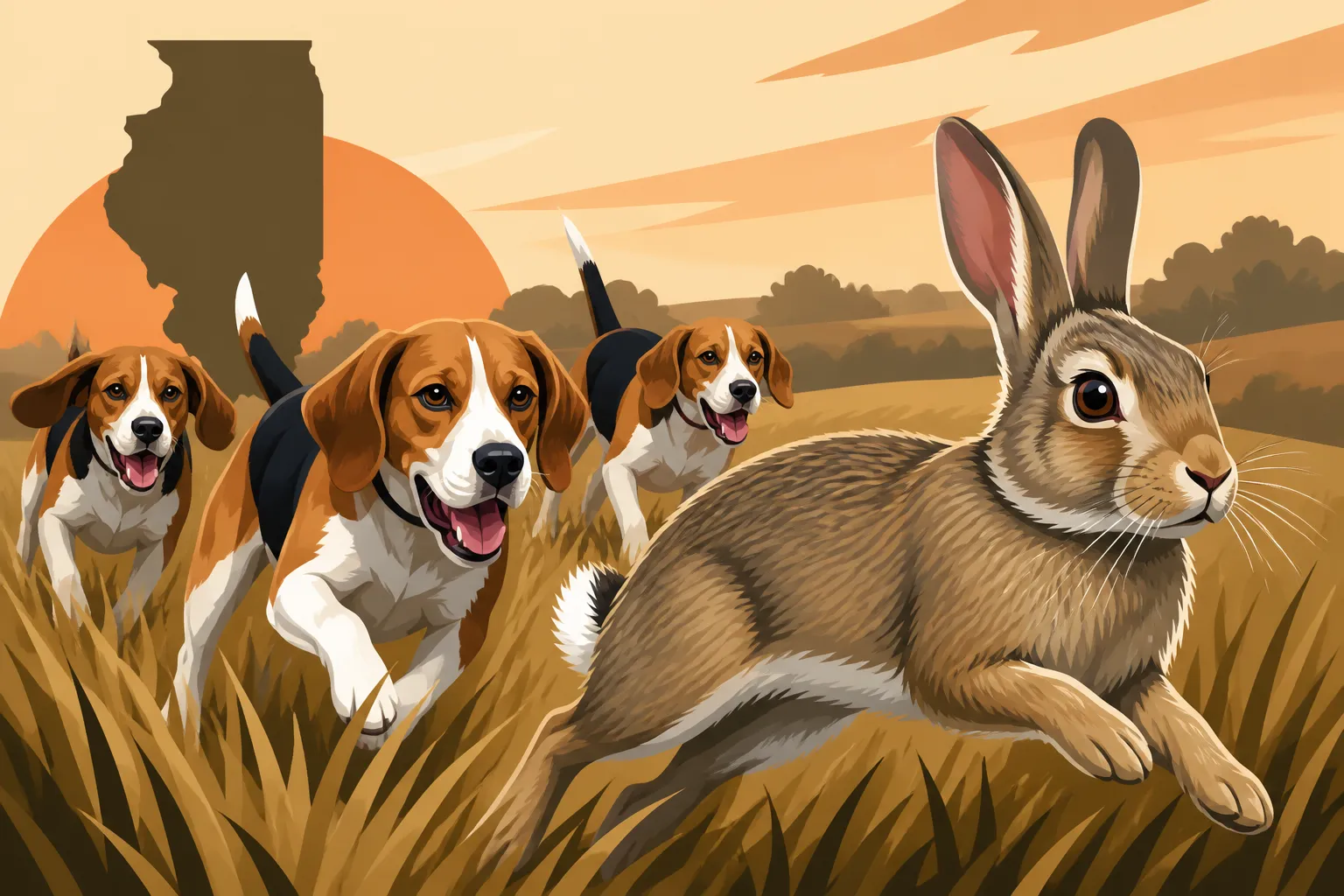
There’s a special kind of magic that happens when a pack of beagles hits a brushy field, their noses to the ground, and then that first bark rings out, signaling a hot track. For many of us, it’s the soundtrack to our earliest hunting memories, and frankly, there's nothing quite like the thrill of a good rabbit chase. But if you're new to the sport, or looking to get more consistent results, figuring out how to successfully run beagles on Illinois cottontails can feel like a daunting task, especially with dense cover and often unpredictable weather. This comprehensive guide will walk you through everything you need to know, from understanding the rabbits themselves to essential dog care and tactical field strategies, ensuring your next hunt in the Prairie State is a memorable one.
Understanding Illinois Cottontails and Their Habitat Preferences
Before you even think about releasing your dogs, it's crucial to understand the elusive Illinois cottontail. These aren't just any rabbits; they're creatures of habit and masters of blending into their surroundings. Knowing their typical behavior and preferred hangouts will significantly increase your chances of a successful hunt.
Rabbit Behavior and Daily Routines
Illinois cottontails, like most rabbits, are most active during the twilight hours – dawn and dusk. This is when they venture out from their secure cover to feed on grasses, clover, alfalfa, and tender young shoots. During the day, especially if it's cold, windy, or there's heavy hunting pressure, they'll hunker down deep within dense cover, making them harder for dogs to jump. They have relatively small home ranges, often less than 10 acres, which means if you find good habitat with signs of rabbits, there's a good chance they'll be there consistently. Their primary defense mechanism is not fighting, but rather freezing, and if that fails, a burst of speed and frantic zig-zagging to dive into the nearest thicket. Understanding this gives your dogs a real advantage because they can follow the scent trail even when the rabbit is out of sight.
One of the frustrations many hunters face is finding an area that looks perfect but yields no rabbits. This often comes down to timing or simply not understanding subtle cues. For example, after a fresh snow, you'll see tracks if rabbits are active. Look for small, pellet-like droppings, clipped vegetation at an angle (deer tear leaves, rabbits make a clean cut), and flattened areas in tall grass where they might have bedded down. Even without snow, these signs can tell you a lot. A good scout with a mapping app like GoHunt can help you identify these prime locations by analyzing satellite imagery for edge cover and food sources.
Identifying Prime Rabbit Cover
Cottontails are true edge dwellers, meaning they thrive where two different types of habitat meet. Think about where a crop field borders a thicket, or where a fencerow runs alongside a pasture. These transition zones provide both food and immediate escape cover, which is critical for their survival.
Brush Piles and Fencerows
In Illinois, you'll find brush piles and overgrown fencerows absolutely teeming with rabbits if the conditions are right. Farmers clearing land often create large brush piles, and these offer incredible protection from predators and harsh weather. A good fencerow, especially one choked with multiflora rose, osage orange, or hawthorn, acts like a superhighway for rabbits, allowing them to move safely between feeding and bedding areas. These linear features are goldmines for beagle hunters, as the dogs can work them efficiently, pushing rabbits along the line. When Rabbit Hunting Illinois Fencerows, it's often productive to have hunters spread out along the fencerow, ready for a rabbit to break cover.
Standing Crops and Tall Grasses
Late-season hunting often means standing corn or soybean fields provide excellent cover, even after harvest. The stubble and residual plants offer both food and concealment. As fields are harvested, rabbits often move to any remaining standing cover, like uncut strips, waterways, or adjacent grassy areas. CRP (Conservation Reserve Program) fields, with their thick stands of native grasses and wildflowers, are also prime locations, offering dense cover that can hold a lot of rabbits. Don’t overlook creek bottoms or drainage ditches that might have grown up with briars and thick weeds; these often get less pressure and can hide a surprising number of cottontails. Using a detailed mapping tool from a service like GoHunt can help you pinpoint these unharvested patches or dense grass waterways from afar, saving valuable scouting time.
Equipping and Training Your Beagles for the Field
Your beagles are the heart of your rabbit hunting operation. Their keen noses and relentless drive are what make this sport so exhilarating. But like any athlete, they need the right equipment, proper training, and diligent care to perform their best.
Essential Gear for Your Hounds
Having the right gear isn't just about comfort; it's about safety and efficiency for both you and your dogs.
| Item | Description | Why It's Essential |
|---|---|---|
| GPS Tracking Collar | Devices like Garmin Alpha series collars with handheld units. | Crucial for locating dogs in dense cover, tracking their run, and preventing loss. |
| Protective Vest/Armor | Made from durable materials (e.g., Cordura, Kevlar) to shield against briars, thorns, and sharp sticks. | Prevents injuries to chest, belly, and legs in thick brush, reducing vet bills. |
| Bell | Attached to the collar, often a loud brass or cowbell. | Helps you pinpoint your dog's location by sound, especially when they're working a track. |
| Leash and Collar | Strong, reflective leash and a durable flat collar for control outside the hunt. | Essential for safe transport, control at the truck, and compliance with leash laws. |
| First-Aid Kit (Dog) | Gauze, antiseptic wipes, vet wrap, small scissors, tweezers, styptic powder. | For treating minor cuts, punctures, or pad injuries quickly in the field. |
| Water and Bowl | Ample fresh water and a portable bowl. | Hydration is critical for working dogs, especially on longer hunts. |
| Dog Box/Crate | Secure, well-ventilated transport solution for safe travel. | Protects dogs during transport and provides a safe, comfortable resting place. |
Beyond this list, consider a good dog whistle for recall, a sturdy lead to keep them contained until it's time to run, and even protective paw balm for their pads on rough terrain. A portable brush and comb can also be useful for removing burrs and debris after a run.
Training Your Beagle for Rabbit Hunting
Training a beagle for rabbit hunting is often described as more like guiding than teaching, as the drive to chase is so innate. However, proper training channels that instinct into an effective hunting partner.
Early Exposure and Scent Work
Start young, even as puppies. Expose them to different terrains, sounds, and the scent of rabbits (if possible, with a captured rabbit in a pen or using rabbit scent training aids, though nothing beats the real thing). The goal is to build confidence and reinforce their natural prey drive. Many serious beagle hunters will work with reputable breeders who specialize in field-bred lines known for their strong noses and excellent voices on a track. These dogs often have generations of proven rabbit-chasing ability in their blood. As your pup grows, introduce them to small game tracking games, rewarding them when they show interest in a scent.
Recall and Obedience
While their primary job is to chase, reliable recall is paramount for safety and control. No matter how hot the chase, you need to be able to call your dog back, especially on public land or near roads. Practice "come" commands consistently, starting in low-distraction environments and gradually increasing the challenge. Positive reinforcement, like treats and praise, works wonders with beagles. They are often highly food motivated. Consistent practice of basic obedience commands like "sit," "stay," and "heel" will also make your hunting trips more enjoyable and safer for everyone involved.
Effective Field Tactics for Illinois Cottontails
Once your dogs are ready and you've scouted your spots, it's time to put boots on the ground. The way you work your dogs and navigate the terrain directly impacts your success.
Working the Dogs and Understanding the Chase
The beauty of beagle hunting lies in the music of the chase. You want to "cast" your dogs into good cover, allowing them to fan out and work their noses. They'll pick up the scent, and when they do, the barks will start. A deep, steady chop usually means a cold trail, but as the scent gets hotter and they get closer to jumping the rabbit, the barks become more excited, higher pitched, and faster. This is when your heart starts pounding.
Rabbits typically run in circles, especially when pressured. They know their home range intimately and will try to double back to the security of their briar patch or brush pile. Your job, as the hunter, is to listen to your dogs, anticipate where the rabbit will circle back, and position yourself quietly for a shot. This is where experience and knowledge of the terrain really pay off. On public hunting land in Illinois, like some of the Illinois State Fish and Wildlife Areas, you might find yourself navigating varied terrain, from dense timber edges to open fields. It's crucial to understand how a rabbit will react to different types of pressure and escape routes.
Positioning and Shot Placement
When the dogs are hot on a track and you hear that distinct shift in their barking, it's time to get ready. Find a clear shooting lane, often along the edge of the cover, where you expect the rabbit to emerge. You don't want to shoot into the thickest brush, as it's hard to get a clean shot and easy to hit a dog by mistake. Wait for the rabbit to break into a small opening or cross a path.
For shotguns, 20-gauge or 12-gauge are common choices, with shot sizes typically ranging from 6 to 7.5. These lighter loads are effective at typical rabbit hunting distances and reduce the risk of over-penetration. Always prioritize safety: know your backdrop, be absolutely sure of your target, and never shoot in the direction of your dogs or other hunters. Good communication with your hunting partners is essential, especially when you're all trying to anticipate a rabbit's movements. Remember, hunting isn't just about the harvest; it's about the entire experience and ensuring everyone returns home safely.
Illinois Regulations and Ethical Hunting Considerations
Responsible hunting means knowing and adhering to all local and state regulations. Illinois has specific rules that apply to small game hunting, including cottontails, and understanding them is paramount.
Licensing, Season Dates, and Bag Limits
First and foremost, you need the proper Illinois hunting licenses. This typically includes a Resident Hunting License (or Nonresident, if applicable) and an Illinois Habitat Stamp. You can usually purchase these online through the IDNR website. Always check the current year’s regulations as dates can shift slightly. The Illinois Rabbit Season Dates usually run from early November through early February, with a generous daily bag limit, often around five rabbits per hunter. Remember, knowing the precise dates for Illinois Small Game Season Rules is key to staying legal.
It’s always a good idea to carry physical or digital proof of your licenses and permits while afield. Conservation officers are out there, and they're just doing their job to ensure everyone is following the rules and that the resource is managed responsibly.
Hunter Safety and Blaze Orange Requirements
Safety is non-negotiable. Illinois law requires hunters to wear blaze orange during firearm deer seasons, but it’s always a smart idea when hunting with dogs, especially in thick cover. This makes you much more visible to other hunters and helps prevent accidents. Even during rabbit season outside of the deer firearms dates, wearing a blaze orange hat or vest is a simple, effective safety measure that could save a life. You’re sharing the woods with other hunters, hikers, and dog walkers, so being visible is crucial.
Furthermore, always treat every firearm as if it's loaded, keep the muzzle pointed in a safe direction, keep your finger off the trigger until you're ready to shoot, and be absolutely sure of your target and what's beyond it. When hunting with dogs, you need to be extra vigilant about where they are in relation to your line of fire. Taking an Illinois Hunter Education Requirements course, even if not strictly required for you, is always a beneficial step.
Respecting Landowner Rights and Public Access
Whether you're hunting private or public land, respecting property rights is fundamental. If you're on private land, ensure you have explicit, current permission from the landowner. A simple verbal agreement is usually fine, but some hunters prefer written permission for clarity. Always close gates, don't litter, and leave the property better than you found it. This builds good relationships and ensures future access for all hunters.
Illinois does offer significant public hunting opportunities. Before heading out, use resources like the Illinois DNR website or detailed mapping apps to identify legitimate public hunting lands. Services like GoHunt are excellent for this, as their mapping overlays can clearly show public land boundaries, allowing you to Where to Get an Illinois Public Land Map and stay within legal zones. Even on public land, be mindful of other users. Shared spaces require mutual respect. Sometimes, Finding Ground Others Walk Past on public land can lead to less pressured rabbits, but it might mean a longer walk into thicker cover.
Running beagles on Illinois cottontails is more than just a hunt; it's a cherished tradition, a test of skill, and a celebration of the bond between hunter and hound. With a solid understanding of rabbit behavior, well-trained dogs, sound field tactics, and a commitment to safety and ethical practices, you'll be well on your way to enjoying many memorable days afield in Illinois.
Disclaimer
The information provided in this guide is for general informational purposes only and does not constitute legal advice. Hunting regulations and laws are subject to change. Always consult the most current Illinois Department of Natural Resources (IDNR) regulations and local ordinances before engaging in any hunting activities.