Aging Venison in Cold Weather
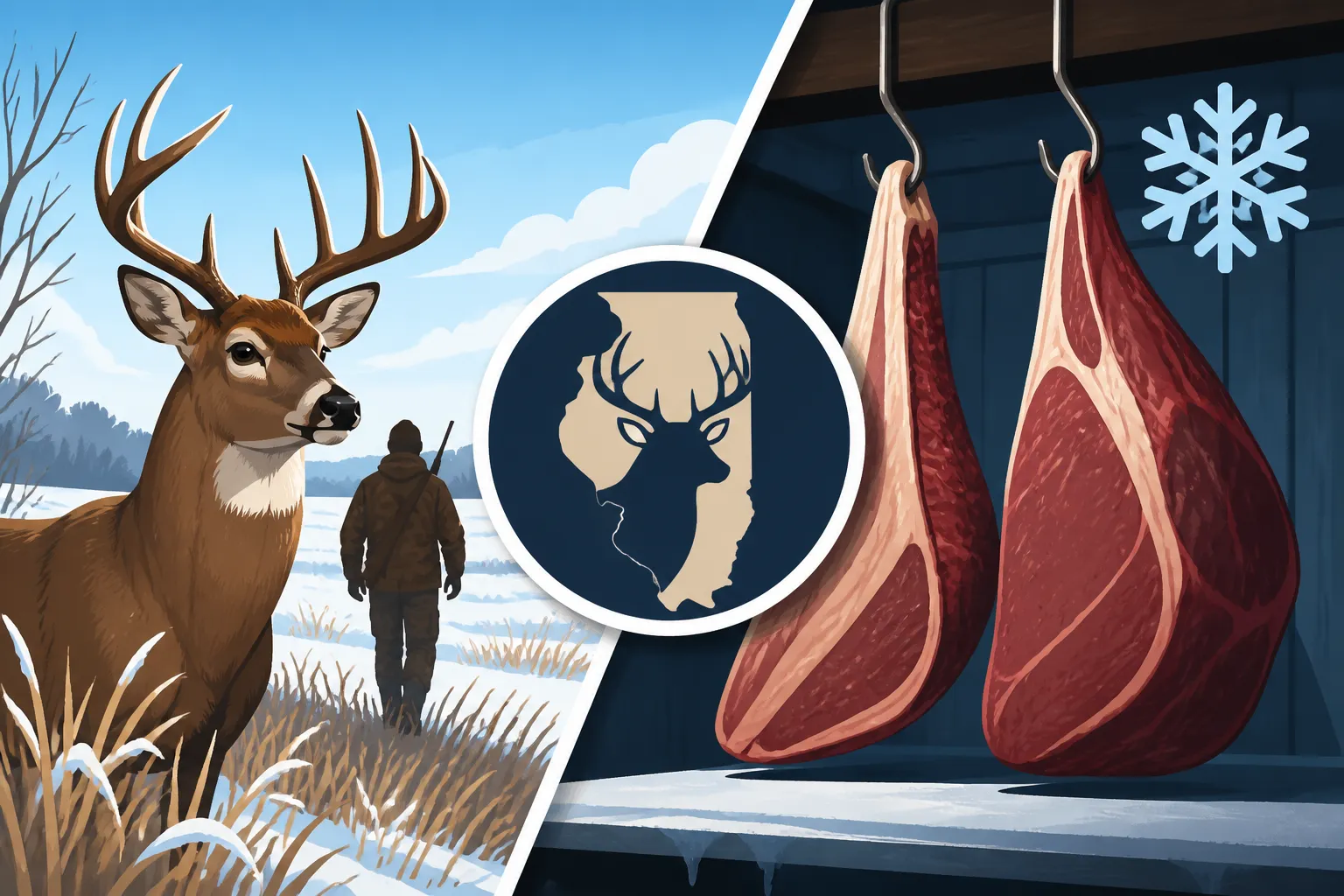
You've just put in the hard work, braved the elements, and successfully harvested an Illinois whitetail. The last thing you want is for that lean, healthy venison to turn out tough or bland when it hits the dinner table. One of the most critical steps to ensuring your deer meat is tender and flavorful is proper aging, especially when dealing with the fickle temperatures of cold weather in Illinois. This guide will walk you through the ins and outs of aging venison, focusing on how to make the most of those chilly days and ensure your harvest reaches its full culinary potential.
Why Age Venison in the First Place?
For many hunters, the thought of hanging a deer for days, or even a week, after the kill might seem a little old-school, or even risky. But there's a real science behind why aging venison works, and why it's a practice that's stood the test of time, especially for those looking for a truly premium table fare from their wild game. It's not just about tradition; it's about making tough meat tender and good meat even better.
The Science Behind Tenderization
When an animal is harvested, its muscles are initially quite tender. However, soon after, rigor mortis sets in, causing the muscle fibers to stiffen and contract. This is why a freshly killed deer can feel incredibly stiff. If you were to process and cook the meat immediately, it would likely be tough and chewy. This is where aging comes in. During the aging process, natural enzymes within the muscle tissue begin to break down the complex proteins, connective tissues, and muscle fibers. Think of it like a natural tenderizer at work. These enzymes, primarily proteases, are working to relax those stiff muscles, making the meat far more palatable.
This enzymatic breakdown doesn't happen overnight. It requires a specific window of time and, crucially, a controlled environment. Without that controlled environment, you're not aging; you're just letting it sit, which can lead to spoilage instead of tenderization. The key is to allow enough time for the enzymes to do their work without allowing bacteria to take over and ruin the meat.
Flavor Development and Moisture Retention
Beyond just tenderizing, aging also significantly impacts the flavor profile of your venison. As the muscle fibers break down, some moisture is lost from the exterior of the carcass, concentrating the flavors within the meat. This isn't drying out the meat in a negative sense; rather, it creates a richer, more complex taste that many describe as nuttier or more "beefy." The slight dehydration on the outside forms a protective crust, often called a "pellicle," which helps to prevent excessive moisture loss from the interior and shields the tenderizing meat from bacterial intrusion.
Proper aging, particularly dry aging, allows for a more intense venison flavor without it becoming gamey. A "gamey" taste is often a sign of improper field dressing, handling, or too rapid processing, not typically a result of aging. When done correctly, aging enhances the natural, earthy notes of wild venison, making it a more enjoyable culinary experience. It’s the difference between a quick meal and a truly memorable one.
Understanding the "Cold Weather" Sweet Spot
Illinois winters can be unpredictable, swinging from mild days to frigid cold snaps. While "cold weather" is generally what we aim for when aging venison, it's not simply about putting the deer outside and hoping for the best. There's a very specific temperature and humidity range that you need to hit to ensure proper aging and prevent spoilage or, conversely, freezing. Hitting this sweet spot is crucial for safe and effective tenderization.
Ideal Temperature and Humidity Ranges
The golden rule for aging venison is to maintain a consistent temperature between 34°F and 40°F (1°C to 4°C). This narrow window is cold enough to significantly slow bacterial growth, but warm enough to allow those natural enzymes we discussed to continue their tenderizing work. If the temperature drops below freezing (32°F / 0°C), the enzymes essentially go dormant, halting the aging process. If it gets too warm, even for a few hours, bacterial growth can accelerate rapidly, leading to spoilage.
Humidity also plays a role, though it's often harder to control. An ideal relative humidity is typically between 70-85%. This level helps prevent the carcass from drying out too quickly, which can lead to excessive trim loss, while still allowing for the formation of that beneficial pellicle. Too low humidity and your meat dries out; too high and you risk mold growth. While controlling humidity outdoors in Illinois might be a stretch for most hunters, understanding its importance helps inform decisions about where and how you choose to hang your deer. Many hunters use their Illinois Deer Camp Traditions to figure out the best hanging spots.
The Risks of Fluctuating Temperatures
This is where Illinois weather can really throw a wrench into things. A beautiful 40°F day might be followed by a night that dips into the teens, then a warming trend back into the 50s. Such wild temperature swings are the arch-nemesis of venison aging.
- Freezing and Thawing: If the venison freezes solid, the aging process stops. If it then thaws and refreezes repeatedly, this can cause ice crystals to form and rupture muscle cells, leading to a mushy texture when cooked, not to mention a higher risk of bacterial contamination during thaw cycles.
- Warm Spells: A sudden spike in temperature, even for a few hours, can quickly push the meat into the "danger zone" where harmful bacteria multiply rapidly. This is especially true if the internal temperature of the thickest parts of the carcass rises above 40°F. Once spoilage begins, there's no going back. This is often the biggest risk factor for hunters trying to age deer outdoors. Consider the unpredictable swings during the late season when you might be Hunting the Late-Season December Lull.
The takeaway here is consistency. If you cannot guarantee a stable temperature within that 34-40°F range, it's often safer to skin, quarter, and process the deer immediately, or at least get it into a controlled cooler. A quick chill down is always better than letting it hang in questionable conditions.
| Aging Factor | Ideal Conditions for Venison Aging | Problematic Conditions for Venison Aging | Risk/Outcome |
|---|---|---|---|
| Temperature | 34-40°F (1-4°C) consistent | Below 32°F (0°C) or Above 40°F (4°C) | Freezing stops aging; warmth causes spoilage |
| Humidity | 70-85% relative humidity | Below 60% or Above 90% | Too dry leads to excessive trim loss; too wet encourages mold |
| Air Circulation | Good, constant air movement | Stagnant, confined air | Prevents surface moisture buildup and mold |
| Cleanliness | Sterile environment | Unsanitary conditions | Bacterial contamination and spoilage |
| Protection | Covered from elements & pests | Exposed to insects, dust, animals | Contamination, damage, and potential loss |
Practical Steps for Cold Weather Aging
Alright, so you understand the "why" and the "what" of cold weather aging. Now let's get down to the "how." Successfully aging venison in the unpredictable Illinois elements requires a methodical approach, starting from the moment the deer hits the ground. Every step contributes to the final quality of the meat, so don't cut corners.
Proper Field Dressing and Cleaning
The aging process truly begins the moment you retrieve your deer. A clean, quick, and thorough field dress is paramount. Remove all internal organs as soon as possible to allow the carcass to cool down rapidly. This is crucial for stopping bacterial growth from the inside out. Pay meticulous attention to hygiene:
- Cleanliness is Key: Wear gloves. Avoid getting any gut contents on the meat. If you do, trim it away immediately with a clean knife. Any lingering bacteria from the gut can quickly spoil the surrounding meat.
- Wipe, Don't Wash (Initially): While some hunters rinse the cavity, it's often better to simply wipe it clean and dry with paper towels or a clean cloth. Introducing water, especially if not thoroughly dried, can create a breeding ground for bacteria. Once the cavity is clean, prop it open to allow for maximum air circulation and cooling.
- Cool Down Rapidly: After field dressing, get the deer out of the sun and into a cool environment as quickly as possible. If it's a relatively warm day, even in early winter, a bag of ice in the chest cavity can help bring down the core temperature faster. This is especially important for larger deer harvested during the Illinois First Firearm Season Dates when temperatures might be mild.
Remember, aging is a controlled decomposition. The cleaner you start, the more control you have over which processes occur.
Setting Up Your Aging Environment
Once field dressed and transported, your venison needs a suitable place to hang. This is where your interpretation of "cold weather" in Illinois comes into play.
- Location, Location, Location: An unheated garage, a shed, or even a sturdy tree branch can work, but you need to be mindful of temperature fluctuations. Choose a spot that is as protected from direct sunlight, wind, and rain as possible. A consistent shade is non-negotiable. Many hunters scout locations for deer, but you should also scout for the perfect aging location.
- Protection from Pests: This is critical. Flies, birds, rodents, and even your family dog will be attracted to a hanging deer. A game bag is your best friend here. These breathable bags allow for air circulation while keeping pests away. If hanging outdoors, consider a secure enclosure or at least a method to deter curious critters. Squirrels and birds can quickly ruin a good piece of meat.
- Air Circulation: Good airflow around the entire carcass is vital for cooling and forming that protective pellicle. Don't hang the deer pressed against a wall or in a corner where air can't circulate. If using an enclosed space, a small fan set on a low setting can help maintain airflow, but ensure it's not blowing directly on the meat, which could dry it out too much.
- Temperature Monitoring: This is where modern tools can really make a difference. Invest in a good, accurate thermometer that you can place near the hanging carcass. Better yet, a remote thermometer with an internal probe can allow you to monitor the internal temperature of the deer's thickest muscle without constantly disturbing it. Apps like GoHunt can sometimes offer features for weather tracking that might indirectly help you predict temperature swings, but nothing beats a dedicated thermometer for the meat itself. Check the temperature frequently, especially during the first 24-48 hours.
Monitoring and Inspection
Throughout the aging process, vigilance is your most important tool. You can't just hang it and forget it.
- Daily Checks: Inspect the carcass daily. Look for any signs of spoilage:
- Smell: The meat should have a fresh, slightly earthy smell. Any foul, strong, or ammonia-like odor is a red flag.
- Color: The surface should be darkening as the pellicle forms. Greenish spots, slimy textures, or fuzzy mold (beyond a light, dry, "aged" bloom, which is generally cut away) are bad news.
- Feel: The surface should feel dry, not wet or sticky.
- Pellicle Formation: After a day or two, you should see a noticeable drying and darkening of the outer surface. This is the pellicle forming, a good sign that things are progressing correctly.
- Duration of Aging: The ideal aging time varies based on temperature, deer age, and personal preference. Generally, 3 to 7 days is a good starting point for most Illinois deer, assuming ideal temperatures. If temperatures hover closer to 34°F, you might push it to 10-14 days. For an older, tougher buck, a longer aging period can be beneficial, sometimes up to two weeks if conditions are perfect and stable. For younger deer, a shorter period might be all that's needed. You can often tell a lot about the deer's age by examining its teeth or overall size, similar to how you might assess Illinois Buck Age Structure.
- When in Doubt, Cut it Out (or Cut it Short): If you see any concerning signs of spoilage, or if the temperatures become too unstable, it's always better to cut your losses and process the deer immediately. Trim away any suspect areas aggressively. A slightly less-aged, but safe, piece of venison is always preferable to a spoiled one.
Common Pitfalls and Troubleshooting
Even with the best intentions, aging venison in cold weather can present challenges. Illinois weather, especially during hunting season, rarely cooperates perfectly. Knowing what to watch out for and how to react can save your hard-earned harvest.
Dealing with Freezing Conditions
One of the most common issues during Illinois deer season, especially when you're Hunting the Second Firearm Season in December, is temperatures dipping below freezing. As mentioned, once the meat freezes, the enzymatic tenderization process stops dead in its tracks.
- Don't Let it Freeze Solid if Possible: If you anticipate temperatures dropping well below 32°F, you have a few options. If you have a walk-in cooler or a large spare refrigerator, move the carcass there. If not, consider breaking down the deer into primal cuts (quarters, loins, etc.) and placing them in a refrigerator to continue aging. This reduces the mass that needs to stay above freezing.
- Partial Freezing is a Problem: If only parts of the deer freeze, the rest will continue to age, creating inconsistent tenderness. Moreover, repeated freezing and thawing cycles can cause severe cell damage, resulting in mushy, mealy meat when cooked. This is a primary reason for inconsistency.
- If it Freezes Solid, Process It: If your venison freezes solid outdoors, the best course of action is often to let it thaw slowly in a controlled environment (like a cooler or fridge) and then process it immediately. The aging process will have stopped, so there's no benefit to re-hanging it. At this point, focus on good butchering and consider techniques like marinating to help with tenderness during cooking.
Avoiding Spoilage and Off-Flavors
Spoilage is every hunter's nightmare. It's usually a result of bacteria gaining the upper hand, and it can happen quickly if conditions aren't right.
- Maintain Cleanliness: Reiterate the importance of initial field dressing and keeping the environment clean. Any dirt, debris, or gut contents on the meat surface can introduce bacteria.
- Good Airflow is Crucial: Stagnant, moist air is a breeding ground for mold and bacteria. Ensure constant, gentle airflow around the carcass. This helps the pellicle form and keeps the surface dry. If you're hanging in a shed, keep the doors slightly ajar, or use a fan.
- Check for Fly Strike: Even in cold weather, a few lingering flies can cause problems. Fly eggs can hatch into maggots remarkably quickly if conditions allow. Your game bag is the best defense, but always inspect for any tiny white specks, especially in crevices.
- Don't Rush the Cool-Down: The first few hours after the harvest are critical for dropping the internal temperature. A deer left in the sun, even on a chilly day, can quickly warm up to bacterial growth temperatures. Get it cool, get it clean, then consider hanging.
- Trust Your Nose and Eyes: As a hunter, you develop an instinct for what looks and smells right. If something seems off – a strong, sweetish smell, green patches, or excessive sliminess – it's likely spoiled. Don't risk it. Trim heavily or discard. This is a hard lesson to learn, but it's better to be safe. You want your Deer Meat Yield From an Illinois Buck to be delicious, not dangerous.
- Consider a Professional: If you're consistently struggling with aging, or simply don't have the ideal setup, many local meat processors in Illinois offer professional cooling services. You can often drop off your deer for a few days to get it properly aged in a controlled environment before you pick it up for your own butchering, or they can handle the entire process. This can be a worthwhile investment to ensure high-quality venison. Remember, many hunters use tools like GoHunt to scout and plan their trips, but sometimes a local professional is the best tool for post-harvest care.
Properly aging your venison in Illinois's cold weather is a skill that takes practice and attention to detail. By understanding the science, controlling your environment, and diligently monitoring your carcass, you can transform a good piece of wild game into an exceptional culinary experience, honoring the animal and your efforts in the field.
Disclaimer
This article is for general informational purposes only and does not constitute professional advice. Laws, prices and regulations vary by location and change over time. Consult a qualified professional for guidance on your specific situation.