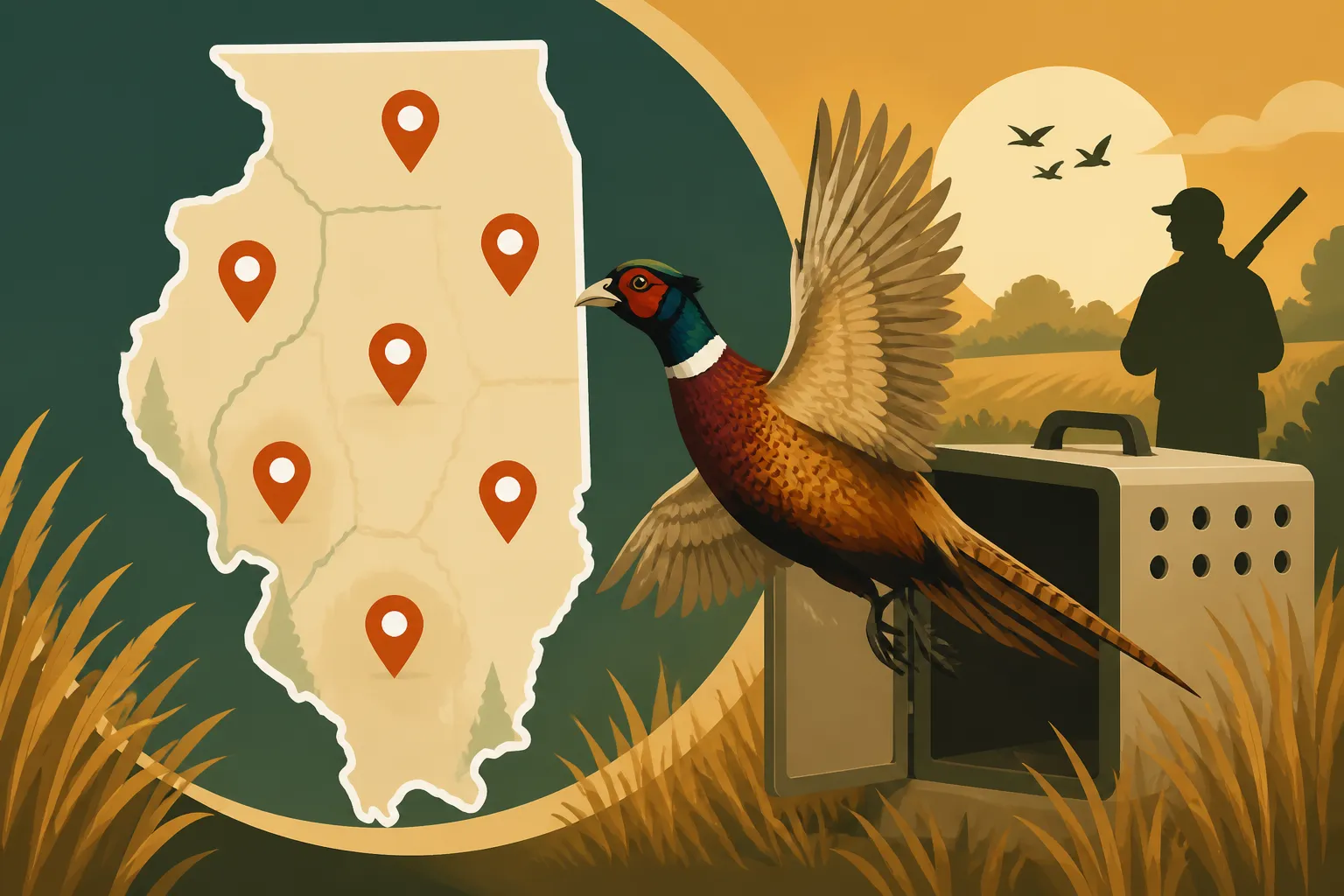
Illinois Pheasant Release Site Locations
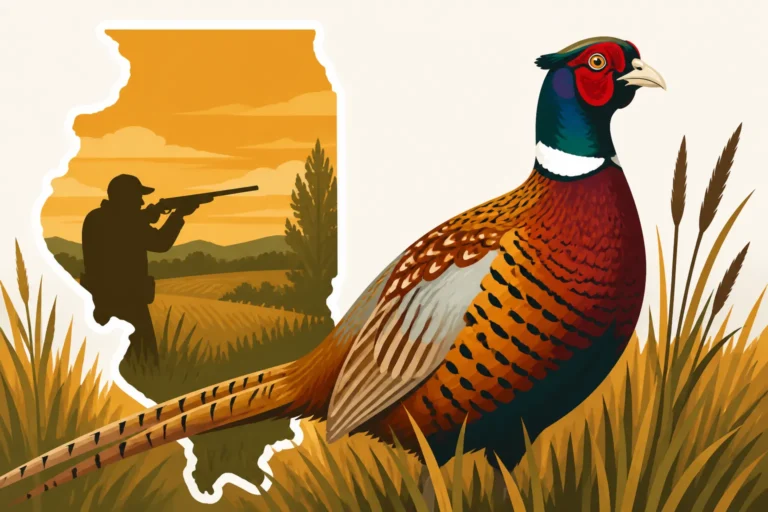
Hunting pheasants in Illinois can feel like chasing a ghost if you're holding onto memories of the bird-rich farmlands of yesteryear. The reality is, prime pheasant habitat has diminished drastically over time, leaving many hunters feeling frustrated about where to even begin. But don't despair! This guide is here to walk you through Illinois's pheasant release sites, helping you understand how these programs work, where to find these opportunities, and how to make the most of your hunting experience on these managed lands. We'll explore where you can find these birds and equip you with the knowledge to enjoy a successful pheasant hunt in the Prairie State.
The Reality of Wild Pheasants in Illinois
Let's be honest, for many of us who grew up hearing tales of endless pheasant fields, the current landscape in Illinois can be a bit of a letdown. It's a stark contrast to what it once was, and that can be tough to reconcile when you're dreaming of a classic pheasant hunt.
Why Wild Populations Are Scarce
The truth is, Illinois's wild pheasant populations have faced a massive uphill battle for decades. It's not just one thing; it's a perfect storm of factors. Think back to the sweeping changes in agricultural practices that intensified after World War II. We saw fencerows ripped out, small woodlots cleared, and huge tracts of land converted into monoculture fields for corn and soybeans. These "clean farming" practices, while efficient for agriculture, decimated the diverse habitat that pheasants need to thrive. They lost their nesting cover in grassy fields, their escape cover in thick brush, and their winter thermal protection. Why Wild Pheasants Faded From Illinois dives deeper into this historical context.
Beyond habitat, increased predation pressure and even climate shifts have played their part. A pheasant chick needs dense, undisturbed cover to hatch and grow, and those areas are fewer and farther between now. For many long-time hunters, the frustration of driving mile after mile without seeing a single wild bird is very real, a constant reminder of what we've lost. This scarcity is why managing hunting expectations and understanding alternative opportunities has become so crucial for pheasant enthusiasts in the state.
The Role of Stocking Programs
Given the struggles of wild pheasants, the Illinois Department of Natural Resources (IDNR) recognized a need to maintain hunting opportunities for these cherished upland birds. This is where stocking programs come in. Instead of relying solely on naturally reproducing wild populations, the state actively raises pheasants and releases them onto specific public hunting areas. The idea is simple: provide a ready supply of birds for hunters, ensuring that the tradition of pheasant hunting can continue, even if it looks a little different than it did in your grandfather's day.
These programs are vital for introducing new hunters to the sport and keeping seasoned hunters engaged. Without them, pheasant hunting might be virtually non-existent for many folks who don't have access to private land with remnant wild birds or don't want to travel out of state. It's a practical solution to a complex problem, allowing us to still experience the thrill of a flushing pheasant, even if it's a bird that started its life in an incubator rather than a wild nest. These stocked birds provide a fun, accessible challenge, especially for those who love working a bird dog. Illinois Pheasant Season and Stocking provides more detail on how these programs are run.
Navigating Illinois's Pheasant Release Sites
So, you're ready to hit the field and get after some pheasants? Fantastic! But before you head out, it's important to understand how Illinois's pheasant release sites operate. They're not like every other public hunting area, and there are specific rules and expectations you need to be aware of.
Understanding the Site System
Illinois's pheasant release program is typically managed through a controlled harvest system at designated public sites. This often means that hunting is by permit only, and sometimes requires a reservation or participation in a lottery draw. The goal is to regulate hunter numbers to ensure a quality experience and distribute the hunting pressure. You usually need to purchase a Habitat Stamp, a hunting license, and then a specific permit for the pheasant hunting program at the chosen site. Illinois Hunting Licenses and What They Cost details all the general requirements.
It’s crucial to check the specific regulations for each site you're interested in, as rules can vary regarding hunting days, shooting hours, and daily bag limits. This system ensures that hunters have a reasonable chance of encountering birds and helps prevent over-harvesting on these specific parcels. It’s a managed experience, designed to give everyone a fair shot at some birds, acknowledging that these aren't truly wild, self-sustaining populations.
Key Release Site Locations
Illinois boasts several dedicated pheasant release sites scattered across the state, each offering unique terrain and opportunities. These locations are specifically managed to provide pheasant hunting, often with varying dates and application procedures. Here are a few prominent ones that often participate in the program:
- Jim Edgar Panther Creek State Fish and Wildlife Area (Cass County): Located near Springfield, this is a large and popular site offering diverse habitat. It’s well-known and often sees significant hunter participation.
- Des Plaines State Fish and Wildlife Area (Will County): Just southwest of Chicago, this site offers a fantastic opportunity for hunters in the northern part of the state, making a pheasant hunt accessible to many.
- Sand Ridge State Forest (Mason County): Known for its unique sand prairie and oak-hickory forest, Sand Ridge provides a different kind of pheasant habitat, blending open fields with timbered edges.
- Eldon Hazlet State Recreation Area (Carlyle Lake, Clinton County): Down in the southern part of the state, this site is a popular destination for waterfowl and deer, but also offers pheasant hunting opportunities in designated areas.
- Wayne Fitzgerrell State Recreation Area (Rend Lake, Jefferson & Franklin Counties): Another southern Illinois gem, this area is a favorite for many hunters and regularly offers pheasant releases.
It's absolutely essential to consult the IDNR website for the most current list of participating sites and their specific season dates and permit application windows. These can change year to year, so always confirm before making your plans. Using online mapping tools like GoHunt can also help you visualize the layout of these public lands, identify potential cover, and understand how to navigate them effectively, even showing property lines and access points. Illinois Pheasant Habitat Area Access will have more information on finding these areas.
What to Expect When Hunting a Release Site
Hunting a pheasant release site is a distinct experience compared to chasing truly wild birds. For starters, you'll likely encounter more fellow hunters than you would on a remote piece of public land. These sites are popular, and managing expectations regarding crowds is part of the game. The birds themselves often behave differently; they can be a bit tamer initially, holding tighter or flushing in unexpected ways. They haven't had to survive on their wits in the wild for long, so their survival instincts might not be as sharp as a truly wild bird.
The cover at these sites is typically managed specifically for pheasants, meaning you'll find blocks of switchgrass, standing crops, and brushy edges designed to hold birds. This can be a huge advantage, as it concentrates the birds into workable areas. You'll want to cover this habitat thoroughly, working every nook and cranny. Be prepared for birds to flush from unexpected places, sometimes even running ahead of you before taking to the air. It’s a dynamic hunt, and staying alert is key.
Strategies for Success at Release Sites
Making the most of your day at an Illinois pheasant release site involves a bit more than just walking in and hoping for the best. With a bit of strategic thinking and the right approach, you can significantly increase your chances of success and have a memorable hunt.
The Importance of a Good Dog
Let me be absolutely clear: a good bird dog is almost indispensable for pheasant hunting, especially at release sites. These birds, whether wild or stocked, have a remarkable ability to run through cover, making them incredibly difficult for a human hunter to pin down. A well-trained pointing dog will lock up on scent, giving you the heads-up you need to prepare for the flush. A good flushing dog will systematically work the cover, driving birds into the air within shooting range.
Even after the shot, a retriever is invaluable. Pheasants are tough birds, and a shot bird can run a long way or fall into dense cover, becoming nearly impossible for a hunter to find without canine assistance. A dog saves you from lost birds and ensures you recover your game ethically. If you don't have your own dog, consider hunting with a friend who does. The camaraderie of hunting with a good dog and good company is a huge part of the pheasant hunting experience. Working a dedicated dog through thick cover is one of the joys of the hunt, and your dog’s nose will find birds you would have certainly walked past.
Adapting Your Hunting Style
The way you hunt release sites might need to be a little different from how you'd stalk deer or small game. You'll want to employ a systematic approach to covering the available habitat. Think of it like grid-searching an area. Walk slowly and deliberately, especially when you have a dog working ahead. This gives the dog time to pick up scent and gives you time to react to a sudden flush. Move into the wind when possible; this helps your dog scent birds better and often encourages birds to hold tighter.
Pay close attention to changes in cover – the edge where a mowed field meets a tall grass plot, a thick fencerow, or a patch of heavy brush within open fields. These are prime spots where pheasants will hold. Don't be afraid to work the same area from different angles. Sometimes a bird will let you walk right past it, only to flush when you approach from another direction. Hunting in a small group, with hunters spread out in a line, can also be very effective for pushing birds and ensuring good coverage of the habitat. Just make sure everyone knows their safe shooting lanes.
Checking Conditions and Planning Your Hunt
Preparation is key. Before any hunt, you should always check the specific regulations for the release site you plan to visit. These can vary not only by site but sometimes by day of the week or even time of the season. Knowing the legal shooting hours, bag limits, and any permit requirements is non-negotiable. The IDNR website is your go-to resource for this, and often they'll have detailed maps or even aerial photos of the hunting areas.
Beyond regulations, consider the weather. A cold, crisp morning might mean birds hold tighter, while a warm, sunny day could see them running more. Wind direction is critical, both for your dog and for how birds might flush. It's also wise to check the overall hunting pressure forecast if available. On popular sites, arriving early can give you an advantage, or you might consider hunting mid-week when crowds are thinner. Tools like GoHunt or similar mapping apps can be incredibly helpful for scouting terrain virtually, understanding boundary lines, and marking potential bird-holding cover based on aerial views before you even set foot on the property. This kind of diligent planning can transform a good hunt into a great one. Scouting Illinois Public Land Before Season is a great resource for general scouting tips applicable here.
Beyond the Release Sites: Other Pheasant Opportunities
While Illinois's pheasant release sites offer the most consistent opportunity for public land pheasant hunting, it's worth knowing that there are other avenues, even if they are much more challenging or involve a different kind of experience.
The Elusive Wild Pheasant
For many, the dream of bagging a truly wild Illinois pheasant still burns bright. And while they are exceedingly rare compared to decades past, small, isolated pockets of wild birds do persist. These remnants are typically found in areas with exceptionally good, undisturbed habitat – often larger blocks of Conservation Reserve Program (CRP) ground, undisturbed grasslands, or very lightly hunted private farms that still maintain fencerows and thick cover.
Finding these birds is a serious challenge. It requires extensive scouting, often securing permission on private land, and a deep understanding of habitat management. Hunters who pursue wild pheasants are often seasoned veterans who know specific landowners or unique pieces of property that have somehow escaped the pressures of modern agriculture. It's a testament to the resilience of the species, but certainly not a common or easily accessible hunting opportunity for the average hunter. Don't expect to just stumble upon a covey of wild birds in Illinois; it's more like finding a needle in a haystack.
Commercial Pheasant Preserves
If your primary goal is simply to get out, walk behind a dog, and shoot some pheasants with a high degree of certainty, then commercial pheasant preserves are an excellent option. These are private operations that raise and release birds specifically for paying customers. The experience is different: you're guaranteed birds, often in well-maintained cover, and frequently with guides and dogs provided. It's a more controlled environment, akin to a golf course for hunters.
Preserves are fantastic for novice hunters, those without a dog, or anyone looking for a social outing with a high chance of success. They often extend their seasons beyond the regular state hunting dates, providing opportunities when other seasons are closed. While it's a different kind of hunting experience than chasing wild birds or even public release site birds, it fulfills the desire for upland bird action and offers a reliable way to enjoy pheasant hunting in Illinois. Many offer excellent facilities, from dog kennels to processing stations, making for a comfortable and enjoyable day afield.
Here's a quick comparison of the different pheasant hunting experiences in Illinois:
| Feature | Public Release Sites | Wild Pheasant Hunting (Limited) | Commercial Preserves |
|---|---|---|---|
| Bird Origin | Stocked, farm-raised birds | Naturally reproducing wild birds | Stocked, farm-raised birds |
| Access | Public land, permit/draw often required | Primarily private land, requires permission | Private land, fee-based booking |
| Crowds | Can be significant, especially on weekends | Very low, if on private land | Managed, often by appointment |
| Challenge | Moderate to high (birds run, hide) | Very high (elusive, smart birds) | Low to moderate (birds released for hunt) |
| Cost | License, stamp, program permit fees | License, stamp (plus potential travel/scouting) | Significant per-bird or package fees |
| Dog Need | Highly recommended, almost essential | Essential | Often provided or highly recommended |
| Habitat | Managed for pheasants, often dense cover | Specific, undisturbed natural habitat | Managed, often specific cover types |
| Success Rate | Good, if conditions and effort are right | Very low, even for experienced hunters | Very high, often guaranteed birds |
| Key Advantage | Accessible public opportunity, relatively affordable | Authentic wild bird experience | Guaranteed action, extended seasons, amenities |
| Key Drawback | Managed experience, potential crowds | Extremely difficult to find, access issues | Cost, less "wild" experience |
This article is for general informational purposes only and does not constitute professional advice. Laws, prices and regulations vary by location and change over time. Consult a qualified professional for guidance on your specific situation.