Illinois Rabbit Habitat Restoration Efforts
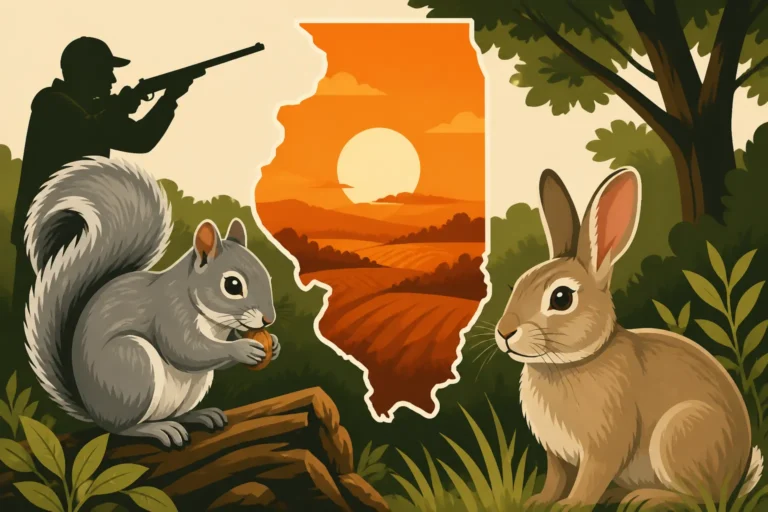
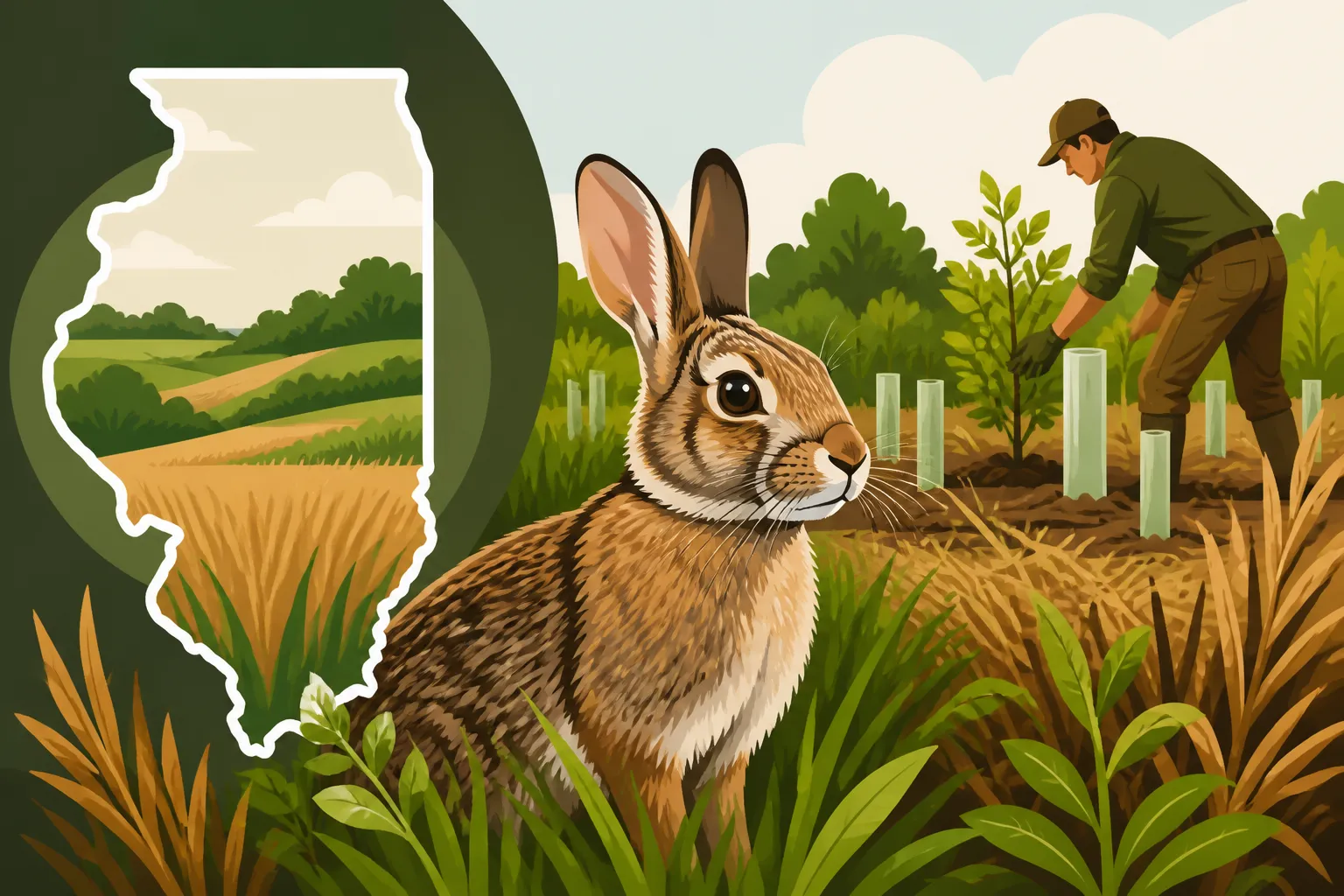
It can be truly heartbreaking for anyone who grew up enjoying the thrill of chasing cottontails across the Illinois countryside to see how scarce they've become in many areas. That feeling of anticipation, walking a fencerow knowing a flush is just around the corner, often gives way to disappointment these days. It’s a real frustration, a loss of a treasured part of our hunting heritage. This guide aims to shed light on why Illinois rabbit populations have faced such challenges and, more importantly, what dedicated individuals and organizations are doing to bring them back through vital habitat restoration efforts.
The Vanishing Cottontail: Understanding the Decline of Illinois Rabbits
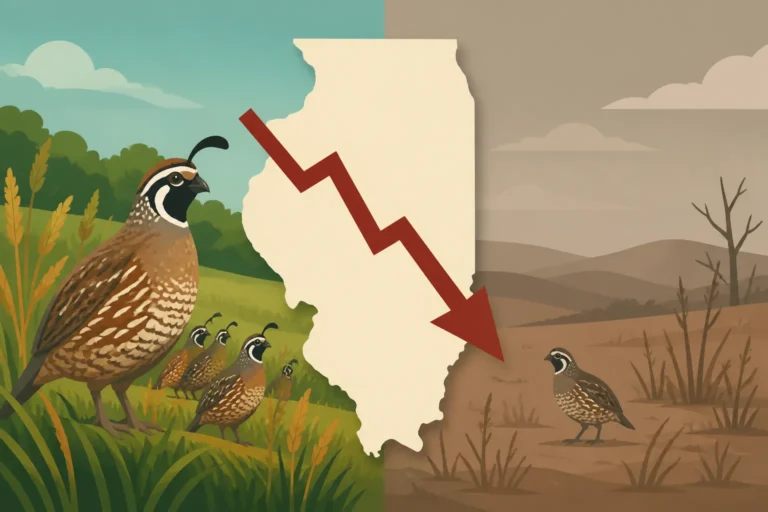
For generations, the abundant cottontail rabbit was a staple of small game hunting in Illinois, providing countless hours of enjoyment for hunters, young and old. But something shifted, and those easy limits became harder and harder to come by. It's not just a hunter's tale; the data tells us the same story. Understanding the root causes of this decline is the first step toward finding solutions.
The Impact of Modern Agriculture
The biggest culprit, by far, has been the relentless march of agricultural intensification. Illinois is a farming state, and for good reason—our soil is incredibly fertile. However, the practices that maximize crop yields often come at the expense of wildlife habitat. Gone are the days of small, diversified farms with plenty of hedgerows, odd corners, and fallow fields.
Modern farming demands efficiency, which means larger fields, fence-to-fence cultivation, and the removal of anything that might impede machinery. Those brushy fencerows, small woodlots, and patches of idle land that once provided crucial cover and food for rabbits have largely vanished. When you drive through vast stretches of central Illinois, you see endless corn and soybean fields, but very little of the diverse, protective cover that rabbits absolutely need to survive and thrive. This change hasn't been a sudden event but a gradual erosion over decades, making it easy to overlook until the cumulative impact became undeniable.
Habitat Fragmentation and Loss of Diversity
Beyond sheer acreage loss, the remaining pockets of habitat have become isolated, scattered like islands in a sea of monoculture. This "habitat fragmentation" makes it incredibly difficult for rabbit populations to recover or expand. If a small patch of cover is wiped out by development or intense farming, the rabbits living there often have no safe corridor to move to another suitable area. They become trapped, vulnerable to predators, disease, or simply starvation.
Furthermore, the remaining habitat often lacks diversity. Rabbits aren't just looking for tall grass; they need a complex mosaic of heavy brush for escape, open areas for foraging, and dense cover for nesting and raising young. A single type of habitat, no matter how large, rarely meets all their needs throughout the year. The loss of diverse early successional cover—those weedy fields and brushy edges—has been particularly detrimental, as these areas are vital for young rabbits seeking refuge. You can have a beautiful stand of mature timber, but without that critical understory and edge, it's a dead zone for rabbits.
Illinois Habitat Restoration: Key Strategies and Successes
Despite the challenges, many dedicated individuals, conservation groups, and the Illinois Department of Natural Resources (IDNR) are actively working to restore rabbit habitat across the state. These efforts aren't quick fixes; they require long-term vision, hard work, and often, significant investment. But the goal is clear: to bring back those iconic cottontails for future generations to enjoy.
Edge Feathering and Field Border Programs
One of the most effective and widely promoted strategies is "edge feathering." This technique involves selectively cutting trees and shrubs along the edges of fields and woodlots, piling the woody debris to create immediate cover, and allowing sunlight to reach the forest floor. This encourages the growth of dense, low-growing vegetation, creating a brushy transition zone that acts as a haven for rabbits and other small game. It's not just about cutting; it's about managing that transition to maximize protective cover. These feathered edges offer multiple layers of security, allowing rabbits to dart into thickets when danger approaches while still being close to food sources in the adjacent field.
Coupled with edge feathering are various field border programs, often incentivized through federal and state initiatives. These programs encourage landowners to convert narrow strips of cropland along field edges into native grasses and wildflowers, or dense shrubby cover. These borders prevent erosion, provide pollinator habitat, and, crucially, offer year-round food and cover for rabbits. A well-designed field border isn't just a buffer; it's a bustling wildlife corridor, creating vital connections between larger habitat blocks. Landowners participating in these programs are effectively turning unproductive ground into productive wildlife real estate. Habitat Work on Illinois Fish and Wildlife Areas often employs similar principles, showcasing how even small-scale changes can yield big results.
Prescribed Burning and Native Grass Restoration
Fire, when used carefully and strategically, is an incredibly powerful tool for habitat management in Illinois. "Prescribed burning" helps to set back woody encroachment in grasslands, stimulate the growth of native warm-season grasses and forbs, and create a mosaic of different habitat stages. Rabbits thrive in these dynamic environments, using the new growth for food and the residual cover for protection. However, it's a delicate balance; burns must be conducted at the right time of year and with proper planning to ensure they benefit wildlife rather than harm it.
The restoration of native warm-season grasses (NWSG) like Big Bluestem, Switchgrass, and Indiangrass is another cornerstone of these efforts. These grasses grow tall and upright, providing excellent thermal cover in winter and nesting cover in spring, unlike cool-season grasses that often mat down and offer little protection. Establishing NWSG plots, especially in conjunction with brush piles or hedgerows, can transform open areas into prime rabbit real estate. These grasses also support a wider insect base, which benefits young rabbits and other small game. Many conservation groups provide technical assistance and even seed drills to landowners interested in planting NWSG.
Creating Brush Piles and Shelter Belts
Sometimes, the simplest solutions are the best. Strategically placed brush piles can offer immediate, effective cover for rabbits, especially in areas where dense vegetation is lacking. These aren't just random piles of branches; they're often constructed with a base of larger logs to create internal cavities, then topped with smaller branches to form an impenetrable fortress against predators. These structures provide escape routes, thermal protection, and even sites for nesting.
Shelter belts, which are rows of trees and shrubs planted to reduce wind erosion and provide cover, also play a significant role. These linear plantings can create crucial travel corridors for rabbits, allowing them to move safely between different habitat patches. Often, a mix of evergreens and deciduous shrubs is used to provide year-round cover. When planning these projects, using mapping tools can be a huge help. Before you even think about planting, a good mapping tool like GoHunt can help you analyze your property's contours, existing cover, and potential pinch points for creating new habitat. This digital foresight can save a lot of time and effort in the long run.
Here's a quick look at some key habitat features and their benefits for our cottontail friends:
| Habitat Feature | Primary Benefit for Rabbits | Examples | Best Time to Implement |
|---|---|---|---|
| Brush Piles | Escape cover, thermal protection, nesting sites | Cut cedars, stacked logs, downed trees | Year-round |
| Fencerow Thickets | Travel corridors, dense escape cover | Multiflora rose, honeysuckle, sumac (managed) | Late fall/Early spring |
| Native Grasses (NWSG) | Nesting cover, winter thermal cover, food | Big Bluestem, Switchgrass, Indiangrass | Late spring/Early summer |
| Edge Feathering | Transition zone cover, food source | Cut hardwoods, piled limbs along field edges | Late fall/Winter |
| Shelter Belts | Windbreak, travel cover, thermal cover | Conifers, dense shrubs, fruit-bearing trees | Early spring/Late fall |
| Food Plots (Small) | Supplemental food, foraging areas | Clover, winter wheat, annual rye | Late summer/Early fall |
Getting Involved: How Hunters and Landowners Can Make a Difference
The effort to restore Illinois rabbit populations isn't solely the responsibility of government agencies; it's a collective endeavor that relies heavily on the passion and hard work of private landowners and hunters. There are tangible steps you can take, whether you own acreage or just want to support the cause.
Private Land Management for Rabbits
If you're a landowner, even a small parcel can become a rabbit haven with the right approach. Start by assessing your property for existing habitat gaps. Do you have open areas with no escape cover? Are your fencerows too clean? Consider planting dense shrubby species like wild plum, blackberry, or native dogwood along field edges or in corners. These plants provide both cover and food. Rabbit Hunting Illinois Fencerows often highlights the critical role these transition zones play.
Another great strategy is to create or maintain early successional habitat. This means allowing certain areas to grow wild for a few years, then rotating them with light disking or prescribed burning to prevent them from becoming mature timber. Think about those areas that are "too wet to farm" or awkward corners—these are prime candidates for rabbit habitat. Even letting a small patch of clover grow can make a difference. Tools like GoHunt can be invaluable here, helping you visualize your property's layout and plan your habitat improvements, marking out areas for brush piles, new plantings, or potential burn zones. Don't underestimate the power of thoughtful, small-scale habitat work.
Supporting Public Land Efforts and Advocacy
For those who don't own land, supporting the organizations that work on public land is crucial. Groups like Pheasants Forever and Quail Forever, though their names suggest other species, often champion habitat projects that directly benefit rabbits, as many small game species share similar habitat needs. Volunteering your time for planting projects, brush pile construction, or fence removal on public lands is a direct way to contribute. Illinois Small Game Season Rules often emphasize the need for healthy populations, and these efforts are key to maintaining huntable numbers.
Beyond direct action, advocacy is vital. Contact your state representatives and express your support for conservation funding and programs that benefit wildlife habitat. Educate your non-hunting friends and neighbors about the importance of diverse landscapes, not just manicured lawns and endless crops. Spreading awareness about the decline of small game and the efforts to reverse it can garner broader support and resources. After all, a healthy ecosystem benefits everyone, not just hunters.
The Road Ahead: Challenges and Hopes for Illinois Rabbit Populations
Restoring rabbit populations in Illinois is a long game, and it's not without its hurdles. But there's also a deep-seated hope that with continued effort and smart conservation strategies, we can ensure these quick, brown bundles of energy remain a cherished part of our state's wild heritage.
Overcoming Ongoing Hurdles
One of the biggest ongoing challenges is simply the economic pressure on private landowners. With commodity prices fluctuating, taking land out of production for habitat can be a tough sell. Incentives through programs like the Conservation Reserve Program (CRP) are vital, but they need to be robust enough to compete with agricultural profits. Another challenge is the public perception of "messy" habitat. Many people prefer a clean, manicured landscape, which often means removing the very brush and weeds that rabbits rely on. Changing this mindset requires education and demonstrating the ecological value of these wilder spaces.
Predation is also a constant factor. While predators are a natural part of the ecosystem, fragmented habitat can sometimes concentrate rabbits, making them easier targets. The goal isn't to eliminate predators, but to provide enough secure cover that rabbits have a fighting chance. Finally, the sheer scale of the landscape change is immense. Restoring enough habitat to significantly boost statewide rabbit numbers requires a monumental, coordinated effort across many different landowners and agencies. Illinois Cottontail Population Trend articles often delve into these complex ecological dynamics.
A Brighter Future Through Dedicated Conservation
Despite these challenges, there's genuine reason for optimism. The understanding of what rabbits need to thrive is clearer than ever, and the tools and techniques for creating that habitat are well-established. From local sportsmen's clubs to large conservation organizations, more people are recognizing the urgency and dedicating resources to small game habitat. The success stories on smaller, managed properties serve as powerful examples of what's possible.
For those scouting public lands for hidden pockets of rabbit cover, using mapping applications, perhaps even leveraging features on platforms like GoHunt, can illuminate forgotten corners that might still hold rabbits. The IDNR continues to prioritize small game habitat on state-managed lands, demonstrating a commitment to species like the cottontail. By combining dedicated habitat work on private lands with robust public land management and ongoing advocacy, we can collectively work towards a future where the sound of beagles on a chilly November morning or the unexpected flush of a rabbit from a brush pile becomes a common joy once more. It's a testament to the enduring spirit of conservation that so many are willing to put in the work to make that future a reality.
Disclaimer
This article is for general informational purposes only and does not constitute professional advice. Laws, prices and regulations vary by location and change over time. Consult a qualified professional for guidance on your specific situation.