Ring-Necked Pheasants in Illinois
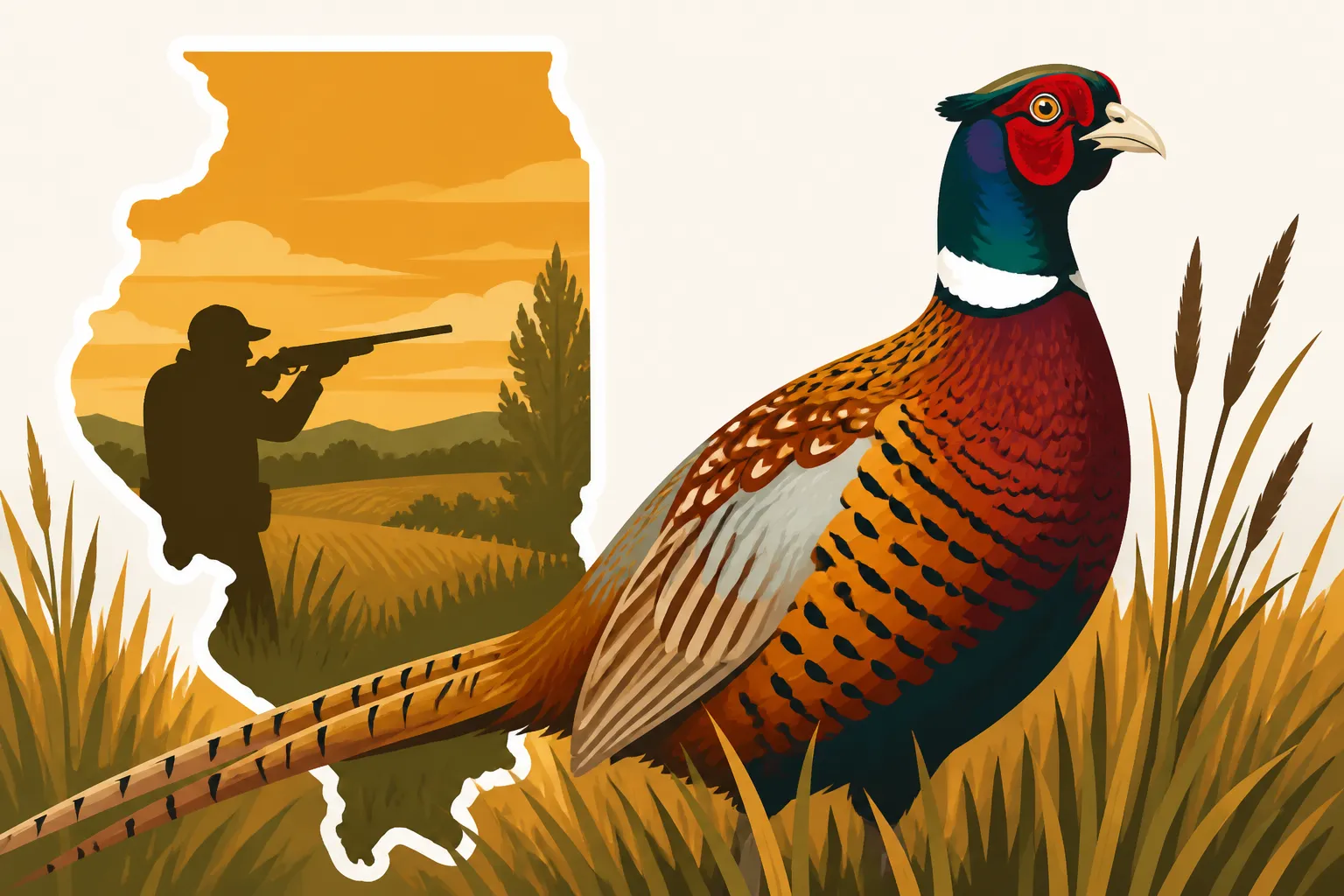
Oh, the ring-necked pheasant. Just uttering those words brings a rush of nostalgia to many an Illinois hunter. There was a time when the sight of a brilliant cock pheasant bursting from a cornfield, cackling defiance, was a common autumn spectacle across the Prairie State. Today, that distinctive cackle is far less frequent, leaving many to wonder if true wild pheasant hunting is still a viable pursuit in Illinois. This comprehensive guide will peel back the layers on Illinois pheasants, exploring their history, where the wild ones still persist, how to hunt them, and what the future holds for this iconic game bird.
A Glimpse into the Past: The Rise and Decline of Illinois Pheasants
Illinois, with its vast prairies and rich agricultural lands, seemed like a perfect fit for the ring-necked pheasant when it was introduced. For decades, these colorful birds thrived, becoming synonymous with autumn hunts. Understanding their history helps us grasp why they're such a treasured, yet increasingly rare, sight today.
The Introduction and Early Success Story
Ring-necked pheasants, native to Asia, weren't always here. They were intentionally introduced to North America in the late 1800s and early 1900s, primarily for sport hunting. Illinois, with its sprawling farmland providing abundant grain crops, insects, and nesting cover, quickly became a prime location for these adaptable birds. The early stockings by the Illinois Department of Natural Resources (IDNR) and private conservation groups took hold exceptionally well. The birds found a landscape that mimicked parts of their native range, offering ample food and refuge. Their hardiness and ability to reproduce rapidly in the right conditions led to a swift expansion of their population, thrilling hunters and conservationists alike.
The Golden Age of Pheasant Hunting
For much of the 20th century, particularly from the 1940s through the 1970s, Illinois was a pheasant hunter's paradise. Stories abound of hunters filling their limits in a single morning, flushing dozens of birds from fence rows, drainage ditches, and vast fields of standing corn. The landscape was a mosaic of small farms, diverse crop rotations, and plenty of unkempt corners that provided critical nesting and winter cover. Farmers often left portions of fields unharvested, providing natural forage and shelter. This era cemented the pheasant's place in Illinois hunting culture, creating lifelong memories and a strong tradition of upland bird hunting. Hunters didn't need specialized gear or expensive trips; good boots, a shotgun, and access to a sympathetic farmer's land were often enough.
The Slow Retreat: Habitat Loss and Agricultural Shifts
Sadly, the golden age couldn't last forever. Beginning in the late 1970s and accelerating through the 1980s and beyond, Why Wild Pheasants Faded From Illinois is a complex story largely tied to profound changes in agricultural practices. Farms grew larger, hedgerows and fencerows were removed to accommodate massive machinery, and crop rotations became less diverse. The widespread adoption of "clean farming" practices meant fewer weedy field edges, less idle ground, and earlier, more complete harvests. This stripped away the critical nesting cover and winter food sources that pheasants rely on for survival. Pesticide use reduced insect populations, a vital food source for pheasant chicks. The result was a steady, dramatic decline in wild pheasant numbers across much of the state, making traditional pheasant hunting an increasingly challenging endeavor.
Where to Find Wild Pheasants Today in Illinois
Despite the challenges, glimmers of hope remain. While you won't find wild pheasants in the numbers of yesteryear, certain areas of Illinois still hold huntable populations. Finding them requires a keen understanding of their habitat needs and a willingness to explore.
Identifying Prime Wild Pheasant Habitat
Wild pheasants are habitat specialists. They thrive where there's a good mix of dense nesting cover, winter thermal cover, reliable food sources, and escape cover from predators. Think about areas that offer tall, undisturbed grasslands (like Conservation Reserve Program, or CRP, fields), cattail marshes, thick fencerows, and areas where corn or other grain crops are interspersed with these cover types. These birds need patches of cover that are large enough to provide security, not just narrow strips. Often, these ideal habitats are found in areas with less intensive farming, where landowners have consciously implemented conservation practices. Looking for areas with diverse agricultural practices, especially those that include small grains, hay fields, and fallow ground, can be a good starting point for your pheasant scouting efforts.
Geographical Strongholds and Pockets of Hope
While historically pheasants were widespread, today their best populations are concentrated in specific regions. The northern and central parts of Illinois, particularly the counties with a strong tradition of small grain and livestock farming, tend to hold the most consistent wild pheasant populations. Counties like Livingston, Iroquois, Ford, and McLean have historically been considered pheasant strongholds, and while numbers are down, these areas still offer the best chance for encountering truly wild birds. These are regions where large tracts of CRP grasses or other undisturbed cover remain, often adjacent to corn and soybean fields. It's not about finding one big field; it's about finding a mosaic of different habitats that meet all the pheasants' needs throughout the year. You might have better luck on properties managed for wildlife or in smaller, overlooked parcels that haven't been "cleaned up" by modern agriculture. Using mapping tools like GoHunt can help identify these potential areas, especially when looking at satellite imagery for dense cover near agricultural fields.
The Role of CRP and Other Conservation Lands
Conservation Reserve Program (CRP) lands are perhaps the single most important habitat component for wild pheasants in Illinois today. These are privately owned agricultural lands removed from production and planted with native grasses and legumes for 10-15 year contracts. This provides invaluable nesting cover for hens in spring, brood-rearing cover in summer, and winter thermal cover. Many public hunting areas also feature significant acreage dedicated to these grassland habitats. Without CRP, wild pheasant numbers would be even lower. However, even CRP fields can become less productive over time if not properly managed with prescribed burns or interseeding to maintain diversity and prevent woody encroachment. When Scouting Illinois Public Land Before Season or even private ground, prioritize areas with large, well-maintained CRP fields, especially if they are adjacent to food sources like corn or standing soybeans.
Navigating Illinois Pheasant Hunting Seasons and Rules
Hunting pheasants in Illinois requires adherence to specific regulations, just like any other game species. Knowing the dates, permit requirements, and safety rules is crucial for a legal and enjoyable hunt.
Key Season Dates and Legal Requirements
The regular pheasant hunting season in Illinois typically opens in early November and runs through early January. Specific dates can vary slightly year to year, so always check the most current Illinois Department of Natural Resources (IDNR) hunting digests. This is distinct from the pheasant preserve season, which often opens earlier and runs longer. You'll need a valid Illinois hunting license and an Illinois Habitat Stamp to hunt pheasants. Unlike deer or turkey hunting, there isn't a specific pheasant permit lottery for wild birds, but some public sites require a site-specific permit or have draw hunt opportunities for stocked pheasants. Always verify the rules for your chosen hunting location, especially if it's a state fish and wildlife area or other public land. Familiarize yourself with the Illinois Small Game Season Rules which cover pheasants, quail, rabbits, and other upland species.
Understanding Bag Limits and Blaze Orange Laws
The daily bag limit for pheasants in Illinois is typically two cock pheasants, with a possession limit of six. It's important to note that only roosters (males) can be harvested. This "cock-only" rule helps protect the breeding population, as one rooster can breed with multiple hens. You'll quickly learn to distinguish the iridescent plumage of a rooster from the more camouflaged brown of a hen, even on the wing. Safety is paramount when pheasant hunting, especially given the thick cover these birds prefer. Illinois law requires hunters to wear a minimum of 400 square inches of solid blaze orange on their head and chest/back when hunting upland game during firearm deer season, and it's highly recommended throughout the entire pheasant season. This ensures maximum visibility to other hunters, which is critical in dense cover where visibility can be limited.
Permit Requirements for Public and Private Land
While a general hunting license and habitat stamp are sufficient for most private land hunting (with permission), many Illinois public lands operate under special regulations. State Fish and Wildlife Areas that manage for pheasants, particularly those with stocking programs, often require site-specific permits. These might be available over-the-counter on a first-come, first-served basis, or through a lottery system for specific dates and zones. For example, sites like Jim Edgar Panther Creek State Fish and Wildlife Area or Des Plaines State Fish and Wildlife Area have well-known pheasant programs. Always consult the IDNR website or current hunting digest for the specific public site you plan to visit. When hunting private land, ensuring you have explicit permission is legally and ethically essential. Refer to our guide on Getting Private Land Permission in Illinois for tips on how to respectfully ask for access.
Effective Hunting Strategies for Illinois Ringnecks
Hunting wild pheasants in Illinois is a rewarding challenge that often requires patience, persistence, and usually, a good canine companion. It's a different game than walking through a preserve.
Tactics for Public Land Pheasant Hunting
Hunting wild pheasants on Illinois public land often means targeting those CRP fields, native prairie restorations, and brushy draws that attract birds. These areas can be extensive, so a good strategy is to focus on edges – where different cover types meet, or where cover meets a food source like standing corn or even cut stubble. Pheasants will often be found holding tight in the densest cover. Walking these areas with a line of hunters (a "drive") can be effective, pushing birds towards blockers at the end of the field. However, on public land, you're often hunting solo or with a small group, so working edges, zig-zagging through cover, and focusing on areas that offer varied habitat are key. Utilizing mapping apps, like those available through GoHunt, to identify promising cover before you ever step foot in the field can save you a lot of wasted effort. Look for areas adjacent to Hunting a Standing Soybean Field or a field that was recently harvested, as pheasants will gravitate towards remaining food sources.
The Importance of a Good Bird Dog
Let's be honest: hunting wild pheasants without a dog is an exercise in frustration more often than not. These birds are masters of holding tight, running ahead, or flushing wild when you least expect it. A good bird dog, whether a flushing dog like a Springer Spaniel or a pointing dog like a German Shorthaired Pointer, is invaluable. A flushing dog will work close, pushing birds out of dense cover within shotgun range. A pointing dog will lock up on scent, giving you time to get into position for the flush. Even more crucially, a dog is essential for finding downed birds in thick cover, preventing lost game. Losing a hard-earned wild pheasant is heartbreaking, and a skilled retriever significantly increases your success and ethical hunting practices. When a dog goes on point in dense switchgrass, that's when the excitement truly builds!
Private Land Access and Knocking on Doors
With wild pheasant populations concentrated in specific areas, gaining access to private land often offers the best chance at consistent success. Farmers are sometimes open to allowing hunting, especially if pheasants are causing minor crop damage, or simply appreciate polite, respectful hunters. Start by identifying farms in areas known for wild pheasants, often through research or local contacts. Then, prepare to knock on doors well in advance of the season. Dress neatly, be courteous, offer to share game, and always provide your contact information. Respecting their property, closing gates, and not driving off-road are crucial. Building a long-term relationship with a landowner can be incredibly rewarding, opening up opportunities not just for pheasants but potentially for Hunting Central Illinois Farmland Deer or Rabbit Hunting Illinois Fencerows too. Showing genuine interest in their land and how you can help manage it for wildlife can go a long way.
Illinois's Pheasant Stocking Programs and Preserve Hunting
For many hunters, the most reliable way to experience pheasant hunting in Illinois today is through put-and-take stocking programs or private hunting preserves. These options ensure a much higher chance of success and are vital for introducing new hunters to the sport.
IDNR's Put-and-Take Pheasant Program
The IDNR manages a popular pheasant stocking program on several State Fish and Wildlife Areas throughout the state. These sites receive pen-raised pheasants that are released prior to and during the hunting season. This provides consistent opportunities for hunters, especially those without access to private land or who don't have a reliable bird dog (though a dog is still highly recommended for finding downed birds!). Popular sites for these programs include Des Plaines SFWA, Eldon Hazlet SFWA, Iroquois County SFWA, Kankakee River SFWA, Moraine View SFWA, and Wayne Fitzgerrell SFWA. Hunters typically need to purchase a special "pheasant permit" for these sites in addition to their regular hunting license and habitat stamp. These permits often allocate specific hunting dates and zones. It's a great way to guarantee some action and enjoy the experience of upland hunting without the extensive scouting needed for wild birds.
The Experience of Private Pheasant Preserves
For a truly controlled and often luxurious pheasant hunting experience, private hunting preserves are an excellent choice. These preserves stock birds regularly, often offering guided hunts with experienced dog handlers and access to beautifully managed cover. Many preserves, like those found across central and northern Illinois, provide a "no limits, no season" approach, allowing hunting outside of the state's traditional wild pheasant season, and with flexible bag limits based on the package purchased. They cater to individuals, small groups, and even corporate outings. While the birds are pen-raised, the thrill of the flush and the work of a good dog are still very much present. These preserves are crucial for hunters who want to introduce kids to the sport, for those with limited time for scouting, or for anyone looking for a guaranteed day of action. You might even find comprehensive pheasant preserve guide packages that include meals and lodging.
Maximizing Success on Stocked Birds
Hunting stocked pheasants, whether on an IDNR site or a private preserve, requires a slightly different approach than wild birds. Stocked birds, especially early in the season, can be less wary and might hold tighter than their wild counterparts. However, they can also run and hide effectively. The key is to hunt slowly and thoroughly, working all available cover. Don't be afraid to double back over areas, as birds might be missed on the first pass. If you're hunting with a group, maintaining a consistent line is important to push birds effectively. On IDNR sites, expect competition from other hunters, especially on opening days and weekends. Arrive early, know your assigned zone, and be respectful of other hunters. Even with stocked birds, a well-trained dog dramatically improves your retrieve rate and overall enjoyment.
| Feature | Wild Pheasant Hunting | Stocked Pheasant Hunting (IDNR & Preserves) |
|---|---|---|
| Bird Origin | Naturally reproduced | Pen-raised, released |
| Location | Limited pockets of suitable habitat | Designated IDNR sites, private preserves |
| Success Rate | Challenging, variable, often low | Generally high, more predictable |
| Season Length | Specific state-set season (Nov-Jan) | Often longer, preserve-dependent |
| Bag Limit | State-set (e.g., 2 cock pheasants) | State-set (IDNR), package-dependent (Preserve) |
| Dog Necessity | Highly recommended, almost essential | Highly recommended for retrieves |
| Cost | License + Habitat Stamp + travel | License + Habitat Stamp + permit/package |
| Experience | Deep satisfaction of a truly wild bird | Consistent action, good for new hunters |
| Pressure | Variable, can be low in remote areas | Often high on public stocked sites |
Conservation and Habitat Restoration for Pheasants
The future of wild pheasants in Illinois hinges on habitat. Without dedicated efforts to create and maintain suitable environments, these birds will continue to struggle. Hunters and landowners both have crucial roles to play.
Farmer Programs and Landowner Incentives
Farmers are truly the key to pheasant recovery in Illinois. Programs like the Conservation Reserve Program (CRP), which we touched on earlier, offer financial incentives for landowners to set aside agricultural land for conservation. Other initiatives, such as the Environmental Quality Incentives Program (EQIP) and the Wildlife Habitat Incentives Program (WHIP), also provide technical and financial assistance for practices like creating field borders, planting native grasses, and establishing pollinator habitat, all of which benefit pheasants. Encouraging more landowners to participate in these programs and promoting the long-term benefits of diverse farming landscapes are vital steps. Often, it's about connecting landowners with the resources and knowledge they need to make wildlife-friendly decisions.
Community Involvement and Pheasants Forever Efforts
Organizations like Pheasants Forever (PF) are champions for upland bird habitat. Through local chapters, PF works directly with landowners, offering expertise and financial assistance to implement habitat projects. They conduct youth events, advocate for conservation policies, and raise funds specifically for habitat development in Illinois. Getting involved with a local PF chapter is one of the most impactful ways hunters can contribute to pheasant conservation. These groups actively organize planting projects, prescribed burns, and other habitat management activities that directly benefit pheasant populations. They also often provide educational resources for hunters and landowners alike, helping to spread best practices for upland habitat management.
What Hunters Can Do to Help
Beyond joining conservation groups, individual hunters can also make a difference. Advocating for strong conservation funding, supporting land-use policies that favor wildlife, and encouraging friends and neighbors to practice habitat-friendly land management are all crucial. If you hunt private land, consider offering to help the landowner with habitat improvements in exchange for hunting access, such as planting cover crops, maintaining fencerows, or even assisting with prescribed burns (with proper training and permits). Even small actions, like being diligent in retrieving every bird to prevent waste, contribute to the ethical and sustainable practice of hunting. Consider looking into Hunting a Green Field Planted for Deer as these plots can also inadvertently benefit pheasants if adjacent cover is available. Every little bit of habitat improvement adds up.
Challenges and Threats to Illinois Pheasant Populations
Despite conservation efforts, Illinois pheasants face an uphill battle. A combination of factors continues to suppress their numbers, making genuine wild pheasant encounters increasingly rare.
Predation and its Impact on Nest Success
Pheasant nests, eggs, and chicks are vulnerable to a wide array of predators, including raccoons, skunks, opossums, foxes, coyotes, and various avian predators. While predation is a natural part of the ecosystem, it can become a significant problem when pheasant populations are already low and habitat is fragmented. When nesting cover is sparse or in narrow strips, it becomes a "predator trap," making nests easy targets. A flush pheasant hen might abandon her nest if disturbed too often. This impact on nest success and chick survival is a major barrier to population recovery. Effective predator management, combined with robust, secure nesting cover, is essential to give pheasants a fighting chance to reproduce successfully.
Weather Patterns and Their Role
Weather plays a critical, often unpredictable, role in pheasant populations. Severe winters with heavy snow and prolonged cold can decimate adult populations, especially if adequate winter cover and food sources are lacking. More critically, cold, wet springs can be devastating for pheasant chicks. Young pheasants are highly susceptible to hypothermia and need warm, dry conditions to thrive in their first few weeks of life. A prolonged cold, rainy spell during the peak hatching period can lead to significant chick mortality, effectively wiping out an entire year's reproductive effort. Droughts can also be detrimental by reducing insect populations, which are a vital protein source for growing chicks. Understanding how weather impacts game species is part of the challenge for hunters.
Modern Agricultural Practices and Their Effects
As mentioned earlier, modern agricultural practices remain the primary long-term threat to wild pheasants. The trend towards larger fields, monoculture cropping (primarily corn and soybeans), early and complete harvests, and the widespread use of herbicides and pesticides leaves little room for pheasants to thrive. Herbicide use eliminates the weeds and forbs that provide insects for chicks and seeds for winter food. Tiling practices remove wet areas and natural drainage ways that once provided critical cover. While farming is essential, finding ways to integrate wildlife-friendly practices, even small ones like leaving uncropped field edges or delaying mowing of certain areas, could make a significant difference. It's a delicate balance between agricultural productivity and ecological health that we must continually strive to improve.
The Future Outlook for Illinois Pheasants
What does the future hold for the iconic ring-necked pheasant in Illinois? While the challenges are real, ongoing conservation efforts and dedicated hunters offer a glimmer of hope. It's about realistic expectations and sustained commitment.
Ongoing Research and Monitoring Efforts
The IDNR, along with universities and conservation groups, continuously monitors pheasant populations and habitat conditions. This involves brood surveys, roadside counts, and tracking harvest data. Such research helps biologists understand population trends, identify critical habitat needs, and evaluate the effectiveness of various conservation programs. For instance, data on Illinois pheasant population trends helps inform where resources should be directed. Understanding factors like poult-to-hen ratios and nesting success provides vital clues about what's limiting growth. This scientific approach is foundational to any successful long-term management strategy for wild pheasants. Hunters should always accurately report their harvest, as this data contributes directly to these monitoring efforts.
The Importance of Hunter Participation and Advocacy
Pheasant hunters are passionate advocates for these birds, and their continued participation is vital. License sales and habitat stamp purchases directly fund conservation initiatives that benefit pheasants and other wildlife. Furthermore, hunters often serve as the "eyes and ears" on the ground, reporting sightings and habitat observations that can be invaluable to biologists. Active engagement with local conservation groups, attending public meetings on wildlife management, and advocating for policies that support habitat protection are all crucial roles. The future of wild pheasants in Illinois isn't just up to the IDNR; it's a collective responsibility that rests heavily on the shoulders of those who cherish these birds. Remember to check out resources like GoHunt for information on species and land management.
Realistic Expectations for Pheasant Hunting in Illinois
Let's be realistic: Illinois is unlikely to return to the pheasant heydays of the mid-20th century. The landscape has changed too fundamentally. However, that doesn't mean wild pheasant hunting is dead. It means it's become a more challenging, specialized pursuit. Hunters must be willing to put in significant effort, extensive scouting, and often travel to the remaining strongholds. For those seeking consistent action, the excellent pheasant stocking programs and private preserves offer fantastic opportunities. The key is to appreciate the birds for what they are – resilient, beautiful, and a testament to what dedicated conservation can achieve, even in a highly altered landscape. Every wild rooster flushed is a triumph, a fleeting glimpse into Illinois's rich hunting heritage, and a reminder of why we must continue to fight for their future.
Disclaimer
Please remember that hunting regulations, seasons, and permit requirements can change. Always consult the most current Illinois Department of Natural Resources (IDNR) hunting regulations and official publications before planning any hunting trip. This guide is for informational purposes only and does not supersede official state regulations.