Illinois’s Twenty-Three Year Fight Against CWD
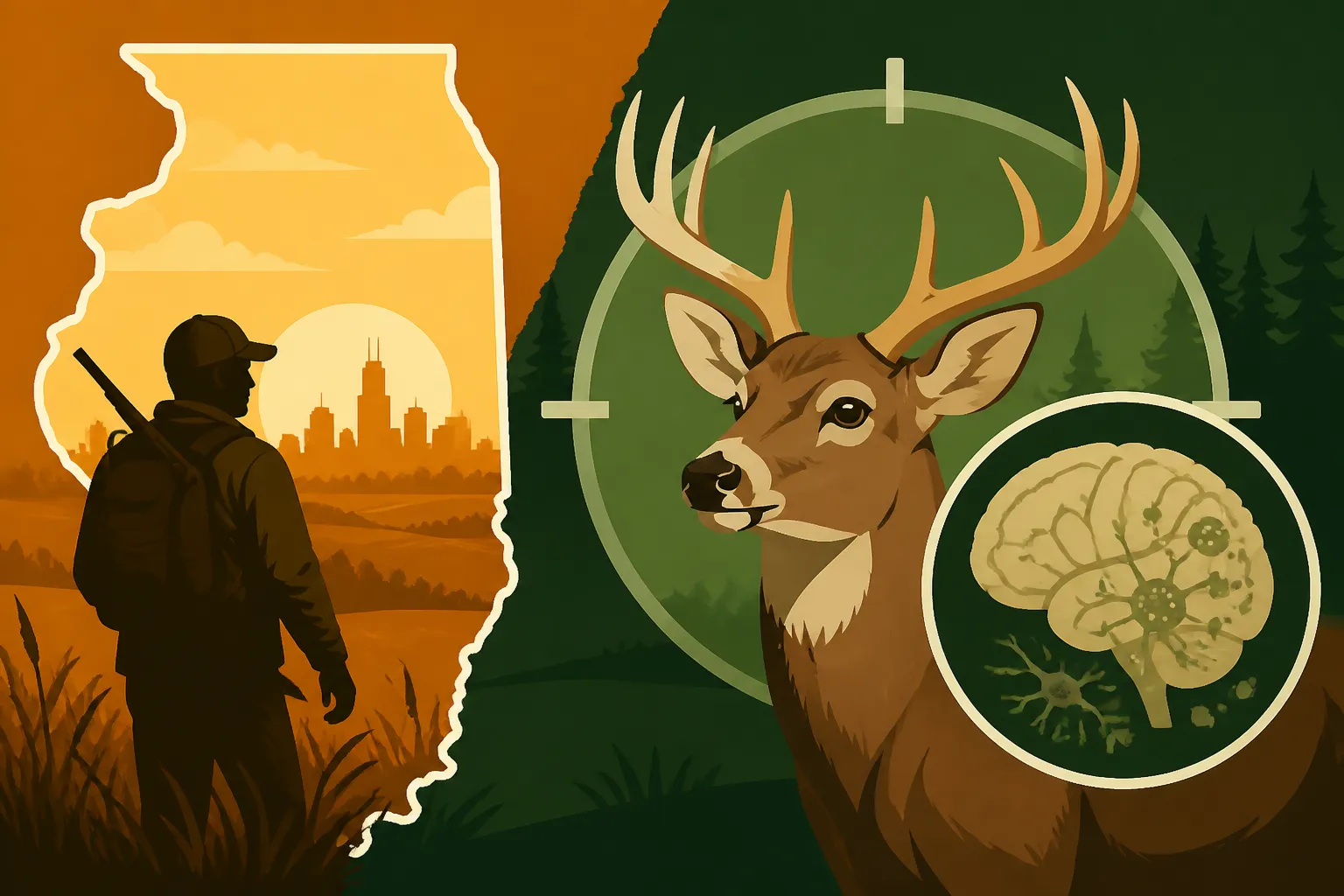
For over two decades, hunters across Illinois have grappled with a silent, relentless threat impacting our beloved white-tailed deer: Chronic Wasting Disease (CWD). This isn't just another disease; it's a persistent, fatal neurological condition that changes the very landscape of deer management and hunting. This comprehensive guide will delve into the history of CWD in Illinois, explore the IDNR's multi-pronged efforts to contain it, and detail how every hunter can play a crucial role in managing this enduring challenge.
The Inception: CWD Arrives in Illinois
When Chronic Wasting Disease was first detected in Illinois in 2002, it sent ripples of concern through the hunting community. It wasn't a question of if it would arrive, but when, given its spread in neighboring states. The initial discovery marked the beginning of a long, arduous journey for the Illinois Department of Natural Resources (IDNR) and hunters alike.
First Discovery in Boone County
The first CWD-positive deer in Illinois was found in Boone County, nestled in the northern part of the state. This initial detection wasn't a random occurrence; it was the result of proactive surveillance efforts by the IDNR, which had been monitoring the disease's movement across the Midwest. Local hunters and landowners were crucial in reporting suspicious deer, leading to the confirmation. It felt like a punch to the gut for many, realizing that this devastating neurological disease, known for slowly wasting away deer, was now firmly entrenched within our state borders. The immediate response involved intensified testing in the surrounding areas to gauge the extent of the outbreak, a necessary but daunting task.
Initial Reactions and Early Challenges
The news of CWD in Boone County sparked a mix of alarm and confusion. Hunters had countless questions: "What does this mean for our deer herd?" "Is the meat safe to eat?" "Will hunting seasons change?" The IDNR quickly initiated educational campaigns to inform the public about the disease, its transmission, and the steps being taken. One of the primary challenges was simply explaining the science of CWD—how it’s caused by abnormal proteins called prions, how it spreads through saliva, urine, and feces, and its always-fatal outcome. Early management efforts focused heavily on reducing deer densities in affected areas, primarily through targeted culling programs, to slow the spread. This was often met with resistance, as the concept of "sharpshooting" healthy-looking deer, even for a greater good, was difficult for many to accept.
Understanding the Insidious Threat of CWD
Chronic Wasting Disease is unlike many other wildlife diseases. It's a progressive, fatal neurological disease affecting cervids, including white-tailed deer, mule deer, elk, and moose. Understanding its nature is key to comprehending why it poses such a persistent threat and why Illinois's fight has been ongoing for so long.
The Science Behind the Scourge
At its core, CWD is caused by misfolded proteins called prions. These prions are incredibly resilient; they aren't destroyed by typical cooking temperatures, freezing, or even many disinfectants. Once a deer is infected, these prions slowly accumulate in the brain, spinal cord, and lymphatic tissues, causing microscopic spongy holes and eventually leading to severe neurological dysfunction. The incubation period can be lengthy, often taking years before clinical signs appear. This long incubation makes detection difficult and allows infected animals to spread the disease unknowingly for extended periods. The challenge is magnified by the fact that these prions can persist in the environment—in soil, plants, and water—for years, effectively creating "hot zones" where uninfected deer can contract the disease. This environmental persistence is a major reason why CWD is so incredibly difficult to eradicate once it takes hold.
How CWD Spreads and Its Impact on Deer Populations
CWD spreads primarily through direct animal-to-animal contact, but also indirectly through contact with contaminated environments. This means deer can contract the disease by interacting with infected animals, or by consuming contaminated forage or water. A crucial factor in its spread is the high density of deer in certain areas; more deer mean more opportunities for transmission. The disease slowly degrades an infected animal's body and brain, leading to characteristic symptoms like excessive salivation, difficulty swallowing, drastic weight loss (hence "wasting"), stumbling, and an overall listless demeanor. While CWD doesn't wipe out entire herds overnight, its long-term impact is a slow, steady decline in herd health and population sustainability, often leading to localized population decreases and a reduction in the age structure of bucks, as older, trophy-class animals are more likely to have been exposed and succumbed to the disease. The goal isn't just to save individual deer, but to preserve the long-term health and vitality of the entire Illinois deer population. Hunters planning their season will find tools like GoHunt useful for checking specific county regulations regarding CWD.
Illinois's Multi-Decade Management Efforts
Over the past two decades, the IDNR has developed and adapted a multi-faceted approach to combat CWD. This has involved surveillance, population control, and strict regulations, all evolving as scientists and managers learned more about the disease.
Early Aggressive Culling Strategies
In the early years, particularly in the northern Illinois counties where CWD was first detected, the IDNR implemented aggressive targeted culling programs. This involved sharpshooters removing deer, often outside of regular hunting seasons, in an attempt to drastically reduce deer densities in known CWD hot zones. The logic was simple: fewer deer meant fewer opportunities for disease transmission. These efforts were vital in preventing more rapid spread in the initial stages. While effective in reducing localized populations, these methods were costly, labor-intensive, and, as mentioned, often faced public scrutiny and pushback from hunters who valued every deer. It was a tough but necessary call in those critical early days.
Shifting Focus: From Culling to Hunter Participation
As the years passed and CWD became more widespread, the IDNR's strategy began to evolve. While targeted removals still occur in specific situations, there has been a significant shift towards integrating hunters into the core management strategy. This recognizes that hunters are the most numerous and efficient form of deer harvest, and their participation is crucial for managing deer populations to keep CWD prevalence low. This shift led to increased opportunities for hunters, particularly through special permits and extended seasons, to harvest deer in CWD-affected counties. The emphasis moved from professional culling to empowering hunters to be the primary tool in CWD management, encouraging them to take additional antlerless deer to help control overall population density. The mantra became: "The best tool for managing CWD is a hunter with a tag."
In recent years, the IDNR suspended targeted culling programs in many areas, opting instead to rely heavily on hunter harvest to manage deer densities and CWD spread. This places a greater responsibility on hunters to be informed and active participants. For instance, in areas with high CWD prevalence, hunters are encouraged to take additional antlerless deer. You can learn more about this by reading "Why IDNR Suspended Targeted Culling."
The Role of Mandatory Testing and Carcass Restrictions
A cornerstone of Illinois's CWD management has been widespread testing and carcass movement restrictions. Mandatory testing has been implemented in certain CWD-positive counties during firearm seasons to gather crucial data on disease prevalence and spread. Hunters are required to bring their harvested deer to designated check stations or drop-off sites for sampling. This data is invaluable for tracking the disease and informing future management decisions.
Furthermore, strict regulations are in place regarding the movement of deer carcasses out of CWD-positive counties. These rules are designed to prevent hunters from inadvertently transporting infected material, such as brains and spinal cords, to CWD-negative areas, thus minimizing the risk of introducing the disease to new regions. For example, only boned-out meat, quarters, hides, and cleaned skulls are permitted to leave CWD counties. Understanding these rules is critical for ethical and responsible hunting. Hunters can find detailed information on these requirements by checking the "Illinois Carcass Movement Restrictions" guidelines. Using mapping tools like GoHunt can help you identify CWD zones and plan accordingly.
Here's a simplified look at CWD trends in a hypothetical northern Illinois county, demonstrating the fluctuating challenge:
| Year | Test Samples | Positive Cases | Prevalence Rate (%) | Key Management Actions |
|---|---|---|---|---|
| 2005 | 1,200 | 36 | 3.0 | Targeted culling, increased hunter harvest encouragement |
| 2010 | 1,550 | 78 | 5.0 | Expanded voluntary testing, continued harvest emphasis |
| 2015 | 1,800 | 108 | 6.0 | Mandatory testing in specific counties during firearm |
| 2020 | 2,000 | 120 | 6.0 | Reliance on hunter harvest, public education |
| 2023 | 1,900 | 114 | 6.0 | Continued monitoring, hunter education, carcass rules |
Note: This table uses hypothetical data to illustrate trends; actual numbers vary by county and year.
The Hunter's Crucial Role in CWD Mitigation
Hunters are not just participants in CWD management; they are arguably the most important element in Illinois's long-term strategy. Their actions, choices, and commitment directly impact the success of efforts to control the disease.
Responsible Harvesting and Reporting
Every hunter has a responsibility to harvest deer ethically and in line with IDNR recommendations, especially in CWD-positive areas. This often means being willing to take antlerless deer, as reducing the overall population density is key to slowing disease transmission. Furthermore, reporting any deer that appears sick or exhibits CWD-like symptoms is paramount. Early detection can help identify new hot spots and prevent further spread. You can learn more about how to get your harvest tested in "Illinois CWD Testing for Hunters." When you're out Hunting the Illinois Rut in Early November, be especially vigilant for any signs of illness in the deer you encounter.
Navigating CWD Regulations and Zones
The rules surrounding CWD can feel complex, with specific regulations for different counties and seasons. It's on every hunter to stay informed about the latest CWD zones, mandatory testing requirements, and carcass transportation rules. This might mean checking the IDNR website before each season or reviewing materials provided by local check stations. Ignorance of the rules is not an excuse, and violating them could unintentionally contribute to the spread of the disease. Using a digital mapping tool like GoHunt can be incredibly helpful for visualizing CWD zones and understanding permit requirements specific to certain areas, ensuring you're always in compliance.
Educating Fellow Hunters and the Public
Beyond personal compliance, a critical role for hunters is to become ambassadors for CWD education. Many non-hunters or even new hunters might not fully understand the disease or the importance of current regulations. Sharing accurate information, explaining the "why" behind specific rules, and encouraging responsible hunting practices can significantly broaden the impact of management efforts. A well-informed hunting community is our strongest defense against CWD's continued spread, ensuring the future of White-Tailed Deer Across Illinois. When you're out Scouting Illinois Public Land Before Season, it’s a great opportunity to observe deer health and understand the local CWD situation.
The Long Road Ahead: Persistence in the Face of CWD
Illinois's fight against CWD is not a sprint; it's a marathon that has already spanned over two decades, and it's far from over. Managing a disease that is persistent, fatal, and environmentally hardy requires ongoing vigilance, adaptability, and the unwavering commitment of the hunting community.
Ongoing Surveillance and Research
The IDNR continues to conduct extensive surveillance and partner with researchers to better understand CWD. This includes monitoring prevalence rates in known CWD counties, expanding testing to new areas, and exploring new detection methods. Research is vital for understanding prion behavior, potential environmental decontamination, and even the possibility of genetic resistance in deer. This scientific backbone informs adaptive management strategies, ensuring that Illinois's approach remains data-driven and responsive to the evolving nature of the disease. Every piece of information helps managers make better decisions to protect the overall Illinois Deer Population Estimate.
Adapting Hunting Seasons and Opportunities
As CWD management strategies evolve, so too might hunting seasons and opportunities. We've already seen adjustments in permit allocations, special CWD season dates, and changes in antlerless deer harvest incentives in affected areas. Hunters should anticipate that future regulations may continue to adapt based on surveillance data and research findings. The goal is always to balance harvest goals with CWD mitigation, ensuring healthy deer populations for generations to come. This might include continued emphasis on Illinois Deer Season Structure Explained in specific CWD zones. When performing tasks like Field Dressing a Deer in Cold Weather, remember to adhere to all carcass transport regulations.
The Future of Deer Hunting in Illinois
The reality is that CWD is likely here to stay, but that doesn't mean deer hunting in Illinois is doomed. It simply means that responsible management and proactive hunter participation will be even more critical. The future of hunting will involve a heightened awareness of wildlife health, a commitment to ethical practices, and a collaborative spirit between hunters and wildlife agencies. Our collective efforts over the past twenty-three years have been a testament to this commitment, and they will continue to be the cornerstone of ensuring robust and healthy Illinois Deer Herd Size for the next twenty-three years and beyond. Hunters can stay ahead by using resources like GoHunt to track legislative changes and disease updates, making them better prepared for any adaptations in hunting seasons.
Disclaimer
The information provided in this article is for educational and informational purposes only and is not intended as legal advice or a substitute for official regulations. Hunters are responsible for consulting the most current Illinois Department of Natural Resources (IDNR) regulations, hunting proclamations, and local ordinances before engaging in any hunting activities. Always verify specific season dates, permit requirements, and CWD zone rules directly with the IDNR.