Illinois Sandhill Crane Migration
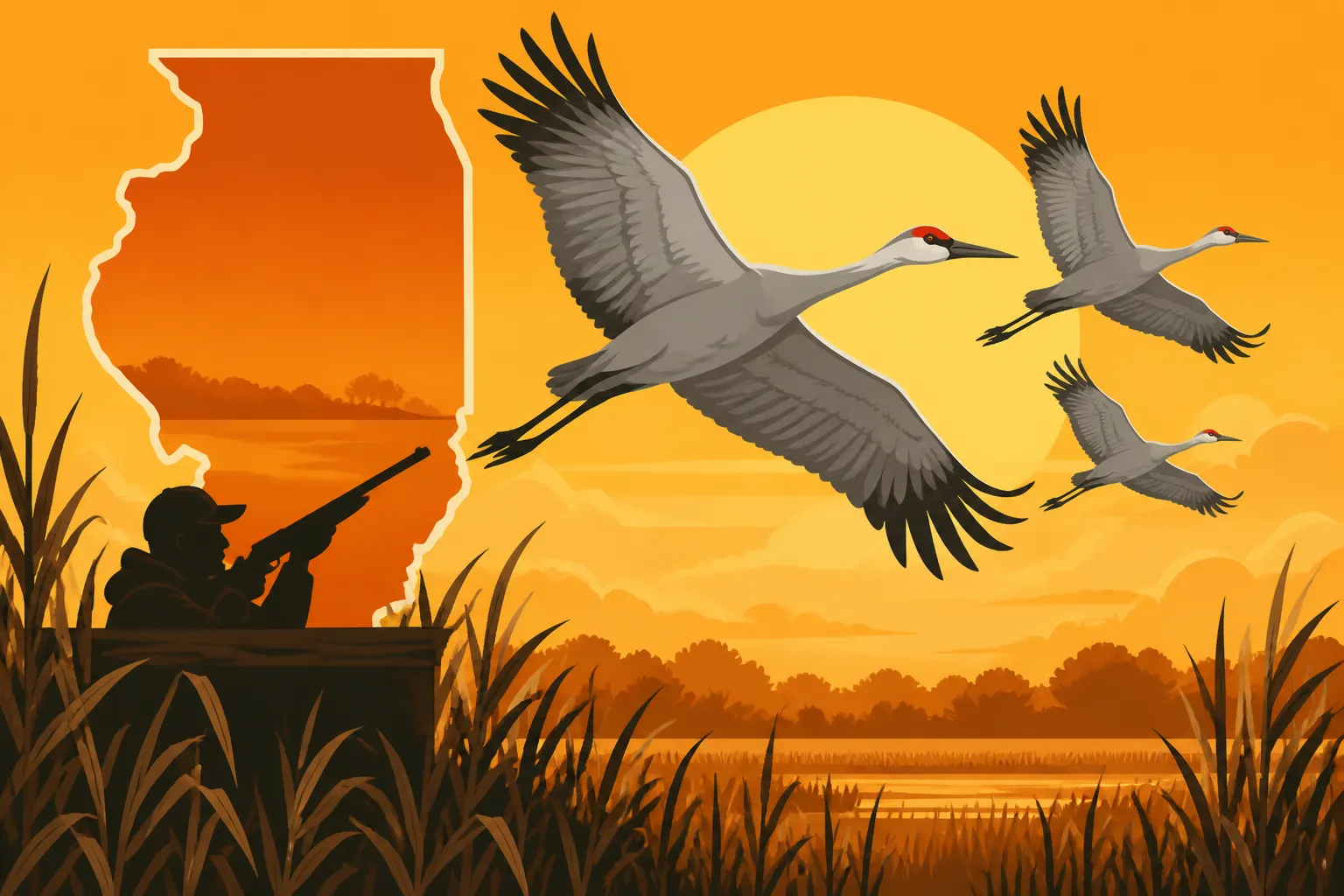
For any of us who spend time in the Illinois outdoors, there's a certain magic that happens when the seasons change, and with it, the movement of migratory birds. One of the most breathtaking spectacles isn't just the ducks and geese, but the majestic Sandhill Cranes, whose calls echo across the landscape. If you've ever seen or heard these incredible birds passing through, you know the feeling—it's awe-inspiring, and if you haven't, you're missing out on a truly wild Illinois experience. This guide will help you understand their incredible journey through our state, where to witness it, and what makes these ancient birds so special to Illinois.
The Comeback Story of Sandhill Cranes in Illinois
It’s easy to take for granted the incredible natural beauty we have in Illinois today, but many species that are common now were once on the brink. The Sandhill Crane is a prime example of a conservation success story that brings immense joy to birdwatchers and nature enthusiasts across the state, even for us hunters who appreciate healthy ecosystems.
Historical Presence and Decline
Decades ago, the idea of seeing hundreds, let alone thousands, of Sandhill Cranes in Illinois would have seemed like a pipe dream. These magnificent birds, with their distinctive red crowns and stately demeanor, were once common residents and migrants across much of North America, including the vast wetlands and prairies of Illinois. However, like so many wildlife species during the late 19th and early 20th centuries, their populations suffered dramatically. Habitat loss, driven by extensive agricultural development and wetland drainage, coupled with unregulated hunting, pushed them out of many parts of their historical range. For a time, Illinois lost its breeding populations entirely, and migratory sightings became incredibly rare, leaving a silence where their ancient, rattling calls once filled the air.
This decline was a harsh reminder of how quickly human activity can impact even the most resilient species. Our state’s transformation from wild prairie and vast marshlands to productive farmland changed the landscape fundamentally. While this progress fed a growing nation, it came at a significant cost to many native species, including the Sandhill Crane. Hunters, too, were part of the story, as wildlife management as we know it today was still in its infancy. The absence of these birds was a quiet loss, but one that left a void in the natural tapestry of Illinois.
Conservation Efforts and Resurgence
Fortunately, the story didn't end there. Thanks to dedicated conservation efforts, strict protection under migratory bird treaties, and a growing understanding of ecological needs, Sandhill Cranes began a slow but remarkable comeback. Throughout the mid-20th century, as wetland restoration projects gained traction and hunting regulations became more scientifically managed, conditions slowly improved. Illinois, in particular, saw renewed interest in preserving and restoring crucial wetland habitats, recognizing their value not just for waterfowl but for a myriad of other species, including cranes.
These efforts weren't just about saving a single species; they were about restoring entire ecosystems. Land acquisition and management by state and federal agencies, often supported by funds from hunting licenses and stamps, created safe havens for migrating and breeding cranes. Over time, small groups of cranes started returning, first as infrequent visitors, then in larger and larger numbers. Today, it’s a truly exhilarating sight to witness thousands of Sandhill Cranes descending upon wetlands during their migration, their calls a testament to what conservation can achieve. It's a comeback that proves the power of collective action, reminding us that healthy habitats benefit all wildlife, from the smallest marsh wren to the grandest crane.
Understanding the Illinois Sandhill Crane Migration Pattern
The migration of Sandhill Cranes through Illinois is one of nature’s grandest spectacles, a testament to their incredible endurance and the deep-seated instincts that guide them across continents. For anyone looking to truly appreciate this phenomenon, understanding their patterns is key.
Key Migration Corridors and Timing
Sandhill Cranes undertake long, arduous journeys twice a year, moving between their northern breeding grounds and southern wintering areas. For those of us in Illinois, we are incredibly fortunate to be situated along a major migration corridor, primarily the Mississippi Flyway. This flyway acts as a natural highway, guiding millions of birds, including Sandhill Cranes, right through our backyard. The fall migration typically begins in late September and continues through November, often peaking in mid-October. This is when you'll see large "kettles" of cranes circling high above, catching thermals, their long legs trailing behind them as they navigate south.
Spring migration usually kicks off in late February, intensifying through March, and tapering off by mid-April. Depending on the weather, these dates can shift a bit, with warmer spells pushing birds north earlier, and late cold snaps holding them back. It's a truly dynamic event. As a hunter, understanding these patterns for all migratory birds, whether it's cranes or waterfowl, is crucial for appreciating the natural rhythms of our state. The same routes that funnel ducks and geese to the Waterfowl Hunting the Illinois River Valley also bring these majestic cranes. Keeping an eye on weather fronts and regional bird reports, perhaps using a tool like GoHunt, can give you a better sense of when these movements are about to occur.
Stopover Sites and Feeding Habits
While they are incredible long-distance flyers, Sandhill Cranes can't cover the entire distance from their breeding grounds in places like Wisconsin and Michigan to their wintering havens in Florida and Texas in one go. They rely heavily on critical stopover sites along their migratory path, and Illinois provides several such invaluable locations. These stopover points are typically vast wetlands, shallow lakes, and agricultural fields where they can rest, refuel, and regroup.
When they land, their primary goal is to replenish energy reserves. Cranes are omnivorous, and in Illinois, you’ll often see them foraging in harvested corn and soybean fields, gleaning waste grain that provides essential calories for their journey. They also feed on tubers, invertebrates, small vertebrates, and plant matter found in wetlands. These stopover areas are not just places to eat; they're vital social hubs where cranes gather in immense numbers, reinforcing pair bonds and teaching young cranes important migratory routes. Knowing these key areas, and understanding their feeding habits, can dramatically increase your chances of witnessing these incredible birds up close. It's a complex system, and a healthy network of these sites is essential for the continued success of the Illinois Waterfowl Migration Timing and all migratory species.
Prime Viewing Locations for Sandhill Cranes in Illinois
If you want to experience the sheer spectacle of Sandhill Cranes, Illinois offers some fantastic opportunities, particularly during their spring and fall migrations. It's truly an experience that puts you in touch with the wild heart of our state.
Northern Illinois Hotspots
Northern Illinois is arguably the epicenter for Sandhill Crane viewing in the state, largely due to its proximity to major breeding grounds and the prevalence of suitable wetland habitats. One of the most famous and reliable spots is the Jasper-Pulaski Fish and Wildlife Area just across the border in Indiana, which, while not in Illinois, draws birds that are also using Illinois flyways and serves as a major indicator of regional crane activity. Closer to home, areas like Moraine Hills State Park in McHenry County and the Des Plaines Conservation Area near Wilmington are well-known for their spring and fall congregations. These sites offer expansive marshes and open water, providing ideal roosting and feeding habitat.
Watching these birds come in to roost at dusk, or lifting off in mass at dawn, is an unforgettable experience. The sheer volume of their calls, often described as a prehistoric rattle, can be deafening yet exhilarating. Many of these northern Illinois locations have viewing platforms or designated areas to observe without disturbing the birds. It’s a testament to the hard work of conservationists that these areas thrive. Even as we consider Illinois Waterfowl Zones and Seasons for hunting ducks and geese, it’s worth remembering that these same healthy wetlands support magnificent birds like the Sandhill Crane.
Central and Southern Illinois Concentration Areas
While Northern Illinois gets a lot of the spotlight, don't overlook central and southern Illinois for crane sightings, especially further into the fall migration when birds are pushing deeper south. As cranes continue their journey, they will utilize large river bottomlands and expansive agricultural landscapes. The Illinois River Valley is a natural magnet for all types of migratory birds, including Sandhill Cranes. While perhaps not in the same numbers as the northern hotspots, pockets of cranes can be found in larger wetland complexes and refuges.
Areas along the Mississippi River, particularly around its backwaters and federal refuges, also host cranes as they move through. Places like the Upper Mississippi River National Wildlife and Fish Refuge can provide good opportunities, especially if you get off the beaten path a bit. Farmers in central and southern Illinois often report large flocks feeding in harvested corn and soybean fields, so keeping an eye on open country can also pay off. While you might not see thousands in a single location as you would further north, the chance to witness these birds against the backdrop of an Illinois sunset, their calls echoing over open fields, is truly special. It's a different kind of beauty than the dense concentrations, but equally rewarding.
Identifying Sandhill Cranes in the Field
Being able to correctly identify wildlife is a crucial skill for any outdoors enthusiast, whether you're a birdwatcher or a hunter. Sandhill Cranes, while distinctive, can sometimes be confused with other large birds. Knowing what to look for will enhance your appreciation of these magnificent creatures.
Distinguishing Features from Other Large Birds
When you spot a large, gray bird in an Illinois field or wetland, your mind might immediately jump to a Sandhill Crane. However, it's important to distinguish them from other similar-sized birds, most notably the Great Blue Heron and the Tundra Swan. Sandhill Cranes stand out with their statuesque height, typically around three to four feet tall, and their predominantly gray plumage, often stained with rusty browns, especially on their backs, from preening with iron-rich mud. The most distinctive feature is their bare, reddish-orange crown on top of their head. Their legs are long and dark, and their necks are long and slender.
In flight, Sandhill Cranes fly with their necks and legs outstretched, unlike herons who often fly with their necks tucked in. They also have a very characteristic wing beat – a steady, powerful stroke that gives them a graceful appearance. When comparing them to a Great Blue Heron, notice the crane's more uniform gray color (herons are bluer), the red cap, and the outstretched neck in flight. Swans, on the other hand, are pure white and have much shorter legs and necks in comparison to their bodies. A good field guide or even an app like GoHunt's bird identification features can be invaluable for cross-referencing these details, especially when you're out in the field.
| Feature | Sandhill Crane | Great Blue Heron | Tundra Swan |
|---|---|---|---|
| Color | Gray, often rusty brown | Blue-gray, some white/black | Pure White |
| Head | Red cap, bare skin | White head, black stripe | Black bill, yellow spot |
| Neck in Flight | Fully Extended | Tucked in 'S' shape | Fully Extended |
| Legs in Flight | Fully Extended past tail | Fully Extended past tail | Shorter, barely past tail |
| Size | Large (3-4 ft tall) | Large (3-4.5 ft tall) | Very Large (4-5 ft long) |
| Habitat | Marshes, fields, open plains | Marshes, ponds, rivers | Open water, flooded fields |
Vocalizations and Flight Patterns
The sound of Sandhill Cranes is perhaps as iconic as their appearance. Their vocalizations are unlike almost any other bird you'll encounter in Illinois. They produce a loud, guttural, trumpeting or rattling call that can carry for miles, especially during migration. This "gar-oo-oo" call is distinctive, often described as a rolling, bugle-like sound. When large flocks are gathering or moving, the air fills with a cacophony of these calls, creating an immersive auditory experience. It’s not a melodic song, but a powerful, ancient sound that evokes wildness.
Their flight pattern is equally distinctive. When migrating, they often fly in large V-formations or in long, undulating lines, similar to geese but with a slower, more deliberate wing beat. They are also known for "kettling," where they catch thermals (rising columns of warm air) and soar upwards in a spiraling motion, gaining altitude with minimal effort before gliding on to their next destination. This graceful, soaring flight, often thousands of feet up, is a common sight during peak migration times. Whether you're listening to their calls or watching their acrobatic flight, these birds are sure to capture your attention and remind you of the immense natural processes happening over our heads, much like the regular ebb and flow of Illinois HIP Certification for Bird Hunters requirements that govern our interaction with other migratory species.
Conservation and Management of Sandhill Cranes
The flourishing presence of Sandhill Cranes in Illinois today is a testament to effective conservation, but it's a story that requires ongoing attention. Understanding how these birds are managed and the challenges they face helps us appreciate their continued existence.
Monitoring Efforts and Population Health
The success of Sandhill Crane populations in Illinois and across their range is closely tied to consistent monitoring and assessment of their health. Wildlife biologists and conservation agencies, including the Illinois Department of Natural Resources (IDNR), tirelessly track crane numbers, migration patterns, and breeding success. This involves various methods, from aerial surveys of staging areas to band recovery data and citizen science initiatives. By understanding trends in their populations, scientists can identify potential threats, such as habitat degradation, disease outbreaks, or changes in food availability.
The health of Sandhill Crane populations is a good indicator of the overall health of wetland ecosystems, which in turn benefit countless other species, including many we pursue during Spring Turkey Hunting in Illinois or Waterfowl Hunting the Illinois River Valley. Their continued rebound is a positive sign, but it doesn't mean we can rest on our laurels. Constant vigilance is required to ensure that the habitats they rely on, both for breeding and during migration, remain protected and healthy. This ongoing monitoring ensures that decisions about land use and conservation are informed by the best available science.
Current Regulations and Future Outlook
Currently, there is no open hunting season for Sandhill Cranes in Illinois. They are protected migratory birds, and while some states to our west and north do have limited seasons, Illinois has not established one. This is largely due to the still-recovering nature of their population in the eastern flyway and ongoing efforts to ensure their numbers remain robust. As hunters, we understand the importance of regulated seasons based on population data, and for cranes in Illinois, the data currently supports continued protection. However, like all migratory game birds, they are federally managed, and any future considerations for a hunting season would be a complex decision involving state and federal wildlife agencies.
The outlook for Sandhill Cranes in Illinois appears positive, provided that vital wetland and agricultural habitats continue to be preserved and restored. Challenges remain, of course, including climate change impacts on wetlands, urbanization, and agricultural practices. However, the collaborative efforts of conservation groups, landowners, and government agencies offer hope. By supporting land conservation initiatives, being mindful of our impact on natural areas, and appreciating these incredible birds for the wild spectacle they are, we can all contribute to ensuring that the ancient call of the Sandhill Crane continues to grace the Illinois skies for generations to come. It's a reminder that all parts of our natural world are connected, from the smallest Illinois Duck and Goose Bag Limits considerations to the broad conservation of a species like the crane.
Disclaimer
This article is for general informational purposes only and does not constitute professional advice. Laws, prices and regulations vary by location and change over time. Consult a qualified professional for guidance on your specific situation.