Illinois Feral Hog Diet and Rooting Damage
Feral hogs in Illinois are more than just a nuisance; they are an ecological and agricultural catastrophe on four legs, and understanding their diet and the damage they inflict is crucial for anyone living in or managing land within their growing range. These invasive opportunists aren't just passing through; they're setting up shop, and their constant search for food leaves a trail of destruction that frustrates farmers, baffles wildlife managers, and impacts native species. This guide will dive deep into what these destructive animals eat and the wide-ranging damage their feeding habits cause across our beautiful state.
The Opportunistic Palate: What Illinois Feral Hogs Eat
If you’ve ever wondered what fuels the relentless destruction of feral hogs, the answer is pretty simple: almost anything. These animals are the ultimate omnivores, and their diet in Illinois is incredibly diverse and constantly adapting to whatever is available. This adaptability is precisely why they thrive so well and why managing their populations is such a Herculean task. They don't have picky appetites, which means they can exploit nearly every food source the Illinois landscape offers, from a farmer's prime cornfield to a delicate wetland.
Agricultural Targets and Seasonal Shifts
One of the most significant and financially devastating aspects of the feral hog diet in Illinois is their relentless pursuit of agricultural crops. While they'll certainly munch on any green shoot they come across, corn and soybeans are particularly vulnerable, especially when they're young and tender or when they're mature and packed with calories. Imagine putting months of work and countless dollars into a crop, only to wake up and find entire sections of your field tilled under by a sounder of hogs. It's a gut-wrenching experience that many Illinois farmers face.
During the spring, as crops begin to emerge, hogs will literally plow through fields, consuming young plants and tearing up roots. As summer progresses and corn ears fill out, they'll knock down stalks, eating the kernels directly off the cob. Soybeans, too, are a favorite, especially once the pods begin to ripen. This isn't just about a few plants; a sounder can wipe out acres in a single night. This seasonal shift in their diet means that a farmer's vulnerability to hog damage changes throughout the year, requiring constant vigilance. Understanding these patterns is key for anyone trying to control them, and mapping tools can even help predict where hogs might hit next based on crop rotations and historical data. When you're dealing with the financial impact of these animals, every piece of intelligence matters.
Natural Forage and Competition with Native Species
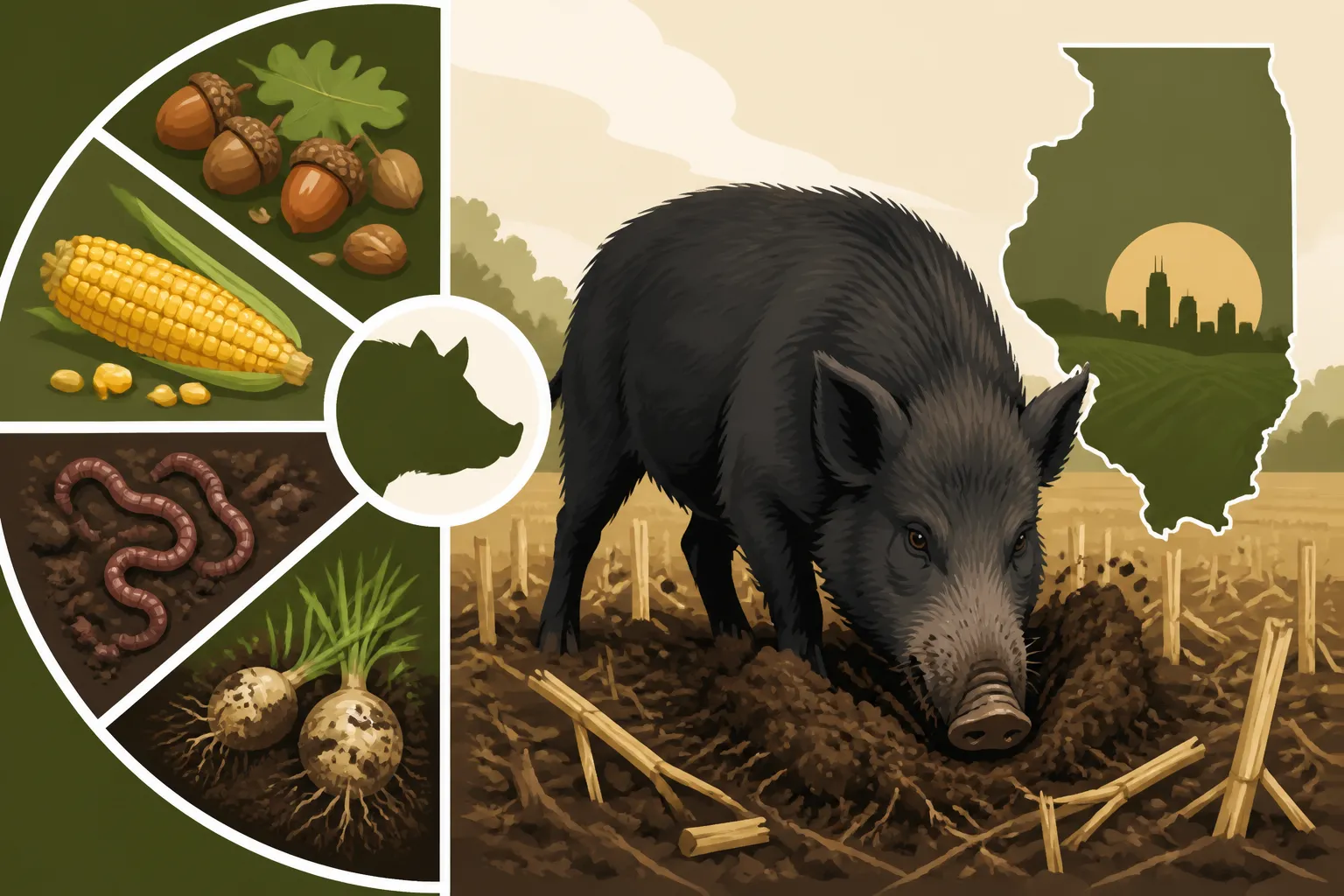
Beyond cultivated crops, Illinois feral hogs rely heavily on natural forage found in our woodlands, river bottoms, and prairies. Mast crops, like acorns from oak trees and nuts from hickory trees, are a huge draw for them, especially in the fall and winter when other food sources dwindle. They'll also aggressively root for tubers, bulbs, and fungi underground, constantly tilling the soil in their search. This is where the competition with native wildlife really comes into play. Our deer, turkeys, squirrels, and many other animals depend on these same mast crops and underground treats to survive the colder months. When hogs move in, they don't just eat; they decimate, consuming resources so rapidly and thoroughly that little is left for our indigenous species.
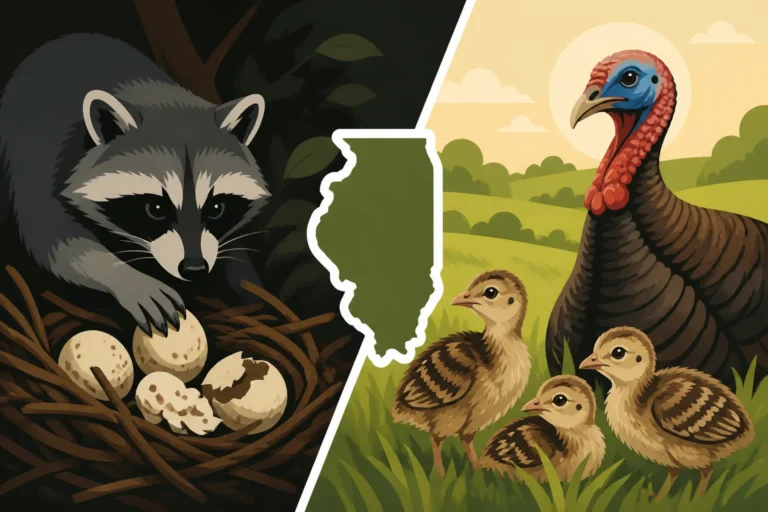
Their diet isn't limited to plant matter, either. Feral hogs are opportunistic predators. They'll readily consume insects, worms, and even small vertebrates. This includes ground-nesting bird eggs – think turkeys and quail – and even young fawns. This predation, though perhaps not as visible as crop damage, has a profound impact on native wildlife populations. It's a silent killer that further destabilizes the delicate ecological balance in areas where hogs have established themselves. Illinois Songbird Nest Predation by Hogs is a serious concern, as they will root out nests and consume eggs and chicks. Tools like GoHunt can help you overlay habitat maps to understand where these natural food sources might be most prevalent, giving you insight into potential hog hotspots, especially when you're Scouting Illinois Public Land Before Season.
| Diet Category | Examples in Illinois | Seasonal Availability | Impact on Land/Wildlife |
|---|---|---|---|
| Agricultural Crops | Corn, soybeans, wheat, hay, garden vegetables | Year-round (harvest) | Severe crop loss, soil disturbance |
| Mast Crops | Acorns, hickory nuts, pecans | Fall/Winter | Direct competition with deer, turkey, squirrels |
| Roots & Tubers | Wild onions, grubs, roots of native plants | Year-round | Extensive rooting damage, disrupts soil structure |
| Insects & Invertebrates | Grubs, worms, beetles | Year-round | Minor direct impact, but part of rooting behavior |
| Small Vertebrates | Frogs, snakes, ground-nesting bird eggs/chicks, fawns | Spring/Summer | Predation on vulnerable native species, population decline |
| Carrion | Dead animals (roadkill, hunter discards) | Year-round | Potential disease vector |
Rooting Damage: The Signature of Destruction
The most visible and immediate impact of feral hogs in Illinois is their rooting damage. These animals possess incredibly strong neck and shoulder muscles and a tough, disk-like snout, which they use like a plow to dig, churn, and turn over soil in search of food. The scale of this destruction is truly staggering, transforming lush fields, manicured lawns, and vibrant forests into war zones overnight. It's not just an inconvenience; it's a profound alteration of the landscape.
Fields, Pastures, and Lawns Uprooted
For farmers and landowners, rooting is a relentless nightmare. In agricultural fields, hogs can tear through young crops, leaving behind a tilled, uneven mess that makes it impossible for equipment to pass or for remaining crops to grow properly. Pastures, vital for livestock, become pockmarked with deep furrows and craters, creating hazards for horses and cattle and destroying valuable forage. I've seen pastures that look like they've been rototilled, and the frustration from ranchers losing grazing land is palpable.
Even residential lawns, golf courses, and parks aren't safe. Hogs, especially after a good rain, can rip up turf in their search for grubs and worms, leaving behind unsightly and costly damage. The effort and expense required to repair this kind of widespread rooting can be enormous, adding to the financial burden these invasive animals impose. This isn't just about aesthetics; it's about the very foundation of the land's utility and value. If you suspect hog activity on your land, understanding these patterns is the first step in enacting Illinois Feral Hog Regulations to protect your property.
Forest and Wetland Ecosystems Under Attack
The impact of rooting extends far beyond agricultural land, profoundly affecting natural ecosystems. In forests, hogs disrupt the delicate soil structure, damaging the root systems of trees and native plants. They consume tree seedlings, preventing forest regeneration, and destroy critical understory vegetation that provides food and cover for other wildlife. This constant disturbance also promotes the spread of invasive plant species, which often thrive in disturbed soil, further outcompeting native flora.
Wetlands are particularly vulnerable. Hogs will root extensively around marshy areas, stream banks, and ponds, destroying aquatic vegetation, increasing erosion, and muddying waters. This muddied water reduces light penetration, harming aquatic plants and impacting fish and amphibian populations. Wallowing, another common hog behavior, further churns up sediment and contaminates water sources, posing a threat to water quality for both wildlife and humans. The degradation of these vital habitats is a serious long-term consequence of unchecked hog populations, leading to significant changes in local biodiversity. Tracking these sightings and damage patterns, perhaps through platforms like GoHunt, can provide vital data for managing these destructive incursions.
Broader Ecological and Economic Consequences
The destruction wrought by feral hogs in Illinois goes far beyond immediate crop loss and rooting damage. Their presence triggers a cascade of negative effects that impact entire ecosystems, threaten native wildlife, and impose significant economic burdens on the state. It's a complex web of problems stemming from a single, resilient invasive species.
Competition, Predation, and Disease Transmission
As we touched upon earlier, feral hogs are direct competitors with native wildlife for critical food resources. When hogs consume acorns, nuts, and tubers, there's simply less available for deer, turkeys, squirrels, and bears, especially during lean winter months. This competition can weaken native populations, making them more susceptible to disease and reducing their reproductive success. It’s a struggle for survival where the native animals are consistently at a disadvantage.
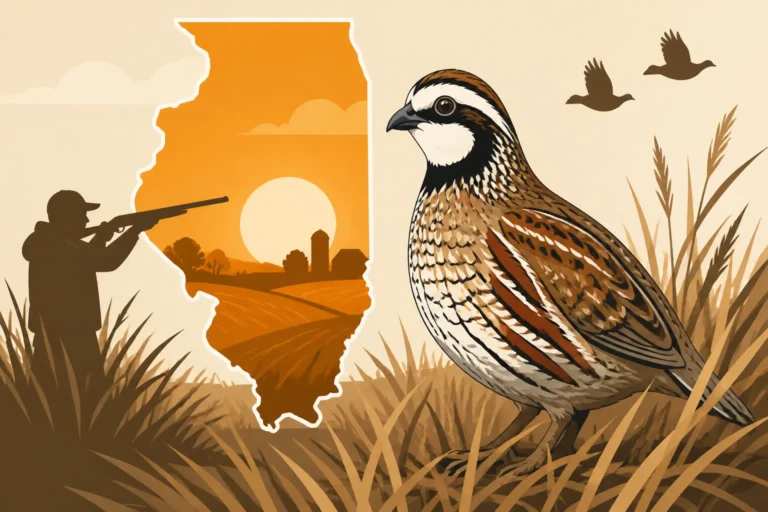
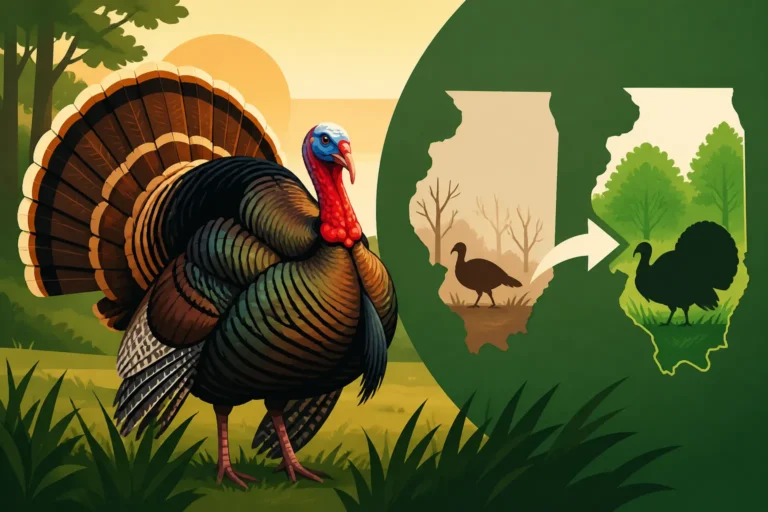
Furthermore, their predatory habits on ground-nesting birds, their eggs, and young fawns are a major concern. Turkeys and quail, already facing habitat challenges, don't need the added pressure of a predator that can systematically destroy nests and consume young. This direct predation can have a disproportionate impact on recruitment rates for these species. If you're invested in Spring Turkey Hunting in Illinois or Hunting Illinois's Fall Turkey Zones, the presence of hogs is a real threat to future opportunities.
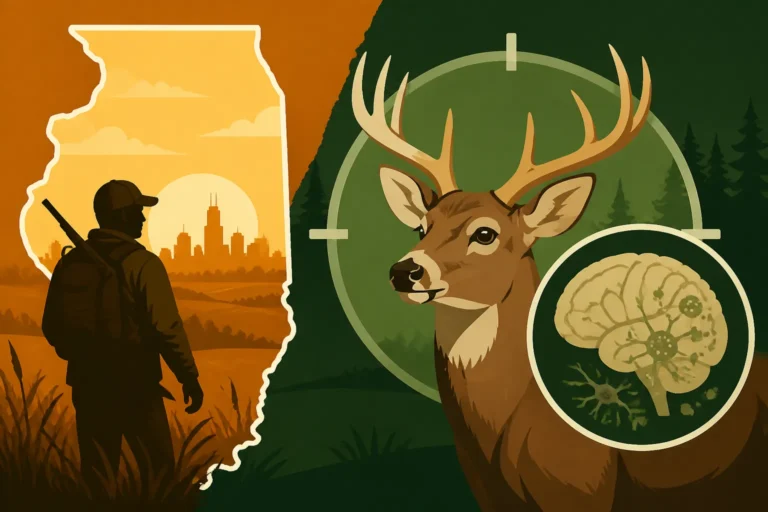
Perhaps one of the most insidious threats is their role as vectors for disease. Feral hogs can carry and transmit a host of diseases, including pseudorabies and swine brucellosis, which can be transmitted to domestic livestock, other wildlife, and even humans in some cases. While these diseases might not always be fatal to the hogs themselves, they pose a significant risk to the agricultural economy and public health. This potential for disease transmission is a constant concern for Illinois wildlife and livestock managers, necessitating strict biosecurity measures and careful handling of harvested hogs. The Illinois Feral Hog Regulations address some of these concerns by declaring them an unprotected species that can be harvested year-round on private land, often with no bag limits.
Soil Erosion and Water Quality Degradation
The relentless rooting behavior of feral hogs strips away protective vegetation and loosens soil, making it highly susceptible to erosion. When heavy rains hit, this disturbed soil can easily wash away, leading to sediment runoff into streams, rivers, and lakes. This increased sedimentation chokes aquatic habitats, buries fish spawning beds, and degrades overall water quality. For those who enjoy Waterfowl Hunting the Illinois River Valley or fishing, cleaner water is essential.
Their wallowing habits, particularly along stream banks and in wetlands, further exacerbate water quality problems. Hogs churn up sediment, release nutrients from their waste, and introduce pathogens into water bodies. This leads to higher turbidity, lower oxygen levels, and increased bacterial contamination, all of which negatively impact aquatic life and can make water unsafe for recreational use or even drinking water sources downstream. The cumulative effect of thousands of hogs across southern Illinois, for example, can significantly impact the health of our waterways.
Identifying Hog Sign and Damage
Knowing what to look for is the first step in understanding the extent of a feral hog problem on your land or hunting grounds. Hog sign is often unmistakable once you know what distinguishes it from other wildlife. This identification is crucial, whether you're a landowner trying to protect your property or a hunter looking to effectively manage these invasive animals.
Distinctive Rooting Patterns
The most obvious sign of feral hogs is their distinctive rooting. Unlike deer or turkeys that might leave shallow scrapes or pecks in the dirt, hogs use their snouts to literally plow furrows in the ground. These rooted areas can range from small, disturbed patches to large, acre-sized sections that look like a tractor has been through them. The depth can vary, but it’s often substantial, turning over clumps of earth, exposing roots, and generally making a mess. You'll often see these patterns along field edges, in open woods, and near water sources.
Pay attention to the scale of the disturbance. Small, individual digs might be from badgers or raccoons, but wide, continuous swathes of turned-over earth are almost certainly hogs. Look for fresh rooting, where the soil is still moist and dark, indicating recent activity. Tools like GoHunt can be incredibly useful for marking these locations on a map, allowing you to track activity over time and identify common travel corridors or feeding areas. This kind of mapping can also help in planning where to set traps or focus your hunting efforts.
Tracks, Wallows, and Rubs
Feral hog tracks are also quite distinctive. Their hoof prints are typically wider than those of deer, and their two "dewclaws" (higher up on the leg) often register in the mud, especially when they are moving quickly or in soft ground. This creates a four-part print, unlike a deer's cleaner, two-part track. The edges of a hog's hoof print are also more rounded than a deer's sharper, more pointed hooves. Examining tracks closely can help you confirm the presence of hogs and even estimate their size and direction of travel. You can even try to determine Reading Illinois Mud for Fresh Deer Movement, but you'll certainly differentiate hogs if they're around.
Wallows are another clear indicator. Hogs love to roll in mud, especially during warm weather, to cool off and cover themselves with mud to deter insects. These wallows are typically shallow, muddy depressions often found near water sources like creeks, ponds, or even wet ditches. You'll often see thick mud caked on nearby trees or brush where they've rubbed against it after wallowing. These "hog rubs" are usually at a lower height than deer rubs and can have coarse hog hairs stuck to them. Finding a fresh wallow or rub is a strong signal that hogs are actively using that area.
Scat and Other Less Obvious Signs
Hog scat can vary greatly depending on their diet, but it's generally cylindrical or clumpy, often resembling dog scat, but can contain undigested plant matter like corn kernels or fibrous material. Its appearance can change based on what they've been eating – more liquid if they've had a lot of green forage, firmer if they've been on a heavy mast diet. You'll typically find scat along trails, near feeding areas, or around bedding sites.
While less obvious, also keep an eye out for flattened areas of tall grass or brush where hogs might have bedded down. These "hog beds" are often communal, with several animals bedding together. You might also notice distinct, strong odors in areas with high hog activity, a musky, somewhat pungent smell that is characteristic of these animals. By combining observation of all these signs, you can build a comprehensive picture of hog presence and movement on your property or hunting land, which is critical for effective control. For those trying to manage these populations, understanding Trapping Illinois Feral Hogs effectively requires knowing where they frequent and leave these tell-tale signs.
Managing the Feral Hog Threat
Managing feral hogs in Illinois is a complex, ongoing challenge that requires a multi-faceted approach. There's no single silver bullet, and success often comes from a combination of active removal, habitat modification, and constant vigilance. Illinois has a very aggressive stance on feral hogs, classifying them as an unprotected species, meaning they can be harvested year-round on private land with no bag limits. This designation reflects the serious threat they pose to the state's agriculture and natural resources.
Active Removal: Trapping and Hunting
The primary method for reducing feral hog populations is active removal. Trapping is widely considered the most effective strategy, especially when targeting entire sounders (a group of hogs). Large, corral-style traps equipped with remote-monitoring systems allow landowners and wildlife managers to capture multiple hogs at once, leading to a significant impact on local populations. The key to successful trapping lies in consistent baiting to habituate hogs to the trap site and then waiting for the entire sounder to enter before triggering the gate. For specific tactics, you might explore Illinois Hog Trapping Success Rates.
Hunting also plays a role, though it's often more effective for individual hogs or smaller groups rather than eliminating entire sounders. In Illinois, you can hunt feral hogs year-round. This includes Night Hunting Hogs With Lights on Private Land, which can be particularly effective given hogs are often most active after dark. However, hogs are intelligent and can quickly become "trap shy" or "hunter educated," making them even harder to catch or shoot after initial pressure. A coordinated approach, combining trapping with strategic hunting, usually yields the best results.
Habitat Modification and Prevention
While direct removal is crucial, managing the environment to make it less hospitable to hogs can also help. This might involve fencing off vulnerable areas like crop fields or gardens, though large-scale fencing can be cost-prohibitive. Removing dense brush or overgrown areas that provide ideal cover and bedding sites can also make an area less attractive to hogs. In some cases, adjusting planting schedules or crop types might reduce the allure of agricultural fields during vulnerable stages.
Education is also a vital tool. Encouraging responsible waste disposal and preventing the intentional feeding of hogs can deter them from congregating near human habitations. Reporting sightings to local authorities or wildlife agencies helps track their spread and allows for more targeted management efforts. For hunters using public land, tools like GoHunt can help identify potential hog hotspots based on habitat features, allowing for more focused scouting and hunting efforts. By staying informed and actively participating, Illinois residents can play a significant role in mitigating the damage caused by these destructive invaders.
Disclaimer
This article is for general informational purposes only and does not constitute professional advice. Laws, prices and regulations vary by location and change over time. Consult a qualified professional for guidance on your specific situation.