Illinois Deer Damage Permit for Farmers
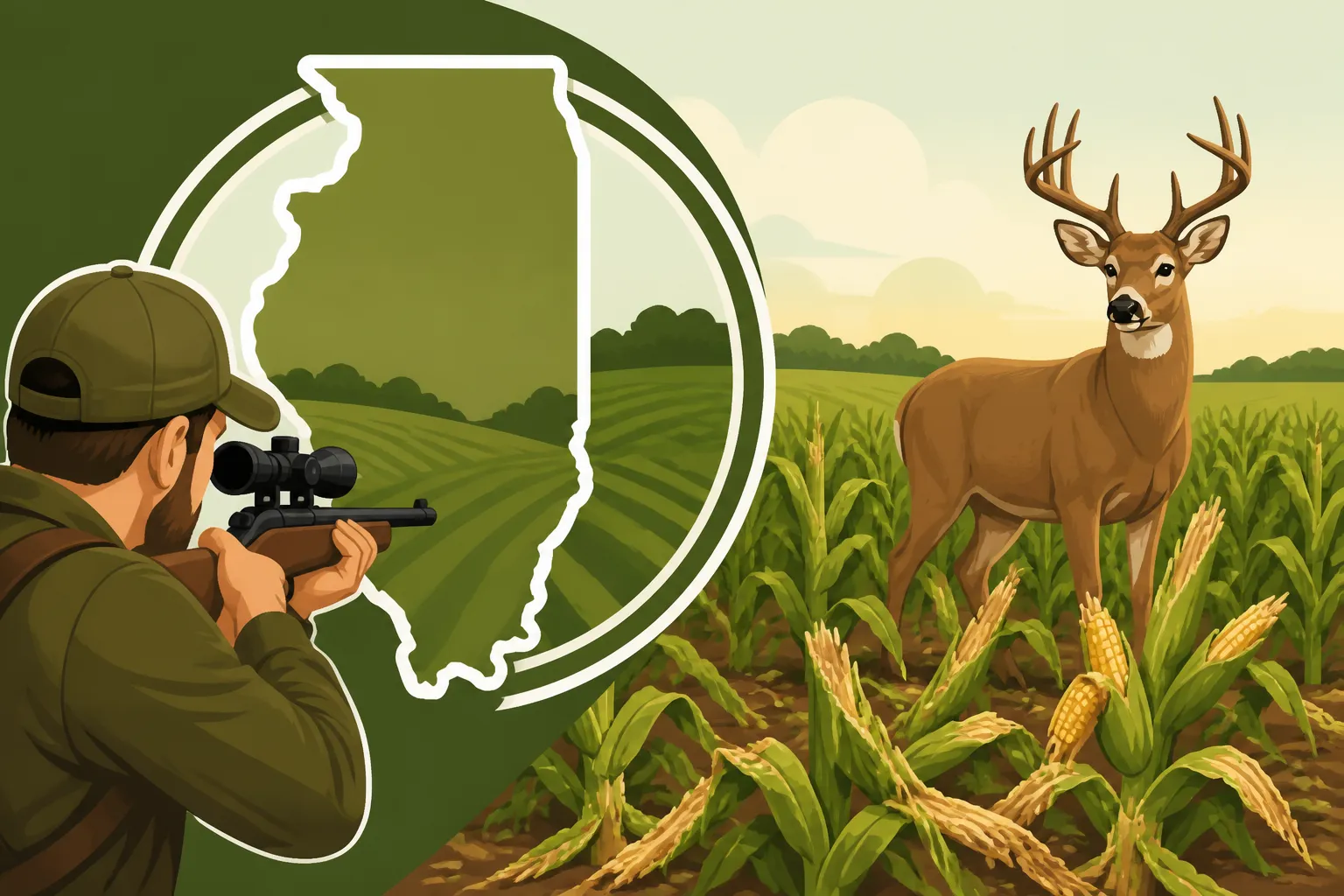
If you're a farmer in Illinois, you know the frustration firsthand: you work tirelessly, pour your resources into your crops, only to see deer move in and help themselves to your hard-earned yield. It's not just a nuisance; it's a significant economic hit. Thankfully, the Illinois Department of Natural Resources (IDNR) recognizes this challenge and offers a specific tool to help: the Illinois Deer Damage Permit for farmers. This guide will walk you through everything you need to know about these permits, from how they work to how you can get one, and even broader strategies to protect your livelihood.
Understanding the Illinois Deer Damage Permit Program
Dealing with deer damage can feel like an uphill battle, especially when you’re already swamped with farm work. The Illinois Deer Damage Permit program is specifically designed to give farmers a direct, regulated method to reduce deer populations causing agricultural destruction outside of regular hunting seasons. It’s a recognition from the state that wildlife management sometimes needs targeted intervention to balance ecological health with agricultural viability.
Purpose and Eligibility for the Permit
At its core, the deer damage permit program aims to alleviate specific, documented crop damage caused by white-tailed deer. This isn't just for any deer seen on your property; it's for situations where deer are actively and demonstrably destroying crops, posing a real financial threat to your operation. The IDNR isn't looking to give out permits just because deer exist, but because they are causing measurable harm.
Eligibility is usually tied to active agricultural land, meaning you need to be a farmer whose crops are being damaged. This isn't typically for your backyard garden, but for commercial farming operations. The goal is to provide relief where the economic impact is most keenly felt. Farmers can contact their local IDNR wildlife biologist or conservation police officer to initiate the process. These professionals are there to assess the situation and guide you through the necessary steps. It’s not about punishment for the deer, but about managing a population that has become problematic for a specific landowner.
Types of Damage and Required Evidence
When you consider applying for a permit, it's crucial to understand what kind of damage the IDNR considers. We’re talking about actual, quantifiable loss to crops like corn, soybeans, hay, specialty crops, and even orchards. It’s not just deer tracks in the mud; it’s significant feeding, trampling, or other destruction that impacts your harvest.
To make your case, you'll need evidence. This isn't always easy to gather when you're busy, but it's essential. This means photographs of the damaged fields, close-ups of eaten plants, and even estimates of the economic loss. Keep records, if possible, of how much of a particular crop was affected, the acreage, and the estimated yield reduction. Sometimes, your local IDNR representative will come out to the farm to conduct an on-site inspection. They're looking for clear, undeniable signs of deer activity and the resulting damage. Don't be shy about showing them the worst areas. They're there to help you document the problem comprehensively. They might even discuss what other local landowners are experiencing, offering a wider perspective on deer density in the area. Understanding Illinois Deer Population Estimate and localized density can further support your claim.
The Application Process: A Step-by-Step Guide for Farmers
Navigating government programs can sometimes feel like trying to find a needle in a haystack, but the IDNR has a fairly straightforward process for deer damage permits. It's all about clear communication and documentation.
Initial Contact and Assessment
The very first step is picking up the phone or sending an email to your local IDNR office. You'll want to get in touch with a district wildlife biologist or a conservation police officer (CPO). They are the frontline experts who handle these requests. Explain your situation: where your farm is located, the type of crops being damaged, and the extent of the problem you’re experiencing.
Once you’ve made contact, expect a site visit. This is where the IDNR professional will come out to your farm to see the damage for themselves. They'll walk your fields, examine the affected crops, and look for signs of deer activity. This might involve looking at trails, rub lines, droppings, and, of course, the damaged plants themselves. They'll also gauge the overall deer pressure in your area and consider factors like proximity to heavy timber, river bottoms, or other prime deer habitat. Be prepared to show them around and point out specific problem areas. This initial assessment is critical because it helps the IDNR determine if a permit is truly warranted and what kind of permit would be most effective. They want to ensure they're addressing a genuine agricultural hardship.
Receiving and Utilizing the Permit
If the assessment confirms significant deer damage, the IDNR may issue you a Deer Damage Permit. These permits aren't a free-for-all; they come with specific regulations and restrictions. Typically, they will specify a certain number of deer that can be taken, often antlerless deer to help control population growth. The permit will also stipulate the timeframe during which the deer can be harvested, usually outside of regular hunting seasons, and the method of take allowed.
You might be required to utilize existing hunting opportunities on your land first, such as allowing hunters during the regular archery or firearm seasons. However, the damage permit is designed for those times when hunting seasons aren't enough or aren't open. The permit holder, or designated individuals, must adhere strictly to these rules. All deer harvested under a damage permit must be reported to the IDNR, just like any other deer taken during a regular season. This data helps the IDNR monitor deer populations and the effectiveness of the program. It's a serious responsibility, as these permits grant special privileges outside normal hunting parameters, so understanding and following every detail is paramount. This type of targeted management is crucial in areas experiencing significant crop loss.
Managing Deer Damage Beyond the Permit
While a deer damage permit can provide immediate relief, it’s often just one piece of a larger puzzle when it comes to long-term deer management on agricultural land. A comprehensive approach involves a mix of direct removal, habitat modification, and deterrents.
Long-Term Mitigation Strategies
Relying solely on damage permits might not be sustainable or fully effective in the long run, especially if your property is surrounded by prime deer habitat. That’s why many farmers look into long-term mitigation strategies. One common method is exclusion fencing. While often expensive and labor-intensive to install, tall deer fences can be incredibly effective at keeping deer out of high-value crops like orchards or specialty vegetable fields. Electric fences, particularly multi-strand designs, can also be a more cost-effective deterrent for larger areas.
Habitat modification can also play a role. While it might seem counterintuitive to change your land for deer, sometimes strategically planting "buffer crops" that deer prefer on the edges of your property can draw them away from your main cash crops. Other strategies involve clearing dense brush or creating open areas near vulnerable fields to make deer feel less secure, thus reducing their willingness to browse in those spots during daylight hours. Farmers are always innovating, and some have found success with various commercial deer repellents, though their effectiveness can vary greatly depending on the product, application, and local deer pressure. Exploring topics like Food Plots on Illinois Private Land might offer insights into managing deer movement, even if the primary goal isn't hunting.
Hunting and Herd Management Considerations
The most impactful long-term solution for deer damage often involves a robust hunting program. Encouraging legal deer hunting on your property, whether through friends, family, or even leasing hunting rights, can significantly help manage deer numbers. By increasing the overall deer harvest, especially of antlerless deer, you can reduce the breeding population and, consequently, the number of mouths eating your crops.
Consider the timing of hunts. Late-season hunts, when natural food sources are scarcer, can draw deer into fields, making them more vulnerable and helping to reduce the population before the next growing season. Furthermore, working with local hunters who understand sound deer management principles, focusing on harvesting does to balance the herd, is often more effective than simply taking any deer. Understanding the local Illinois Deer Harvest Records can give you an idea of the population trends and how your efforts might fit into a broader regional picture. Deer damage permits are a critical tool when seasons are closed, but integrating them into a year-round strategy that includes responsible hunting is often the most comprehensive approach to protecting your farm.
| Type of Deer Damage Permit | Purpose | Who Can Apply | Evidence Required | Typical Duration | Restrictions |
|---|---|---|---|---|---|
| Agricultural Permit | Reduce deer causing crop destruction | Commercial farmers experiencing crop loss | Photos of damage, crop type, acreage affected, estimated financial loss, site visit | Short-term (weeks) | Specific number of deer, antlerless focus, designated shooters, reporting required |
| Horticultural Permit | Protect orchards, nurseries, specialty crops | Landowners with high-value horticultural crops | Same as Agricultural, but specific to high-value plants | Short-term (weeks) | Similar restrictions to agricultural permits |
This table provides a simplified overview. Always contact the IDNR for the most current and specific requirements for your situation.
Protecting your crops from deer isn't a one-time fix; it's an ongoing effort. But by understanding and utilizing tools like the Illinois Deer Damage Permit, alongside thoughtful long-term management, you can significantly reduce the impact of these animals on your farm. Don't hesitate to reach out to your local IDNR office for guidance; they are there to help Illinois farmers sustain their livelihoods.
Disclaimer
The information provided in this guide is for general informational purposes only and does not constitute legal advice. Hunting regulations and permit requirements can change, and interpretations may vary. Always consult the most current Illinois Department of Natural Resources (IDNR) regulations, official publications, or directly contact the IDNR for precise and up-to-date information before engaging in any hunting activities or applying for permits. Compliance with all state and federal laws is the responsibility of the individual.