How Many Spring Turkey Permits You Can Buy
It can feel like navigating a maze trying to figure out all the rules and regulations for hunting in Illinois, and spring turkey permits are no exception. Many hunters get confused about how many tags they can actually pick up, especially with the different zones, periods, and the lottery system. This guide will walk you through exactly how many spring turkey permits you're allowed to acquire in Illinois, ensuring you're fully prepared and compliant for your next gobbler hunt.
Understanding Illinois Spring Turkey Permit Limits
When it comes to chasing those springtime gobblers in Illinois, one of the first things you need to nail down is how many permits you're legally allowed to obtain. It's not always as straightforward as just buying one; there's a system in place that balances opportunity with wildlife management goals. The good news is, Illinois generally allows for multiple opportunities, but there are clear caps and processes you need to understand.
Resident vs. Non-Resident Permit Caps
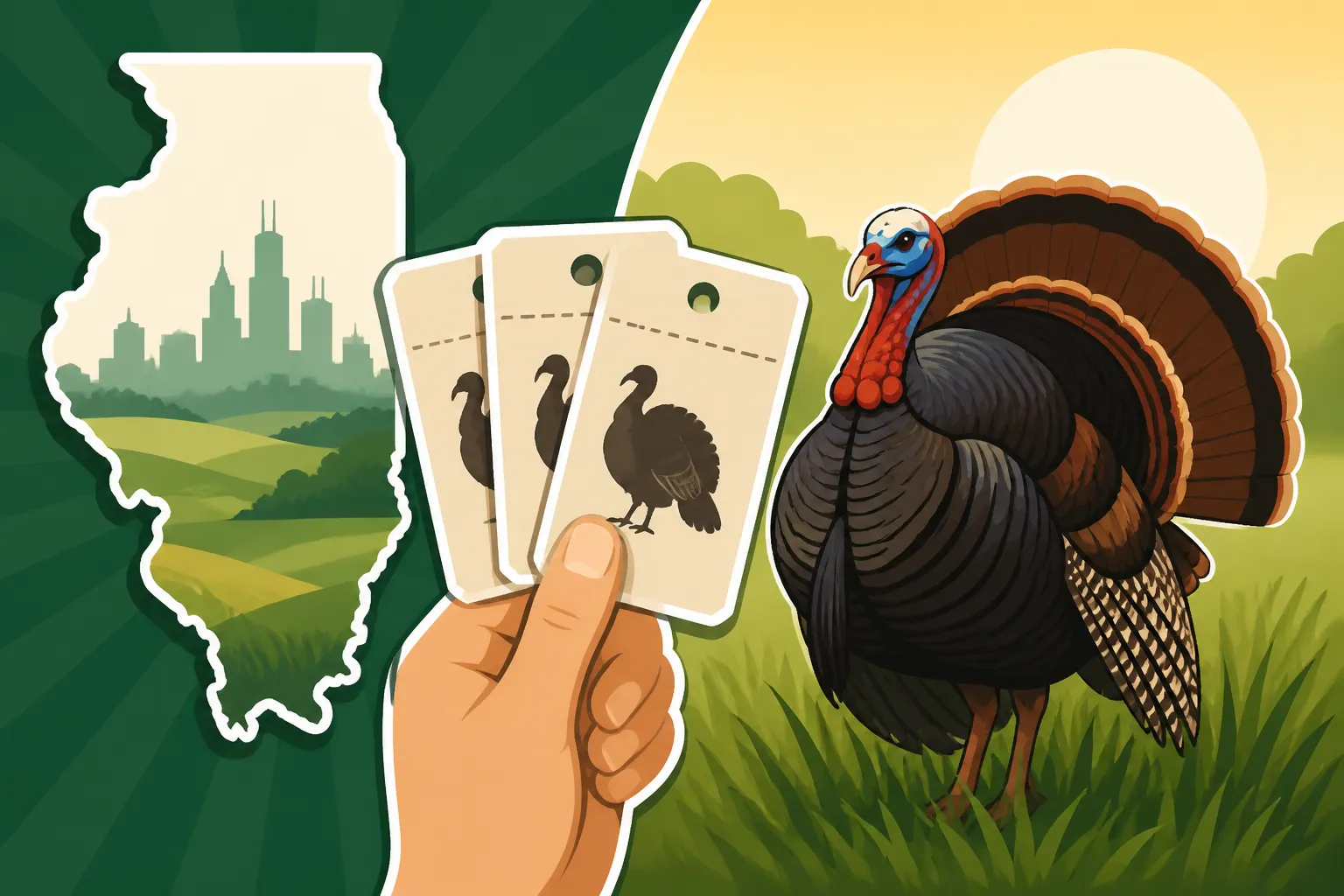
The Illinois Department of Natural Resources (IDNR) sets specific permit limits, and these often differ slightly between residents and non-residents. For spring turkey hunting, both Illinois residents and non-residents are typically eligible to obtain up to three (3) turkey permits. This might sound simple, but the pathway to getting those permits, and even the availability, can vary significantly depending on your residency status.
For residents, the process usually starts with a lottery application period. You can apply for one permit in the initial lottery, designating a specific county or public land site, and a specific hunting period. If you're successful, that's your first permit. After the initial lottery results are in, and if there are still permits available, residents can often purchase additional permits over-the-counter (OTC) or through subsequent random daily drawings. These additional permits are usually for specific zones or periods that didn't sell out in the initial lottery. The key here is that you can eventually accumulate up to three permits, but they often come in phases.
Non-residents, on the other hand, face a slightly different scenario. While they are also allowed up to three permits, their access to the initial lottery is often more restricted or non-existent for the most popular periods and zones. Historically, non-residents primarily gain access to permits during the second lottery or through subsequent over-the-counter sales, where they can pick up any leftover permits after residents have had their initial chances. This means patience is key for non-residents, and they often have to be more flexible with their hunting locations and periods. It's crucial for non-residents to secure their Illinois Nonresident License Options before even applying for any turkey permits, and a base hunting license is a prerequisite for everyone.
The Lottery System and Subsequent Sales
The heart of the Illinois spring turkey permit system revolves around a lottery process, followed by various phases of over-the-counter sales. For residents, the first step is usually applying for a single permit through a lottery. This application allows you to specify a hunting zone (either North or South) and a particular hunting period within that zone. There are typically five different hunting periods during the spring season. Successfully drawing a permit in this initial lottery means you've secured your first opportunity.
Once the initial lottery drawings are complete, the IDNR assesses which zones and periods still have available permits. This is where the "subsequent sales" come into play. Often, the state will open up a second lottery or a period of random daily drawings for residents to apply for a second permit. These permits are typically for specific zones or periods where participation was lower, or where fewer permits were applied for in the first round. Finally, any permits still remaining after these lottery rounds become available for over-the-counter purchase. This is the stage where both residents and, more commonly, non-residents can buy additional permits, up to the three-permit cap, without going through another drawing. These sales are often done on a first-come, first-served basis, and checking the GoHunt system frequently for updates on availability is crucial.
Youth Permits and Special Considerations
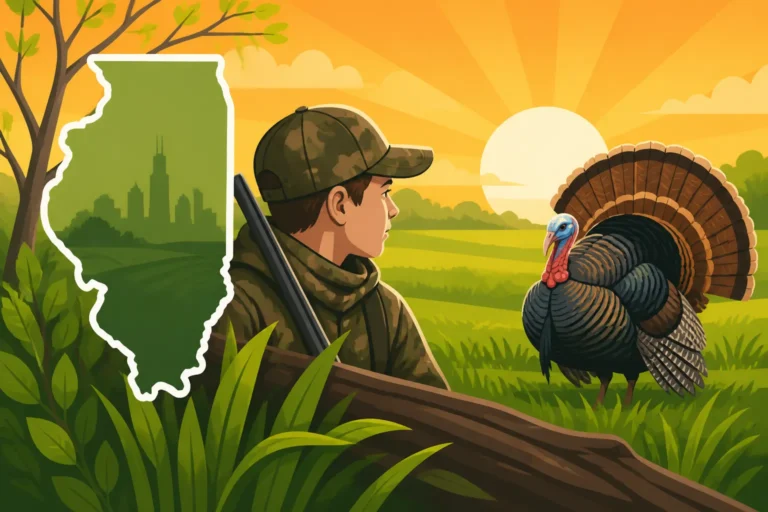
Illinois is committed to fostering the next generation of hunters, and as such, there are special provisions for youth hunters. The Illinois Youth Spring Turkey Weekend is a dedicated hunting period designed specifically for young hunters, typically held before the regular statewide spring turkey season begins. During this special weekend, eligible youth hunters can apply for and receive a separate youth-specific permit. This permit does not count against the general three-permit limit for the regular spring season, meaning a youth hunter could potentially hunt the youth weekend and then still apply for or purchase up to three additional permits for the regular season, provided they follow all other rules and regulations.
To qualify for a youth permit, hunters typically need to be under a certain age (e.g., 17 years old) and must be accompanied by a licensed, unarmed adult. The rules for Illinois Mentored Youth Hunting Rules specify how close the mentor must stay to the youth hunter, ensuring safety and guidance. It’s a fantastic way to introduce young people to the thrill of turkey hunting without the pressure of competing for permits in the main lottery. Additionally, hunters with disabilities may have access to specific permits or accommodations, so it's always wise to check the most current IDNR regulations for any such provisions.
Navigating Illinois's Zone and Period Structure
Illinois doesn't just have one big, contiguous turkey season. It's broken down into specific zones and multiple hunting periods. Understanding this structure is absolutely critical, not just for knowing when you can hunt, but also for strategizing how you acquire your permits. Each permit you obtain will be tied to a specific zone and period, dictating exactly where and when you can pursue a gobbler.
How Zones and Periods Impact Permit Availability
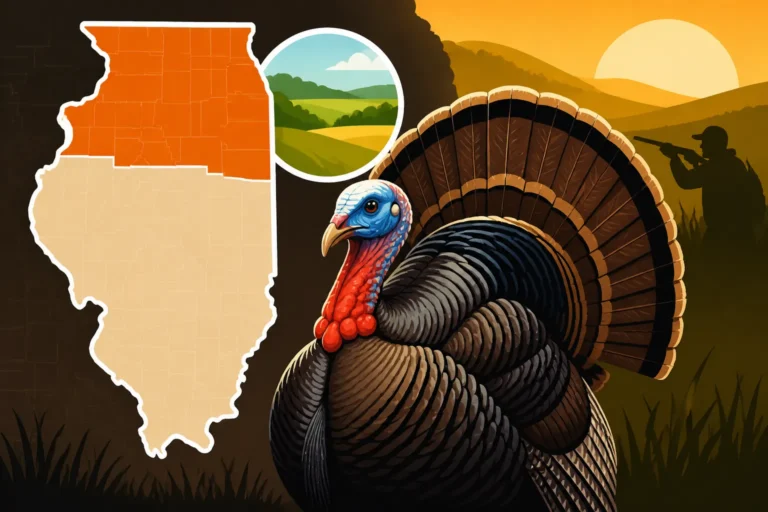
Illinois is divided into two main spring turkey hunting zones: the North Zone and the South Zone. Each of these zones has its own opening and closing dates, and within each zone, the season is further segmented into five distinct hunting periods. For example, the Illinois South Zone Turkey Opening Period typically begins earlier than the North Zone. The idea behind these multiple periods is to distribute hunting pressure throughout the spring, giving more hunters a chance and allowing turkeys some respite between periods.
The availability of permits is heavily influenced by these zones and periods. When you apply for your initial lottery permit, you must select one specific zone and one specific period. The most popular periods (often the earliest ones, like Period 1 or 2) in prime turkey hunting counties tend to be the hardest to draw. Conversely, later periods (like Period 4 or 5) and less-pressured counties often have permits remaining, which then become available in subsequent over-the-counter sales.
This means that if your heart is set on a particular early period in a specific high-demand county, you're taking a chance in the lottery. If you're more flexible, you might apply for an early period as your primary choice, and then plan to purchase an additional permit for a later period or a different county if your initial draw is unsuccessful or if you want to extend your season. The IDNR website, including the GoHunt system, is the best place to check which periods and zones still have permits available once the lottery results are out.
Strategic Permit Acquisition for Multiple Hunts
Given the three-permit limit and the zone/period structure, many seasoned Illinois turkey hunters develop strategies to maximize their time afield. It's not uncommon for hunters to hold permits for different periods, or even different zones if they plan to travel across the state.
Here's a common strategy:
- Initial Lottery for Prime Time: Apply for your first permit in the lottery for your most desired, high-potential period and zone, perhaps the Illinois North Zone Turkey Opening Period in a county known for good turkey numbers. This is your "dream hunt" opportunity.
- Second Permit for Flexibility: If you successfully draw your first permit, you might then look to acquire a second permit during the over-the-counter sales. This second permit could be for a later period in the same zone, or perhaps a different period in the other zone if you're willing to travel. For instance, you could hunt Period 1 in the North Zone, and then pick up an OTC permit for Period 4 in the South Zone, giving you hunting opportunities weeks apart. This flexibility allows you to adapt to weather patterns, scout new areas, or simply extend your season.
- Third Permit for Insurance or Exploration: That third permit can be an excellent "insurance" policy if you haven't filled your tags, or it can be used to explore a new piece of public land. Maybe you want to try Run-and-Gun Turkey Tactics on Public Land in a different part of the state, or focus on Roost Hunting Illinois Gobblers during a late-season lull. Having that third tag allows for more chances and diverse experiences.
Remember, each permit is valid only for the specific zone and period printed on it. You cannot swap permits or use a Period 3 permit during Period 1. Planning your acquisitions to align with the Illinois Spring Turkey Season Closing Date and your availability is key to a successful spring.
Practical Tips for Securing Your Spring Turkey Permits
Getting your hands on those coveted spring turkey permits requires more than just knowing the limits; it demands timely action and a little savvy navigation of the IDNR's systems. Missing a deadline or misunderstanding the application process can mean missing out on your preferred hunting opportunities.
Key Application Dates and Deadlines
The Illinois spring turkey permit process operates on a strict timeline, and missing key dates can put you at a serious disadvantage.
- Initial Lottery Application Period: This is usually the first window to apply for your initial permit. For residents, it typically opens in early to mid-January and runs for several weeks. Mark these dates on your calendar! This is where you put in for your first choice of county/site and period.
- Second Lottery/Random Daily Drawing: If you didn't draw in the first lottery, or if you're looking for a second permit, there's often a second application period. This usually follows shortly after the first lottery results are announced, sometimes starting in late February or early March.
- Over-the-Counter (OTC) Sales: This is the phase where any remaining permits become available for direct purchase, without a drawing. These sales usually begin in mid to late March and continue until the permits are gone or the season closes. This is often the primary route for non-residents and for residents seeking their second or third permit.
Popular zones and early periods can sell out incredibly fast, especially during OTC sales. If you have your sights set on a specific area, being ready to purchase right when OTC sales open is crucial. The IDNR website and the GoHunt portal will publish these dates well in advance, so make it a habit to check them as the new year approaches.
Using the Illinois DNR System Effectively
The primary way to apply for and purchase Illinois hunting licenses and permits is through the Buying a License on Illinois's Online Portal, which is the official GoHunt system managed by the IDNR. This online portal is your one-stop shop for everything from purchasing your Illinois Resident License Options or Illinois Nonresident License Options, to applying for lotteries, and buying over-the-counter permits.
Here are some tips for using the system:
- Create an Account Early: If you don't already have one, create an account on the GoHunt system well before the application periods open. This saves you time and potential frustration when the system is busy.
- Double-Check Your Information: Before submitting any application or purchase, carefully review all your personal information, especially your address (for residency verification) and the specific zone/period you're applying for. A mistake here could invalidate your permit.
- Monitor Permit Availability: During the OTC sales periods, the GoHunt system usually provides real-time updates on which zones and periods still have permits available. Keep an eye on this if you're looking for specific tags.
- Print and Carry Proof: While carrying proof of license on your phone is often accepted, it's always a good idea to print out a physical copy of your permits, especially if you plan to hunt in areas with spotty cell service.
Don't Forget Your Base License and Stamps
Before you even think about applying for a spring turkey permit, you must have the foundational licenses and stamps. This is a common oversight that can lead to disappointment or legal issues.
- Illinois Hunting License: This is the absolute prerequisite. You cannot hunt any game animal in Illinois without a valid annual hunting license.
- Illinois State Habitat Stamp: This stamp is required for all hunting activities in Illinois, unless you are exempt (e.g., specific age groups or disability). It funds critical habitat restoration and conservation efforts across the state. The Illinois State Habitat Stamp is a vital part of supporting the wildlife you love to hunt.
Make sure these are purchased and valid for the current hunting year before you attempt to apply for any turkey permits. The GoHunt system will typically prompt you to purchase them if you don't already have them, but it's best to take care of them in advance to avoid any last-minute hiccups.
Common Misconceptions and Legalities
Even with all the information at your fingertips, some aspects of turkey permit rules can still cause confusion. It's important to clear up these common misconceptions and understand the legal implications to ensure a smooth and enjoyable hunting season.
Understanding Unfilled Permit Re-Purchase Rules
A frequent question among hunters is, "If I don't harvest a turkey with my first permit, can I buy another one for the same period?" The straightforward answer for Illinois spring turkey is generally no. Each permit you obtain is valid for a specific period and zone, and it allows you to harvest one gobbler (or bearded hen). Once that permit is used (meaning you harvest a bird and tag it, or the period expires without a harvest), it's "spent" for that specific period. You cannot re-purchase another permit for the exact same period and zone once you've held one, regardless of whether you filled it.
However, this doesn't mean you're out of luck. The ability to acquire up to three permits means you can have multiple opportunities across different periods or zones. So, if you don't fill your Period 1 permit, you still have your Period 3 or Period 5 permit (if you purchased them) to hunt with. The rule is about the number of distinct permits you can hold for unique periods/zones, not about replacing an unfilled tag for the same window. This is why a strategic approach to acquiring multiple permits for different periods is so important if you want extended hunting opportunities.
Penalties for Exceeding Permit Limits
Attempting to circumvent the permit system, such as purchasing more than the legal limit of three permits or trying to use a permit for a period or zone it wasn't issued for, carries serious legal consequences. Conservation Police Officers (CPOs) in Illinois are diligent in enforcing these regulations. Penalties can range from significant fines to loss of hunting privileges for a period of time, and even confiscation of hunting equipment.
The IDNR's GoHunt system tracks all permit purchases by individual hunters, making it very difficult to illegally obtain extra permits. Furthermore, when you harvest a turkey, you must immediately attach the permit to the bird. This ensures that each permit corresponds to one harvested animal and that hunters adhere to their legal limits. Ignorance of the law is generally not considered a valid defense, so it's absolutely crucial to familiarize yourself with all the regulations. When in doubt about any specific rule, always consult the most current Illinois hunting digest or contact the IDNR directly. Adhering to the rules protects you and contributes to the sustainable management of Illinois's wild turkey population.
| Category | Residents | Non-Residents | Notes |
|---|---|---|---|
| Maximum Permits | Up to 3 per hunter (excluding youth) | Up to 3 per hunter (excluding youth) | Total permits for the entire spring season. |
| Initial Permit | Lottery application for specific zone/period | Generally via subsequent sales/lottery, less access to prime tags | Residents have priority in initial lottery. |
| Additional Permits | Over-the-counter (OTC) or second lottery, if available | Over-the-counter (OTC) after resident opportunities | Subject to availability in specific zones/periods. |
| Youth Permits | Separate youth permit, does not count toward 3-permit cap | Separate youth permit, does not count toward 3-permit cap | Specific youth weekend dates, mentor required. |
| Key Dates | Initial Lottery: Jan/Feb; OTC: Mar/Apr | Initial Lottery: Less common; OTC: Mar/Apr | Check IDNR GoHunt portal annually for exact dates. |
| Prerequisites | IL Hunting License, Habitat Stamp | IL Nonresident Hunting License, Habitat Stamp | Must be purchased before applying for turkey permits. |
Chasing wild turkeys in Illinois is a truly rewarding experience, but the key to enjoying it without stress is understanding the rules. The permit system, while it might seem a bit intricate at first, is designed to manage the resource effectively and provide ample opportunities for both residents and non-residents. By understanding the limits, the lottery process, and how zones and periods work, you can strategically plan your season and ensure you're always hunting legally. Good luck out there, and may your calls be answered by a booming gobble!
Disclaimer
The information provided in this guide is for general informational purposes only and is subject to change. Hunting regulations and permit rules are established by the Illinois Department of Natural Resources (IDNR) and can be updated annually. It is the hunter's sole responsibility to consult the most current official IDNR hunting digest and regulations prior to participating in any hunting activity. Failure to do so may result in fines or penalties.