Illinois South Zone Turkey Opening Period
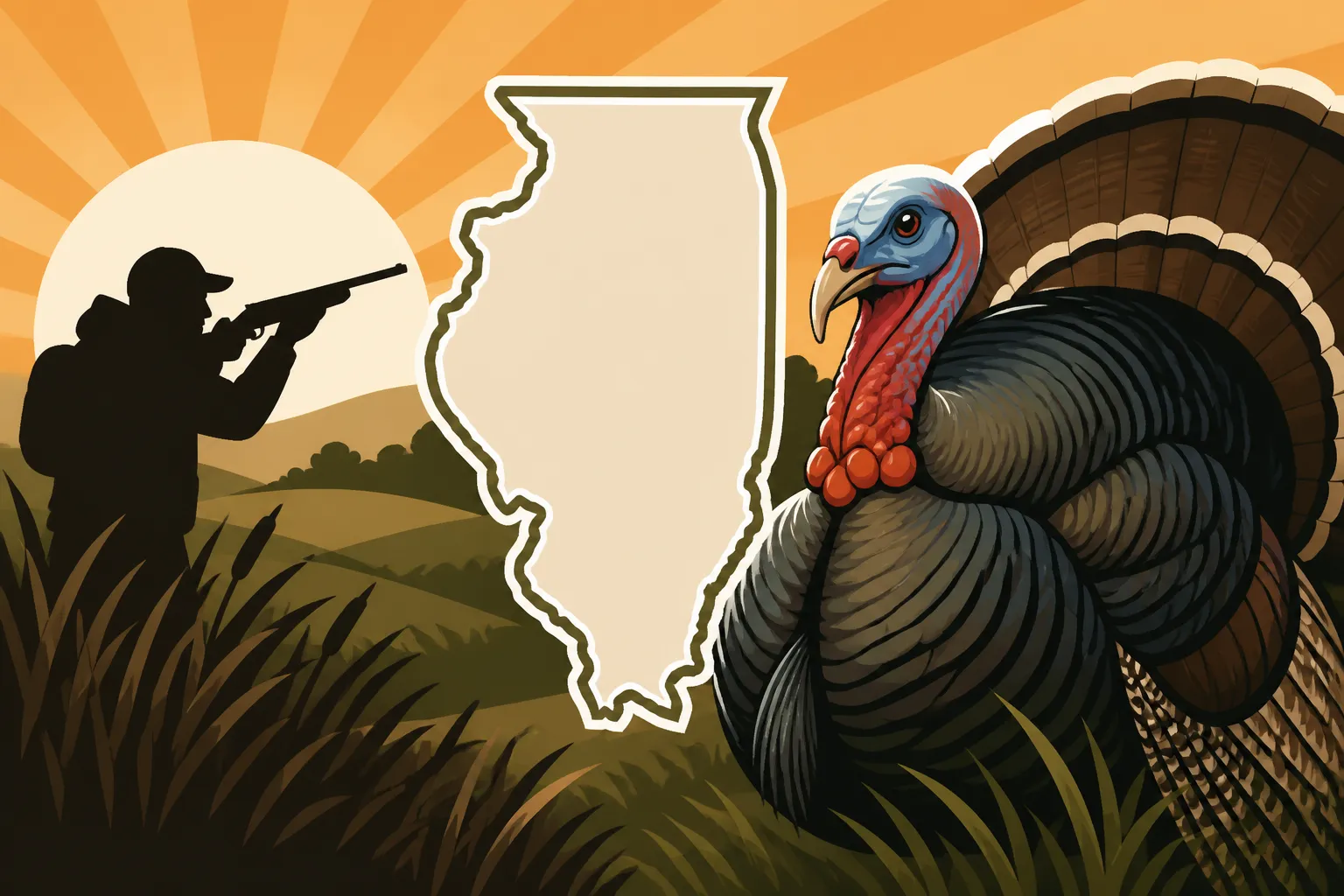
Trying to nail down the exact dates for Illinois's South Zone spring turkey season opener can feel like a puzzle, especially with different periods and zone splits that change slightly year to year. This guide is here to untangle the confusion, helping you understand the specific opening period for the South Zone so you can plan your hunt with confidence and clarity, making the most of your time in the spring woods.
Understanding Illinois's Spring Turkey Zones
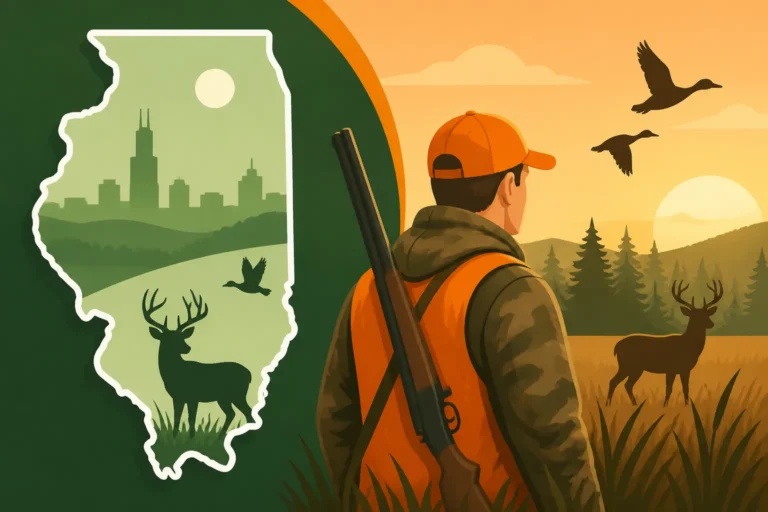
Illinois is a long state, stretching from the northern deciduous forests down into the cypress swamps of the deep south. This significant latitudinal difference means that spring arrives at different times, and with it, turkey breeding cycles vary. To accommodate these natural rhythms and manage harvest pressure effectively, the Illinois Department of Natural Resources (IDNR) divides the state into two primary spring turkey hunting zones: the North Zone and the South Zone.
Defining the North and South Zones
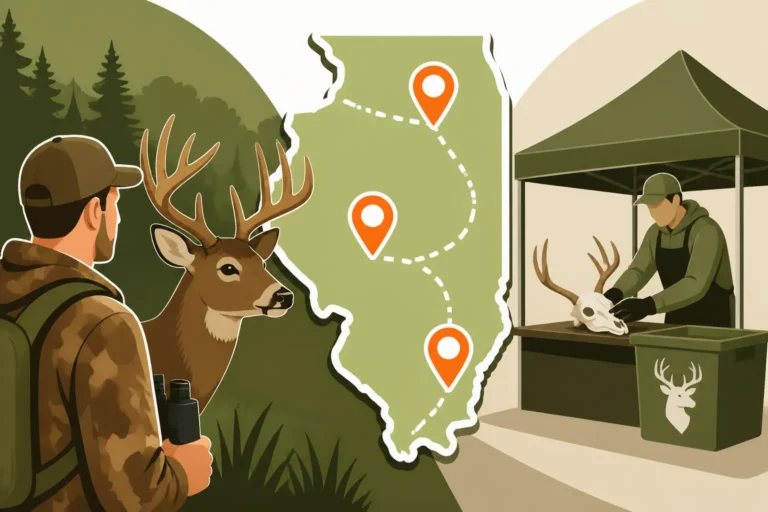
The dividing line between Illinois's North and South Zones is essentially a horizontal cut across the state. This boundary isn't always intuitive, so it’s crucial for hunters to double-check their specific hunting county. Generally, the South Zone encompasses the lower third to half of Illinois, characterized by earlier spring thaws, tree budding, and turkey breeding activity compared to its northern counterpart. Counties like Union, Jackson, Williamson, Saline, and Gallatin are firmly in the South Zone, while counties further north such as Peoria, Springfield, and Chicago are in the North Zone. It’s always best practice to consult the current IDNR hunting regulations or use a detailed mapping application like GoHunt which can often show zone boundaries. Understanding these distinctions is the first step to successful planning, especially when considering Illinois Spring Turkey Zones and Periods.
The Rationale Behind Staggered Seasons
The decision to create staggered seasons across these zones isn't arbitrary; it's rooted in biological necessity and sound wildlife management. Turkeys in the South Zone typically begin their gobbling and breeding activities earlier in the spring due to warmer temperatures and earlier vegetative growth. By opening the South Zone season sooner, the IDNR aims to align hunting opportunities with the peak of breeding activity, which often means more vocal gobblers and better hunting. This also helps to distribute hunter pressure, preventing too many people from concentrating in one area at the very beginning of the state's spring season. Without this staggered approach, hunters might miss the prime gobbling phase in one zone or overcrowd another, leading to less successful hunts and potential safety concerns.
Pinpointing the South Zone Opening Period
For many turkey hunters, securing an early season permit in the South Zone is the holy grail. It means getting first crack at birds that might not have been pressured yet, often leading to more intense gobbling and responsive birds. But getting those dates right and understanding the permit system is absolutely critical.
Annual Calendar and Permit Periods
The Illinois South Zone spring turkey season is typically divided into multiple distinct hunting periods, usually five, spanning from early April into early May. The very first of these periods is what hunters refer to as the "opening period" for the South Zone. While the exact dates can shift slightly year to year due to calendar alignment, the South Zone's Period 1 generally kicks off around the first Monday or Tuesday of April. For example, in a recent season, Period 1 might run from April 8-12, followed by Period 2 from April 13-18, and so on. It is absolutely essential to check the official IDNR website each year for the precise dates, as they are subject to minor adjustments. Missing these specific windows can mean missing your chance to hunt, so mark your calendar as soon as the dates are released. Hunters often rely on detailed digital calendars or dedicated hunting apps, like those often found on platforms such as GoHunt, to keep track of these dynamic dates across multiple species and zones.
Applying for Early Season Permits
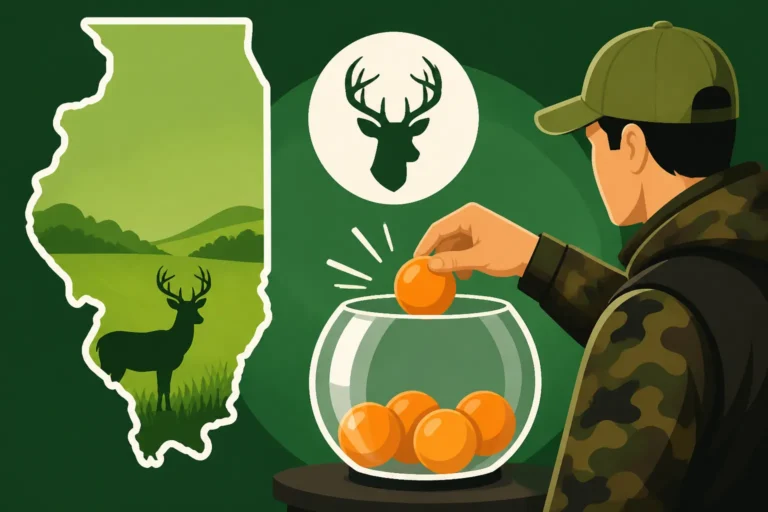
Securing a permit for the coveted South Zone opening period requires navigating the IDNR's lottery system. Unlike the over-the-counter options available for Illinois Fall Turkey Season Rules, spring turkey permits are allocated via a lottery draw. Applications typically open in early to mid-January, with multiple drawing periods extending through February and into March. The earlier periods (like Period 1) are always the most sought after, especially in popular counties.
Here's a general breakdown of the application process and what to expect:
| Lottery Phase | Application Window | Drawing Dates | Permit Availability Focus |
|---|---|---|---|
| First Lottery | Mid-Jan to Mid-Feb | Late Feb | All periods, preference for early |
| Second Lottery | Late Feb to Early Mar | Mid-March | Remaining permits, some early slots |
| Third Lottery | Mid-March | Late March | Most remaining, often later periods |
| Over-the-Counter | Late March onwards | N/A (Immediate) | Primarily later periods/less popular counties |
To apply, you'll need an Illinois Resident License Options (or nonresident equivalent) and a Habitat Stamp. Hunters can apply for multiple permits but are typically limited to one permit per period across all five periods. For the South Zone opening period (Period 1), competition can be fierce, so applying in the First Lottery is your best bet for success. If you don't draw your desired period or county, don't despair; many permits go unsold, especially for later periods or less popular counties, and become available over-the-counter after the lottery rounds are complete. Remember, understanding Illinois Spring Turkey Permit Limits is key to a fair chance in the draw.
Pre-Season Prep for South Zone Success
Once you've secured that coveted South Zone opening period tag, the real work begins. Early season hunting in Illinois can be incredibly rewarding, but it demands thorough preparation. The woods are just coming alive, and understanding how to read the landscape for turkey activity is paramount.
Scouting Early Season Roosts and Strut Zones
Effective scouting is the bedrock of any successful turkey hunt, especially during the opening period. In the early spring, turkeys are often still in their winter patterns but transitioning rapidly into breeding behaviors. Your focus should be on locating key areas where gobblers will be spending their time.
-
Roosting Areas: Turkeys will fly down from their roosts at first light, so knowing where they spend the night is a huge advantage. Look for tall, mature timber, especially along creek bottoms, ridgelines, or near water sources. Pines or large hardwoods with open understories are prime candidates. Spend some evenings before the season listening for gobblers sounding off before they fly up to roost, and again in the mornings as they fly down. Use an app like the Illinois DNR Map Tool or a specialized hunting mapping system from GoHunt to pinpoint these areas and plan quiet access routes. Knowing exactly where to position yourself to hear a bird fly down can make all the difference, especially if you're attempting to Roost Hunting Illinois Gobblers.
-
Strut Zones: Once on the ground, gobblers will seek out open areas to strut and display for hens. These can be logging roads, field edges, open timber flats, or even small clearings. Fresh tracks, drag marks from their primary feathers, and droppings are clear indicators of a strut zone. These areas are crucial because they represent where a gobbler wants to be, and setting up nearby allows you to intercept him as he goes about his morning routine. Early season, these areas might be slightly different than later in the season as new green growth is just starting.
-
Food Sources: While breeding is the primary driver, turkeys still need to eat. Early spring food sources include waste grain in agricultural fields, tender green shoots, and any remaining mast crops from the previous fall. Identifying these can help you predict travel patterns between roosting and strutting areas. Combining all this information allows you to build a comprehensive picture of a gobbler's daily movements, increasing your odds dramatically.
Gear Considerations for Spring Conditions
Early spring weather in southern Illinois can be notoriously unpredictable. One day you might be comfortable in a light vest, the next you're shivering in a full rain suit. Being prepared for anything is crucial.
- Layered Clothing: Dress in layers that can be easily added or removed. Start with a moisture-wicking base layer, add a fleece or wool mid-layer for warmth, and an outer shell that is both waterproof and windproof. Camouflage is essential, but prioritize functionality. Remember, you'll likely be sitting still for extended periods, so warmth retention is key.
- Footwear: Waterproof boots are non-negotiable. Spring often means muddy trails, dew-soaked fields, and potentially crossing small streams. A comfortable, supportive, and waterproof boot will keep your feet dry and allow you to cover ground silently.
- Calls: A variety of calls is your best friend. Start with locator calls (owl hoots, crow calls) to get a gobbler to sound off without giving away your position. Then, have a selection of friction calls (slate, pot calls, box calls) and mouth calls (diaphragms) to replicate various hen vocalizations. Practice before the season to master different purrs, yelps, clucks, and cutting. Being proficient with a diaphragm call is particularly useful for hands-free calling when a gobbler is in close. Learning to vary your Rattling Volume in Thick Cover can be a game-changer.
- Decoys: Early season can be a great time for decoys, as gobblers are often eager to seek out hens. A single hen decoy, or a hen and jake setup, can be very effective. Position them where they are visible but not so close they might spook an approaching bird. Consider realistic decoys from brands like Avian-X or Dave Smith Decoys for their lifelike appearance.
- Other Essentials: A comfortable turkey vest with plenty of pockets for calls, snacks, water, and emergency gear is vital. A good pair of binoculars to scan distant fields or clearings, insect repellent, and a headlamp for walking in and out of the woods in the dark round out the necessities. Don't forget your hunting license, turkey permit, and appropriate blaze orange (if required for walking in/out on public lands during certain periods). Always check Illinois Turkey Hunting Hours to ensure you're hunting legally.
Hunting Strategies for Opening Day Gobblers
Opening day in the South Zone, especially Period 1, is often characterized by high expectations and potentially high turkey activity. However, it can also bring increased hunter pressure. Adapting your strategy to the conditions and the specific birds you're targeting is crucial.
Aggressive vs. Patient Calling Approaches
The age-old debate in turkey hunting: do you go in hot and heavy with aggressive calling, or play it coy and patient? On opening day of the South Zone, the answer often depends on the specific bird and the amount of competition.
- Aggressive Calling: If you're on a private piece of land with minimal pressure, or if you've located a particularly vocal gobbler, an aggressive calling sequence can sometimes be the ticket. Start with loud, excited yelps and cuts, mimicking a hot hen looking for a mate. This can sometimes pull a gobbler in quickly, especially if he's feeling dominant and unchallenged. However, be cautious; too much aggressive calling can also make a bird wary, or worse, attract other hunters to your location. This approach is often more effective if you're confident the bird is alone or only with a few hens, and you have a clear understanding of Calling an Illinois Gobbler Off the Roost.
- Patient Calling: More often than not, especially on public land or for birds that have been pressured even a little, a more patient approach yields better results. Start with soft tree yelps and clucks from the roost, and once the bird is on the ground, space out your calls. Listen intently to the gobbler's responses. If he's gobbling consistently but not closing the distance, try subtle clucks, purrs, and soft yelps. Sometimes, going silent for a period after a few calls can make a gobbler think the "hen" is leaving, prompting him to come investigate. This is a classic tactic for Hunting an Early South Zone Turkey Period, as birds might be a bit more call-shy than completely naive birds. Patience often wins the day, particularly when you're trying to coax a bird into a Setting Up Against a Big Oak.
Ultimately, be prepared to switch between these strategies based on the gobbler's demeanor. If he's hot and coming, let him come. If he's hanging up, try to change your tone or go quiet.
Dealing with Early Season Pressure
Opening day in a popular hunting zone means you're unlikely to be the only hunter in the woods. Dealing with pressure, whether from other hunters or just the general disturbance that comes with the season, is a reality you must prepare for.
- Go Deeper: Many hunters stick to easy-access areas. If you're physically able, venturing further into public land, away from roads and parking areas, can often lead you to less-pressured birds. Use topo maps and satellite imagery to identify remote pockets of timber or difficult terrain that other hunters might avoid. This is where advanced scouting using tools like GoHunt's mapping layers truly pays off.
- Use Natural Barriers: Creeks, steep ravines, thick briar patches, or dense cedar thickets can act as natural barriers, funneling turkeys and deterring hunters. If you can position yourself strategically near these features, you might intercept birds moving around pressure or find less disturbed areas.
- Listen More Than You Call: When pressure is high, loud, persistent calling can attract other hunters as much as it attracts turkeys. Listen for natural turkey sounds, listen for other hunters, and call sparingly and strategically. Let the birds come to you, rather than trying to force a conversation that might reveal your location.
- Adjust Your Timing: While most hunters are out at first light, sometimes mid-morning or even late afternoon can be productive, especially if birds have been bumped from their initial roosting areas. Turkeys will often re-group later in the day, and a patient hunt through midday can sometimes surprise you with a receptive gobbler. Understanding Run-and-Gun Turkey Tactics on Public Land can be extremely beneficial when dealing with pressured birds, as it allows you to quickly relocate and find less disturbed areas.
The South Zone opening period offers some of the most exciting turkey hunting opportunities in Illinois, but success hinges on diligent preparation, understanding turkey behavior, and adapting to real-world hunting conditions.
Disclaimer
Hunting is an inherently dangerous activity. This guide provides general information and should not be considered a substitute for personal research, adherence to all official Illinois Department of Natural Resources regulations, and safe hunting practices. Always prioritize safety, respect wildlife, and obtain proper licenses and permits before engaging in any hunting activity. Seasons, dates, and regulations can change annually, so always consult the most current official IDNR publications.