Illinois Site Permit Draw Process
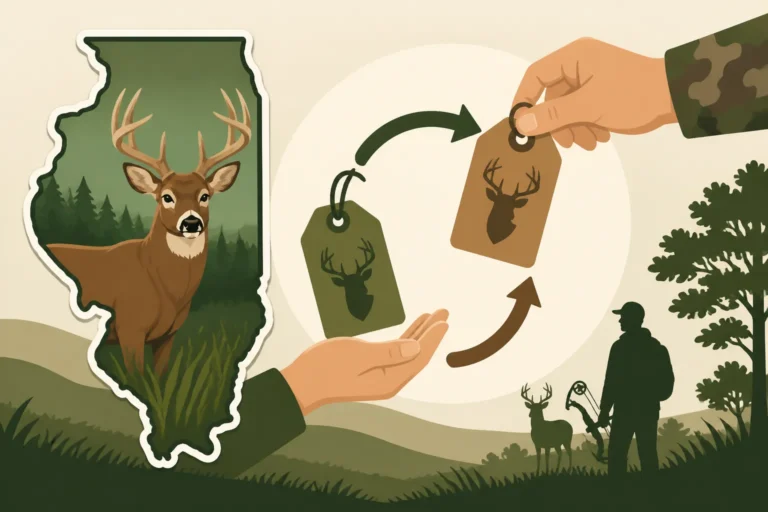
It’s a tale as old as time for Illinois hunters: you’ve got your eye on a prime piece of public land – maybe a State Fish and Wildlife Area or a particular State Park – known for its great deer or turkey numbers, or perhaps a stellar waterfowl opportunity. The problem? So does everyone else, and access isn't first-come, first-served. This guide is all about navigating the Illinois Site Permit Draw Process, helping you understand how to apply for those coveted limited-access permits and boosting your chances of hunting those special spots.
Understanding Site-Specific Permits in Illinois
Hunting in Illinois offers a lot of fantastic opportunities, from vast public lands like the Shawnee National Forest to countless private tracts. But for some of the most sought-after public hunting grounds, the Illinois Department of Natural Resources (IDNR) implements a site-specific permit draw system. This isn't just about getting a general hunting license; it's about securing access to a particular piece of dirt during a specific season, often for deer, turkey, or waterfowl. It can feel like a bit of a maze, especially if you're used to just buying an over-the-counter tag, but once you understand the system, it's pretty straightforward.
Why Some Public Lands Need Special Permits
The reality is that not all public lands can handle unlimited hunting pressure without negatively impacting the wildlife or the quality of the hunting experience. Imagine a prime State Fish and Wildlife Area known for its trophy deer. If everyone could just show up, it would quickly become overcrowded, the deer would be driven nocturnal, and the overall experience would suffer. Site-specific permits are the IDNR's way of managing hunter numbers, distributing pressure, and ensuring that game populations remain healthy and sustainable for future seasons. It also helps in monitoring harvest data more precisely for those specific locations. These are often smaller, high-quality areas where careful management is crucial.
What Types of Hunting Are Covered by Site Permits
While many hunters think of deer when they hear "draw," site-specific permits can actually cover a variety of species and seasons. For deer, you might find specific archery, firearm, or muzzleloader permits for particular sites. Turkey hunters might apply for certain state parks or fish and wildlife areas during specific spring turkey periods. And for waterfowl, some of the most premier spots, especially along the Illinois River and Mississippi River corridors, utilize a draw or quota system to manage access to blinds and zones. It’s not uncommon to see specific draws for dove hunting fields as well, particularly on opening day. You'll need to check the IDNR website for specific site regulations, as these can vary greatly from one location to another.
Navigating the Illinois Site Permit Draw Application
The idea of a draw can be intimidating, but the application process itself is fairly routine once you know where to look. The key is to be organized and pay close attention to deadlines. Unlike buying a general Illinois Hunting Licenses and What They Cost, a site permit involves a more structured application.
The Application Window and Deadlines
This is arguably the most critical part of the entire process: missing a deadline means missing out on the hunt. The IDNR sets specific application windows for each type of draw (e.g., spring turkey, deer firearm, waterfowl blind draws). These windows are often several weeks long, but they are firm. You typically apply online through the IDNR's website. It's not like simply walking into a sporting goods store and grabbing a tag; you need to be proactive.
For example, applications for some spring turkey permits might open in early January and close in early February, while firearm deer applications for specific sites might follow a different schedule. It's highly recommended to mark these dates on your calendar as soon as they are announced. Some hunters even use hunting apps or online tools like GoHunt to keep track of application periods for various states, which can be a real lifesaver if you're juggling multiple hunting interests. Don't be that hunter who remembers the deadline a day too late – it happens more often than you'd think!
The Lottery System Explained
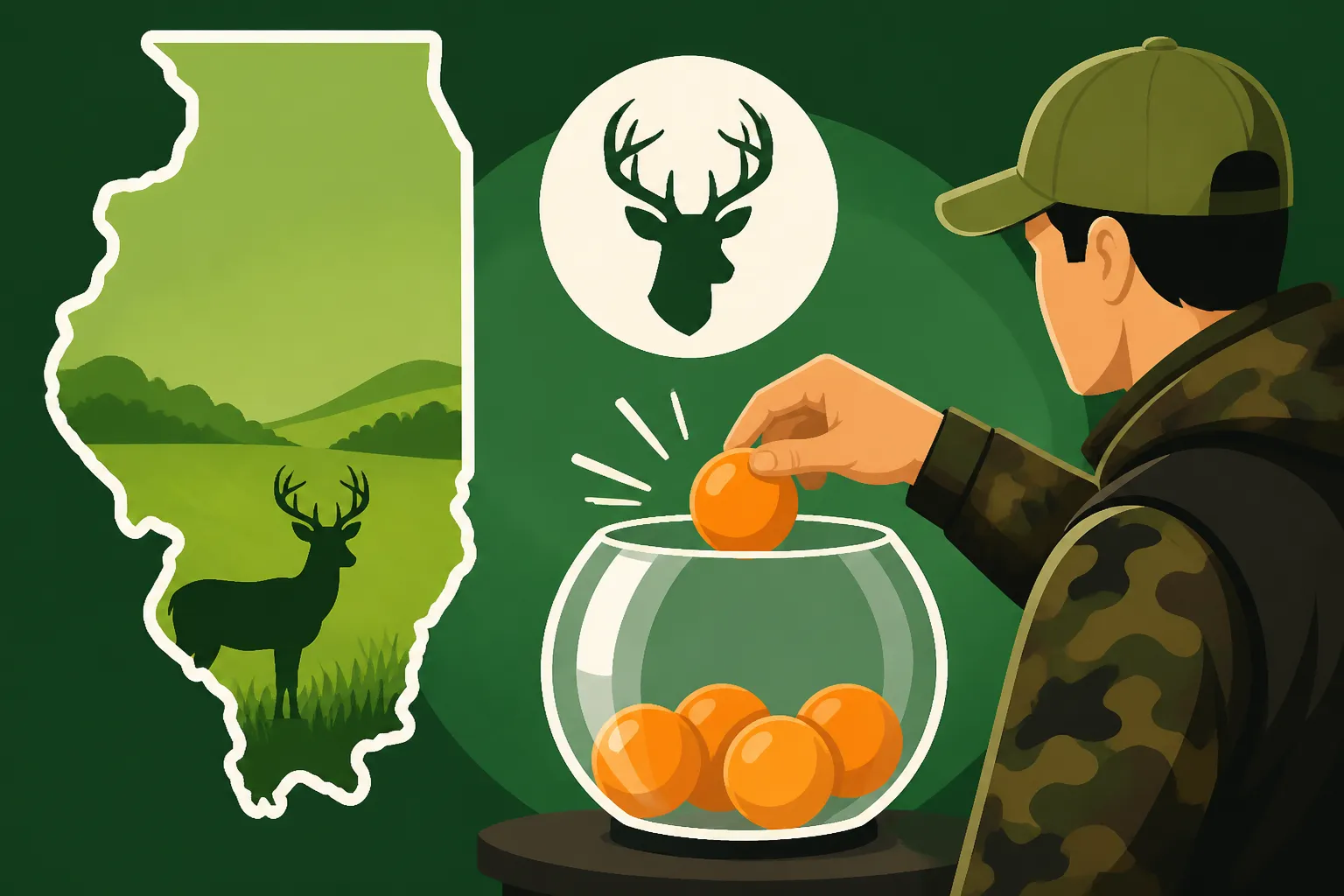
Once the application window closes, the IDNR runs a lottery for all submitted applications. Illinois typically uses a pure random draw system for most of its site-specific permits, meaning everyone who applies for a specific site and season has an equal chance, regardless of how many times they've applied in the past. This is different from some western states that use a preference or bonus point system, where unsuccessful applicants accrue points that increase their odds in subsequent years. In Illinois, it's often a fresh slate each time, making every draw an exciting, albeit nerve-wracking, prospect.
If you apply for a permit and are successful, you'll usually be notified by email or through the online portal. Unsuccessful applicants will also be notified, often with information on what to do next, such as applying for subsequent draw periods or purchasing remaining permits. The number of permits available for each site is determined by wildlife biologists and site managers, based on population data, habitat conditions, and historical hunter success. This ensures sustainable management.
Key Information Needed for Your Application
When you sit down to apply, make sure you have all your ducks in a row. You'll typically need:
- Your Illinois Hunting License Number: This is foundational. You can't apply for a permit without a valid base license.
- Your Personal Information: Name, address, date of birth, etc., as registered with the IDNR.
- Site and Season Choices: Be very specific here. You'll usually select the particular State Fish and Wildlife Area or State Park you want to hunt, and for which specific season (e.g., "Sam Parr FWA, Firearm Deer Season 1"). Double-check these selections to avoid applying for the wrong area or season.
- Payment Information: There's usually an application fee, even if you're unsuccessful in the draw. Have your credit card ready.
The online portal is generally user-friendly, but taking your time and reviewing everything before you hit "submit" is crucial.
Strategies for Improving Your Odds and What Comes Next
While the Illinois draw is largely a game of chance, there are definitely some strategies you can employ to be a smarter applicant and maximize your opportunities, especially if you're dedicated to hunting Public Hunting Land in Illinois.
Researching Sites Before You Apply
Don't just apply for the most popular names you hear. Do your homework! The IDNR website often provides harvest reports for various sites, allowing you to see historical success rates and deer/turkey densities. Look at maps, too. The Using the Illinois DNR Map Tool can be invaluable here. Consider smaller, less-known sites that might have lower applicant numbers. A quick search with a tool like GoHunt might also reveal insights into hunter pressure and potential overlooked gems.
For example, instead of immediately jumping on a well-known location for Waterfowl Hunting the Illinois River Valley, explore a few lesser-known Fish and Wildlife Areas slightly off the beaten path. Sometimes, the sites with moderate success rates but significantly fewer applicants can offer better odds of drawing a permit. Also, think about the specific season. A site might be incredibly popular for Illinois's Two Firearm Deer Seasons but less so for Bowhunting Illinois's Long Archery Season, offering you a better chance.
Understanding Different Draw Periods and Remaining Opportunities
The draw isn't always a one-and-done deal. Often, there are multiple draw periods. If you're unsuccessful in the first round, don't despair! Many sites will have leftover permits that go into a second lottery or are sold over-the-counter (OTC) on a first-come, first-served basis after the draw is complete. Keep an eye on the IDNR announcements for these opportunities.
Sometimes, even sites that usually require a draw might have unsold permits available later in the season, especially for antlerless tags. This means if your goal is simply to fill the freezer, being flexible and checking for these later opportunities can pay off. It also helps to be informed about the overall Illinois Deer Season Structure Explained to understand when these additional opportunities might arise.
Here's a quick look at a typical draw cycle:
| Action | Description | Typical Timing Example (Deer) |
|---|---|---|
| Application Window | Submit your choices for specific sites and seasons. | Early June – Mid-July |
| 1st Lottery Draw | IDNR processes applications; successful applicants receive permits. | Late July / Early August |
| 2nd Lottery Draw | Unsold/remaining permits from 1st draw go back into a second lottery. | Late August / Early September |
| Over-the-Counter | Any permits still remaining after lotteries are sold on a first-come, first-served basis, online or at vendors. | Mid-September through season close |
| Special Hunts | Some sites offer additional permits for youth or late-season antlerless. | Varies (e.g., Illinois Youth Deer Season Rules) |
Note: Specific dates vary by season and year. Always consult the official IDNR website for current information.
Common Pitfalls and Troubleshooting the Process
It's easy to make a small mistake that can cost you a valuable permit. Being aware of common issues can save you a lot of headache and heartache.
Double-Checking Your Application
This might sound obvious, but you'd be surprised how many hunters accidentally select the wrong county, the wrong season, or even the wrong species. After you've filled out your application online, take a moment – walk away for five minutes if you need to – then come back and review every single detail before you hit submit. Confirm the site name, the permit type (e.g., either-sex, antlerless-only), and the season dates. A simple typo in your email address could mean you miss important notification emails about your draw results. Imagine drawing a coveted permit and never even knowing!
What to Do If You Don't Draw
It's going to happen. You're not always going to draw that dream permit for that prime spot. It's frustrating, but it's part of the game. Instead of letting disappointment sideline your season, pivot!
- Look for Leftover Permits: As mentioned, many sites have permits available after the initial draws. Check the IDNR website regularly for these announcements. These are often Illinois Managed Hunt Sign-Up Deadlines or first-come, first-served sales.
- Explore Other Public Lands: Illinois has a surprising amount of Public Hunting Land in Illinois that doesn't require a special draw. Many Illinois State Fish and Wildlife Areas and even Illinois State Park Hunting opportunities are available with just a general permit. Use tools like the GoHunt app or the IDNR mapping features to find these areas. You might be surprised what you discover by putting in some Scouting Illinois Public Land Before Season effort.
- Consider Private Land Access: If public land draws aren't panning out, dedicate some time to trying to secure private land permission. It's often easier said than done, but a polite knock on a landowner's door can open up a world of opportunity, especially if you offer to help with chores or manage problem animals.
- Focus on Different Species or Seasons: If deer permits are elusive, maybe shift your focus to Squirrel and Small Game Hunting in Illinois, or try for Hunting Illinois's Fall Turkey Zones. Sometimes a change of pace is exactly what you need to keep your hunting spirits high.
The Illinois site permit draw process can feel like a hurdle, but with a bit of research, organization, and a flexible attitude, you can definitely increase your chances of hunting some of the state's best public land. Good luck in the draw!
Disclaimer
Please remember that hunting regulations, season dates, and permit requirements are subject to change by the Illinois Department of Natural Resources (IDNR). Always consult the official IDNR website or current hunting digests for the most up-to-date and accurate information before planning any hunt. This guide is for informational purposes only and does not supersede official state regulations.