Hunting an Early South Zone Turkey Period
There's nothing quite like the crack of dawn on an early spring morning in Illinois, especially when you're perched in the timber, waiting for that first heart-stopping gobble to break the silence. However, for many hunters, chasing turkeys during the early South Zone periods can feel like trying to solve a complex puzzle with half the pieces missing. Those initial days of the season present unique challenges, from birds still establishing their pecking order to unpredictable weather and the sheer pressure of eager hunters. This comprehensive guide is here to walk you through the nuances of hunting the early South Zone turkey period, offering seasoned advice to turn those frustrations into triumphant mornings afield.
Understanding the Illinois South Zone and Early Periods
The Illinois spring turkey season is split into distinct zones and periods, and the South Zone's early opening is a gift for many, but it also means adapting your strategy right from the get-go. It’s crucial to grasp these distinctions to hunt effectively and legally.
What Defines the South Zone Boundary
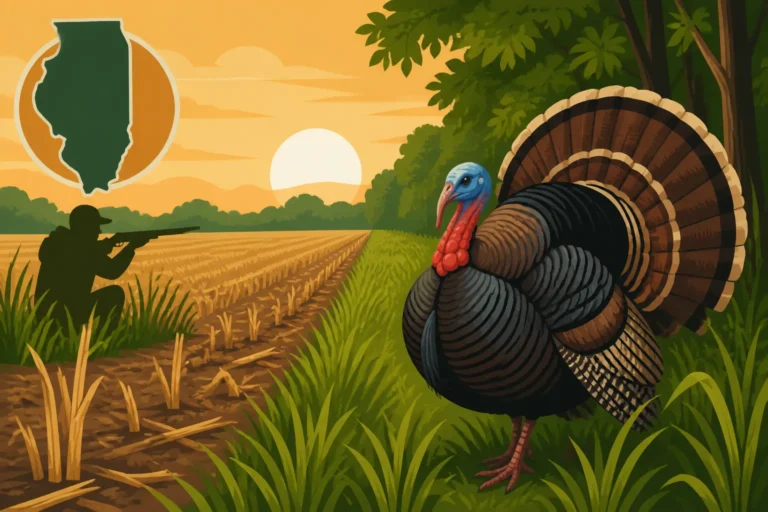
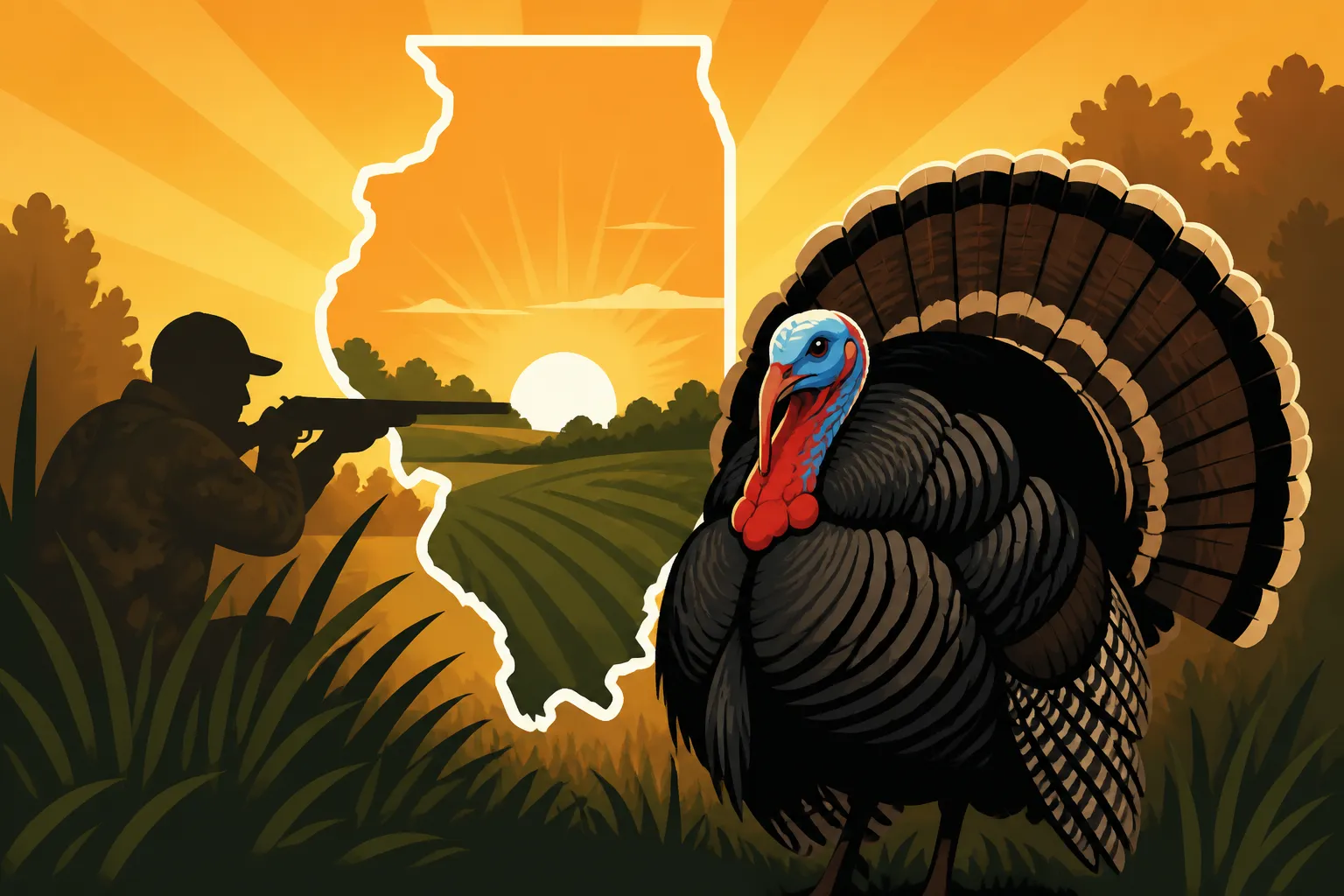
The Illinois Department of Natural Resources (IDNR) divides the state into a North Zone and a South Zone for spring turkey hunting, primarily to account for the biological differences in when turkeys breed and nest in different parts of the state. The South Zone generally encompasses the lower half of Illinois, with the dividing line typically running across the state, roughly following major highways or county lines. For instance, counties like Calhoun, Sangamon, and Macon might sit on the dividing line, while areas further south like Union, Pope, and Hardin counties are firmly in the South Zone. This geographic split isn't just an arbitrary line on a map; it reflects the earlier onset of spring conditions, which in turn means turkeys in the southern part of the state often begin their breeding cycles, strutting, and gobbling a bit sooner. Understanding this boundary is your first step in knowing if you're even eligible for those coveted early season tags.
The Rationale Behind Early Season Dates
So, why does the South Zone get a head start? It boils down to biology and climate. Spring arrives earlier in Southern Illinois, bringing warmer temperatures, greener vegetation, and an earlier emergence of insects and other food sources. Consequently, wild turkeys in these areas initiate their breeding behaviors—gobbling, strutting, and nesting—sooner than their counterparts up north. The IDNR structures the seasons to align with these natural cycles, aiming to provide hunting opportunities when turkeys are most active and responsive, but also to minimize disturbance during peak nesting. For hunters, this early opening is a double-edged sword. On one hand, you get to kick off your turkey season before many others, filled with anticipation. On the other hand, the birds might still be in larger winter flocks, or their gobbling might not be as consistent as it will be a few weeks later when the breeding frenzy really kicks into high gear. This early period captures that initial spark of spring, sometimes before peak gobbling, which demands a slightly different approach.
Permitting and Tagging Specifics for the South Zone
Securing an early South Zone turkey permit can sometimes feel like winning the lottery, and for good reason—it often is! Illinois allocates spring turkey permits through a lottery system for residents, and non-residents have a separate, more limited allocation. For the South Zone, especially the earliest periods, demand can be high due to the excitement of an early start. Typically, hunters can apply for multiple permits, but there are restrictions on how many you can obtain and for which periods. Understanding these rules is critical. You might secure an "over-the-counter" permit later in the season if quotas aren't met, but for those prime early South Zone dates, applying during the lottery period is your best bet. Remember, each permit allows you to harvest one tom turkey or bearded hen. Carefully review the application dates and zone options. For more detailed information on securing your permits, you can check out resources like the official guide on Illinois Spring Turkey Permit Limits. And for precise opening dates for your area, always consult the Illinois South Zone Turkey Opening Period information released by the IDNR. Don't leave it to chance; missing the application window is a gut-punch no hunter wants to experience.
Pre-Season Scouting and Habitat Hotspots
Before you even think about setting foot in the woods with your shotgun, the real work of turkey hunting begins with thorough pre-season scouting. Knowing where the turkeys are, what they’re doing, and where they’re likely to go is half the battle, especially in the early season when patterns might still be a bit fluid.
Key Habitat Features to Prioritize
Turkeys, like any wildlife, are creatures of habit and rely on specific habitat types for their survival and daily routines. When you're scouting for early season birds, you need to think like a turkey. Focus on roosting areas first and foremost. These are often stands of tall, mature timber, frequently near water sources like creeks, rivers, or ponds, or along prominent ridge lines. Look for large, sturdy limbs where birds can feel secure through the night. Pines, oaks, and sycamores are common choices. Next, identify feeding areas. In early spring, this might include recently thawed fields, greening clearings, oak flats with leftover acorns from the previous fall, or areas rich in insects. Finally, identify travel corridors – the paths birds use between roosting and feeding areas. These could be subtle deer trails, logging roads, or natural funnels created by terrain features like creek bottoms or saddlebacks. The goal is to piece together their daily circuit. Finding these key habitat features not only tells you where the birds are but also how they're moving throughout the day. For a deeper dive into identifying prime roosting spots, our guide on Where Illinois Gobblers Roost offers excellent insights.
The Importance of Roost Location and Morning Access
Locating a turkey's roost is arguably the most critical piece of pre-season scouting intelligence you can gather. Why? Because it tells you exactly where a bird will be at first light. In the early season, birds might be a bit more scattered or less vocal off the roost, making this knowledge even more valuable. Listen for evening fly-up cackles and morning gobbling to pinpoint specific trees or tree lines. Once you've found a roost, your next challenge is planning your approach. You need a quiet, stealthy entry route that allows you to get within calling distance before the birds fly down, without bumping them. This often means waking up well before dawn, navigating in the dark, and being acutely aware of every twig underfoot. Position yourself strategically, perhaps along a ridge line or a timbered edge overlooking a field, making sure you have good concealment. The frustration of spooking a bird off the roost is immense, so practice those silent approaches. The goal isn't to be directly under their tree, but close enough to greet them with a soft call once they're awake and looking for company.
Reading Sign and Anticipating Movement Patterns
Turkeys leave a wealth of clues about their presence and activities if you know what to look for. Fresh tracks in mud or soft earth are obvious indicators of recent movement. Look for gobbler tracks, which are typically larger than hens' and have widely spread toes. Droppings are another excellent sign; gobbler droppings are J-shaped, while hens' are coiled. Strut marks – disturbed earth or leaves in an open area, sometimes with wingtip drag marks – tell you a tom has been displaying. Dusting bowls, shallow depressions in soft dirt where turkeys dust themselves to remove parasites, also confirm regular presence. By mapping out where you find these signs, you can start to anticipate movement patterns. Do they consistently feed in a particular field edge after flying down? Is there a creek bottom they follow? Are they using a specific logging road as a travel corridor? Understanding these patterns allows you to set up intelligently. For example, if you find multiple strut zones along a timbered fencerow adjacent to a field, you know that fencerow is a prime spot to set up a blind or position yourself against a big oak for a morning hunt. Every piece of sign is a breadcrumb leading you closer to understanding the local flock.
Early Season Calling Strategies and Decoy Use
The early South Zone turkey season calls for a nuanced approach to calling and decoying. The birds aren't always in full-blown breeding mode yet, meaning aggressive tactics might do more harm than good. It's about being subtle, enticing, and patient.
Adapting Calling to Pre-Peak Gobbling Activity
In the earliest periods, gobblers might not be as fired up as they will be in a week or two. They're still establishing their pecking order, and hens might not be fully receptive. This means your calling needs to be less aggressive. Think soft, subtle, and infrequent. Start with some quiet tree yelps right off the roost, just enough to let a gobbler know there's a hen in the area. Once they've flown down, soft clucks, purrs, and occasional contented yelps are often more effective than loud, pleading hen calls. The goal isn't to challenge a dominant tom, but to act like an available, unpressured hen going about her business. A lot of hunters make the mistake of over-calling, especially on public land, which can quickly make birds wary. Read the bird's mood. If he's gobbling consistently, you can be a bit more assertive, but if he's only gobbling once every 15-20 minutes, match his cadence with a soft, confident approach. For techniques to draw a bird off the limb with gentle persuasion, check out our guide on Calling an Illinois Gobbler Off the Roost.
Decoy Setups for Early Season Success
Decoys can be a game-changer in the early season, especially when gobblers are still grouping up or are reluctant to commit solely to calling. However, the type and placement of your decoys are crucial. In the early season, a single hen decoy or a jake/hen combination often works best. A single hen signals availability without being overly aggressive. A jake and a hen can sometimes provoke a jealous gobbler to come in looking for a fight.
Here’s a common strategy:
- Single Hen: Position a feeding or breeding hen decoy 15-20 yards in front of your setup. This is a classic, low-risk setup.
- Jake/Hen Combo: Place the jake decoy either standing over a breeding hen or slightly behind a feeding hen. The jake should be facing away from you, with the hen facing you. This setup creates a scenario where a dominant gobbler sees a younger tom with a hen and is likely to approach, often circling the jake to confront it, which can bring him into easy shooting range.
- Full Strut Gobbler (Cautious Use): While effective later in the season, a full strut gobbler decoy can be hit-or-miss in the early periods. It can either draw in a dominant bird or intimidate younger ones. If you do use one, pair it with a receptive hen.
Always ensure your decoys are visible from a distance and positioned so that an approaching gobbler presents a broadside or slightly quartering-away shot as he focuses on the decoys, not you. Companies like Avian-X and Dave Smith Decoys offer incredibly lifelike options that can make a real difference.
The Art of the Setup: Concealment and Vantage Points
Once you've decided on your calling and decoying strategy, your physical setup is paramount. Turkeys have incredible eyesight, and even the slightest movement can send them packing. Finding good concealment is non-negotiable. Always position yourself with your back against a tree that is wider than your shoulders. This breaks up your outline and provides crucial protection from a gobbler's acute vision. Ideally, this tree should also offer a clear view of the approaching lanes for your decoys and a solid shooting rest.
Think about the terrain. Setting up on a slight rise or ridge can give you a better vantage point without silhouetting yourself. Use natural cover like brush piles, fallen logs, or dense undergrowth to further break up your form. When you sit, remain absolutely still. Minimize movement, especially when a bird is in sight. A good pair of camouflage gloves and a face mask are essential; even your skin can shine in the early morning light. The goal is to blend seamlessly into your surroundings, becoming part of the environment, not an anomaly within it. Our guide on Setting Up Against a Big Oak offers fantastic practical advice on how to choose and utilize natural cover to your advantage.
Dealing with Weather and Hunting Pressure
Early spring in Illinois can throw anything at you, from balmy, beautiful mornings to sudden cold snaps and torrential downpours. Add in the increased hunting pressure during the early South Zone periods, and you've got a recipe for challenging hunts.
Navigating Unpredictable Early Spring Weather
Illinois weather in April is famously fickle. One day it's 70 degrees and sunny, the next it's 30 degrees with sleet. These drastic changes significantly impact turkey behavior.
- Cold Fronts: A sudden drop in temperature or a cold front can make gobblers less vocal and less inclined to leave their roosts or chase hens. On these days, focus on known feeding areas, as birds will prioritize warmth and sustenance. Calling should be very soft and patient.
- Rain: Light rain can dampen gobbling activity, but it also reduces visibility for turkeys and masks hunter noise. This can be an opportunity for a stealthy approach. Heavy rain will often shut down gobbling completely and push birds to seek cover. Focus on timbered areas with good canopy cover, or field edges where they might be looking for worms and insects.
- Wind: Wind is a turkey hunter's nemesis. It makes it hard to hear gobbling, and it makes it hard for turkeys to hear your calls. Strong winds also make birds nervous. On windy days, hunt in sheltered areas like creek bottoms, draws, or the lee side of ridges. Use louder, sharper calls to cut through the wind, but still be mindful not to overdo it. Dress in layers, as mornings can be chilly, but the day might warm up quickly, requiring you to adjust.
Managing Public Land Pressure in the South Zone
Public land hunting in Illinois, especially during the early South Zone periods, can be a crowded affair. The excitement of opening day means you're likely to encounter other hunters, which can quickly educate birds and make them wary. The frustration of hearing another hunter's calls or even spotting them can be disheartening, but it's a reality we often face.
Strategies to combat pressure:
- Go Deeper: Most hunters stick to easily accessible areas. Be willing to hike further, cross creeks, or navigate thicker cover to reach spots others overlook. Use mapping apps like GoHunt or onX to identify remote corners of public tracts.
- Hunt Mid-Week: If your schedule allows, hunting on a Tuesday or Wednesday after the opening weekend can significantly reduce pressure. Birds that were "blown out" over the weekend might settle back into more natural patterns.
- Adapt Your Tactics: If you hear other hunters calling aggressively, try a softer, more subtle approach. Mimic hen sounds rather than dominant gobbler yelps. Sometimes, remaining silent and letting other hunters push birds toward you can work.
- Be Patient: Don't abandon a spot too quickly. A gobbler might go silent due to pressure, only to start up again once other hunters have moved on.
- Safety First: Always assume any sound you hear is another hunter. Wear a bit of blaze orange when walking in or out, and never stalk a gobble. The risk simply isn't worth it. For more on navigating busy areas, check out Opening Weekend Crowds on Illinois Public Land and Run-and-Gun Turkey Tactics on Public Land.
Private Land Access and Building Relationships
While public land offers opportunities, private land can be a true sanctuary from hunting pressure. Gaining permission to hunt private ground is an art form, but it's incredibly rewarding.
- Be Respectful and Prepared: Always approach landowners respectfully, dressed neatly, and with a clear explanation of what you're asking. Offer to help with chores or provide something in return, like venison or turkey meat.
- Start Early: Don't wait until a week before the season. Begin asking for permission in the off-season, giving landowners plenty of time to consider.
- Offer to Help: Many landowners deal with issues like feral hogs or coyote problems. Offering to help manage these populations can be a great way to build a relationship and gain access for turkeys.
- Maintain the Relationship: If you get permission, be the best guest possible. Close gates, pick up trash, report any issues you see (like trespassing), and share your harvest (if appropriate and welcomed). A small gift after the season can also go a long way. Building a reputation as a responsible, helpful hunter can open doors for years to come and provide you with exclusive access to unpressured birds.
Essential Gear and Safety Considerations
Having the right gear makes your hunt more enjoyable and effective, but nothing is more important than safety. Spring turkey hunting has its own unique considerations, so let's break down what you need and how to stay safe.
Shotgun, Ammunition, and Choke Choices
For spring turkeys, a 12-gauge or 20-gauge shotgun is standard, though 16-gauge and .410 are also used effectively, especially with modern tungsten super shot (TSS) loads.
- Shotgun: Choose a reliable shotgun that you're comfortable handling. Many hunters prefer pump-action or semi-automatic models for quick follow-up shots if needed.
- Ammunition: Historically, lead loads like #4, #5, or #6 shot were common. However, the rise of TSS (Tungsten Super Shot) has revolutionized turkey hunting. TSS is much denser than lead, allowing for smaller shot sizes (like #7 or #9) to carry significantly more energy and penetrate deeper, resulting in tighter patterns and cleaner kills at longer ranges. Brands like Federal Premium's Heavyweight TSS or Winchester Long Beard XR are popular choices. Always pattern your chosen load and choke combination before the season to understand its effective range.
- Choke: A tight choke is essential for turkey hunting to ensure a dense pattern at the head and neck. Full or extra-full chokes are standard. Many hunters opt for specialized turkey chokes, such as those from Carlson's Choke Tubes or Indian Creek, which are designed to create incredibly tight patterns with specific loads.
Clothing, Camouflage, and Comfort
Comfort and concealment are paramount when turkey hunting.
- Layers: Early spring weather is volatile. Dress in layers that you can add or shed as temperatures change throughout the day. A moisture-wicking base layer, insulating mid-layers, and a waterproof/windproof outer layer are ideal.
- Camouflage: Turkeys have exceptional eyesight and can distinguish even subtle movements and patterns. Full camouflage is a must, including a face mask or face paint and gloves. Patterns that mimic natural foliage (e.g., Mossy Oak, Realtree) are effective.
- Boots: Good quality, comfortable, waterproof boots are crucial, especially if you're hiking in wet, muddy conditions common in early spring.
- Turkey Vest: A well-designed turkey vest is invaluable. It provides pockets for all your calls, ammunition, water, snacks, and a comfortable padded seat cushion for long waits against a tree.
Safety First: Blind Location and Awareness
Safety is not just a recommendation; it's a requirement for every hunt.
- Positive Identification: Never shoot at movement, sound, or color. Always positively identify your target as a legal tom turkey or bearded hen and ensure it's within your safe zone of fire, with a clear backdrop.
- Assume Every Sound is a Hunter: When hunting public land, the absolute golden rule is to assume every turkey sound you hear, every rustle in the leaves, is another hunter. This means never stalking a gobble, never waving white or red (colors on a tom's head), and being extra cautious.
- Blind Location: If using a ground blind, ensure it's clearly visible from all angles to other hunters, especially on public land. Some hunters might even tie a piece of blaze orange ribbon to the top of their blind when not actively hunting from it, though during turkey season, you generally want full camo.
- Hunter Education: For those new to hunting, or for young hunters, completing a hunter education course is vital. Illinois requires it for certain age groups, and it provides invaluable knowledge about firearm safety, wildlife identification, and ethical hunting practices. Understanding these rules ensures a safe and responsible experience for everyone. Find more information on Illinois Hunter Education Requirements.
| Calling Strategy Aspect | Early South Zone Period | Late Season Period |
|---|---|---|
| Gobbling Activity | Less consistent, sporadic | More consistent, frequent |
| Hen Receptiveness | Still grouping, less active | Highly receptive, actively breeding |
| Calling Volume | Soft, subtle, infrequent | Can be louder, more aggressive |
| Call Types | Tree yelps, soft clucks, purrs | Excited yelps, cuts, cackles, gobbler calls |
| Decoy Strategy | Single hen, jake/hen combo | Full strut gobbler, multiple hens |
| Patience Level | High, long waits between calls | Moderate, more responsive birds |
| Preferred Setups | Roost edges, known travel routes | Open fields, strut zones, breeding areas |
Post-Harvest: Reporting and Meat Care
After the exhilaration of a successful hunt, there are still important responsibilities to fulfill, both legal and practical, to ensure your harvest is properly handled and recorded.
Legal Reporting Requirements for Illinois Turkeys
Once you've tagged your bird, your next step is to legally report your harvest. This isn't just a formality; it's crucial for the Illinois Department of Natural Resources (IDNR) to monitor turkey populations, assess harvest rates, and make informed management decisions for future seasons. In Illinois, hunters are required to report their harvested turkeys by 10 PM on the same day the bird was taken. The good news is, it's easier than ever to do. You can report your harvest online through the IDNR website or by using their mobile app. You'll need your permit number and some basic information about the bird, such as the county of harvest, the date, and whether it was a male or female. Failing to report your harvest is a violation, so make sure you don't forget this critical step in the excitement of the moment. For a comprehensive guide on this process, refer to Illinois Turkey Checking Requirements. It's a small task that contributes significantly to the conservation efforts in our state.
Field Dressing and Meat Preservation
Spring temperatures can be unpredictable, sometimes quite warm, which means proper field dressing and meat care are paramount to preserving the quality of your wild turkey.
- Immediate Field Dressing: As soon as possible after harvest, field dress your turkey. This involves removing the internal organs. Make an incision from the breast bone to the vent, carefully cut around the vent, and reach inside to pull out all the organs. This allows the carcass to cool down quickly, preventing bacterial growth that can spoil the meat.
- Cooling the Meat: Once field dressed, cool the bird as rapidly as possible. In cooler weather, simply hanging the bird in a shaded, airy spot works. If temperatures are warm, place the bird in a cooler packed with ice. You can either place the whole bird directly on ice or, preferably, place it in large, sturdy bags first to keep the meat from getting waterlogged.
- Plucking or Skinning: Back at camp or home, you have the choice to pluck the bird or skin it. Plucking keeps the skin on, which helps retain moisture during cooking and can add flavor. However, it's a time-consuming process. Skinning is much faster, yielding boneless breasts, thighs, and legs.
- Butchering and Storage: Once plucked or skinned, butcher the bird into its various cuts (breasts, thighs, legs). Package the meat in vacuum-seal bags or freezer paper, removing as much air as possible, and label with the date. Properly packaged turkey meat can last in the freezer for a year or more, providing delicious meals long after the season ends. For some delicious inspiration, be sure to check out our tips on Cooking a Wild Turkey Breast. Taking these steps ensures that the hard-earned bird from your early South Zone hunt provides excellent table fare.
Disclaimer
Please note that hunting regulations, season dates, and permit requirements are subject to change. Always consult the most current Illinois Department of Natural Resources (IDNR) regulations and official publications before planning any hunting trip. This guide is intended for informational purposes only and does not supersede state laws or official IDNR directives.