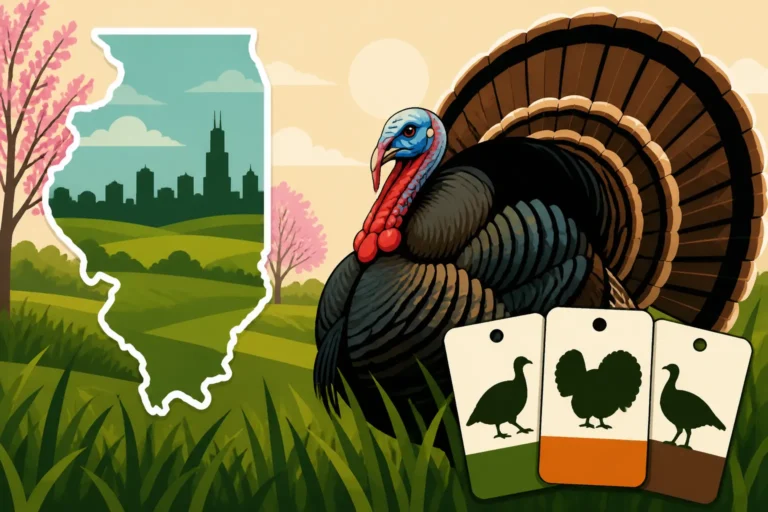
Illinois Spring Turkey Season Closing Date
The excitement of spring turkey hunting in Illinois is undeniable, but it's easy to get tangled up in the specific dates, especially with different zones and periods. Many hunters, myself included, have felt that gut-check moment, wondering if they're still legally allowed to be in the woods or if they've missed their window. This comprehensive guide is here to untangle the complexities of the Illinois spring turkey season closing dates, ensuring you're always in the know and making the most of your time afield.
Understanding Illinois's Zoned Spring Turkey Season Structure
Illinois's approach to spring turkey season isn't a one-size-fits-all deal, and that's often where the confusion begins. Unlike some states with a singular statewide season, Illinois divides its territory into two distinct zones – the North Zone and the South Zone – each with its own set of dates. On top of that, within each zone, the season is further broken down into multiple periods. This system is designed to manage hunting pressure, distribute opportunities, and align with the biological rhythms of wild turkeys across the state's diverse landscapes.
The Illinois Department of Natural Resources (IDNR) meticulously plans these periods to coincide with various stages of the turkeys' breeding cycle, aiming to balance hunter success with sustainable population management. For example, the earlier periods in both zones often align with peak gobbling activity, while later periods can present different challenges and opportunities as hens begin nesting. It's crucial for every hunter to know not just the opening dates, but more importantly, the specific closing dates for the permits they hold, to avoid any unintended legal issues. Many hunters rely on resources like the official IDNR website or third-party mapping apps such as GoHunt to keep track of these dynamic dates.
Why Zoned Seasons Are Necessary
The primary reason for Illinois implementing a zoned system for its turkey season is the vast geographical and ecological differences across the state. Southern Illinois, with its Shawnee National Forest and more rolling topography, experiences spring much earlier than the flatter, more agricultural landscapes of northern Illinois. Turkeys in the South Zone begin their breeding cycles, nesting, and gobbling activity weeks ahead of their northern counterparts.
If the IDNR were to set a single statewide season, hunters in the south would either have a season that starts too late, missing prime gobbling, or hunters in the north would face a season that starts too early, before turkeys are fully active. By segmenting the state into these two zones, the IDNR can tailor season dates to better match the natural phenology of the turkeys, optimizing hunting opportunities while still ensuring the long-term health of the wild turkey population. This also helps to spread out hunter density, particularly on public lands, as hunters often travel to capitalize on the earlier southern season or the later northern opportunities.
Multiple Periods for Balanced Hunting
Beyond the North and South Zone split, the Illinois spring turkey season is further divided into several distinct hunting periods within each zone. Typically, there are multiple consecutive periods (often four or five) that each last about 5 to 7 days. This multi-period system serves several important purposes from a wildlife management perspective and also impacts the hunting experience significantly.
Firstly, it helps distribute hunter effort over a longer duration, reducing pressure on specific areas and individual birds during any given week. Imagine if the entire season was just one long month-long free-for-all; certain popular spots would be overwhelmed. Secondly, it provides multiple opportunities for hunters to obtain permits and experience different stages of the spring turkey season. An early period might be characterized by aggressive gobbling and less foliage, while a later period could see more hens on nests, quieter gobblers, and thicker cover. Understanding these nuances can significantly impact your strategy for Hunting an Early South Zone Turkey Period or adjusting tactics for a later period. The multiple periods also allow hunters who might not be able to hunt the very opening weeks to still have a chance later in the spring, making the season more accessible overall.
South Zone Closing Dates: What You Need to Know
For those of us who eagerly anticipate the earliest signs of spring, the South Zone is where the Illinois turkey season kicks off. This zone, generally encompassing the lower third of the state, experiences warmer temperatures sooner, leading to earlier turkey breeding activity. While the opening dates mark the start of the adventure, knowing the specific closing date for your permit is paramount. It ensures you don't overstay your welcome and accidentally hunt outside the legal window. The South Zone typically features four distinct periods, each with its own closing time.
The specific dates can vary slightly year to year based on the calendar, so always check the current year's IDNR regulations. However, the general structure remains consistent. The earliest periods often wrap up in mid to late April, while the final period for the South Zone typically extends into the first week of May. This gives hunters a good run of about a month and a half to chase gobblers, from the first booming calls of early spring to the quieter, more challenging days as hens begin to nest.
Final Days of South Zone Opportunity
The South Zone spring turkey season generally concludes in early May. For example, in many recent years, the final period for the South Zone has ended on or around May 1st or May 2nd, with the last day of hunting typically concluding at official sunset. This closing date marks the end of all spring turkey hunting opportunities in the southern part of the state, including any remaining valid permits.
If you have permits for the later periods in the South Zone, understanding this final closing date is critical for planning your last-ditch efforts. By this point in the season, turkeys might be harder to locate as gobbling activity can wane, and hens are often nesting. This means hunters often need to adjust their tactics, perhaps focusing more on locating birds feeding in fields or using more subtle calling techniques. Remember that once this date passes, any unharvested tags for the South Zone become invalid for the spring season. It's a bittersweet moment, as it signifies the end of one chapter and the anticipation for the North Zone's later periods.
Youth Season Dates in the South Zone
It's important to remember the Illinois Youth Spring Turkey Weekend often precedes the regular adult periods in both zones, offering a fantastic opportunity for young hunters. For the South Zone, this special youth season typically takes place during a single weekend in late March or very early April, before the first regular periods begin.
While it's a separate hunt designed to give youth an exclusive chance, its closing date still contributes to the overall calendar of spring turkey season endings. The youth season concludes at sunset on the last day of its designated weekend. Although these are earlier dates, they are still crucial closing dates to be aware of, especially for families planning to introduce their children to turkey hunting. This special early window is a treasured tradition for many families and is an excellent way to get future hunters hooked on the sport before the general season opens.
North Zone Closing Dates: Don't Miss These Deadlines
As the South Zone begins to wind down, the North Zone is typically just hitting its stride. Encompassing the central and northern portions of Illinois, this zone has a later start and, consequently, a later closing date for its spring turkey season. This staggered approach is a blessing for many hunters, allowing them to potentially hunt both zones if they secure the appropriate permits, or to focus all their efforts on the North Zone after southern birds have been heavily pressured.
Like the South Zone, the North Zone is also divided into multiple periods, often four or five, stretching well into May. Hunters often find that as the season progresses into the later periods in the North Zone, the foliage becomes much thicker, making visibility a challenge but also offering more cover for stealthy approaches. Being aware of the specific closing date for your permit period is essential for planning those final hunts and ensuring compliance with state regulations.
Final Opportunities in the North Zone
The Illinois North Zone spring turkey season generally concludes later in May. In recent years, the final period for the North Zone has wrapped up around mid-May, typically on or about May 14th or May 15th, with hunting ceasing at official sunset on the last day. This is the absolute last day you can legally hunt spring turkeys anywhere in Illinois for the year.
By the time the North Zone's final period rolls around, the landscape has usually undergone a dramatic transformation since the season opener. Trees are fully leafed out, creating dense cover, and often, the peak gobbling activity has subsided as most hens are already nesting. This late-season hunting can be incredibly challenging, requiring patience, careful scouting, and often a different set of tactics, such as focusing on ambush points near feeding areas or dusting bowls. Hunters often describe this as the "cat-and-mouse" phase of turkey hunting. Knowing this ultimate closing date allows hunters to plan their last attempts, perhaps even taking a day off work to be in the woods for those final hours.
Period-Specific Closing Dates in the North Zone
Just as in the South Zone, the North Zone's season is divided into distinct periods, each with its own specific closing date. While the overall North Zone season stretches into mid-May, your permit will be valid only for a particular period. For example, if you hold a Period 1 North Zone permit, its closing date might be in late April, whereas a Period 5 permit would run right up to the final statewide closing date in mid-May.
Keeping track of which period your permit is for is critical. Accidentally hunting in Period 2 with a Period 1 permit, even if Period 2 is open, is a violation. Hunters often mark these dates clearly on their calendars, or use digital tools like the GoHunt app, to ensure they don't miss an opportunity or, worse, hunt illegally. For a comprehensive overview of how these periods are structured, it's worth reviewing the Illinois North Zone Turkey Periods resource to see how they align with your hunting plans.
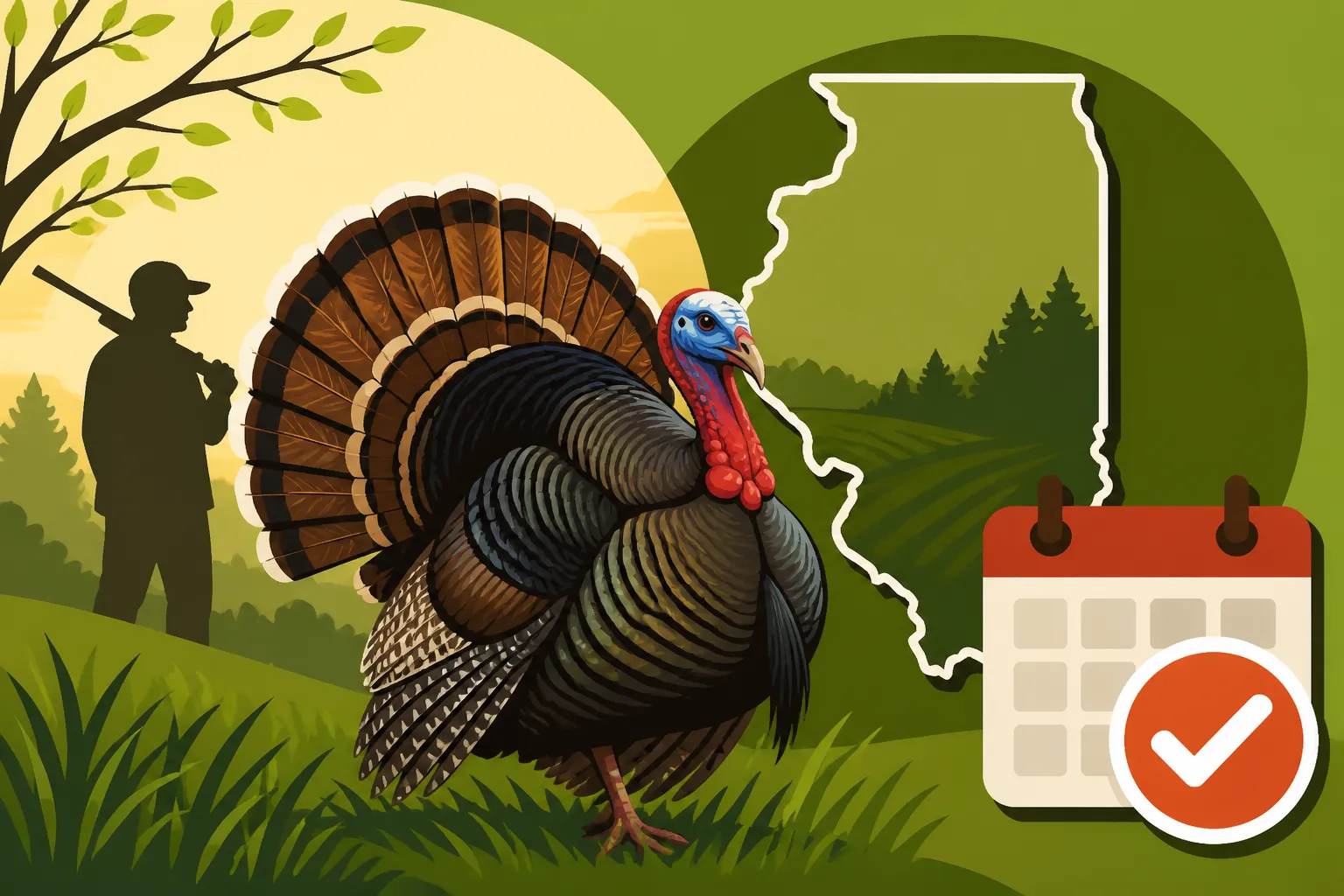
Here's a simplified table illustrating typical Illinois Spring Turkey Season closing dates. Always consult the current year's official IDNR regulations for exact dates, as they can shift slightly.
| Zone | Period | Typical Start Date | Typical End Date (Closing Day) | Notes |
|---|---|---|---|---|
| South | Youth | Late March | Early April (Sunday) | Special weekend for youth hunters only. |
| South | Period 1 | Early April | Mid-April (Wednesday/Thursday) | First adult period, often peak gobbling. |
| South | Period 2 | Mid-April | Late April (Wednesday/Thursday) | Continued good activity. |
| South | Period 3 | Late April | Late April/Early May (Wednesday/Thursday) | Gobbling may start to decline as hens nest. |
| South | Period 4 | Late April/Early May | Early May (Wednesday/Thursday) | Final South Zone period, can be challenging. |
| North | Youth | Early April | Mid-April (Sunday) | Special weekend for youth hunters only. |
| North | Period 1 | Mid-April | Late April (Wednesday/Thursday) | First adult period, good activity. |
| North | Period 2 | Late April | Early May (Wednesday/Thursday) | Often a popular period for many hunters. |
| North | Period 3 | Early May | Mid-May (Wednesday/Thursday) | Gobbling still strong, more foliage. |
| North | Period 4 | Mid-May | Mid-May (Wednesday/Thursday) | Late season, requiring different tactics. |
| North | Period 5 | Mid-May | Mid-May (Wednesday/Thursday) | Final North Zone period and statewide closing. |
Special Considerations for Illinois Turkey Hunters
Beyond just knowing the closing dates, there are several other important factors that Illinois turkey hunters should keep in mind as the season progresses. These considerations can impact everything from your hunting strategy to your permit acquisition, and even how you handle a successful harvest. Staying informed about these details will not only make you a more ethical and legal hunter but also increase your chances of success during the challenging late periods.
Understanding the limits on Illinois Spring Turkey Permit Limits is vital, as this dictates how many tags you can purchase for different zones and periods. Moreover, what happens after you successfully harvest a bird? Reporting requirements are a crucial step that many first-time hunters might overlook. Finally, thinking about hunting pressure, particularly towards the end of a period or the overall season, can help you adjust your approach and find success where others might give up.
Permit Limits and Reporting Your Harvest
Illinois has specific regulations regarding the number of spring turkey permits you can acquire. Generally, a hunter is limited to purchasing a maximum of three permits for the spring season. These permits can be for different periods within a single zone or for periods across both the North and South zones. For example, you might get a Period 1 South Zone permit, a Period 3 South Zone permit, and a Period 5 North Zone permit. This flexibility allows dedicated hunters to extend their season significantly.
After the thrill of a successful hunt, the responsibility of reporting your harvest comes into play. Illinois requires all harvested turkeys to be reported to the IDNR by 10 PM on the same calendar day the turkey was taken. This reporting can usually be done online through the IDNR website or by phone. Failing to report your harvest is a violation, and accurate reporting is crucial for wildlife biologists to manage the turkey population effectively. This data helps them determine future season structures and permit allocations. So, once you've secured your gobbler, make sure reporting it is your next priority.
Impact of Hunting Pressure Towards Season's End
As any veteran hunter knows, hunting pressure is a significant factor throughout the season, but it often intensifies or changes character towards the closing dates of each period and the overall season. Early in the season, birds are often less wary, and gobbling activity is high, leading to more successful hunts. However, as the periods progress, and especially nearing the end of the last period in each zone, turkeys become much more educated and call-shy.
This increased pressure means that many of the "easy" birds have been harvested or have simply learned to avoid human contact. Gobblers become less vocal, hens are often on nests, and the woods feel quieter. Hunters who find success late in the season are often those willing to put in extra effort scouting, walking further to less-pressured areas, or employing stealthier tactics. Instead of aggressive calling, a softer, more subtle approach might be necessary. Some hunters find that focusing on locating birds on the roost and using silent setups, as discussed in Roost Hunting Illinois Gobblers, can be highly effective when pressure is high. Patience becomes your greatest asset, and understanding that the last few days are often the toughest can help you mentally prepare for the challenge.
Contingency Planning for Weather or Unforeseen Events
Spring weather in Illinois is notoriously unpredictable. One day it can be warm and sunny, perfect for gobbling, and the next you might face torrential rain, high winds, or even a late-season cold snap. These weather patterns can significantly impact turkey activity, making hunting challenging, especially towards a period's closing date when your time is limited.
When planning your hunts around specific closing dates, always have a contingency plan for adverse weather. This might mean having alternative hunting spots that are less affected by high winds (like timbered creek bottoms) or being prepared with appropriate rain gear. Unforeseen personal events, such as work obligations or family matters, can also suddenly shrink your available hunting days. If you've been putting off your hunt until the very last week, and then something comes up, you might lose your opportunity entirely. This is why many experienced hunters try to spread their efforts throughout their permitted period, taking advantage of any good weather windows that arise rather than banking everything on the final days. Using a detailed mapping tool like the one offered by GoHunt can also help you identify various terrain features that might offer refuge for turkeys during poor weather, giving you an edge.
Disclaimer
The information provided in this guide is for general informational purposes only and is subject to change. While every effort has been made to ensure accuracy, hunting regulations, dates, and requirements are determined by the Illinois Department of Natural Resources (IDNR) and can be updated annually. It is the responsibility of every hunter to consult the most current official IDNR hunting regulations and proclamations before engaging in any hunting activity. Failure to do so may result in legal penalties.