Illinois North Zone Turkey Periods
Trying to figure out the maze of Illinois spring turkey hunting seasons, especially when you're set on chasing gobblers in the North Zone, can feel like you need a special decoder ring. It's frustrating to plan your precious hunting days without a clear understanding of when you can actually be in the woods, calling to those wary birds. This guide is here to untangle the specifics of the Illinois North Zone turkey periods, helping you understand the dates, strategies, and regulations you need to know for a successful spring hunt.
Decoding Illinois's Spring Turkey Zones
Illinois, like many states, divides its turkey hunting opportunities into different zones. This isn't just to make things complicated; it's a strategic move by the Department of Natural Resources (IDNR) to manage turkey populations effectively and distribute hunting pressure. Understanding these zones is the very first step in planning your spring pursuit.
Why Zones Matter for Gobbler Chasing
The primary reason Illinois employs a zone system for spring turkey hunting, specifically with a North and South Zone, boils down to biology and management. Illinois is a long state, stretching from the temperate southern tip near the Ohio and Mississippi rivers all the way up to the colder, more agriculture-dominated northern counties. This geographic diversity means that spring arrives at different times. Turkeys in Southern Illinois often begin their breeding cycles, known as the gobbling and strutting phase, weeks earlier than their counterparts in the North.
If the entire state had a single, uniform season, it would either mean southern birds are heavily pressured during their peak breeding, or northern birds are hunted before they've even really gotten into the swing of spring. By creating zones, the IDNR can tailor season dates to better align with the local turkey biology and phenology. This helps ensure that hunters across the state have the best chance to encounter active, breeding gobblers while also preventing overharvest in any one region during critical nesting periods. It’s all about sustainable hunting and giving those wild turkeys a fair shake.
Geographic Boundaries of the North Zone
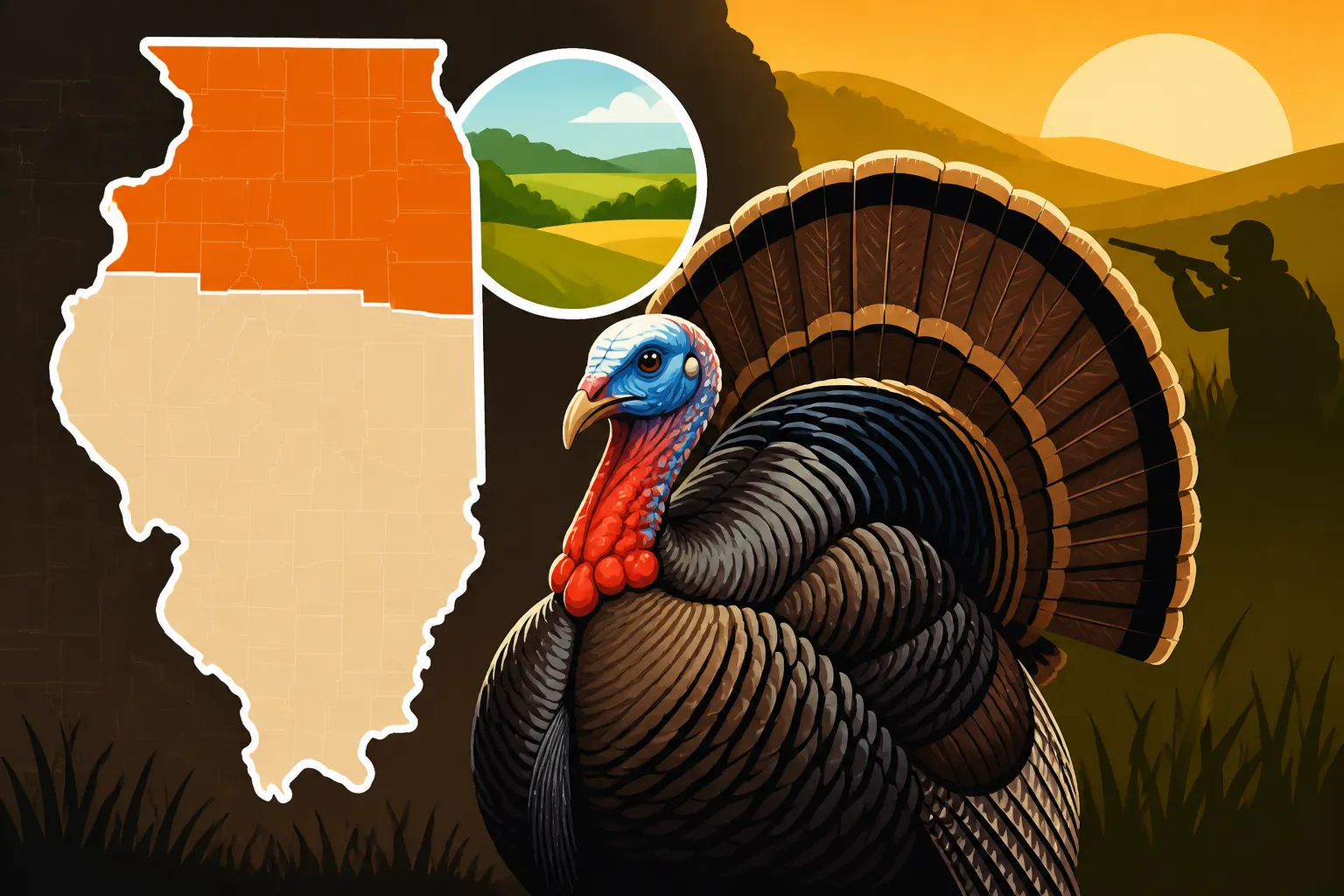
So, where exactly is the North Zone? It's crucial to know this because accidentally hunting in the wrong zone or period can lead to serious legal trouble. Generally speaking, the North Zone encompasses the majority of the northern half of Illinois. The dividing line usually follows a series of county borders, creating a clear demarcation between the two zones.
For instance, counties like Henderson, Warren, Knox, Peoria, Woodford, Livingston, Kankakee, and all counties north of these typically fall within the North Zone. This region is characterized by a mix of rolling farmlands, river bottoms, smaller woodlots, and some state and federal lands. It experiences a later spring thaw and a more delayed onset of peak gobbling compared to the South Zone. If you’re unsure about which zone your specific hunting area falls into, a quick check of the current Illinois DNR hunting regulations or their interactive mapping tools, like those you might find on GoHunt, is always the safest bet. Never assume; always verify the exact county breakdown each year.
Understanding North Zone Spring Turkey Periods
Once you know you're in the North Zone, the next layer of the onion is understanding the different hunting periods within that zone. Illinois doesn't just have one open season; it breaks it down further into several distinct periods, each with its own set of dates and permit allocations. This staggered approach is a cornerstone of effective turkey management in the state.
The Staggered Approach: Why It Works
The IDNR's decision to break the spring turkey season into multiple, shorter periods is a well-thought-out strategy designed to achieve several critical goals. Firstly, it helps to manage hunter pressure. By limiting the number of hunters in the woods at any given time, it prevents public lands from becoming overcrowded and reduces the chances of multiple hunters working the same bird, which can quickly educate and spook turkeys. This also spreads out the harvest, preventing a massive take in the first few days and ensuring opportunities exist throughout the spring.
Secondly, it acknowledges the variable nature of turkey breeding behavior. Even within the North Zone, individual gobblers will come into their prime at slightly different times. Some might be hot and bothered in the first week, while others might be more interested later in the season once more hens are nesting. The staggered periods allow hunters to target different phases of the breeding cycle. If you don't tag a bird in the early period, you still have subsequent chances to adapt your strategy to the birds' changing behavior. It's a system built for both conservation and hunter success, aiming to provide a quality experience while protecting the resource.
Calendar Breakdown: Key Dates for North Zone Hunters
The North Zone spring turkey season typically consists of five separate hunting periods, plus an earlier youth hunt. It's crucial to remember that these dates can shift slightly year to year, so always confirm with the official Illinois DNR hunting regulations for the current season. However, we can look at a typical year's structure to give you a solid understanding.
For example, in a recent year (like 2024), the North Zone periods generally broke down as follows:
- Youth Hunt: This is an earlier, special weekend hunt, usually at the end of March or very beginning of April, specifically for hunters 17 years old and younger. It's a fantastic opportunity to introduce new hunters to the sport with potentially less pressure and highly active birds. For instance, in 2024, it was held March 30-31. You can learn more about Hunting the Illinois Youth Deer Weekend for deer, and the principles are similar for turkeys.
- First Period: This usually kicks off in the second week of April. Birds are often still establishing their pecking order, and gobbling activity can be strong, especially on the roost and early morning. Hens might not be fully receptive yet. Example: April 8 – April 12.
- Second Period: Following immediately, this period sees increasing hen receptivity. Gobbling can still be robust, but birds might be getting a bit more wary due to initial hunting pressure. Example: April 13 – April 18.
- Third Period: Often considered the "peak" of gobbling activity in many areas, this period typically falls around mid to late April. Hens are laying, and gobblers are actively seeking mates. This can be a highly productive time but also sees significant hunter competition. Example: April 19 – April 24.
- Fourth Period: As April wraps up, gobbling might start to taper off slightly as more hens are on nests. However, lonely gobblers can still be very callable. Foliage development is becoming more substantial. Example: April 25 – April 30.
- Fifth Period: Running into the first week or so of May, this is often the toughest period. Most hens are nesting, and gobblers can be "henned up" or quiet. Hunters need to be patient and adapt. Example: May 1 – May 8. This period often aligns with Hunting a Late North Zone Turkey Period.
Understanding this progression is key. It allows you to anticipate turkey behavior and adjust your tactics accordingly, maximizing your chances regardless of which period your permit covers.
Strategic Hunting During Each North Zone Period
Knowing the dates is one thing, but knowing how to hunt effectively during each period is where the real skill comes in. Turkey behavior evolves dramatically throughout the spring, influenced by breeding cycles, foliage growth, and hunting pressure.
Early Period Tactics First & Second
The early periods in the North Zone, typically the first and second, can be magical but also challenging. Often, the woods are still relatively open, with minimal foliage on the trees, meaning you can see and hear further. Gobblers are frequently still grouped up, establishing dominance, and eager to gobble on the roost. Hens are starting to become receptive, but many haven't committed to nesting yet, so gobblers might be less "henned up" than later in the season.
During these periods, focus heavily on locating birds on the roost before dawn. Getting in close, but undetected, to a roost tree can be incredibly effective. Soft tree yelps and clucks as birds wake up can often pull a gobbler off the limb directly towards you. Patience is key; don't overcall. If a bird hangs up, sometimes backing off and letting him wonder where the "hen" went can draw him in. Scouting before the season, utilizing mapping tools to identify potential roosting areas like mature timber along creek bottoms or ridges, is invaluable. Consider practicing Roost Hunting Illinois Gobblers and Calling an Illinois Gobbler Off the Roost as key strategies.
Mid-Season Strategies Third & Fourth
The third and fourth periods often coincide with the peak of breeding activity, but also with increased hunting pressure and significant foliage development. The woods green up considerably, reducing visibility and making turkeys harder to spot from a distance. Gobblers are still active, but they might be warier from earlier encounters. More hens are laying eggs, but many are also still receptive, leading to gobblers being "henned up" for much of the morning.
This is where adaptability shines. While roost hunting is still viable, it might be tougher to get a bird to commit if he has a string of real hens. This is a great time to employ more aggressive, "run-and-gun" tactics, covering ground and trying to strike a gobble from a lonely bird. Focus on areas where turkeys naturally want to travel, such as field edges, logging roads, or timbered fence lines connecting woodlots. Don't be afraid to make louder, more aggressive calls to cut through the increasing ambient noise of the spring woods. If a gobbler is with hens, try to get ahead of him or move to a position that forces him to come to you to get to his hens, which is often difficult. Setting up on key travel corridors or where they might cross a field edge can be fruitful. Consider Run-and-Gun Turkey Tactics on Public Land and Turkey Tactics for Farmland Field Edges in these situations.
Late Period Challenges Fifth Period Onward
By the fifth period, and sometimes even into the late fourth, North Zone turkeys face their toughest test. Most hens are now on their nests, meaning gobblers are often alone and actively seeking any last receptive hens. The woods are fully leafed out, making stealth and visibility challenging. Hunting pressure has usually been high, making gobblers extremely wary and difficult to pull away from their established routines.
This period demands extreme patience and subtle tactics. Locating calls like owl hoots or crow calls can help pinpoint a bird without alerting him to your exact location. Once a bird is located, often a subtle approach with minimal calling is best. Try to set up in a place where you can call him across open terrain or into a natural funnel where he feels safe. If you know a gobbler's routine – where he roosts, where he flies down, where he travels – you might try to intercept him. Sometimes, trying to break up a small group of jakes or satellite gobblers can stir up some action, but mature gobblers are often on their own. Be prepared for long sits and sparse gobbling. It's often during this time that you might hear that classic "gobble, gobble… silence" as a bird quickly hens up. Learning When Illinois Gobblers Go Quiet in May becomes crucial.
| Period | Typical North Zone Dates (Example Year) | Key Turkey Behavior | Recommended Tactics |
|---|---|---|---|
| Youth Hunt | Late March / Early April | Birds establishing dominance, strong roost gobbling | Roost hunting, soft calls, patient setups |
| First Period | Early April | Strong roost gobbling, hens less receptive | Locating birds on roost, soft calling, patience |
| Second Period | Mid-April | Increasing hen receptivity, moderate pressure | Adapt to bird mood, continue roosting, some aggressive calling |
| Third Period | Mid to Late April | Peak breeding, high gobbling, increased pressure | Run-and-gun, aggressive calling, field edges, patient setups |
| Fourth Period | Late April | Gobbling tapering, more hens nesting, wary birds | Adapt to quiet birds, focus on travel routes, locator calls |
| Fifth Period | Early May | Hens on nests, gobblers often alone/wary | Extreme patience, subtle calling, intercepting birds, locator calls |
Note: Always consult the current year's Illinois DNR regulations for exact season dates.
Permit Applications and Preparation for North Zone Success
Getting a North Zone turkey permit in Illinois involves understanding the application process, and success in the field comes down to thorough preparation. Don't leave either to chance!
Navigating the Permit Lottery System
Unlike small game, spring turkey permits in Illinois are distributed through a lottery system for residents, and sometimes over-the-counter for specific leftover permits or for non-residents, depending on availability. This system ensures fair access and helps manage hunter numbers in each period and zone.
Residents can apply for one permit per year through the IDNR's online portal. You'll specify your desired zone (North or South) and your preferred hunting period (1st, 2nd, 3rd, 4th, or 5th). It's wise to apply early during the designated application period, which typically opens in January. You can select an alternate period if your first choice isn't available. If you're unsuccessful in the initial lottery, there are usually subsequent phases where you can purchase leftover permits on a first-come, first-served basis. Non-residents face more limited opportunities, often with a dedicated non-resident lottery or very limited over-the-counter sales, so planning well in advance is critical. Understanding Illinois Spring Turkey Permit Limits is key to navigating this process. Make sure you're aware of the application deadlines and requirements each season.
Essential Gear and Scouting Tips for North Zone Hunters
Preparation doesn't stop with getting a permit. What you bring and how well you know your hunting ground are equally important.
For gear, good camouflage is paramount. Turkeys have incredible eyesight, so head-to-toe camo, including a face mask and gloves, is a must. A comfortable seat cushion or portable stool will be your best friend during those long sits, especially in later periods. For calls, having a versatile setup is wise: a mouth diaphragm call for hands-free operation, a slate call for realistic soft purrs and clucks, and a box call for loud, far-reaching yelps to locate distant birds. Don't forget locator calls like an owl hooter or crow call. Decoys can be highly effective, especially a single hen or a breeding pair setup early in the season, but be mindful of their use in pressured areas. Consider Decoy Placement for Pressured Illinois Birds based on your hunting scenario.
Scouting is perhaps the most critical component. It's not just about finding birds; it's about understanding their patterns, their preferred roost sites, fly-down areas, feeding locations, and travel corridors. Before the season, spend time walking the woods, listening for gobblers, and looking for tracks, droppings, and strut marks. Utilize mapping applications like GoHunt to mark potential hotspots, identify property lines (especially on public land), and study topographical features. These apps are invaluable for identifying pinch points, ridges, and hidden fields where turkeys might frequent. This pre-season homework, often referred to as Scouting Illinois Public Land Before Season, can make all the difference when opening day arrives.
Common Challenges and Troubleshooting in the North Zone
Hunting wild turkeys in the North Zone of Illinois is never a guarantee, and you'll inevitably run into challenges. Knowing how to troubleshoot these common issues can turn a frustrating day into a successful one.
Dealing With Hunting Pressure
One of the most persistent challenges, especially on popular public lands, is hunting pressure. Other hunters can spook birds, educate them quickly, and make them less responsive to calls. This is particularly true during the peak periods (Third and Fourth).
To deal with this, you need to think differently. First, go deeper. Many hunters stick to easy-access areas. If you're willing to walk an extra mile or two, you'll often find less pressured birds. Use mapping apps like GoHunt to identify remote corners of public land that might require a little extra effort to reach but offer solitude and unpressured turkeys. Secondly, hunt mid-week. Weekends are always the busiest. If you can take a day off during the week, you'll find far fewer hunters and often more active birds. Thirdly, listen more than you call. When birds are pressured, they become call-shy. Overcalling can quickly send them packing. Sometimes, just sitting quietly and letting them come to you after a few soft calls is the ticket. Pay attention to how the birds are reacting to the pressure; if they're shutting down, change your approach. Finding Ground Others Walk Past is crucial when hunting pressured areas.
Weather Adaptations and Safety
Illinois weather in spring can be notoriously fickle, swinging from warm and sunny to cold and rainy in a matter of hours. These changes directly impact turkey behavior and hunter comfort.
If a cold front rolls in, turkeys might become less active, gobbling less and focusing more on feeding. You might need to adjust by focusing on food sources like freshly greening fields or areas with leftover mast crops. Rain can silence gobblers, but it can also provide cover for you to move stealthily. Light drizzle can sometimes make turkeys more vocal once it lets up, and often the birds will hit fields to dry off. Heavy rain, however, usually means the birds will seek shelter and stay quiet. Dress in layers, ensuring you have waterproof outer shells. Being cold and wet will make you miserable and less effective. Always carry extra water, snacks, and a small first-aid kit.
Safety is paramount. Know the legal hunting hours (check Illinois Turkey Hunting Hours), which are typically one half-hour before sunrise to 1 p.m. during the spring season. Be absolutely certain of your target and what's beyond it. Never wear red, white, or blue (colors associated with a turkey's head) while turkey hunting, and if moving with a harvested bird, conceal it or carry it in a blaze orange bag to prevent accidental shooting.
Making the Most of Your North Zone Spring Hunt
Ultimately, success in the Illinois North Zone spring turkey woods often comes down to adaptability, patience, and adherence to regulations. It's a journey, not just a destination.
Flexibility and Adaptability
Turkey hunting is rarely a cookie-cutter experience. What worked yesterday might not work today, and what works for one bird might not work for another. Embrace flexibility. If a gobbler is hung up, try changing calls, changing positions, or even backing out and circling to get ahead of him for a new setup. If a field edge isn't producing, slip into the timber. If the birds are quiet, use locator calls more frequently.
Sometimes, the best strategy is simply to sit tight, especially if you're confident in the area and have done your scouting. Birds often move through on their own schedule. Being adaptable means you're always learning, always adjusting, and never giving up. Utilize the data and mapping from tools like GoHunt to quickly pivot your plans if a particular area isn't producing, checking for alternative habitat features or access points. The more tools you have in your mental (and actual) toolbox, the better your chances of punching that tag.
Post-Harvest Reporting and Regulations
After all the hard work, the moment of truth arrives when you successfully harvest a North Zone gobbler. But the hunt isn't truly over until you've completed the necessary legal steps. In Illinois, harvested turkeys must be checked in, or "reported," through the IDNR's online harvest reporting system or by phone. This is a critical step for game management, providing biologists with data on harvest numbers, locations, and success rates.
The reporting deadline is typically 10 p.m. on the day of harvest. You'll need your permit number and the location of your harvest. Failure to report a harvested turkey can result in fines and penalties, so don't skip this important step. Ensure you understand Illinois Turkey Checking Requirements fully. Additionally, be mindful of carcass movement restrictions, especially if you're hunting near a Chronic Wasting Disease (CWD) zone, although this is less of a concern for turkeys than deer. Always consult the most current Illinois DNR hunting guide for any updates to these regulations.
Disclaimer
Please note: Hunting regulations, season dates, and permit requirements are subject to change. Always consult the official Illinois Department of Natural Resources (IDNR) website or the current year's hunting regulations booklet for the most accurate and up-to-date information before planning any hunting trip in Illinois. This guide is for informational purposes only and does not supersede official state regulations.