Illinois Quota Hunt Draw Odds
It's incredibly frustrating when you've got your heart set on hunting a specific piece of prime public ground, only to find out it's a quota hunt with limited permits. The idea of putting in for a draw, crossing your fingers, and then potentially missing out can be a real buzzkill for your season planning. This guide is all about demystifying the Illinois quota hunt draw odds, giving you the insider knowledge to understand the system and boost your chances of getting that coveted permit.
Understanding Illinois's Quota Hunt System
Illinois, for all its fantastic hunting opportunities, employs a quota hunt system for many of its most sought-after public lands. This isn't just a random act; it's a carefully designed management tool by the Illinois Department of Natural Resources (IDNR) to ensure sustainable hunting, control wildlife populations, and distribute hunting pressure fairly. If you've ever felt the squeeze of overcrowded public land, you'll understand why these systems are in place.
What are Quota Hunts?
Simply put, quota hunts are designated hunting opportunities on specific public sites where the number of hunters is strictly limited. Unlike an over-the-counter permit you might buy for statewide archery season, these permits are allocated through a lottery system. This means you have to apply during a specific window, and then your name goes into a hat (or, more realistically, a computer program) with everyone else's. If your name is drawn, you get a permit for that specific site and hunt period. If not, you're out of luck for that particular hunt.
The rationale behind these limited draws is multifaceted. For deer, it helps manage herd health and density on popular sites, preventing overharvesting and allowing for better quality animals. For species like turkey, it can spread out pressure during peak gobbling periods, giving hunters a better experience. Quota hunts also play a crucial role in managing local impacts, such as reducing crop damage in agricultural areas adjacent to public lands or simply ensuring a quality experience for hunters by avoiding overcrowding. These hunts are most commonly associated with deer and turkey, but some waterfowl or upland bird hunts might also have a quota component on managed areas.
The Application Process: A Step-by-Step Guide
Navigating the application process for Illinois quota hunts can feel a bit like wading through dense timber if you're not familiar with it. The good news is, once you understand the rhythm, it becomes much smoother. The entire process is managed through the Illinois Department of Natural Resources (IDNR) website. First and foremost, you'll need an active Illinois hunting license and a Habitat Stamp. These are foundational requirements before you can even think about applying for a special site permit. You can find detailed information on Illinois Hunting Licenses and What They Cost on the IDNR website.
The application periods for these quota hunts are typically announced well in advance. For spring turkey, applications usually open in late winter, while deer quota hunt applications often open in the spring or early summer. It's crucial to mark these dates on your calendar because missing the application window means you miss your chance entirely. You'll log into your IDNR customer account, select the type of permit you're applying for (e.g., "Deer Firearm Quota Hunt" or "Spring Turkey Site-Specific"), and then you'll choose your preferred site and hunt period. You might be able to select a first and second choice, which is a smart move to increase your overall chances. Once submitted, it's a waiting game until the draw results are announced, usually a few weeks after the application period closes.
Permit Allocation and Success Rates
Once the application window closes, the IDNR runs the lottery draw. This process determines who receives the coveted permits for each specific quota hunt site and period. Unlike some western states that utilize complex preference point systems, Illinois generally operates on a straight lottery basis for most of its deer and turkey quota hunts. This means every applicant has an equal chance in the draw for that particular year, regardless of whether they've applied for 10 years or this is their first time. This can be both good and bad: it's fair, but it also means no banked points for loyalty.
Permit allocation often considers residency. Nonresidents, while welcome to apply, typically face significantly tougher odds as a much smaller percentage of total permits are usually reserved for them. For example, a site might have 100 permits, with 95 going to residents and only 5 for nonresidents. The IDNR usually publishes historical draw results, including the number of applicants versus permits issued for each site and period. This data is invaluable for understanding the competitiveness of a particular hunt. These success rates fluctuate each year based on applicant numbers, so what was a "sure thing" one year might be incredibly competitive the next if a particular site suddenly gains notoriety for a trophy animal. Always check the most recent data available to make informed decisions for your application choices.
Deciphering Illinois Quota Hunt Draw Odds for Deer and Turkey
Understanding the draw odds isn't just about looking at a single number; it's about dissecting the various factors that contribute to how competitive a specific hunt becomes. For hunters focused on Illinois's robust deer and turkey populations, these odds can mean the difference between a prime hunting experience and sitting out a desired season.
Factors Influencing Deer Quota Hunt Odds
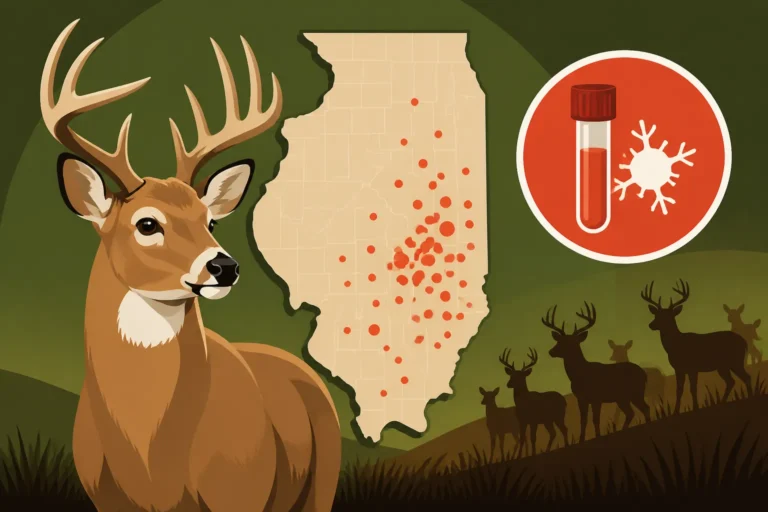
Deer quota hunt odds in Illinois are a dynamic puzzle influenced by several key elements. The first, and perhaps most significant, is the specific site itself. Well-known areas, especially those with a reputation for producing large bucks or consistent success, will invariably attract a higher volume of applicants. Think about popular State Parks or Fish & Wildlife Areas that are frequently highlighted in hunting forums or magazines – these spots often have the lowest draw odds. Areas like Jim Edgar Panther Creek State Fish and Wildlife Area or Sangchris Lake State Park, known for quality habitat, often see intense competition.
Another critical factor is the type of permit and the timing of the hunt. "Either-sex" permits, allowing the harvest of a buck or a doe, are usually far more competitive than "antlerless-only" permits, as most hunters prefer the option of taking a buck. Similarly, hunts scheduled during the peak of Hunting the Rut in Early November will see a surge in applications compared to early or late season periods. Nonresident status also heavily skews the odds. Due to statutory limits on nonresident permits, out-of-state hunters face significantly steeper competition for the limited permits available. You'll want to carefully review the IDNR's annual permit allocations and past harvest reports to gauge what areas might be less pressured.
Navigating Turkey Quota Hunt Draw Odds
Just like deer, turkey quota hunt draw odds are influenced by site popularity and timing, though with a few unique twists. Spring turkey hunting is a cherished tradition in Illinois, and certain sites offer exceptional opportunities for mature gobblers. The earlier hunting periods (often referred to as Period 1 and Period 2 in the Illinois Spring Turkey Zones and Periods) typically have the lowest draw odds, especially in high-density turkey areas. Everyone wants to be out there when the birds are most vocal and active. Later periods, while still offering great hunting, might see slightly less competition as some hunters have already filled their tags or moved on.
The specific "zone" can also play a role. While most turkey permits are for specific sites, understanding the overall turkey population trends in regions can give insight into applicant numbers. Public land pressure is also a huge factor; sites known for being readily accessible and having a consistent harvest will always be more popular. While less common, some areas might have specific rules, like youth-only turkey weekends, which also have their own set of draw odds. It’s always a good idea to check the IDNR's publications for detailed statistics on turkey permit draws and success rates for the previous seasons.
Utilizing Historical Data and Resources
When it comes to understanding your chances, historical data is your best friend. The IDNR website is the primary and most accurate source for past draw results. They typically publish reports detailing the number of applicants for each quota hunt site and period, as well as the number of permits issued. By comparing these numbers, you can calculate the approximate draw odds for previous seasons. While these are not a guarantee of future success, they provide a strong indicator of how competitive a particular hunt tends to be.
For example, if a site had 1,000 applicants for 100 permits last year, your odds were 10%. If this year the number of permits remains the same, but the applicant pool grows to 1,500, your odds drop to roughly 6.6%. Some third-party hunt planning resources, while primarily focused on western states with complex point systems, can offer tools for general data analysis and organization, helping you track your applications and research potential hunts. While a brand like GoHunt might be more known for its western state draw odds platforms, the underlying principle of detailed research and data review applies universally. Even for Illinois's simpler lottery, compiling and reviewing historical IDNR data is crucial. Don't just pick a site blindly; put in the homework, check the IDNR archives for several years back, and identify trends. This diligent research can highlight less competitive periods or sites that still offer excellent hunting opportunities.
Strategies to Maximize Your Draw Chances
Since Illinois quota hunts are often a straight lottery, there's no magic bullet like a preference point system to guarantee a draw. However, you can employ smart strategies to significantly improve your statistical chances of securing a permit. It's all about playing the odds intelligently.
Smart Application Choices
The most impactful strategy is to make informed choices about where and when you apply. Instead of simply aiming for the most famous spots, research the IDNR's historical data to identify sites that have slightly less competition but still offer quality hunting. Often, there are hidden gems that don't get as much fanfare but hold excellent populations of deer or turkey. Look for sites that might be a bit more remote, have less glamorous access, or are simply not as well-known.
Consider applying for periods that aren't the absolute peak. For deer, the first firearm season or the peak rut periods are often the hardest to draw. If your goal is simply to hunt a specific public land, applying for the second firearm season in December or a late-season archery quota hunt might offer significantly better odds. For turkeys, while everyone wants to hunt during the first few periods of spring, the later periods can still provide fantastic hunting and often have higher draw success rates. Also, if your primary goal is venison, consider applying for antlerless-only permits where available, as these are almost always less competitive than either-sex permits. Exploring Hunting the Late-Season December Lull could offer another avenue for success with lower pressure.
Understanding Nonresident Limitations
If you're an out-of-state hunter eyeing Illinois's legendary whitetails or gobblers, it's crucial to understand the inherent challenges. Illinois, like many states, allocates a much smaller percentage of its quota hunt permits to nonresidents. This means your draw odds will be considerably lower than a resident's, even for less popular hunts. This isn't personal; it's a common practice to ensure residents have ample opportunity to hunt their home state.
For nonresidents, the strategy for quota hunts becomes even more focused on deep research. Look for sites that consistently have a higher number of permits overall, which might translate to a few more nonresident slots. Manage your expectations and realize that drawing a prime nonresident permit can take multiple attempts. It's often advisable for nonresidents to explore Illinois Nonresident Deer Permit Costs for over-the-counter opportunities or to consider private land leases in Illinois if a guaranteed hunt is a priority. While quota hunts are an option, they demand patience and a willingness to accept low odds.
Leveraging Group Applications and Alternatives
Most Illinois quota hunts for deer and turkey are designed for individual applicants, meaning you can't typically apply as a group and increase your collective chances in the same way some western big game draws allow. Each hunter must apply individually, and success is determined per applicant. However, if you and a buddy are both applying for the same site and period, and one of you draws, you can still hunt together (assuming all regulations are followed). Always verify the specific rules for the hunt you're applying for, as regulations can change.
What if you don't draw a quota permit? Don't despair! Illinois offers plenty of other hunting opportunities. One excellent alternative is to look into leftover permit sales. After the initial lottery draws, any unclaimed or unsold permits for various quota hunts are often made available on a first-come, first-served basis. Keep a close eye on the IDNR website for announcements about these sales, as they can go quickly. Additionally, Illinois has extensive over-the-counter options for both archery deer season (which starts When Illinois's Archery Season Opens) and statewide turkey permits, particularly for fall turkey hunting, which often has permits readily available without a lottery. These options ensure that even if a specific quota hunt doesn't pan out, you can still enjoy a fantastic Illinois hunting season.
| Hunt Type | Typical Competitiveness | Odds Factors | Strategy Tips |
|---|---|---|---|
| Deer (Either-Sex) | Very High | Popular sites, peak rut dates, reputation for trophy bucks. Nonresidents have significantly lower odds. | Research less popular sites/periods. Consider antlerless-only if meat is primary goal. Nonresidents: manage expectations, focus on broad research. |
| Deer (Antlerless-Only) | Moderate | Less competitive than either-sex, but still varies by site. | Excellent option for venison, often better draw odds. |
| Spring Turkey (Early Periods) | High | Peak gobbling activity, specific popular sites. | Apply for later periods to improve odds. Research sites with consistent success but lower applicant numbers. |
| Spring Turkey (Late Periods) | Moderate | Gobbling can be less consistent, but birds are still callable. | Often the best odds for drawing a permit for a desired site. |
| Fall Turkey (Quota Sites) | Low to Moderate | Less overall interest than spring, still dependent on specific site popularity. | Excellent opportunity to gain experience on a quota site with good odds. Often over-the-counter for statewide permits. Hunting Illinois's Over-the-Counter Fall Turkey Season |
| Waterfowl (Specific Sites) | Varies | Specific managed wetlands, reputation for consistent flights, weather patterns. | Research specific draw rules for each site (e.g., daily drawings, seasonal lotteries). |
Disclaimer
Please remember that hunting regulations, season dates, and permit application processes, including draw odds and availability, can change from year to year. Always consult the official Illinois Department of Natural Resources (IDNR) website or their current hunting handbooks for the most up-to-date and accurate information before planning any hunt or applying for permits. While we strive to provide helpful and accurate information, this guide is not a substitute for official sources.