Moving a Deer Carcass Out of a CWD County
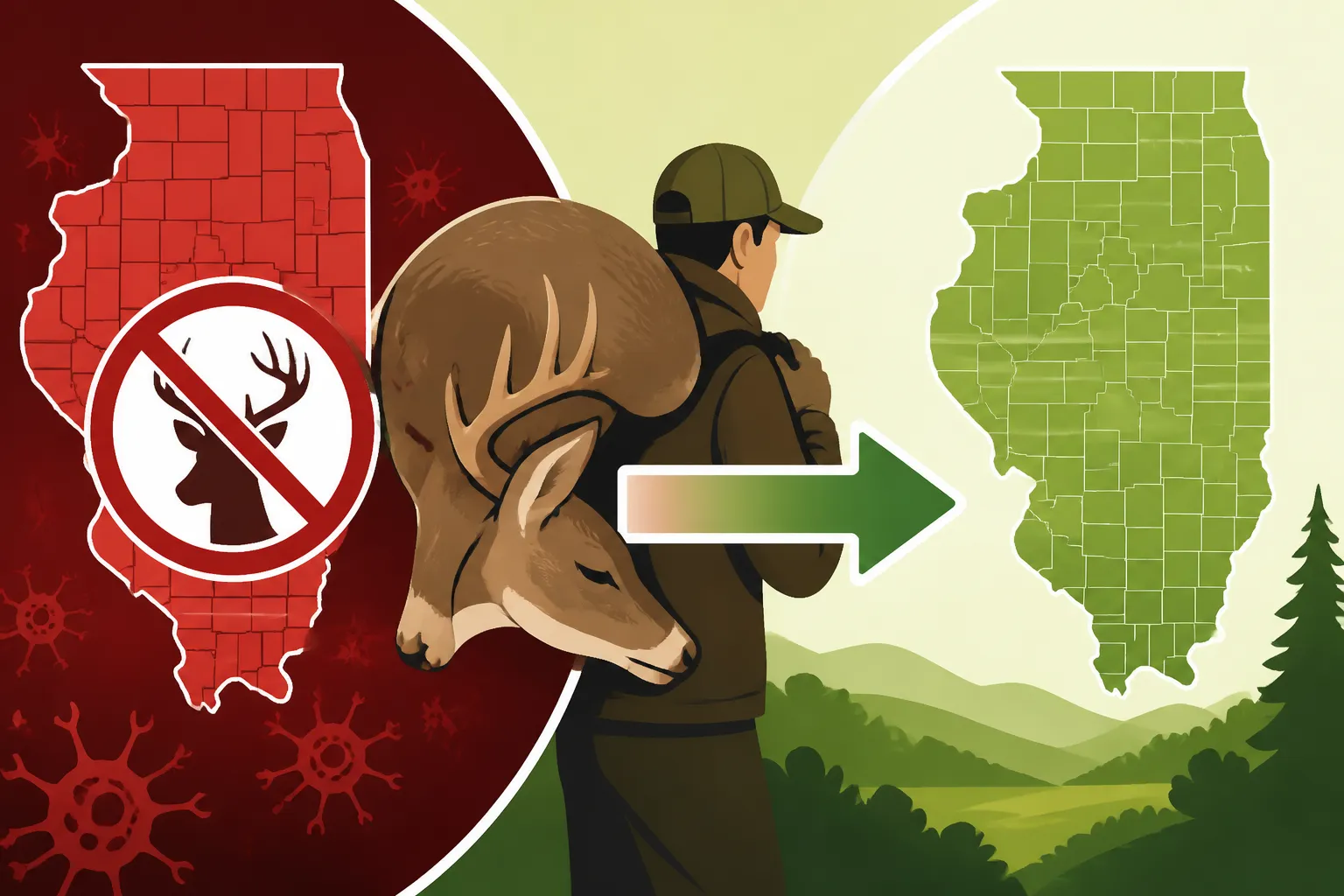
Bringing down a deer in Illinois is an exhilarating experience, a culmination of scouting, patience, and skill. But if you're hunting in one of Illinois's Chronic Wasting Disease (CWD) counties, that excitement can quickly turn to confusion and a bit of anxiety when you start thinking about getting your hard-earned venison home. The regulations around moving a deer carcass out of a CWD county can feel like a minefield of rules, leaving many hunters scratching their heads and worrying about compliance. This comprehensive guide aims to demystify those regulations, providing clear, actionable steps to ensure you transport your deer legally and responsibly, protecting both your harvest and the health of Illinois's deer herd.
Understanding Illinois's CWD Landscape
Before you even pull the trigger, understanding what CWD is and which areas of Illinois are affected is paramount. It’s not just about knowing the rules; it’s about understanding the "why" behind them.
What is CWD and Why Does it Matter to Hunters?
Chronic Wasting Disease is a fatal, neurological disease affecting cervids, which include deer, elk, and moose. It's caused by abnormal proteins called prions that slowly accumulate in the brain and other tissues, leading to severe neurological degeneration. Think of it like mad cow disease, but for deer. The sad truth is, once a deer contracts CWD, there is no cure, and it will eventually die. The disease spreads through direct animal-to-animal contact and indirectly through environmental contamination, such as infected saliva, urine, and feces left in the soil or water.
For hunters, CWD isn't just a concern for the deer population; it directly impacts our hunting opportunities and the health of the game we pursue. The presence of CWD in a county often leads to specific management strategies, including carcass movement restrictions, mandatory CWD testing for hunters, and efforts to control herd density. These measures are designed to slow the spread of the disease and protect both the health of the deer herd and the integrity of hunting in Illinois for generations to come. It’s a collective responsibility that we, as ethical hunters, share. The Illinois Department of Natural Resources (IDNR) takes this threat seriously, as do many dedicated hunters who want to see our wild deer thrive. For a deeper dive, you can explore the nuances of Illinois's Chronic Wasting Disease Zone.
Identifying Illinois's CWD-Positive Counties
Navigating the landscape of CWD-positive counties can be a bit tricky, as the zones can shift or expand based on new detections. Currently, CWD is predominantly found in northern Illinois, but it has been detected in various counties across central and western parts of the state as well. The key is to always check the most up-to-date information before you head afield. The IDNR maintains an online map and provides annual updates that clearly delineate which counties are considered CWD-positive.
Some of the counties that have been, or continue to be, part of the CWD management zone include Boone, DeKalb, Jo Daviess, Kane, Kendall, LaSalle, Livingston, McHenry, Ogle, Stephenson, Winnebago, Grundy, Kankakee, McLean, Peoria, Sangamon, Bureau, Carroll, Whiteside, Putnam, Marshall, Knox, Fulton, Tazewell, Cass, Christian, Logan, Macon, Menard, Morgan, Mason, Schuyler, Warren, and Woodford counties, among others. It’s a wide range, illustrating the challenge. Before your hunt, whether you're using a GPS-enabled app like GoHunt or checking the official IDNR website, make sure you know if your chosen hunting ground falls within a CWD county. This proactive step can save you a lot of headache and ensure you are prepared for any necessary precautions regarding carcass handling.
The Importance of Knowing Your Harvest Location
Imagine you’ve spent months scouting, invested countless hours in a stand, and finally, you've harvested a beautiful whitetail buck. The last thing you want is to run into trouble because you weren't sure if you were in a CWD county or not. It's not always as simple as knowing the county line. Sometimes, a CWD management zone might only encompass a portion of a large county, or it might border another non-CWD county. This is where meticulous planning and good mapping tools come into play.
Using mapping apps with land ownership and CWD zone overlays, like those found in GoHunt, can be invaluable. You can mark your stand locations, property boundaries, and immediately see if you're within a CWD-affected area. This knowledge directly impacts how you'll handle your deer from the moment it hits the ground. It dictates whether you'll need to get it tested, which parts you can transport, and how you'll process it. Taking the time to understand your precise hunting location in relation to these zones is not just good practice; it's a mandatory part of being a responsible hunter in Illinois. If you're unsure, treat it as if it is a CWD county to be on the safe side.
Carcass Movement Restrictions: The Nitty-Gritty
Once you've tagged your deer in a CWD county, the clock starts ticking on adhering to the specific carcass movement regulations. These rules are designed to prevent the physical spread of CWD prions from infected areas to uninfected areas.
What Parts of a Deer Can You Move?
This is often the most confusing part for hunters. The regulations are very specific about which parts of a deer can be transported out of a CWD-positive county. The general principle is to remove all "high-risk" parts that are most likely to contain CWD prions at the kill site or at a designated check station within the CWD zone.
You can move the following parts out of a CWD county:
- Deboned meat: This is the safest and most recommended method. Once the meat is completely deboned, it can be freely transported.
- Skull cap: The part of the skull that holds the antlers, provided all brain material and soft tissue are removed. It must be clean and dry.
- Antlers: Naturally shed antlers or those still attached to a legally separated skull cap are fine.
- Hide: The tanned hide or raw hide, provided it's free of any head or spinal column material.
- Finished taxidermy mounts: Once the taxidermy process is complete and all high-risk tissues have been removed and disposed of properly.
You cannot move the following parts out of a CWD county, unless directly to a CWD sampling station, a licensed meat processor, or a licensed taxidermist within the CWD county:
- Whole carcass: This includes the entire animal, head, and spinal column intact.
- Head: The entire head, including the brain, eyes, and tonsils, which are known to harbor CWD prions.
- Spinal column: The backbone, which contains spinal cord tissue.
- Any brain material: Even small fragments can pose a risk.
- Lymph nodes, spleen, tonsils, eyes: These specific tissues are considered high-risk for prion accumulation.
This means you can't just throw a whole deer in the back of your truck and drive it across county lines if you're leaving a CWD zone. It's a critical rule to remember, and it influences your field dressing and processing plans significantly.
Permitted Carcass Movement Scenarios
While the restrictions might seem daunting, there are clear pathways for legal carcass movement. Understanding these scenarios will help you plan your hunt and post-harvest activities.
One common scenario is transporting the deer directly to a CWD sampling station. In CWD counties, the IDNR often has mandatory CWD testing for hunters during certain seasons, or voluntary testing is strongly encouraged. You can move the whole or partially dressed carcass directly to an official IDNR CWD sampling station within the CWD county for testing. Once the sample is taken, you’ll then need to adhere to the movement rules based on what parts you intend to take home. Information on Mandatory Testing Inside an Illinois CWD County and Finding an Illinois CWD Sampling Location is readily available from the IDNR.
Another permitted scenario involves professional services. You can transport a whole or partially dressed deer directly to a licensed meat processor or taxidermist located within the CWD county. These professionals are well-versed in CWD regulations and have proper disposal methods for high-risk tissues. They will process your deer, ensuring that only legal parts (deboned meat, cleaned skull plates, hide) leave their facility. If you plan to use a processor or taxidermist outside the CWD county, you must perform the necessary field dressing and deboning yourself before leaving the CWD zone, ensuring only legal parts are transported. It’s all about containing those high-risk tissues within the affected area.
The "Clean Carcass" Rule Explained
The "clean carcass" rule is essentially about ensuring that any parts of the deer you transport out of a CWD county are free of the high-risk tissues. This typically means bone-in meat is acceptable only if the head and spinal column have been removed. However, to be absolutely safe and to provide maximum flexibility for transport, deboning the meat is the gold standard.
When you debone the meat, you remove it completely from the bone, spinal column, and skull. This leaves behind the parts most likely to harbor CWD prions. The remaining meat, usually in chunks or trim, can then be packed into coolers. This method virtually eliminates the risk of spreading the disease via carcass parts. Similarly, if you want to keep the skull for a European mount, you must completely remove all brain matter and soft tissue, boiling or pressure washing the skull until it's clean and white. For antlered bucks, the skull plate with attached antlers is allowed if clean.
It’s about reducing risk. Imagine driving miles with a deer carcass, dripping fluids or leaving tissue fragments along the highway. That's the environmental contamination the IDNR is trying to prevent. By ensuring your carcass is "clean" – either deboned, or meticulously stripped of high-risk tissues – you’re doing your part to keep CWD from spreading further into Illinois's beautiful wild spaces.
| Carcass Part | Allowed for Transport OUT of CWD County | Notes |
|---|---|---|
| Deboned Meat | Yes | Safest and most recommended method. |
| Whole Carcass | No | Except directly to CWD sampling station, processor, or taxidermist within CWD county. |
| Head (entire) | No | High-risk tissues (brain, eyes, tonsils, lymph nodes) must be removed. |
| Skull Cap with Antlers | Yes | Must be free of all brain tissue and soft tissue, clean and dry. |
| Antlers (shed) | Yes | No restrictions on shed antlers. |
| Hide | Yes | Must be free of head or spinal column material. |
| Spinal Column | No | Contains high-risk spinal cord tissue. |
| Finished Taxidermy Mount | Yes | All high-risk tissues processed and disposed of properly. |
Practical Steps for Hunters in CWD Counties
Knowing the rules is one thing; putting them into practice in the field is another. Here’s a breakdown of the practical steps you can take to ensure a smooth, compliant process after a successful hunt in a CWD county.
Field Dressing and Preparation at the Kill Site
The moment you harvest a deer in a CWD county, your mind should immediately shift to carcass preparation. Field dressing, while standard practice for preserving meat, takes on added importance here. Your goal is to remove as much of the high-risk material as possible, as close to the kill site as practical.
After ensuring the deer is deceased and tagged according to Illinois Deer Season Structure Explained and Illinois Deer Reporting Requirements, you'll perform a standard field dress. This involves removing the internal organs (viscera). These organs, specifically the spleen and some lymph nodes, can contain CWD prions. It's best to leave these entrails on site where the deer was harvested, allowing natural decomposition to occur. Avoid spreading them around excessively. If you’re not comfortable with on-site disposal or if regulations prohibit it in a specific area, make sure you know the nearest approved disposal method within the CWD county. Some public lands may have specific drop-off points for high-risk materials. Your decision to field dress immediately and thoroughly at the kill site minimizes the amount of risky material you'll need to transport, making subsequent steps much easier.
Transporting Your Harvest Legally
Once field dressed, the next hurdle is transporting your deer. If you've hunted in a CWD county and plan to leave that county, you must ensure only legal parts are being moved. For many hunters, this means deboning the meat right there in the field, or at least at a temporary processing location within the CWD county, such as a local deer camp or friend's garage.
Bring extra coolers, sharp knives, a game bag, and a tarp. Lay out the deer on the tarp to keep it clean, and meticulously debone all the meat. Separate the clean meat into game bags and place it in coolers with ice. If you want the skull cap and antlers, make sure to thoroughly clean the skull cap, removing all brain and soft tissue. For the hide, ensure it's free of any spinal column material. All remaining high-risk parts (head, spinal column, bones) must be left within the CWD county. You can often dispose of these at specific drop-off points designated by the IDNR or follow local regulations for burial on private land. This careful preparation is crucial for avoiding any legal issues when crossing county lines.
Utilizing Local Processing and Taxidermy Services
One of the easiest ways to comply with CWD carcass movement restrictions is to utilize services within the CWD county where you harvested your deer. Local meat processors and taxidermists in CWD zones are generally well-versed in the regulations. They understand what parts need to be removed, how to dispose of them properly, and how to prepare your meat and trophy so that it's legal to take home, even if your home is outside the CWD zone.
By taking your whole or partially dressed deer directly to a licensed processor or taxidermist within the CWD county, you transfer the responsibility of high-risk tissue disposal to them. They will perform the full butchering, skull cleaning, or hide tanning, and only return the legally transportable parts to you. This approach minimizes your personal effort in field deboning and ensures compliance without the stress. It also supports local businesses that are often a vital part of the hunting community. For those considering taking their deer to a taxidermist, remember that Handling Venison From an Illinois CWD County has specific guidelines, but proper taxidermy preparation will ensure the safe transport of your mount.
Resources and Avoiding Common Pitfalls
Even with the best intentions, navigating CWD regulations can lead to questions. Knowing where to turn for information and what mistakes to avoid is just as important as knowing the rules themselves.
Key IDNR Resources for CWD Information
The Illinois Department of Natural Resources (IDNR) is your primary and most reliable source for CWD-related information. They consistently update their website with the latest regulations, CWD-positive county maps, and sampling station locations. Their site offers detailed guides, FAQs, and contact information for wildlife biologists who can answer specific questions.
Beyond the website, the IDNR often publishes annual hunting digests that include CWD regulations. These are available online and at license vendors. If you have any doubt, contacting your local IDNR office or wildlife biologist is always the best course of action. They are there to help hunters comply with the regulations and ensure the health of the state's wildlife. Don't rely solely on word-of-mouth or outdated information; always cross-reference with official IDNR channels. Regular checks on topics like Illinois Wildlife Disease Monitoring can keep you informed about broader wildlife health concerns.
Common Mistakes and How to Prevent Them
Many hunters inadvertently violate CWD rules due to misunderstanding or lack of preparation. One of the most common mistakes is transporting a whole deer carcass or uncleaned head out of a CWD county. The assumption might be that since you're taking it home to process, it's fine. However, this is precisely what the regulations aim to prevent due to the risk of spreading prions. Prevent this by planning for field deboning or using a local processor within the CWD zone.
Another pitfall is not knowing the exact boundaries of CWD counties. A slight miscalculation on a map can put you in violation. Always verify your hunting location against the most current CWD maps. Additionally, some hunters might improperly clean skull plates, leaving behind brain tissue. Ensure the skull is thoroughly boiled or scrubbed clean. Finally, simply forgetting to check for updates to CWD regulations can be costly. Regulations can change, so a quick review before each season, especially if you plan to hunt in a CWD-affected area, is essential. Staying updated on your Illinois Hunting Licenses and What They Cost is also crucial, as permits often come with regulatory information.
The Role of Technology in Staying Informed
In today's age, technology offers incredible tools to help hunters stay compliant and informed. Mapping applications, for example, have become indispensable. Many popular hunting apps, like GoHunt, offer detailed parcel maps that can include CWD zone overlays, allowing you to instantly see if your stand or kill location falls within a restricted area. This visual aid is far more reliable than relying solely on paper maps or general county knowledge.
Beyond mapping, the Illinois DNR provides its own app, which can be a direct link to current regulations, reporting requirements, and CWD sampling locations. Using these apps for Scouting With the Illinois DNR App or for real-time location checks can prevent many common mistakes. Always ensure your apps are updated with the latest data. Having this information literally at your fingertips empowers you to make informed decisions in the field and confidently navigate the complexities of CWD regulations, ensuring you’re a responsible and legal hunter in Illinois. Utilizing features like onX Layers for Illinois Land Status can further enhance your ability to understand property and regulatory boundaries.
Disclaimer
Please note that hunting regulations, including those pertaining to Chronic Wasting Disease (CWD), can change. While this guide provides comprehensive and accurate information based on current knowledge, it is the hunter's responsibility to verify all regulations with the Illinois Department of Natural Resources (IDNR) prior to engaging in any hunting activities. This content is for informational purposes only and does not constitute legal advice.