Illinois CWD Prevalence Rate Trends
For hunters in Illinois, the acronym CWD — Chronic Wasting Disease — has become a constant, unsettling presence in our deer seasons. It’s understandable to feel a mix of frustration, concern, and even confusion about how this disease is truly impacting our beloved white-tailed deer herd and what the future might hold. This guide aims to cut through the noise, offering a comprehensive look at the prevalence rate trends of CWD across Illinois, helping you understand where the disease is most active, how it's evolving, and the crucial role you play as a hunter in its management.
The Unseen Threat: What is Chronic Wasting Disease?
CWD is a game-changer for deer hunting, and understanding its basics is the first step toward grasping its impact on Illinois. It’s not just another deer sickness; it’s a deeply complex and persistent challenge.
A Neurological Mystery Affecting Deer
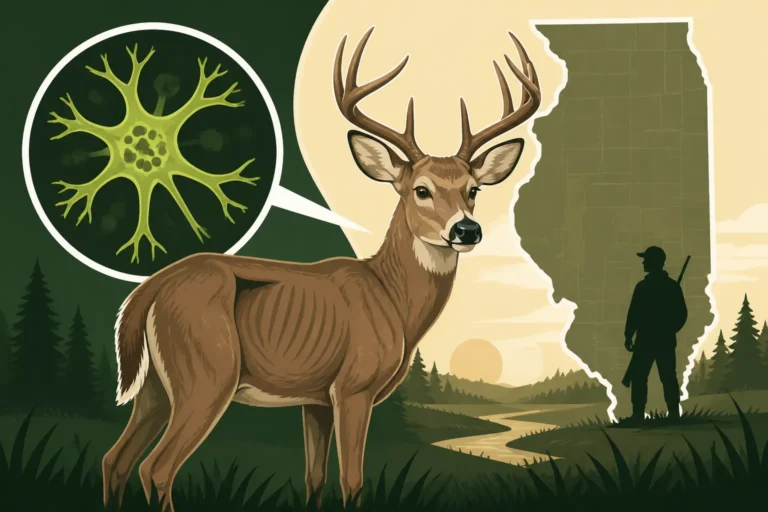
Chronic Wasting Disease is a fatal neurological disease that affects cervids, which include deer, elk, moose, and reindeer. Imagine a brain disease that slowly, relentlessly degrades the animal's nervous system. It's caused by abnormal proteins called prions. These prions aren't like bacteria or viruses; they're incredibly resilient and can persist in the environment for years, even decades. Once a deer is infected, these prions cause normal proteins in the brain to misfold, leading to tiny holes that give the brain a spongy appearance. This progressive damage leads to a variety of symptoms, none of which are good.
Over time, an infected deer will typically exhibit drastic weight loss (hence "wasting"), stumbling, poor coordination, excessive drooling, lethargy, and a blank, vacant stare. They might also show unusual behavior, such as a lack of fear of humans. The tragic reality is that CWD is always fatal; there is no vaccine, no treatment, and no cure. It’s a death sentence for every deer that contracts it, and the incubation period can be incredibly long, sometimes years, meaning a deer can be shedding prions and infecting others long before it shows any outward signs of illness. This makes early detection and containment particularly challenging for wildlife managers.
Why CWD is a Concern for Illinois Hunters
For those of us who cherish the tradition of pursuing White-Tailed Deer Across Illinois, CWD introduces layers of significant concern. First and foremost, there's the health of the herd itself. High prevalence rates in localized areas can lead to population declines and a general weakening of the deer population. This isn't just about hunter success rates; it's about the ecological balance and the future of the species we care deeply about. Seeing a deer suffering from CWD is heartbreaking, and knowing it's a slow, inevitable decline emphasizes the severity of the problem.
Beyond herd health, hunters also face practical and ethical dilemmas. There are concerns, though no direct evidence of human transmission has been found, about consuming venison from CWD-positive animals. This leads to recommendations for testing deer harvested in affected areas. Then there are the potential changes to hunting regulations, such as restrictions on baiting (which can concentrate deer and facilitate spread) or carcass movement rules, all designed to slow the disease's progression. These measures can feel burdensome, but they are implemented with the long-term health of the deer population and hunting traditions in mind. It's about protecting the resource for future generations.
How CWD Spreads Through the Landscape
Understanding how CWD moves through the environment is key to appreciating the challenges of managing it. The primary mode of transmission is direct animal-to-animal contact. Deer interacting at common feeding sites, mineral licks, or even just during their daily movements can pass prions from one to another through saliva, urine, and feces. During the rut, bucks sparring or licking scrapes can also contribute to spread. This direct contact is especially problematic in areas where deer congregate in higher densities.
However, CWD isn't just about direct contact. The prions are incredibly robust and can persist in the soil, plants, and water for extended periods, creating environmental contamination. This means a healthy deer can become infected by simply grazing in an area where an infected deer once stood, urinated, or even where a carcass decomposed. Human activities, such as supplemental feeding or baiting, can inadvertently exacerbate this issue by bringing deer into unnaturally close contact, increasing both direct and indirect transmission risks. Knowing this helps us understand why measures like carcass movement restrictions are so important in Illinois's Chronic Wasting Disease Zone.
Tracing the Path: A History of CWD Prevalence in Illinois
Illinois has been on the front lines of CWD management for over two decades. Understanding the historical trends helps illustrate the persistent nature of this disease.
The First Discoveries and Early Spread
The alarm bells for CWD in Illinois first sounded in 2002 when the disease was detected in Boone County. This marked a critical turning point for wildlife management in the state, as Illinois became one of the first states east of the Mississippi River to confirm CWD in its wild deer population. Suddenly, what had seemed like a distant problem from western states was right on our doorstep. The initial discovery led to intensive monitoring and management efforts. Biologists quickly realized that CWD was not going to be a simple problem to solve, beginning Illinois's Twenty-Three Year Fight Against CWD.
In those early years, the focus was heavily on understanding Why Boone County Became Ground Zero for CWD and preventing further spread. Initial prevalence rates were low but concerning, mainly concentrated in a few northern Illinois counties. The early strategy involved targeted culling, a controversial but often effective method where wildlife managers remove deer from affected areas to reduce population density and, hopefully, the transmission rate. This aggressive approach aimed to keep the disease contained, but the highly mobile nature of deer and the environmental persistence of prions proved to be formidable adversaries. The initial detections laid the groundwork for decades of ongoing research and adaptation in disease management.
Documenting the Southward Expansion
Despite initial containment efforts, CWD slowly but steadily began to expand its footprint beyond the initial northern counties. Early data showed a clear, gradual increase in prevalence rates, particularly in the northern zone. As years turned into a decade, the disease didn't just intensify in existing areas; it started to appear in new counties, creeping southward through the state's diverse landscapes. This geographical progression wasn't a sudden leap but rather a slow, insidious spread, often following river corridors, wooded tracts, and areas with higher deer densities. Hunters often noticed this progression firsthand, as new testing requirements or CWD management zones popped up in counties that were previously thought to be free of the disease.
The continued detection of CWD in counties progressively further south became a significant concern for wildlife biologists and hunters alike. The spread wasn't uniform; some counties saw a rapid increase in detection, while others remained largely unaffected for years. Research into How CWD Spread From Boone County has pointed to a combination of natural deer movement and, potentially, human-assisted spread through carcass transportation. This southward drift highlighted the incredible difficulty of stopping CWD once it establishes a foothold, reinforcing the need for constant vigilance and adaptive management strategies across broader regions of the state. It's a reminder of Why the Disease Keeps Spreading Southward.
Analyzing Regional Hotspots and Trends
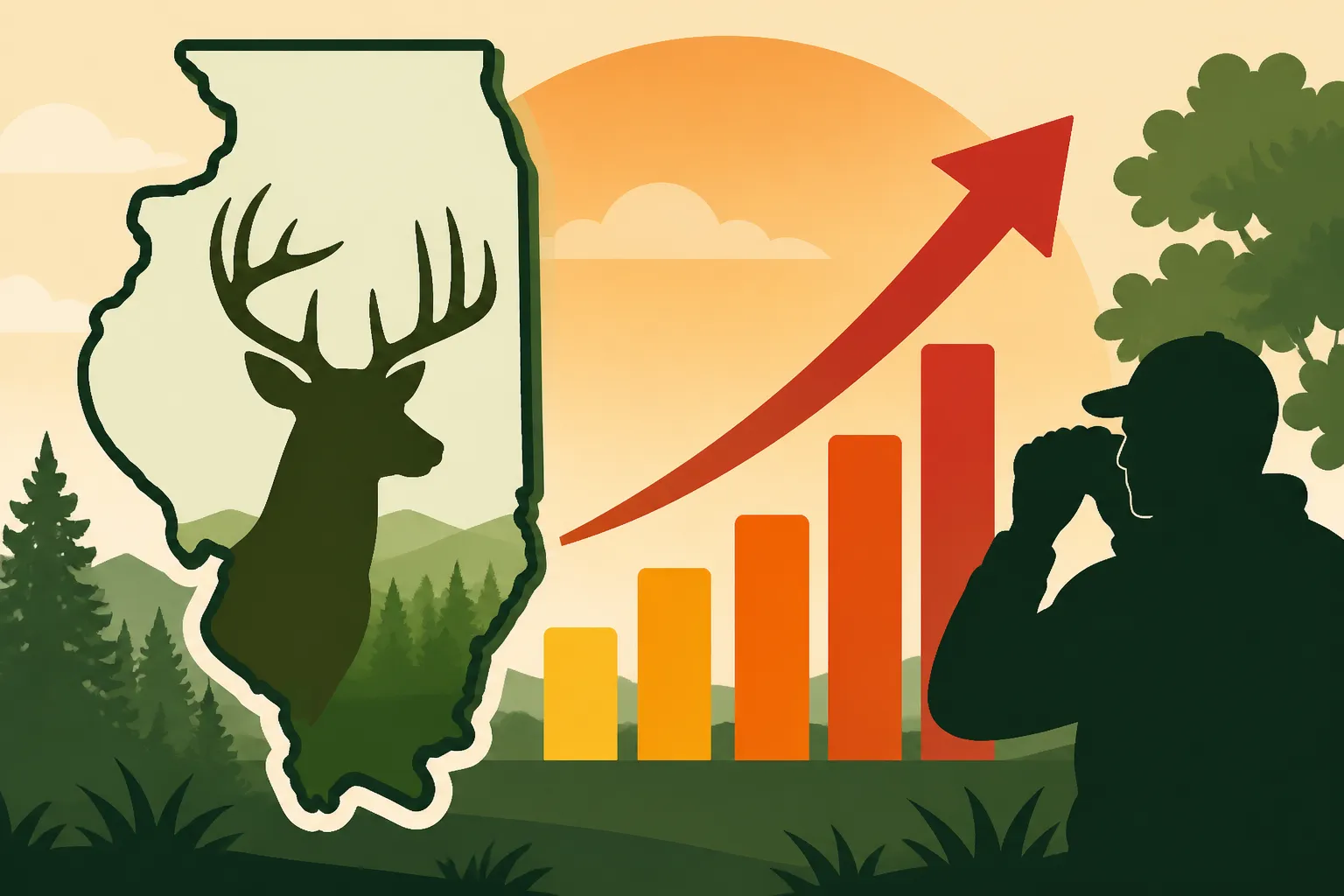
Over two decades, specific regional hotspots have emerged, showing consistently higher CWD prevalence rates compared to other parts of the state. The northern CWD zone, encompassing counties like Boone, Winnebago, McHenry, and DeKalb, has historically shown the highest rates. Here, hunters submitting deer for testing would often find a detectable percentage of samples returning positive. In these core areas, the trends often showed an initial sharp increase in prevalence, followed by a plateau or, in some cases, slight fluctuations. These patterns reflect the challenges of managing a deeply embedded disease.
While the northern zone remains the epicenter, CWD has continued to appear in more central and even isolated southern counties. These newer detections often start with very low prevalence rates, but the concern is that they will follow a similar upward trend as seen in the north. Analyzing Illinois CWD Prevalence in the Northern Zone provides valuable insights into how the disease behaves in established areas, helping predict potential trajectories for newly affected regions. Wildlife agencies constantly analyze these trends, looking for shifts, surges, or areas where their management efforts might be having a positive, albeit localized, impact. These trend analyses are critical for allocating resources and adapting strategies to fight CWD effectively across the state.
Navigating the Present: Understanding Current CWD Data for Hunters
Today, CWD is an undeniable reality for Illinois hunters. Knowing how to interpret the data and understanding your role is more important than ever.
Interpreting Prevalence Rates and What They Tell Us
When you hear talk of "CWD prevalence rates," it simply refers to the percentage of deer tested in a given area that come back positive for the disease. For instance, if 100 deer are tested in a county and 5 are positive, the prevalence rate is 5%. It's a snapshot, but when viewed over time, it reveals trends. These rates are far from uniform across Illinois. Some counties might have prevalence rates near zero, while others, particularly in the long-established northern CWD zone, could see rates that are significantly higher. It's crucial to remember that a low prevalence rate doesn't mean no CWD, and a high rate doesn't mean every deer is infected.
These numbers are vital for guiding management decisions. For the Illinois Department of Natural Resources (IDNR), higher prevalence rates in a specific area might trigger more intensive surveillance, additional testing requirements, or further restrictions to try and slow the spread. For hunters, knowing the prevalence rate in your hunting area can inform your personal decisions, such as whether to get your harvested deer tested or how you handle and process venison. Websites and apps like GoHunt can often provide geographic data overlays that show CWD zones, helping you visualize these rates and plan accordingly. These prevalence figures are the backbone of CWD management, reflecting the ongoing battle against the disease.
The Importance of Mandatory Testing and Hunter Cooperation
One of the most powerful tools in tracking CWD prevalence trends and managing its spread is widespread testing, and hunter cooperation is absolutely essential for this. In areas designated as part of Illinois’s CWD management zone, hunters are typically subject to Mandatory Testing Inside an Illinois CWD County. This means that if you harvest a deer in one of these counties, you are required to submit a sample for CWD testing within a specific timeframe. While it might seem like an extra step after a long day in the field, it's critical. Each submitted sample provides a data point that contributes to the IDNR's understanding of where CWD is, how fast it's spreading, and what the true prevalence rate looks like in that specific location.
The IDNR relies heavily on hunters to provide these samples, as hunters are effectively on the ground, interacting with the deer population more directly than anyone else. They establish check stations, often at state parks, Fish and Wildlife Areas, or designated drop-off sites, making it as convenient as possible for hunters to submit their samples. Finding an Illinois CWD Sampling Location is usually straightforward, with information readily available on the IDNR website. Without this collective effort from the hunting community, wildlife managers would be largely blind, unable to make informed decisions to protect the herd. Your participation in testing is a direct contribution to conservation and the future of hunting in Illinois.
Carcass Movement Restrictions and Safe Practices
To curb the spread of CWD, especially from known hotspots to unaffected areas, Illinois has implemented strict carcass movement restrictions. This is a critical piece of the puzzle, acknowledging that hunters, while well-intentioned, could inadvertently spread prions if not careful. The general rule is that certain parts of a deer harvested in a CWD-positive county cannot be transported out of that county, or out of the CWD zone, unless specific conditions are met. These conditions typically include deboned meat, antlers (without brain matter attached), hides, and clean skull plates. Brain and spinal cord material, which harbor the highest concentrations of prions, are the primary concern.
Understanding Moving a Deer Carcass Out of a CWD County isn't just a regulatory obligation; it's a responsible hunting practice. For hunters traveling across county lines or returning to their homes in different parts of the state, proper field dressing and processing at the kill site or within the harvest county are paramount. This means leaving the head, spinal column, and other high-risk parts behind, ideally at an approved disposal site. It’s a proactive measure designed to prevent a CWD-positive deer harvested in, say, Jo Daviess County, from potentially introducing prions to a previously unaffected county hundreds of miles away. Adhering to these rules helps protect the state's entire deer herd and ensures that hunting remains viable in all regions.
Looking Ahead: The Future of CWD and Your Role
CWD is a long-term challenge, but our collective efforts as hunters and conservationists can make a difference.
Management Strategies and Future Outlook
The fight against CWD is far from over, and wildlife agencies across Illinois continue to adapt their management strategies as new information emerges and prevalence rates shift. There is no simple solution or magic bullet for CWD; it's a chronic issue that requires a multi-faceted approach. This includes ongoing surveillance and testing, adaptive harvest strategies in affected areas to manage deer densities, and educational outreach to hunters and landowners. The IDNR continuously analyzes the data collected from hunter-submitted samples to fine-tune these strategies. While initial aggressive measures like targeted culling (sharpshooting) were implemented in the early years to reduce prevalence, the decision to suspend these efforts, as detailed in What Ending Sharpshooting Means for Hunters, shifted the focus more towards hunter harvest and broader mitigation strategies.
Looking ahead, the outlook involves a commitment to long-term monitoring and continued research. Scientists are constantly exploring new methods for detection, understanding prion behavior, and even potential genetic resistance in deer. For hunters, this means we can expect CWD to remain a factor in Illinois deer hunting for the foreseeable future. The goal isn't necessarily eradication, which many experts believe is unrealistic, but rather containment and mitigation – keeping prevalence rates as low as possible and preventing widespread ecological impacts. Our continued cooperation with management efforts is the most powerful tool we have.
Becoming a Proactive and Informed Hunter
In the face of CWD, simply being aware isn't enough; being proactive and informed is key to making responsible choices and contributing positively to herd health. This means staying up-to-date with the latest regulations and CWD-related news from the IDNR. Don't rely on outdated information or rumors. The IDNR website is always your best source for current CWD zones, testing requirements, and carcass disposal guidelines. Understanding these details before you head afield can prevent compliance issues and help you act as a steward of the resource.
Beyond official channels, utilizing modern hunting tools can significantly enhance your awareness. Platforms like GoHunt, for example, often integrate mapping layers that highlight CWD management zones and public land access, allowing you to plan your hunts with CWD data in mind. This means you can identify potential testing sites near your hunting area or plan your processing strategy based on local regulations. Being proactive also extends to your personal hunting practices: avoid baiting or artificial feeding that can concentrate deer, and be diligent about proper carcass handling. Every hunter has a role to play in slowing the spread and protecting the herd.
Responsible Hunting for Herd Health
Ultimately, the burden of managing CWD falls heavily on the shoulders of Illinois hunters, not as a punishment, but as an ethical responsibility. Your actions in the field directly contribute to the health of the deer herd and the future of hunting. This includes actively participating in mandatory CWD testing when hunting in designated areas and following all carcass movement restrictions. These measures, while sometimes inconvenient, are vital for collecting accurate data and preventing further transmission. Furthermore, if you encounter a deer that appears sick or exhibits signs consistent with CWD, it’s crucial to report it to the IDNR. Learning how to identify and then Reporting a Sick Animal in Illinois helps biologists track the disease and remove affected animals from the landscape, reducing the environmental load of prions.
Beyond specific CWD protocols, being a responsible hunter also means supporting healthy herd management practices in general. This includes understanding and adhering to antlerless harvest guidelines, which help manage overall deer populations and prevent overpopulation that can exacerbate disease spread. By embracing these responsibilities, we become more than just participants in a sport; we become active conservationists, protecting the long-term health of White-Tailed Deer Across Illinois for ourselves and for future generations who will inherit our hunting traditions.
| Year Range (Hypothetical) | Northern CWD Zone (Prevalence Trend) | Southern Monitoring Zone (Prevalence Trend) |
|---|---|---|
| Early 2000s | Initial Detections, Rapid Increase | Not Detected, Low Risk |
| Mid-2000s | Continued Increase, Hotspots Emerge | Occasional Detections, Slow Spread |
| Late 2000s | Plateauing in Core Areas, Expansion | Gradual Increase in Isolated Pockets |
| Early 2010s | Fluctuations, Sustained High Rates | Continued Detection in New Counties |
| Mid-2010s | Steady High Levels, Wider Distribution | More Frequent Detections, Growing Concern |
| Recent Years | Persistent Highs, Management Focus | Accelerating Spread, Increased Monitoring |
Disclaimer
This article is for general informational purposes only and does not constitute professional advice. Laws, prices and regulations vary by location and change over time. Consult a qualified professional for guidance on your specific situation.