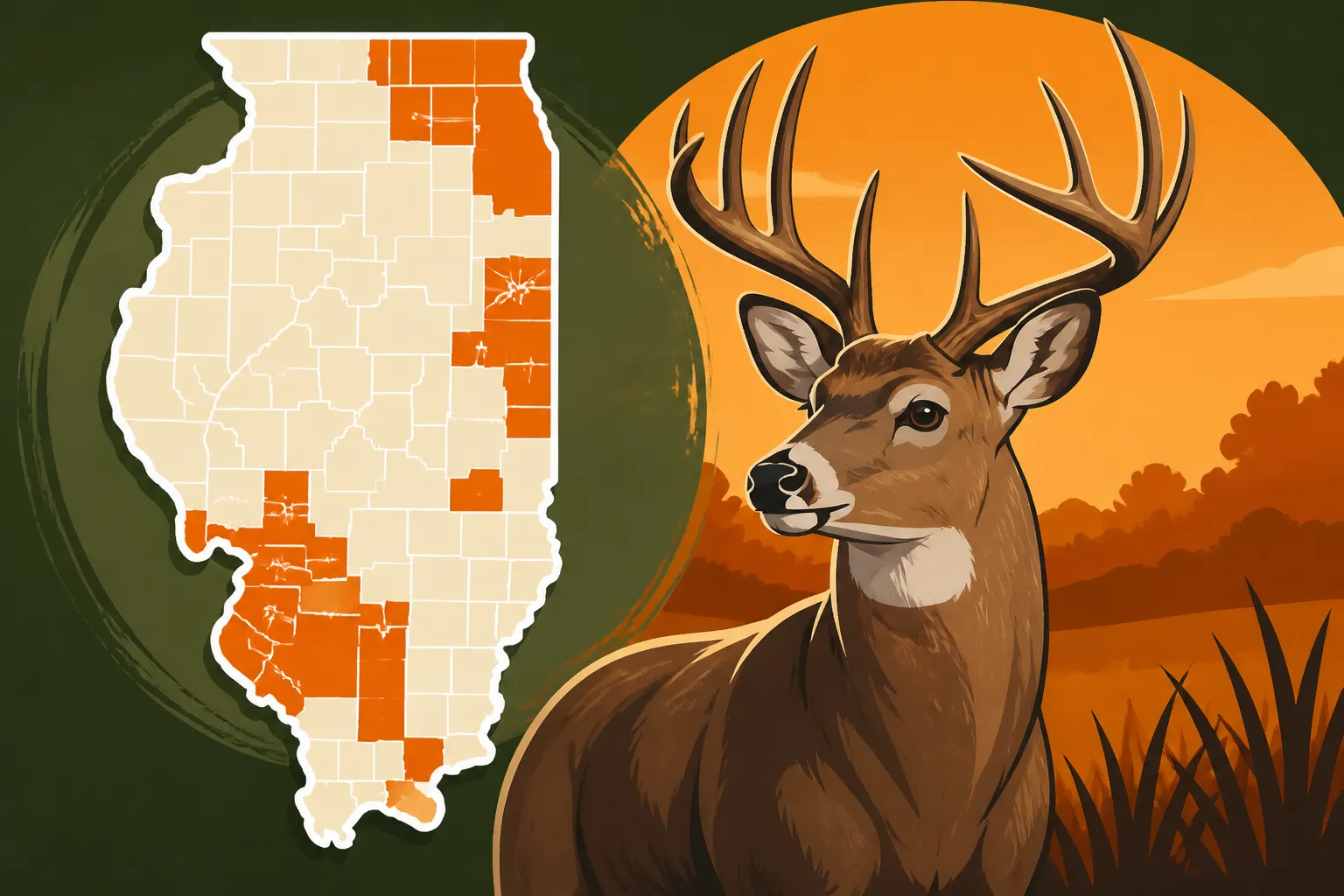
Illinois’s Twenty-Eight CWD Counties
Dealing with Chronic Wasting Disease (CWD) is a deeply frustrating reality for deer hunters in Illinois. It adds layers of complexity and concern to a pursuit that many of us cherish as a way to connect with nature and provide food for our families. The fear of harvesting a CWD-positive animal, the confusion over regulations, and the general uncertainty about the future of our deer herd can be incredibly disheartening. This comprehensive guide aims to clear up some of that confusion, offering a detailed look at Illinois's twenty-eight CWD counties, what the disease means for hunters, and how we can all adapt to hunt responsibly in these challenging times.
Understanding Chronic Wasting Disease and Its Impact
Chronic Wasting Disease is a serious concern for anyone who hunts deer in Illinois, and frankly, across North America. It's a neurological disease that affects deer, elk, moose, and caribou, gradually deteriorating their brains and eventually leading to death. What makes it so insidious is that it's always fatal, there's no cure, and it can linger in the environment for a very long time.
What CWD Is and How It Spreads
At its core, CWD is caused by abnormal proteins called prions. These prions aren't like bacteria or viruses; they're misfolded proteins that cause normal proteins in the animal's brain to misfold as well. Think of it like a zombie apocalypse for brain cells – one bad actor infects the others, and the damage spreads silently and relentlessly. Deer can contract CWD through direct contact with an infected animal, but more commonly, they pick it up from the environment. Infected deer shed prions through their saliva, urine, and feces. These prions then bind to soil particles and vegetation, persisting for years, even decades, making it incredibly difficult to eradicate once it's established in an area. This environmental persistence is why CWD is such a persistent problem, especially in areas with high deer densities where contact is more frequent and the environment becomes saturated with prions.
The incubation period for CWD can be long, often spanning 18 to 24 months, sometimes even longer. This means a deer can be infected and shedding prions into the environment long before it shows any visible symptoms. This silent spread is a major challenge for disease management, as hunters and wildlife managers often don't realize there's a problem until the disease is already widespread within a local herd. Furthermore, studies have shown that CWD can also spread from a pregnant doe to her fawns, ensuring that the disease can be passed down through generations within a population.
The Devastating Effects on Deer Populations
The long-term effects of CWD on a deer population are profoundly concerning. While it might not cause a dramatic, sudden die-off like hemorrhagic disease (EHD) can, its slow, relentless progression leads to a gradual decline in herd health and numbers. Infected deer become emaciated, exhibit abnormal behaviors like listlessness, excessive salivation, and a lack of fear of humans, and eventually die. This not only removes individual animals from the population but also impacts their reproductive success, further stressing the herd.
Beyond the individual animal, CWD can lead to demographic shifts in deer populations. As more deer become infected and die, hunters might notice fewer mature bucks, a decrease in overall deer sightings, and a general decline in the vitality of the herd. The disease can also make a population more susceptible to other illnesses or environmental stressors, creating a compounding effect that's detrimental to the long-term health of Illinois's deer. For hunters, this means the quality of hunting can diminish, and the concern about consuming venison from a potentially infected animal looms large, adding a layer of ethical consideration to every harvest.
The History of CWD in Illinois
Illinois has been on the front lines of the CWD battle for over two decades. Our state's experience with the disease highlights just how challenging it is to manage and how important continuous monitoring and hunter cooperation are.
Initial Discovery and Early Containment Efforts
Chronic Wasting Disease first reared its ugly head in Illinois in 2002, detected in a white-tailed deer harvested in Boone County. This was a significant and alarming discovery, marking the first time CWD was found east of the Mississippi River in a free-ranging deer population. The immediate reaction from the Illinois Department of Natural Resources (IDNR) was to launch aggressive surveillance and management efforts to contain the spread. Initially, these efforts focused on targeted culling programs in affected areas, where sharpshooters were deployed to reduce deer densities in an attempt to curb transmission. The hope was that by rapidly reducing the number of potential carriers, they could prevent the disease from establishing a strong foothold and spreading further.
In those early days, the primary goal was containment, much like putting out a brush fire before it becomes a wildfire. The IDNR implemented mandatory deer testing in specific counties, urging hunters to submit their harvested deer for sampling. This comprehensive approach allowed biologists to track the spread of the disease and identify emerging hotspots. Hunters played a crucial role, often on the front lines, helping to gather the necessary data. The early focus was heavily on the northern Illinois counties, particularly around the initial discovery site, as biologists worked tirelessly to understand the disease's prevalence and distribution within the state. You can learn more about how the disease first spread from Boone County and the state's ongoing efforts.
Evolution of CWD Management Strategies
Over the years, Illinois's approach to CWD management has had to evolve as the understanding of the disease, and its spread, deepened. The initial aggressive culling strategies, while effective in reducing deer densities in specific, localized areas, proved to be unsustainable and logistically challenging on a larger scale. There was also a significant public perception challenge with widespread culling, despite its scientific basis. The IDNR recognized the need for a more integrated approach that balanced disease management with maintaining healthy deer populations and respecting hunter traditions.
Today, the strategy is less about eradication and more about slowing the spread and managing prevalence rates to keep them as low as possible. This involves a multi-pronged approach: continued surveillance through hunter-submitted samples, targeted management in high-prevalence areas, educational outreach to hunters, and strict regulations on carcass movement. For example, the IDNR has actively encouraged hunters to harvest additional antlerless deer in CWD-affected counties, recognizing that reducing overall deer numbers is key to reducing transmission risk. While the IDNR suspended targeted culling in some areas, the agency continues to implement management strategies focused on preventing further spread. This adaptive strategy acknowledges the persistence of CWD and aims to empower hunters as crucial partners in long-term management. Knowing where to find an Illinois CWD sampling location is more important than ever.
The Twenty-Eight CWD Counties Defined
Understanding which counties are designated as CWD areas is critical for any hunter in Illinois. These designations aren't arbitrary; they're based on scientific data from years of surveillance and testing, identifying where the disease has been detected in wild deer populations.
Identifying Affected Regions and Boundaries
As of the latest information, Illinois has twenty-eight counties officially designated as CWD counties. These counties are primarily concentrated in the northern and north-central parts of the state, radiating outwards from the initial discovery in Boone County. It's not just a small pocket anymore; the CWD zone has expanded considerably over the past two decades. Knowing the precise boundaries is crucial because regulations can differ significantly once you cross into one of these designated areas. For example, transporting whole carcasses out of these counties is strictly regulated to prevent further geographical spread.
You can often find detailed maps of these CWD counties on the Illinois Department of Natural Resources (IDNR) website, which are regularly updated. Many hunting apps, such as GoHunt, also integrate this information into their land navigation layers, making it easier for hunters to identify if their hunting grounds fall within a CWD zone. These maps are invaluable tools for planning your hunt, especially if you're traveling across county lines or hunting near the edge of a CWD-affected area. Being aware of the overall Illinois's Chronic Wasting Disease Zone helps you understand the broader landscape of the disease.
Here's a list of the 28 counties designated as CWD counties in Illinois:
| Region | CWD Counties |
|---|---|
| Northern Illinois | Boone, Carroll, DeKalb, Jo Daviess, Kane, Kendall, Lake, LaSalle, Lee, McHenry, Ogle, Stephenson, Winnebago |
| Central Illinois | Bureau, Clark, Clinton, Coles, Crawford, Douglas, Effingham, Fayette, Grundy, Henry, Jefferson, Livingston, Marion, Monroe, Peoria, Sangamon, Scott, Stark, Whiteside, Will (Note: Some of these counties may have only specific townships designated as CWD managed, always verify current maps.) |
Please note: The exact number and specific designation of CWD counties can change over time as new detections occur or as management strategies evolve. Always consult the most current IDNR resources for the absolute latest information.
Specific Regulations and Concerns in CWD Zones
Hunting in a CWD-designated county comes with a specific set of regulations designed to mitigate the spread of the disease. The most prominent of these is often the requirement for mandatory CWD testing for deer harvested during certain firearm seasons. For instance, during the first and second firearm deer seasons, hunters harvesting a deer in a CWD county may be required to bring their deer to a designated CWD sampling station for testing. This is not just a suggestion; it's a critical part of the state's surveillance program to monitor disease prevalence and geographical spread.
Beyond testing, there are stringent rules regarding carcass movement. If you harvest a deer in a CWD county, you generally cannot transport the whole carcass out of that county or an adjacent CWD county. Only certain parts are allowed to leave: boned-out meat, antlers attached to a clean skull plate, hides, and taxidermied products. This regulation is specifically designed to prevent the physical movement of prions, which are most concentrated in the brain, spinal cord, and lymphatic tissues, to unaffected areas. Violating these rules can carry significant penalties and, more importantly, poses a serious risk to healthy deer populations in other parts of the state. Knowing about Illinois Carcass Movement Restrictions is paramount.
Another common regulation in CWD counties is often extended antlerless deer seasons or increased antlerless harvest opportunities. The rationale here is that reducing the overall deer density can help to slow the rate of CWD transmission within the herd. For hunters, this might mean a chance to purchase additional antlerless permits specifically for these counties, offering more hunting opportunities while contributing to disease management efforts. While specific rules can vary slightly year to year, understanding these fundamental differences between CWD and non-CWD counties is essential for responsible hunting.
Mandatory Testing and Carcass Movement Restrictions
Navigating the rules for CWD testing and carcass movement can feel like a maze, but it's a critical part of being a responsible hunter in Illinois, especially in a CWD-affected county. These regulations are in place for good reason: to protect our deer herd and slow the insidious spread of CWD.
Hunter Responsibilities for Testing and Sampling
When you hunt in an Illinois CWD county, your responsibilities extend beyond just ethical hunting practices. During specific deer seasons, particularly the firearm seasons, there may be mandatory CWD testing requirements. This means if you harvest a deer, you're expected to take it to a designated CWD sampling station within a specified timeframe. These stations are typically set up at various locations, like specific check stations, regional IDNR offices, or even some local butcher shops that partner with the state. The process usually involves trained personnel collecting lymph node samples from your deer, which are then sent to a lab for analysis.
It's absolutely crucial to check the current Illinois hunting regulations and specific county guidelines before you head out. These requirements can change from year to year, and not all counties have mandatory testing at all times. The GoHunt app, for example, often provides up-to-date information on CWD zones and testing station locations, which can be incredibly helpful for planning. While waiting for test results can be a bit nerve-wracking, it's a small price to pay for contributing to the health of the herd and ensuring the safety of your venison. You'll find comprehensive information on Illinois CWD testing for hunters through IDNR channels.
Rules for Transporting Deer Out of CWD Counties
The rules surrounding carcass movement are perhaps the most misunderstood and, if violated, can have the most far-reaching negative consequences. To put it simply: you cannot take a whole deer carcass out of an Illinois CWD county (or an adjacent non-CWD county that is part of the managed zone). This rule is paramount because the prions that cause CWD are most concentrated in the brain, spinal cord, spleen, and lymph nodes. Transporting these tissues indiscriminately could easily introduce CWD to new, currently unaffected areas, undoing years of management efforts.
So, what can you transport? Permitted items typically include boned-out meat, antlers (attached to a clean skull plate, with all brain and spinal cord tissue removed), hides (without the head), and finished taxidermy mounts. Essentially, anything that could carry the CWD prions needs to stay within the CWD management area or be processed there in a way that removes the high-risk tissues. This often means field dressing your deer thoroughly and potentially taking it to a local processor within the CWD county to have it professionally butchered before heading home. While this might add an extra step to your hunt, it's a vital step in preventing the further spread of CWD. Always verify the most up-to-date Illinois Carcass Movement Restrictions before your hunt.
Hunting Strategies and Safety in CWD Areas
Hunting in CWD-affected areas introduces new considerations that can influence your strategy and how you approach post-harvest care. It's not just about finding deer anymore; it's about doing so responsibly and safely.
Adjusting Your Approach in High-Prevalence Areas
When hunting in a CWD-positive county, especially one with a higher prevalence rate, your hunting strategy might need some thoughtful adjustments. The IDNR often encourages increased harvest of antlerless deer in these zones. This isn't about eradicating the deer but about reducing the overall population density, which can help limit deer-to-deer contact and slow the spread of the disease. As a hunter, this means being open to harvesting does, perhaps even prioritizing them if you're holding multiple tags. This can be a significant shift for some who primarily focus on antlered bucks, but it's a direct way to contribute to herd health.
Furthermore, hunters might find that deer behavior is subtly altered in high-prevalence areas. While grossly symptomatic deer are rare, a general decline in herd health or shifts in movement patterns could occur. For instance, some research suggests CWD might impact deer home ranges or social structures. Paying close attention to signs of illness, such as excessive drooling, extreme emaciation, or uncharacteristic behavior, becomes even more important. While it's unlikely you'll encounter a visibly sick deer, recognizing these signs is crucial. Using detailed maps, perhaps integrated with a tool like GoHunt, to understand deer density and CWD hot zones can help you adjust your Scouting Illinois Public Land Before Season plans accordingly, focusing on areas with healthier populations if possible, or embracing the antlerless harvest recommendations.
Best Practices for Handling and Processing CWD-Positive Deer
The thought of harvesting a CWD-positive deer can be unsettling, but knowing how to handle it properly is key. If your deer tests positive for CWD, the IDNR will contact you with specific instructions, which often involve disposing of the carcass in a designated landfill. While some studies suggest a very low risk of CWD transmission to humans, the CDC and WHO recommend not consuming meat from CWD-positive animals. This is a personal decision, but caution is always the wisest path.
For handling any deer in a CWD area, regardless of testing status, follow these best practices:
- Wear Gloves: Always wear latex or nitrile gloves when field dressing and processing deer. This is a good general hygiene practice, but especially important in CWD areas.
- Minimize Contact with High-Risk Tissues: Avoid cutting into the brain, spinal cord, or lymph nodes. If you're doing your own butchering, bone out the meat and leave the spinal column and skull at the site of kill or dispose of them according to IDNR guidelines.
- Clean Your Tools Thoroughly: After processing, thoroughly clean and disinfect knives, saws, and any other equipment used. A diluted bleach solution (50/50 bleach and water) is effective for disinfecting tools and surfaces that came into contact with deer tissue.
- Proper Disposal: If you're butchering at home, dispose of any high-risk parts (brain, spinal cord, spleen, lymph nodes) and unused carcass parts in a sealed garbage bag for landfill disposal. Do not dispose of them on your property or in other natural areas, as prions can persist in the environment.
- Consider Professional Processing: Many hunters in CWD counties choose to take their deer to a reputable, state-approved butcher. These processors are typically aware of CWD protocols and can ensure proper handling and disposal of high-risk tissues. They also offer valuable services like vacuum-sealing and preparing your venison. More details can be found on Handling Venison From an Illinois CWD County.
By adhering to these safety measures, you not only protect yourself but also play an active role in preventing the further spread of CWD within the Illinois deer herd.
The Future of CWD in Illinois and Hunter Involvement
The fight against CWD is a long-term commitment, and Illinois is no exception. While the challenges are significant, the future of CWD management largely hinges on continued scientific effort and, critically, the active participation of the hunting community.
Ongoing Monitoring and Research Efforts
The Illinois Department of Natural Resources, along with university researchers and federal agencies, continues to pour resources into CWD monitoring and research. This isn't a static problem; it requires constant vigilance and adaptation. Ongoing monitoring involves collecting thousands of deer samples annually from hunters across the state to track prevalence rates, identify new hotspots, and understand the disease's geographical spread. This data, often published in the Reading an Illinois Harvest Report, helps biologists make informed decisions about management strategies and identify trends in the disease. For instance, data might show if certain age classes or sexes of deer are more susceptible, or if environmental factors are playing a larger role than previously understood.
Research efforts are equally vital. Scientists are working on everything from developing more efficient and accurate diagnostic tests to exploring potential vaccines or therapies (though these are still a long way off for wild populations). There's also significant research into understanding how prions interact with soil and vegetation, how long they persist, and what might be done to mitigate their environmental presence. This scientific backbone is what informs our management practices and provides hope for more effective solutions in the future. The IDNR’s continued monitoring, as highlighted in reports on Illinois's Twenty-Three Year Fight Against CWD, demonstrates a long-term commitment to this complex issue.
How Hunters Can Contribute to Management
Hunters are, without a doubt, the most important partners in CWD management. You are the eyes and ears in the field, and your cooperation is absolutely essential for the success of any statewide strategy. Here’s how you can make a real difference:
- Comply with Regulations: This is the most fundamental step. Understand and adhere to all CWD-related regulations, including mandatory testing requirements in specific counties and carcass movement restrictions. Ignorance of the law is no excuse, and compliance helps everyone.
- Submit Samples: If you hunt in a CWD-affected county, make it a priority to submit your harvested deer for testing if required or strongly encouraged. Every sample provides valuable data that helps biologists track the disease.
- Report Sick Deer: If you observe a deer exhibiting signs of CWD (emaciation, abnormal behavior, drooling, lack of fear), report it immediately to the IDNR. Do not attempt to harvest or approach the animal. Your report can help pinpoint new areas of concern.
- Support Increased Antlerless Harvest: In CWD management zones, consider harvesting additional does when permitted. Reducing overall deer density is a proven strategy to slow CWD transmission.
- Educate Yourself and Others: Stay informed about the latest CWD information from the IDNR and reputable sources. Share accurate information with your hunting buddies and local community. There's a lot of misinformation out there, and informed hunters are a strong line of defense.
- Proper Carcass Disposal: Always dispose of high-risk parts (brain, spinal cord, etc.) and any unused portions of a deer carcass in a secure landfill. Never leave them in the woods or areas where other deer might access them.
- Cleanliness: Maintain rigorous hygiene practices when field dressing and processing deer, including wearing gloves and thoroughly sanitizing equipment.
By taking these steps, hunters become active participants in the long-term health of Illinois’s deer herd, ensuring that future generations can continue to enjoy the rich tradition of hunting. The collective effort of thousands of hunters can truly make a difference in slowing the spread and mitigating the impact of CWD.
Disclaimer
The information provided in this guide is for general educational purposes and informational intent only. While we strive to provide accurate and up-to-date content, hunting regulations, CWD management protocols, and county designations are subject to change. Always consult the official Illinois Department of Natural Resources (IDNR) website and current hunting handbooks for the most accurate and legally binding information before participating in any hunting activities. Hunters are responsible for understanding and adhering to all applicable state and federal laws and regulations.