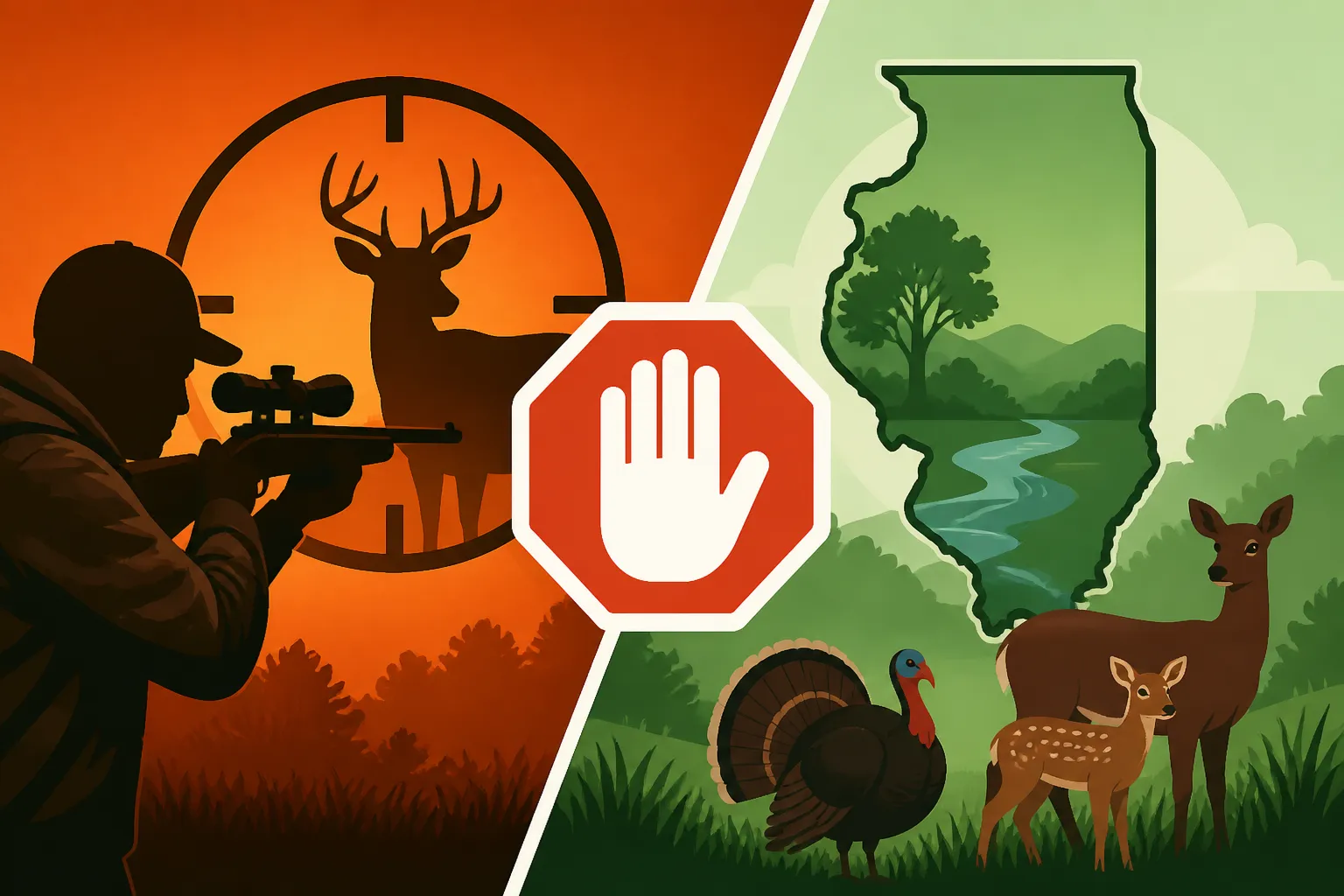
Why IDNR Suspended Targeted Culling
It's tough to witness the persistent challenges facing our deer herds, especially when it comes to something as devastating as Chronic Wasting Disease. For years, hunters and wildlife managers alike have grappled with finding the most effective ways to slow its relentless spread. This guide will delve into the Illinois Department of Natural Resources' (IDNR) decision to suspend targeted culling, explaining the reasons behind this significant shift in strategy and what it means for the future of deer management in our state.
The Persistent Threat of Chronic Wasting Disease in Illinois
Chronic Wasting Disease (CWD) casts a long shadow over deer populations across North America, and Illinois is no exception. It’s a topic that brings a lot of frustration and concern to hunters who care deeply about the health of our deer. Understanding the nature of this disease and how it establishes itself is crucial to grasping why management strategies have had to evolve.
Understanding CWD and Its Spread
CWD is a neurological disease that affects cervids, including white-tailed deer, mule deer, elk, and moose. It's caused by abnormal proteins called prions, which slowly accumulate in the brain and other tissues, leading to inevitable death. There's no cure, no vaccine, and once an animal contracts it, its fate is sealed. The progression of the disease is slow and insidious, often taking months or even years before an infected animal shows obvious symptoms. These symptoms can include drastic weight loss (hence "wasting"), stumbling, drooling, listlessness, and a lack of fear of humans. It's heartbreaking to see.
The insidious nature of CWD lies not just in its fatality but in its method of transmission. Infected animals shed these prions through their saliva, urine, and feces. These prions are incredibly hardy and can persist in the soil and environment for years, even decades, meaning an area where an infected deer once roamed can remain a source of infection long after the animal is gone. This environmental persistence makes managing CWD an incredibly complex challenge. Learning more about the disease helps to understand the scope of the problem. For a deeper dive into the specifics, you can explore resources like Chronic Wasting Disease in Illinois Deer.
Early Efforts to Contain the Disease
When CWD was first detected in Illinois in 2002, specifically in Boone County, it was a wake-up call for the IDNR and the hunting community. The initial approach was aggressive, focusing on intense surveillance and depopulation efforts, often referred to as "targeted culling" or sharpshooting. The idea was to quickly reduce deer numbers in identified hot spots to limit the spread of the disease before it could take a firm foothold. This involved state agencies or hired contractors systematically removing deer, particularly in areas with confirmed cases.
These early strategies were driven by a desire to act decisively against a novel and terrifying threat. The hope was that by rapidly reducing deer density, especially infected individuals, the IDNR could contain CWD to localized areas and potentially eradicate it. It was a massive undertaking, requiring significant resources and often facing public scrutiny and emotional responses from local communities. The early days were marked by a steep learning curve for everyone involved, trying to figure out the best way forward with limited precedents for such an aggressive disease. To understand the early patterns, it's helpful to look at how the disease first appeared and how it began to spread from its initial detection point, which is covered in topics like How CWD Spread From Boone County.
The Evolution of CWD Management Strategies in Illinois
Over two decades, the IDNR's approach to CWD management has had to adapt significantly. What seemed like a logical and aggressive solution in the early 2000s began to show its limitations and generate new challenges. This evolution reflects a growing understanding of the disease itself and the practical realities of managing wildlife in a complex landscape.
The Role of Targeted Culling in Past Management Plans
For a significant period, targeted culling was a cornerstone of Illinois's CWD management strategy. The primary goal was to reduce the overall deer population density in affected areas, thereby theoretically decreasing the chances of deer interacting and transmitting prions. Secondly, it aimed to specifically remove known infected animals or those in close proximity to confirmed cases, effectively "cleaning" a localized area. IDNR staff, often working in conjunction with USDA Wildlife Services, would conduct sharpshooting operations, typically at night, to reduce deer numbers in specific CWD management zones. This was often done during periods outside of regular hunting seasons to avoid conflicts and maximize efficiency.
The intent was always to be proactive and aggressive, based on the best available science at the time. Sharpshooting offered a way to control herd numbers in areas where hunter harvest might not be sufficient or where access for hunters was limited. These efforts were concentrated in the CWD-positive counties, primarily in northern Illinois, attempting to create a buffer or slow the expansion into new territories. It was a resource-intensive effort, both in terms of personnel and funding, but it was seen as a necessary measure to combat a highly contagious and fatal disease. For a more comprehensive look at Illinois's long-term fight against CWD, you might consider reading Illinois's Twenty-Three Year Fight Against CWD.
Public Perception and Challenges with Sharpshooting
While scientifically driven, the practice of sharpshooting deer inevitably stirred a significant amount of public debate and concern. Many hunters, conservationists, and the general public found the methods distressing, questioning the ethics of culling animals outside of traditional hunting seasons, especially in areas where communities felt a strong connection to local deer populations. There were often visible signs of these operations, leading to emotional responses and sometimes outright opposition from residents. This created a challenging environment for IDNR, balancing scientific necessity with public sentiment.
Beyond the emotional aspect, sharpshooting also presented considerable logistical and practical challenges. It was incredibly expensive to maintain these programs year after year, diverting funds and personnel that could be used for other conservation efforts. Accessing private lands for culling operations was also a constant hurdle, and navigating urban or suburban areas where deer populations were high, but firearm discharge was restricted, added layers of complexity. Furthermore, the sheer scale of the landscape and the reproductive capacity of deer meant that even intensive culling efforts often felt like trying to empty an ocean with a bucket, making it hard to see a definitive, long-term impact on the disease's overall trajectory.
Why the IDNR Shifted Away from Targeted Culling
The decision to suspend targeted culling wasn't made lightly. It came after years of observation, data analysis, and a re-evaluation of its effectiveness given the relentless nature of CWD. The IDNR, like wildlife agencies across the nation, continuously reviews its strategies to ensure they are the most efficient and impactful in the face of evolving challenges.
Efficacy Concerns and Data Review
One of the primary drivers behind the shift was a growing body of evidence suggesting that targeted culling, while effective at a hyper-local level in reducing immediate deer numbers, wasn't achieving the desired large-scale containment or reduction in CWD prevalence. Studies and long-term monitoring indicated that despite significant efforts, CWD continued its slow, persistent spread across the Illinois landscape. The sheer number of prions already in the environment, coupled with the disease's long incubation period, meant that even aggressive removal of deer didn't seem to halt the inevitable expansion. It felt like playing whack-a-mole; as soon as one area was addressed, another would pop up, or the disease would reappear in the "cleaned" area due to environmental prions or deer movement.
This led to a critical re-evaluation of resource allocation. Was investing millions of dollars and countless staff hours into a program that wasn't delivering clear, widespread results the most responsible use of limited conservation funds? The data suggested that the return on investment for targeted culling was diminishing, and its sustained impact on the broader CWD problem was questionable. It became clear that a new approach was needed, one that was more sustainable and integrated with the wider hunting community. Understanding this shift is key to comprehending the future of management, as detailed in resources like What Ending Sharpshooting Means for Hunters.
Resource Allocation and Practical Limitations
Beyond efficacy, the sheer cost and logistical demands of running a continuous, statewide sharpshooting program became unsustainable. Illinois has a vast deer population spread across diverse landscapes, from dense northern suburbs to expansive southern forests and central Illinois farmlands. Deploying dedicated teams year-round, securing access, processing culled animals, and managing public relations for such an effort was an immense undertaking that stretched the IDNR's budget and personnel thin. These resources are finite, and their allocation directly impacts other vital conservation programs, such as habitat restoration, public land maintenance, and research into other wildlife issues.
Consider the practicalities: sharpshooting often requires specialized equipment, trained personnel, and around-the-clock operations. In more populated areas, it also requires careful coordination with law enforcement and local communities, adding layers of complexity. As CWD spread to more counties, the scope of the problem grew beyond what any single agency could reasonably manage through direct population control alone. The IDNR recognized that a different, more integrated strategy was necessary, one that leveraged the passion and participation of the state's hunting population as a primary management tool.
The Current CWD Management Philosophy
With the suspension of targeted culling, the IDNR has pivoted to a strategy that places a much greater emphasis on the role of hunters and a broader approach to education and research. This shift acknowledges the invaluable contribution of hunters to wildlife management and seeks to empower them as active participants in the fight against CWD.
Emphasizing Hunter Harvest and Voluntary Testing
The cornerstone of the current CWD management strategy in Illinois is harnessing the power of the hunting community. Hunters are already on the ground, actively pursuing deer, and collectively they remove far more animals from the landscape than any targeted culling program ever could. The IDNR is now focused on educating hunters about the importance of increased harvest, particularly of does, in CWD-positive areas. Reducing the overall deer density through hunter harvest is seen as the most sustainable and cost-effective way to slow disease transmission. This means hunters are encouraged to fill their tags, especially antlerless permits, to help keep deer numbers in check.
Alongside this, a robust system of voluntary (and sometimes mandatory) CWD testing is in place. Hunters are strongly encouraged to submit their harvested deer for testing, particularly those taken in CWD management zones. This data is absolutely crucial for the IDNR to monitor the disease's prevalence and spread, identify new hot spots, and understand the effectiveness of current strategies. Without this hunter-provided data, the state would be largely blind to the true scope of the CWD problem. The convenience of submitting samples at designated drop-off sites or check stations makes participation easier for hunters. For detailed information on testing procedures and locations, refer to resources like Illinois CWD Testing for Hunters.
Research, Education, and Habitat Management
Beyond hunter harvest, the IDNR is continuing its commitment to cutting-edge research and comprehensive public education campaigns. Research plays a vital role in understanding the nuances of CWD transmission, prion persistence, and potential long-term solutions. This includes studying deer movement patterns, the genetic resistance of certain deer, and environmental factors that contribute to the disease's spread. These insights inform future management decisions and help refine current practices. The IDNR works with universities and other research institutions to stay at the forefront of CWD science.
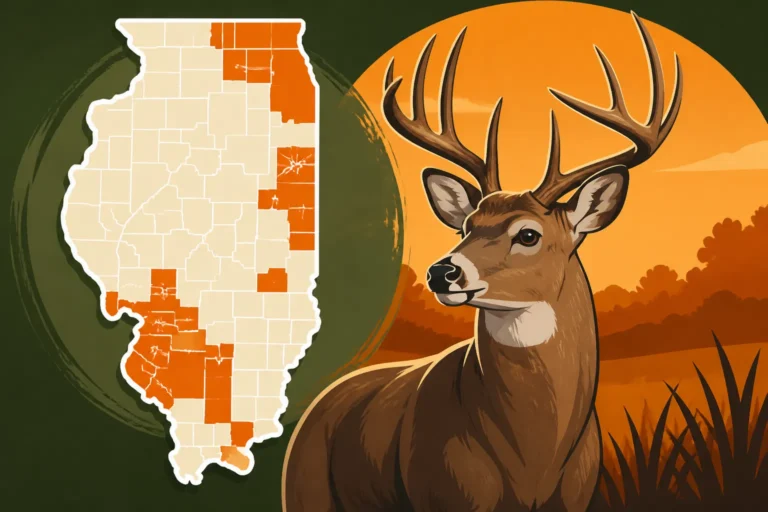
Education is also paramount. Informing hunters and non-hunters alike about CWD, its risks, and how to prevent its spread is crucial. This means providing clear guidelines on carcass disposal, explaining the importance of not feeding deer, and detailing regulations like carcass movement restrictions. Finally, habitat management plays a role. While not a direct CWD cure, managing habitat can influence deer density and movement, which indirectly affects disease transmission. In some cases, reducing deer concentrations in specific habitat types can help. Understanding the areas most affected, such as those covered in Illinois's Chronic Wasting Disease Zone, is important for these broader management efforts.
What This Means for Illinois Hunters
For you, the hunter, this shift in strategy isn't just a policy change; it represents a fundamental change in your role and responsibilities. The IDNR is leaning into the hunting community more than ever, making your participation absolutely critical in the long-term health of Illinois's deer herd.
Increased Responsibility and Opportunity
With the IDNR stepping back from active culling, the onus falls more heavily on hunters to be the primary managers of the deer population. This means that every time you head into the woods or fields, especially in a CWD-affected county, you're not just pursuing a passion; you're actively contributing to wildlife management. There's an increased responsibility to understand the disease, participate in testing, and consider your harvest decisions with CWD management in mind. This often translates into opportunities to harvest more deer, particularly antlerless deer, to help reduce local densities. Many hunters appreciate this empowerment, feeling more directly connected to the conservation efforts.
Tools and resources like GoHunt can become invaluable here. Platforms like GoHunt allow you to quickly access up-to-date regulations, CWD testing locations, and even population data for specific areas, helping you make informed decisions about where and how to hunt. This shift requires a more engaged, knowledgeable hunter, one who sees themselves as a key partner in preserving the future of Illinois deer hunting. For hunters in specific CWD counties, there are often mandatory testing requirements or recommendations, so staying informed about guidelines like Mandatory Testing Inside an Illinois CWD County is crucial.
Adapting to New Guidelines and Restrictions
Adapting to the IDNR's new approach also means familiarizing yourself with ongoing guidelines and restrictions designed to curb CWD's spread. Carcass movement restrictions are a prime example. To prevent the transport of infected prions to new areas, there are strict rules about moving deer carcasses out of CWD-positive counties. This often means deboneing your deer or leaving certain parts of the carcass (like the spinal column and brain) within the county of harvest. These rules can feel like a hassle, especially after a successful hunt, but they are vital for protecting the health of deer in unaffected areas.
Proper disposal of carcasses and gut piles is another critical aspect. Hunters are encouraged to dispose of these materials responsibly, ideally in a landfill, to prevent prions from contaminating the local soil and water. The IDNR and local health departments offer guidance on best practices. Staying informed is easier than ever with digital tools. Regularly checking the IDNR website, signing up for newsletters, or utilizing hunting apps that provide real-time updates—such as GoHunt—can help you stay compliant and contribute effectively. It’s all about being a responsible, informed hunter in an evolving landscape. You can find detailed regulations on practices like Carcass Movement Restrictions to ensure you're always within the legal and ethical boundaries.
CWD Management Strategy Comparison
To better illustrate the shift, here's a quick comparison of the previous and current CWD management strategies in Illinois.
| Feature | Previous Strategy (Primary Focus) | Current Strategy (Primary Focus) |
|---|---|---|
| Main Objective | Eradication/Containment via Direct Reduction | Slowing Spread/Mitigation via Hunter Engagement |
| Key Tool | Targeted Culling (Sharpshooting) | Increased Hunter Harvest (especially does) |
| Data Collection | IDNR-led surveillance & mandatory testing | Voluntary hunter-submitted samples & targeted mandatory zones |
| Resource Use | High IDNR personnel & monetary investment | Leveraging hunter numbers & emphasizing education |
| Public Role | Often reactive to culling operations | Active participation and partnership |
| Long-Term View | Aggressive suppression in specific hot spots | Sustainable population management across wider areas |
Disclaimer
The information provided in this article is for general guidance and informational purposes only. Hunting regulations, CWD management policies, and legal requirements are subject to change. Always consult the most current official publications from the Illinois Department of Natural Resources (IDNR) or other relevant authorities before engaging in any hunting activities or making decisions based on this information.