Booking a Late-Season Duck Hunt in Illinois
The late season in Illinois can be an incredibly rewarding time for duck hunters, but let's be honest, it's also when things get tough. The weather turns nasty, the ducks are warier than ever, and finding open water or unpressured fields becomes a real challenge. Many hunters dream of those epic cold-weather flights but struggle with the logistics, the brutal conditions, and simply finding birds willing to cooperate. This guide is here to walk you through everything you need to know about booking a guided late-season duck hunt in Illinois, helping you understand what makes it unique, what to look for in an outfitter, and how to prepare for a successful, memorable trip.
The Allure and Challenges of Late-Season Duck Hunting in Illinois
There’s something truly special, almost primal, about being out in the marsh or a flooded field when the world is frozen solid, and a blizzard starts rolling in. That's when the big northern ducks really start to pour into Illinois, seeking refuge and food along the major river systems. But with that magic comes significant challenges that can humble even the most experienced self-guided hunter.
What Defines "Late Season" in Illinois Waterfowling?
When we talk about "late season" duck hunting in Illinois, we're generally looking at the periods from mid-December through the close of the season, which can sometimes extend into January, depending on the specific zone. This isn't your mild, early-October puddle duck shoot. This is the time of year characterized by freezing temperatures, often snow or sleet, and a landscape that forces ducks to concentrate in specific areas where they can find open water and consistent food sources.
The behavior of the birds also shifts dramatically. These are typically "migrant" ducks that have traveled thousands of miles, escaping hunting pressure all the way down the flyway. They've seen it all, and they're incredibly wary. They'll flare at the slightest movement, circle outside the decoys for ages, and often prefer to rest on large bodies of water, only flying out to feed in specific fields at dawn and dusk. Understanding these patterns is critical, and they change day by day with the weather. You really need to be on your game, or better yet, with someone who lives and breathes these patterns daily. For specific timing, checking the Illinois Waterfowl Zones and Seasons is always your first step.
The cold itself is a massive factor. Equipment freezes, dogs get cold, and hunters must be dressed for extreme conditions. Ice becomes a major player, dictating where ducks can land and where boats can go. Decoy spreads need to be adapted for icy conditions, and retrieving downed birds can become hazardous without proper gear and knowledge. It's a completely different beast than the relatively comfortable early season, demanding a robust strategy and an intimate understanding of the environment.
Why Consider a Guided Late-Season Hunt?
For many, the sheer difficulty and investment required for a successful late-season hunt push them towards booking a guide. Imagine spending days scouting, buying hundreds of expensive decoys, investing in specialized cold-weather gear, an ice-breaking boat, and still coming up empty-handed because you couldn't find the right field or the ducks simply wouldn't commit. That's a frustration many of us have faced, and it can quickly take the joy out of the pursuit.
A good outfitter, especially one specializing in late-season hunts, takes all that burden off your shoulders. They've already done the intense scouting, they have access to private ground that gets less pressure, they own specialized equipment like ice eaters, heated blinds, and massive spreads of decoys. More importantly, they have the daily intel—they know where the birds were yesterday, where they want to be today, and how to set up for them. This kind of local expertise is invaluable when ducks are at their wariest.
Beyond the practical advantages, booking a guided trip means you can focus purely on the hunt itself. No worrying about frozen boat motors, no scrambling for last-minute permissions, and no guessing games about where the birds might be. You show up, hunt, and leave the logistical nightmares to the professionals. It’s about maximizing your chances of success and enjoying the experience, rather than fighting the elements and the unknown. Plus, some guides offer unique access to prime areas like the Illinois River Valley Diving Ducks or specific field setups perfect for Layout Blind Hunting Illinois Farm Fields.
What to Look for in a Late-Season Illinois Duck Guide
Choosing the right guide for a late-season duck hunt is like choosing a captain for a deep-sea fishing trip – you want someone who knows the waters, the weather, and the quarry inside and out. It’s not just about finding any guide; it's about finding one who thrives when the conditions are at their worst and the ducks are at their smartest.
Key Experience and Specialization
For a late-season hunt, experience is paramount. You need a guide who isn’t just familiar with duck hunting, but who specializes in the late season. Ask about their cold weather experience: Do they have strategies for hunting in freezing rain, snow, or sustained sub-zero temperatures? How do they manage ice? Do they have equipment specifically for breaking ice or keeping areas open? A guide who can talk extensively about dealing with frozen decoy lines, keeping dogs warm, and ensuring hunter safety in extreme cold is likely a good fit.
Their specialization should also extend to the types of ducks you'll be targeting. Late season often brings in massive flights of mallards, pintails, and various diving ducks like canvasbacks and bluebills. A guide with a proven track record of consistently putting hunters on these specific species demonstrates their deep understanding of late-season migratory patterns and feeding habits. For example, a guide focused on river hunting might specialize in diver spreads and blind placement along the main channel, while a field hunter will know how to effectively hide a large group of hunters in cut corn or bean fields, often using layout blinds or pit blinds. This depth of knowledge means they aren’t just guessing; they’re executing a plan based on years of observing late-season bird behavior.
It's also worth asking about their dog handling skills. A good retriever is essential, especially in cold water or thick ice, and a guide who works with well-trained dogs is a huge asset. These highly specific skills set apart the truly dedicated late-season waterfowling professionals from general hunting outfitters.
Logistics and Accommodations
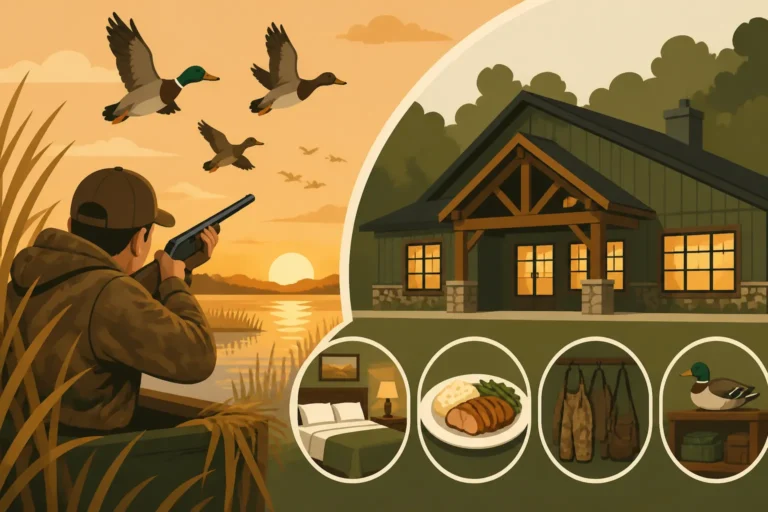
Late-season hunts often mean long, cold days. The logistics around the actual hunt are almost as important as the hunt itself. Does the outfitter provide heated blinds or pit blinds? This isn't just a comfort issue; it's a safety one. Staying warm can be the difference between a successful, enjoyable hunt and an uncomfortable, even dangerous, experience. In the bitter cold, having a warm place to retreat between flights or during lulls can be a game-changer.
Consider the access to hunting spots. Will you be traveling by ATV, boat, or truck? How long is the ride to the blind, and what provisions are made for comfort during transit? For river hunts, reliable and safe boat access, especially in potentially icy conditions, is non-negotiable. Look for guides who emphasize safety measures, appropriate cold-weather transportation, and well-maintained equipment. Many good outfitters offer some form of lodging or partner with local hotels that cater to hunters. While some outfitters provide Multi-Day Duck Lodge Package Pricing that includes meals and lodging, others are day-rate operations that leave accommodation up to you. Knowing these details upfront helps manage expectations and budget.
Another logistical point is retrieval. Hunting over open water when it's just above freezing, or even partly iced over, means a downed bird might drift or get caught in ice. A guide with a reliable boat, appropriate safety gear, and well-trained retrieving dogs is crucial. This is a situation where improvising can lead to lost birds or dangerous situations, so asking about their retrieval plan is a smart move.
Understanding Different Hunting Scenarios
Illinois offers diverse waterfowl habitat, from the mighty Mississippi and Illinois River systems to vast agricultural fields. A late-season guide should be adept at hunting various scenarios. For instance, some guides might specialize in hunting ducks on the Mississippi River Backwaters, utilizing permanent blinds or boat blinds in sloughs and cuts. These hunts often focus on divers and big rafts of mallards utilizing these large water bodies.
Other guides might focus on field hunting, setting up large decoy spreads in cut corn or bean fields, targeting mallards and geese that are flying out to feed. This requires entirely different scouting, decoy spreads, and blind concealment tactics. Understanding the specific type of hunting an outfitter primarily offers and how it aligns with your preferences is important. Do you dream of decoying big greenheads over a frozen field, or watching divers whistle into a river spread?
Good late-season outfitters often have multiple spots and are flexible, moving hunters based on current bird activity and weather conditions. They understand that what worked yesterday might not work today, especially as the winter progresses and new waves of birds arrive or existing birds shift their patterns. Their ability to adapt and offer various types of hunts speaks volumes about their expertise and commitment to success.
The Booking Process: Questions to Ask and What to Expect
Booking a late-season duck hunt is an investment, both in terms of money and your precious hunting time. You want to make sure you're getting the best possible experience, and that means asking the right questions and having clear expectations. Platforms like BookYourHunt and GoHunt can be great resources for finding potential outfitters, but always follow up with direct communication.
Crucial Questions Before Committing
When you're talking to a potential outfitter, don't be shy about asking detailed questions. Start with their experience: "How many years have you been guiding late-season duck hunts in this specific area?" and "What's your typical success rate for putting hunters on birds during this period?" While success rates can vary wildly based on weather, asking this question can give you a sense of their confidence and honesty. Also inquire about group size – "How many hunters are typically in a blind, and what's the maximum group size you take?" This can impact your comfort and shooting opportunities.
Safety should always be a top concern, especially in late season. Ask, "What are your safety protocols for icy conditions, boat travel, and extreme cold?" A good guide will have clear, rehearsed safety procedures. Beyond that, clarify what's included and what's not: "Are meals and lodging included, or just the hunt?" "What equipment do I need to bring, and what do you provide?" "Do I need to bring my own dog, or do you provide a retriever?" Many guides will provide a detailed What to Pack for a Guided Illinois Hunt list, but it's good to double-check.
It's also smart to ask about their Weather Contingency Policies for Duck Guides. What happens if the weather is so severe that hunting is unsafe or impossible? Do they reschedule, offer a partial refund, or is it simply a lost day? Understanding their policy can save a lot of headaches later. Finally, don't forget to ask for references from previous late-season clients. Talking to someone who has actually hunted with them in similar conditions can provide invaluable insight.
Costs and Inclusions
The cost of a guided late-season duck hunt in Illinois can vary significantly based on the outfitter's reputation, the location, the length of the hunt, and what's included. Expect to pay a premium for late-season hunts compared to early-season, as the logistics are more complex and the success can be higher with expert guidance. Day rates are common, but many outfitters also offer multi-day packages that might include lodging, meals, and multiple hunts.
When discussing pricing, make sure to get a clear breakdown of everything included. Does the stated price cover only the hunt, or does it also include licenses, stamps, ammunition, bird processing, or even taxidermy arrangements? Don't assume anything. Some guides charge extra for things like blind snacks, bottled water, or even the use of their dog. Clarify tipping expectations for guides and any dog handlers, as this is standard practice in the industry. For a general idea, you can research What a Day of Guided Illinois Ducks Costs, but remember late-season specifics may differ.
Always ask about payment schedules and cancellation policies. Most outfitters require a deposit upfront, with the remainder due before or on the day of the hunt. Understand their refund policy, especially concerning weather cancellations or unforeseen circumstances. A reputable outfitter will have clear, written policies on these matters. Mentioning brands like BookYourHunt here, for instance, they often have standardized booking and payment processes, but direct communication with the outfitter is still key for specific details.
| Feature / Consideration | Guided Late-Season Duck Hunt | Self-Guided Late-Season Duck Hunt |
|---|---|---|
| Scouting | Done by outfitter daily | Requires significant personal time |
| Access | Often private, less pressured land | Public land or hard-to-get permission |
| Equipment | Provided (decoys, blinds, boats) | Hunter's responsibility (large investment) |
| Expertise | Guide's deep local knowledge | Hunter's research & experience |
| Comfort | Often heated blinds, warm transport | Limited, subject to hunter's gear |
| Safety | Guide has protocols for extreme weather | Hunter's responsibility to plan & execute |
| Cost | Upfront fee per day/package | High initial gear investment, ongoing costs |
| Flexibility | Guide adapts to bird movement, weather | Limited to hunter's resources and intel |
| Success Rate | Generally higher due to expertise | Variable, often lower without constant intel |
Preparing for Your Late-Season Adventure
Once your hunt is booked, the real preparation begins. First and foremost, focus on your gear. Late-season Illinois weather can be brutal, so proper layering, waterproof and windproof outerwear, insulated waders, and warm, waterproof boots are essential. Don't skimp on hats, gloves, and hand warmers. You'll be sitting still for extended periods, and staying warm is critical for comfort and safety. Consider items like a portable blind bag with snacks, water, and extra layers.
Physical and mental preparation are also important. While a guided hunt isn't usually as physically demanding as a self-guided trek through the marsh, you'll still need to be able to get in and out of blinds, walk through potentially muddy or snowy terrain, and handle the cold for hours. Mentally, be ready for slow periods, as late-season ducks can be finicky. Patience is a virtue in these conditions.
Finally, ensure all your licenses and stamps are in order well before the hunt. This includes your base hunting license, state habitat stamp, federal duck stamp, and Illinois migratory bird certification. You can often purchase these through the Illinois DNR website. Don't wait until the last minute, as technical glitches or forgotten requirements can ruin your trip. Consulting resources like GoHunt for licensing guidelines and preparation articles can also be beneficial, ensuring you're fully compliant and ready to hit the blinds.
Disclaimer
This article is for general informational purposes only and does not constitute professional advice. Laws, prices and regulations vary by location and change over time. Consult a qualified professional for guidance on your specific situation.