Illinois Duck Daily Bag Limit
There’s nothing quite like a cold, crisp morning in an Illinois duck blind, the anticipation thick in the air as dawn breaks over the marsh. But let's be honest, trying to keep track of all the waterfowl regulations, especially those ever-changing daily bag limits, can feel like trying to hit a teal going Mach 10 in a crosswind. It’s a common frustration, and one that trips up even seasoned hunters. This guide is here to untangle the complexities of the Illinois duck daily bag limit, helping you understand the rules so you can focus on calling in those birds without a worry.
Decoding Illinois Duck Daily Bag Limits: The Basics
Waterfowl hunting in Illinois is steeped in tradition, especially along the mighty Mississippi and Illinois River valleys, which are vital corridors on the Mississippi Flyway. But with such rich hunting opportunities comes a set of regulations designed to ensure sustainable populations for years to come. The daily bag limit isn't just a number; it's a carefully determined figure based on population surveys, habitat conditions, and migration patterns.
Why Limits Matter for Waterfowl Hunters
For many of us, duck hunting is more than just a pastime; it's a passion passed down through generations. The strict daily bag limits, which can sometimes feel restrictive, are actually our best allies in preserving this tradition. They are set by the U.S. Fish and Wildlife Service, in conjunction with state agencies like the Illinois Department of Natural Resources (IDNR), based on extensive scientific data. These limits help prevent overharvesting, especially during years when duck populations might be lower due to drought on the breeding grounds or other environmental factors. If we didn't have these limits, the incredible migrations we look forward to each fall could dwindle, leaving our favorite blinds empty. It's all about balancing hunter opportunity with conservation responsibility, ensuring that future generations get to experience the same thrilling flights we do.
The Dynamic Nature of Duck Regulations
One of the biggest headaches for waterfowl hunters is that the rules aren't set in stone from one year to the next. Unlike deer hunting regulations, which tend to be more stable, duck limits and seasons can change annually. This variability is a direct response to the health of the continent's duck populations. For instance, if breeding ground surveys show a strong year for mallards, the IDNR might adjust the season length or bag limit to reflect that abundance. Conversely, a poor breeding year might lead to more conservative limits. It means we, as hunters, have to be diligent about checking the current year's digest. Many hunters use apps like GoHunt or check the official IDNR website religiously as the seasons approach to get the most up-to-date information. Understanding this dynamic nature is key to avoiding accidental violations and staying on the right side of the law. You'll find specific details in the annual Illinois Waterfowl Zones and Seasons publication.
Specific Species Limits: Breaking Down the Numbers
When it comes to ducks, it’s not just one blanket number. The daily bag limit in Illinois is actually an aggregate limit for all ducks, but within that total, there are specific sub-limits for certain species. This means you can't just shoot six mallards, for example, if the mallard limit is lower. You need to be able to identify your birds in the air, often in low light or challenging conditions, which is a skill developed over many years in the blind.
Mallards and the Greenhead Quota
Ah, the mallard – the quintessential duck for many Illinois hunters. Its distinctive green head and loud quacks are a welcome sight in any marsh. Historically, mallards have been one of the most abundant ducks, but their populations, like all waterfowl, fluctuate. For many seasons, the daily limit for mallards has been four, with specific restrictions on hens. Typically, of those four, only two can be hen mallards. This particular restriction is crucial because hen mallards are essential for reproduction, so protecting them is a priority for population health. It really puts your identification skills to the test, especially when a mixed flock drops into the decoys and you're trying to quickly differentiate between a plump greenhead and a less colorful hen.
Divers, Woodies, and Other Key Species
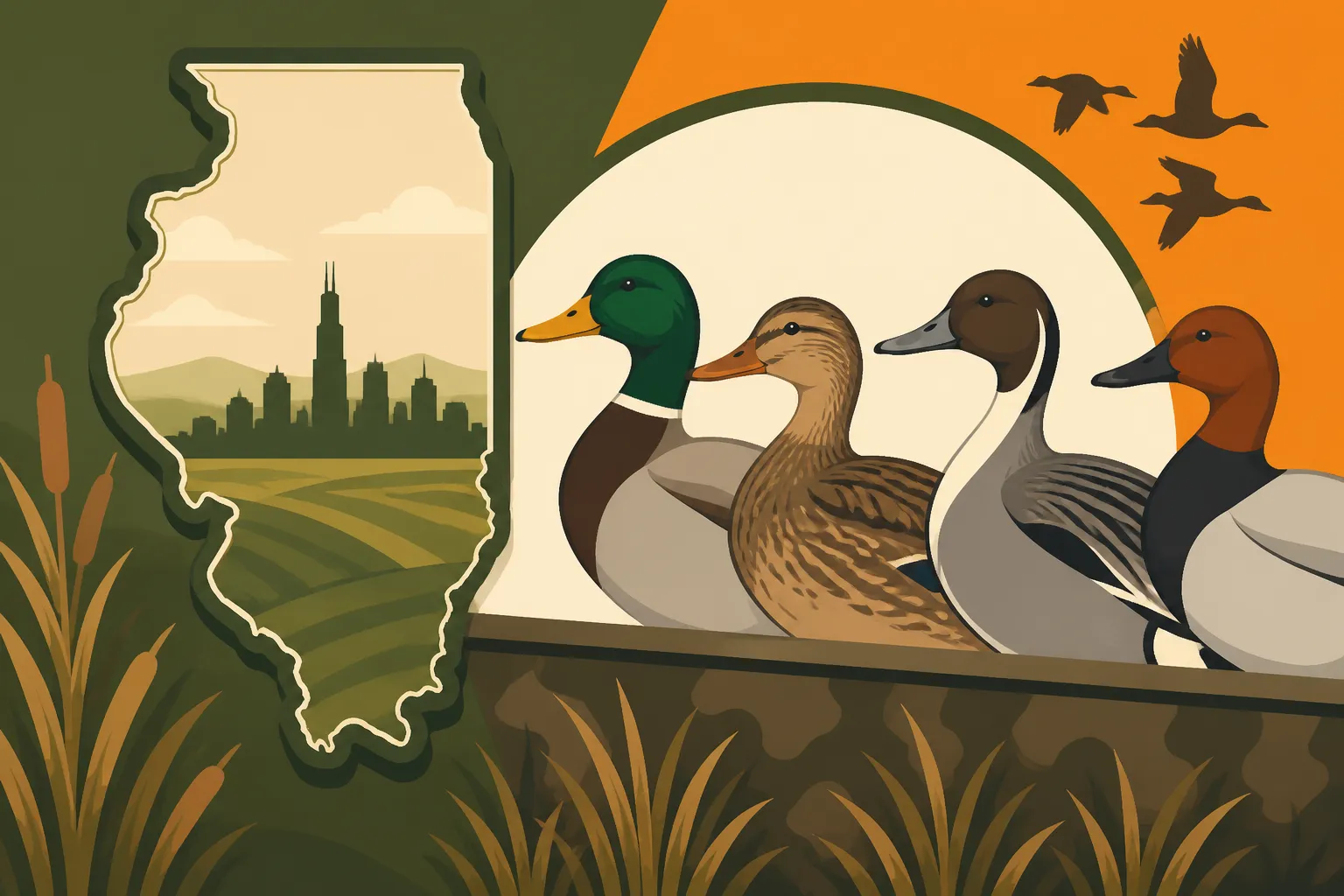
Beyond the mallard, Illinois offers a fantastic array of other duck species, each with its own charm and challenges. Wood ducks, with their incredible iridescent plumage and acrobatic flight, are a favorite in timbered bottomlands. Their daily limit is often two, and they count towards your total. Similarly, pintails, known for their elegant long necks and speedy flight, often have a specific limit, which has been as low as one in recent seasons. Canvasbacks, the "king of ducks" to some, with their distinctive sloped profiles, are also typically restricted to one or two per day.
Divers like scaup (bluebills), redheads, and ring-necked ducks are common targets for hunters in larger bodies of water, like the major rivers and big lakes. Scaup limits, in particular, have varied quite a bit over the years, sometimes set at two or three, but always within specific "seasons within seasons" or early/late period distinctions. You really have to know your Illinois Waterfowl Migration Timing to anticipate when these birds will be most prevalent. Often, these limits are tied to specific geographical zones in Illinois, whether you're hunting the North, Central, or South Zone.
The Often-Overlooked Ducks: Pintails, Canvasbacks, and Scaup
It’s easy to focus on the more common ducks, but neglecting to learn the limits for species like pintails, canvasbacks, and scaup can get you into trouble. These birds, while perhaps not as numerous as mallards or gadwalls, are highly prized by hunters. The reason for their lower limits often relates to specific vulnerabilities in their breeding or migratory patterns. Pintails, for example, have faced challenges on their northern breeding grounds, leading to very conservative bag limits. Canvasbacks and redheads, being large, long-lived ducks, have their populations managed carefully, often resulting in small individual limits.
Understanding these nuances is essential. Imagine a flock of beautiful northern pintails circling your spread. You might be tempted to call the shot, but if you've already harvested your single pintail for the day, you have to let them pass. This is where patience and quick identification, even on a cloudy morning, truly pay off. Checking your current year's Illinois Duck Zone Boundaries is always a good starting point for specific season dates and limits.
Here’s a general overview of common duck species and their typical daily bag limits in Illinois. Remember, these are subject to change annually, so always consult the current year's IDNR waterfowl digest.
| Species Category | Typical Daily Bag Limit | Specific Restrictions (if any) | Notes |
|---|---|---|---|
| Mallards | 4 | Max 2 hens | Primary target for many |
| Wood Ducks | 2 | None | Found in timbered areas |
| Pintails | 1 | None | Elegant, fast fliers |
| Canvasbacks | 1-2 | None | Large divers, often prized |
| Redheads | 2 | None | Distinctive red head, gray body |
| Scaup (Bluebills) | 2-3 (variable) | May have early/late season splits | Often found in large rafts |
| Black Ducks | 2 | None | Darker, wary birds |
| Mottled Ducks | 1 | None | More common in southern states, occasional in IL |
| Gadwall | 6 (part of aggregate) | None | Common and widespread |
| Wigeon | 6 (part of aggregate) | None | Grazer, known for white patch |
| Teal (Green/Blue) | 6 (part of aggregate) | None | Speedy, early migrants |
| Shovelers | 6 (part of aggregate) | None | Large bill, unique feeder |
Note: The total aggregate limit for all ducks combined is typically 6. The limits above are within that 6-bird total.
Understanding the Aggregate Bag Limit and Possession Limits
The most crucial detail for new and experienced duck hunters alike is the aggregate daily bag limit. This isn't just a limit per species; it's a cap on the total number of ducks you can shoot in a single day, regardless of species. Get this wrong, and you could be facing a hefty fine and a revoked license. Beyond the daily take, there's also the possession limit, which dictates how many ducks you can legally have in your freezer or in transit.
The Total Daily Duck Tally
The general, overall daily bag limit for ducks in Illinois is typically six birds. This "aggregate" limit means that even if you haven't hit the species-specific limits for, say, mallards or wood ducks, once you've harvested six ducks of any legal combination, your daily hunt for ducks is over. For example, if you shoot two mallards (two hens, legal), two wood ducks, one pintail, and one gadwall, you've reached your six-bird aggregate limit, and you need to put your gun away. This rule is in place to provide a general conservation buffer and simplify enforcement, even with the complexities of species-specific rules.
It's important to differentiate the duck limits from goose limits; these are entirely separate. While you might be Mallards and Geese on the Illinois River on the same hunt, your six-duck limit doesn't affect how many geese you can harvest. Always check the separate goose regulations for those limits. For a deeper look at the statewide harvest, you can often find breakdowns in the Illinois Duck Harvest Numbers reports released by the IDNR.
Possession Limits: What You Can Keep at Home
Beyond the daily bag, there's the possession limit. This refers to the maximum number of legally harvested migratory game birds of a single species or aggregate that a person may have in their custody or control at any one time. For most duck species in Illinois, the possession limit is three times the daily bag limit. So, if the daily aggregate limit is six ducks, your possession limit would be 18 ducks. This applies whether the birds are fresh, frozen, or in transit.
The possession limit is designed to prevent stockpiling game, ensuring that hunters are regularly consuming or distributing their harvest rather than just accumulating it. This also helps with conservation efforts, as it indirectly controls the total number of birds taken by an individual over the course of a season. When you’re bringing birds home, especially from an out-of-state trip, make sure they are properly tagged and identifiable to species until they reach your permanent residence. This often means leaving a wing or head attached, as outlined in migratory bird regulations. It might seem like a lot to remember, but understanding both daily and possession limits is non-negotiable for a responsible waterfowl hunter.
Practical Tips for Staying Legal and Ethical
Navigating duck hunting regulations, with all their specific species limits, aggregate totals, and dynamic changes, can feel overwhelming. But with a bit of preparation and diligence, you can confidently hit the marsh knowing you're operating within the law and upholding ethical hunting practices.
Mastering Duck Identification on the Wing
One of the biggest challenges, and arguably one of the most rewarding skills in duck hunting, is accurate identification on the wing. You’re often dealing with fast-moving targets, tricky lighting conditions, and the adrenaline rush of a flock cupping its wings into your spread. Yet, knowing whether that bird is a hen mallard (two-bird limit), a pintail (one-bird limit), or a gadwall (six-bird limit) is absolutely critical before you pull the trigger.
Many veteran hunters spend countless hours studying field guides, watching identification videos, and observing ducks in non-hunting situations. They learn to identify birds by their size, shape, wingbeat, flight pattern, and even calls. For example, the rapid wingbeat of teal versus the slower, deeper strokes of a mallard, or the cigar-like profile of a diver versus the bulkier body of a dabbler. Consider joining a local Ducks Unlimited chapter or a hunting club. Experienced mentors are invaluable teachers. Practice identifying ducks at your local pond or even using apps and online resources. It's a skill that will not only keep you legal but also make you a more knowledgeable and effective hunter. This skill is particularly useful when you're trying to determine if you can take advantage of the generous teal seasons or differentiate between various species when Diver Hunting on the Illinois River.
Essential Resources for Current Regulations
Given that Illinois duck regulations can shift year to year, relying on last season's digest is a recipe for trouble. Always, and I mean always, consult the most current official sources.
- Illinois Department of Natural Resources (IDNR) Website: This is your primary source. The IDNR releases an annual "Digest of Hunting and Trapping Regulations" and a separate "Waterfowl Hunting Information" booklet. Both are available as free PDFs online and are regularly updated. This is where you'll find the official Illinois Duck Daily Bag Limit for the current season, along with specific zone dates and any special restrictions.
- Official IDNR App: The Illinois DNR also has an official app where you can often access digital versions of the digest and sometimes even get real-time updates.
- Mobile Hunting Apps: Apps like GoHunt are fantastic tools for checking regulations on the go, often integrating maps and other scouting features that make planning your hunt much easier. They usually pull directly from official state sources, giving you confidence in the information.
- Federal Duck Stamp and HIP Certification: Don't forget, in addition to your Illinois hunting license and habitat stamp, you'll need a Illinois Federal Duck Stamp Requirement to hunt migratory waterfowl. You also need to complete the Illinois HIP Certification for Bird Hunters annually. These federal requirements are just as important as state-specific rules.
Make it a habit to review these resources before opening day and even periodically throughout the season, especially if you plan on hunting different zones or during different periods.
Hunting Smart and Respecting the Resource
Being a smart hunter means more than just knowing your limits; it means understanding the spirit of conservation behind them. Ethical waterfowl hunting extends to everything from careful shot selection to proper game recovery and handling. Don't take Hail Mary shots at ducks too far out, as this can lead to wounded birds that are never recovered, effectively wasting the resource. When you take a shot, make sure it’s clean and that you’ve done your best to recover every bird. This can be challenging in dense cover or deep water, but it's our responsibility as hunters.
If you’re hunting public land, be mindful of other hunters. Illinois has some fantastic public areas, from the vast expanses of the Mississippi River Backwaters to smaller state-managed areas. Being courteous, setting up a reasonable distance from others, and following all rules for Mississippi River Public Hunting Access ensures a positive experience for everyone. Always scout ahead, and if you can, understand the nuances of Reading a River Bottom Slough for a Morning Flight to maximize your chances while being efficient. By doing so, we not only respect the regulations but also the birds, the land, and our fellow hunters, ensuring the future of Illinois waterfowl hunting.
Disclaimer
The information provided in this guide is for general informational purposes only and is not intended as legal advice. Hunting regulations, seasons, and bag limits in Illinois are subject to change. Hunters are solely responsible for consulting the most current official Illinois Department of Natural Resources (IDNR) publications and federal regulations before engaging in any hunting activities. Always prioritize safety and ethical hunting practices.