Blaze Pink Options Under Illinois Law
Many hunters, especially those new to the sport or just visiting, often scratch their heads trying to keep up with hunting apparel laws. It feels like every year there's a new debate, a new rule, or a subtle change that can leave you wondering if your trusty old vest is still legal. One of the most talked-about changes in recent years for Illinois hunters is the legal option of wearing blaze pink in addition to the traditional blaze orange. This guide will walk you through exactly what the law says, why it changed, and what you need to know to stay safe and legal in the field.
Understanding Illinois's Blaze Orange Mandate for Hunters
For decades, the standard in hunter safety apparel has been blaze orange, and for good reason. Its vibrant, almost glowing hue stands out incredibly well against the natural greens, browns, and grays of most hunting environments, making hunters highly visible to one another. This isn't just a suggestion; in Illinois, it's a legal requirement during specific hunting seasons to reduce the risk of accidental shootings. Knowing when and where to wear it is just as crucial as understanding what counts as legal attire.
Why Hunter Orange Became Standard Practice
The concept of "hunter orange" (sometimes called "fluorescent orange" or "daylight fluorescent orange") emerged in the mid-20th century as a direct response to a concerning number of hunting accidents involving misidentification. Early attempts at hunter safety colors included bright red, but studies quickly showed that red could be perceived as brown or gray by hunters with color blindness, or simply blend into fall foliage under certain light conditions. Blaze orange, however, was found to be highly visible and easily distinguishable from natural colors, even for those with common forms of color blindness. It's a color that simply doesn't exist in nature, making it an unmistakable beacon in the woods or fields.
The widespread adoption of blaze orange requirements across states, including Illinois, has been instrumental in dramatically reducing hunter-on-hunter incidents. It’s a simple, yet incredibly effective, visual cue that screams "human!" to anyone else in the vicinity, creating a safer environment for everyone enjoying the outdoors. When you're out there, whether you're deer hunting in Central Illinois farmland deer or chasing squirrels in the bottomland hardwoods, that splash of bright color isn't just about following the law; it's about coming home safe at the end of the day.
Specific Seasons and Situations Requiring Blaze Orange
In Illinois, the requirement for blaze orange (or now, blaze pink) primarily applies during firearm deer seasons. This includes both the statewide firearm seasons, which are typically split into two weekends – the Illinois First Firearm Season Dates in November and the Illinois Second Firearm Season Dates in December – as well as the later Illinois Muzzleloader-Only Season Dates. If you're out during these times, whether you hold a firearm permit, a muzzleloader permit, or even an archery permit that overlaps with firearm seasons, you need to be wearing the appropriate color.
The law mandates that during these seasons, anyone hunting deer must wear at least 400 square inches of solid blaze orange or solid blaze pink material. This material needs to be visible from all sides, meaning it should be worn as an outer garment, like a vest, jacket, or hat. Often, hunters will opt for a vest and a hat to meet this requirement and ensure maximum visibility. Even if you're just walking through public land to your stand during a firearm season, you need to be compliant. It's not just about the moment you're pulling a trigger; it's about your presence in the hunting landscape. Check the Illinois Blaze Orange Requirements for specific dimensions and rules.
The Introduction of Blaze Pink as a Legal Alternative
The conversation around hunter safety colors has evolved, and Illinois, like several other states, has recognized the value in offering an alternative to the traditional blaze orange. The push for blaze pink wasn't just about aesthetics; it was about inclusivity and providing hunters with more choices, all while maintaining the highest standards of safety. It's a modern update to a long-standing safety tradition, acknowledging that vibrant visibility can come in more than one shade.
The Legislative Journey to Include Blaze Pink
The idea of blaze pink as a legal hunting color gained traction in various state legislatures, often championed by female hunters and conservation groups. The argument was simple: if a color could provide the same, or even superior, visibility to blaze orange, why limit hunters? Scientific studies were conducted to compare the visibility of blaze pink against blaze orange in various natural settings and lighting conditions. These studies, often supported by university research, generally concluded that fluorescent pink, when properly manufactured to meet specific luminescence standards, was just as detectable, and sometimes even more so, than blaze orange to the human eye, including those with color blindness.
Illinois officially joined the ranks of states allowing blaze pink through legislation. This wasn't an overnight change; it involved proposals, debates, and careful consideration of safety data. The law was passed to give hunters an option that research showed was equally effective at ensuring visibility and promoting safety in the field. It’s a progressive move that acknowledges the diverse preferences of the hunting community while steadfastly upholding the core principle of hunter safety.
Key Provisions of the Illinois Blaze Pink Law
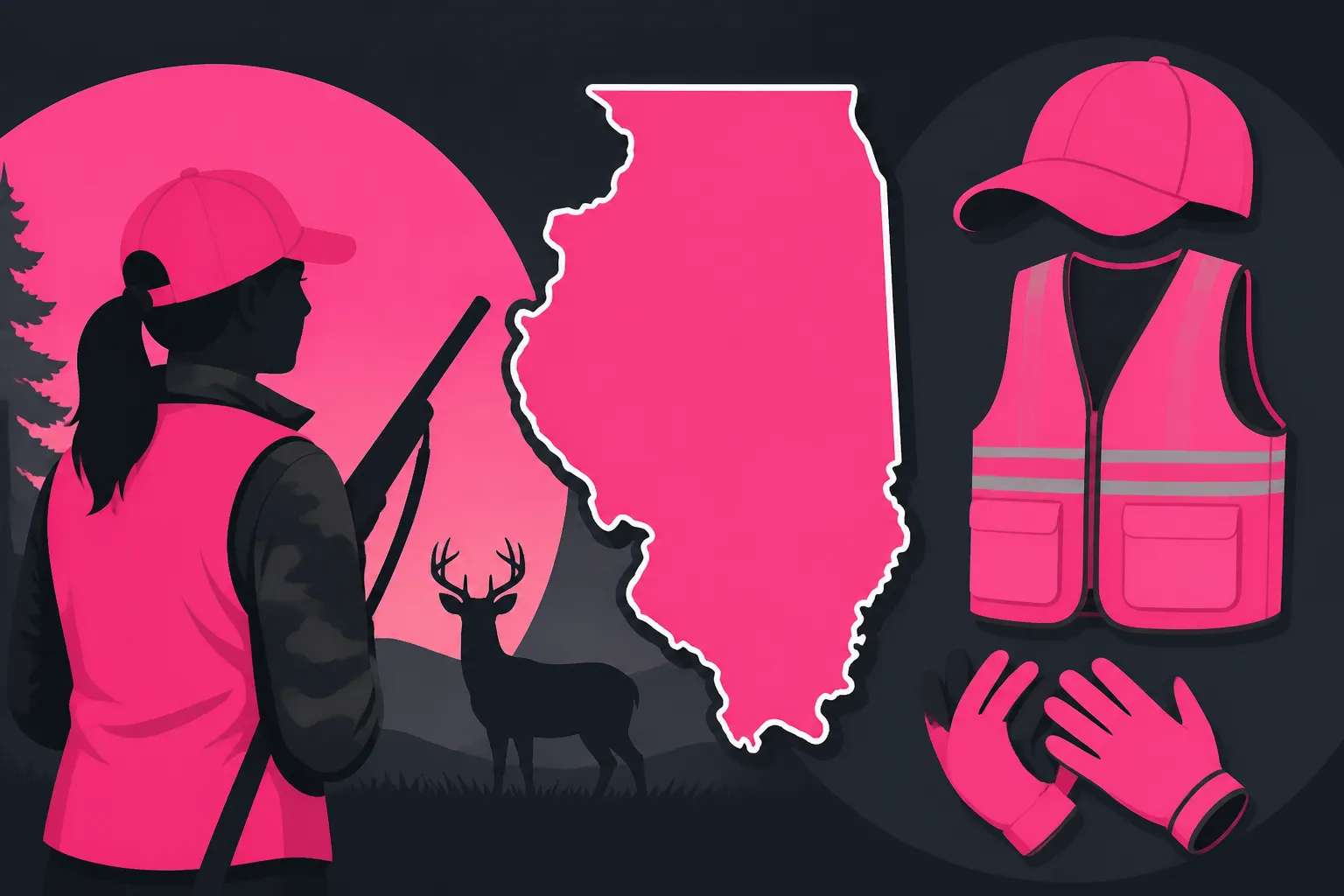
So, what exactly does the Illinois law say about blaze pink? The good news is, it treats blaze pink essentially the same as blaze orange. This means that all the rules you’ve learned about wearing blaze orange now apply equally to blaze pink.
Here are the key provisions to remember:
- Equal Standing: Blaze pink is a legal alternative to blaze orange. Wherever blaze orange is required, blaze pink can be worn instead.
- Minimum Square Inches: Just like blaze orange, you must wear at least 400 square inches of solid blaze pink outer garment. This is crucial for ensuring you're seen from all directions, whether you’re still-hunting southern Illinois ridges or making your way to a stand.
- Visibility from All Sides: The 400 square inches must be displayed on your outermost garment and be visible from a full 360 degrees. This often means wearing a vest or jacket and a hat.
- Color Specificity: The "blaze pink" must be a solid, fluorescent shade specifically designed and marketed for hunting safety, not just any bright pink. It needs to meet the luminescence standards that make it stand out so dramatically.
Let's break down the minimum coverage requirement a little further, as this is where hunters can sometimes get tripped up. Imagine you're wearing a blaze pink vest. That vest alone might cover a good portion of your torso, but if your back is turned, are you still visible from the front? And what about if you're crouching? That's why accessories like a blaze pink hat are so popular – they add to the overall square inch count and ensure visibility from above and all angles.
| Garment Type | Typical Square Inches (Approx.) | Notes |
|---|---|---|
| Blaze Pink Vest | 400-600 | Often meets minimum alone, but combine for max safety |
| Blaze Pink Hat | 75-100 | Excellent for head visibility, adds to total |
| Blaze Pink Jacket | 800-1200 | Provides full coverage, great for cold weather |
| Blaze Pink Backpack | Varies, 200-400 | Useful addition, but ensure 360-degree visibility |
Remember, these are outer garments. Wearing a blaze pink shirt under a camouflage jacket won't cut it. The intent is for the color to be highly conspicuous to other hunters.
Practical Considerations for Choosing Blaze Pink or Orange
Now that you know blaze pink is a legal option in Illinois, how do you decide which to wear? It often comes down to personal preference, but there are some practical considerations, from scientific visibility to finding the gear you need, that can help you make an informed choice. After all, the goal is always to be safe and confident in the field, whether you're navigating new public land in Illinois or familiar private tracts.
Visibility Science: Pink vs. Orange in the Field
When it comes to pure visibility, both blaze orange and blaze pink are exceptionally effective at standing out from natural backgrounds. Research has generally shown that fluorescent colors, due to how they reflect light, are far more visible than traditional colors, especially in low-light conditions or dense cover.
- Blaze Orange: This color excels because it’s not naturally occurring in the forest or field environment. It “pops” against greens, browns, and grays, making it universally recognized as a safety color. It's particularly effective at dawn and dusk.
- Blaze Pink: Studies have indicated that blaze pink can be equally, if not more, visible in certain conditions. For individuals with protanopia (red-green color blindness), blaze pink may actually stand out more distinctly than blaze orange. This is a significant advantage, as color blindness is more common in men, who make up a large portion of the hunting demographic. In situations with heavy green foliage, such as early firearm seasons, some argue that pink contrasts even more sharply than orange.
Ultimately, both colors achieve the primary goal: making you easily identifiable as a human hunter, not game. The choice often boils down to which color you personally find more appealing or which offers a better contrast against the specific hunting environment you'll be in. What's most important is that you wear enough of whichever color you choose.
Sourcing Blaze Pink Gear for Illinois Hunts
Finding blaze pink hunting gear used to be a challenge, but with its increasing legality and popularity, more manufacturers are stepping up to offer options. While it might not be as ubiquitous as blaze orange yet, it's becoming easier to find.
- Specialty Outdoor Retailers: Major outdoor chains and independent hunting stores are increasingly stocking blaze pink vests, hats, and even full jackets. It's worth checking stores like Bass Pro Shops, Cabela's, or local hunting shops in larger Illinois towns.
- Online Retailers: The internet is perhaps the easiest place to find a wide selection. Websites like Amazon, MidwayUSA, or dedicated hunting apparel sites offer various brands and styles. When shopping online, make sure to read product descriptions carefully to ensure the item is indeed "blaze pink" (fluorescent) and not just a regular bright pink, which might not meet legal luminescence requirements.
- GoHunt Platform: Tools like GoHunt, while primarily known for their extensive mapping and planning features for Western hunting, often review and sometimes even feature gear that can be adapted for Illinois. While not a direct retailer for blaze pink, their forums and gear reviews might offer insights into reputable brands or places to find quality hunting apparel, including visibility options. They can also be a useful resource for scouting Illinois public land before season.
When purchasing, consider the material and fit. You'll want something durable that can withstand the elements and won’t snag easily on brush. A comfortable fit is also essential, especially if you plan on wearing it for extended periods during, say, Hunting Illinois's Long Archery Season where you might layer it over other garments during overlapping firearm dates.
Staying Compliant with Minimum Coverage Requirements
Meeting the 400 square inch minimum and ensuring 360-degree visibility is paramount. It’s not just about throwing on any blaze pink item; it's about strategizing its placement.
Here are some tips for compliance:
- The Vest and Hat Combo: This is the most common and often easiest way to meet the requirements. A standard blaze pink vest (often 400-600 sq. inches) combined with a blaze pink hat (75-100 sq. inches) will typically put you well over the minimum and ensure visibility from all angles, including above.
- Jackets with Panels: Many hunting jackets now come with integrated blaze orange or pink panels, or are entirely made of the material. If choosing a jacket, make sure the blaze pink material is truly visible from the front, back, and sides, even when you're moving or carrying gear.
- Backpack Covers: If you carry a large pack, a blaze pink pack cover can be an excellent addition. While it might not count towards the minimum required square inches on its own (as your body is beneath it), it significantly enhances your profile to other hunters, especially if you’re bending over or walking away from someone.
- Layering Considerations: Remember, the blaze pink (or orange) needs to be your outermost garment. If you're wearing multiple layers for warmth, ensure your blaze pink vest or jacket is on top. If you're cold and layer a camo jacket over your blaze pink, you're no longer compliant.
- Double-Check in the Mirror: Before heading out, especially with new gear, do a quick check in front of a mirror (or have a hunting buddy check you over). Crouch, turn around, and ensure there are no significant blind spots where your blaze pink isn't visible. This vigilance is crucial, particularly when you're hunting in dense areas like river bottom funnels or trying to blend into a specific environment.
Beyond the Law: Hunter Safety and Personal Preference
While complying with the law is non-negotiable, the choice between blaze pink and blaze orange also delves into personal preference and the broader culture of hunter safety. Embracing blaze pink means not just adhering to regulations but also being an advocate for visibility and inclusivity in the hunting community.
Educating Fellow Hunters on the Legal Change
One of the more subtle challenges with new legislation like the inclusion of blaze pink is ensuring that all hunters are aware of the change. Not everyone keeps up with every detail of the Illinois Hunting Licenses and What They Cost or the most recent amendments to hunting apparel laws. You might encounter fellow hunters, especially those from an older generation, who are only familiar with blaze orange and might express surprise or even confusion when they see you in blaze pink.
- Be an Ambassador: Take the opportunity to politely inform them about the change in the law. A simple, "Yep, blaze pink is legal in Illinois now, works just as well as orange!" can go a long way.
- Share Information: Direct them to official Illinois Department of Natural Resources (IDNR) resources or reputable hunting blogs (like this one!) where they can find accurate information.
- Lead by Example: By confidently wearing your blaze pink gear, you demonstrate its effectiveness and normalize its presence in the field.
This kind of informal education helps to solidify blaze pink's place as a recognized and accepted safety color, ensuring that its adoption contributes positively to overall hunter safety and camaraderie.
Making the Right Choice for Your Hunting Style
Ultimately, the decision between blaze pink and blaze orange comes down to personal preference, as both are legally recognized and scientifically proven to be highly visible. Consider what feels right for you and your hunting style:
- Comfort and Confidence: You should feel comfortable and confident in your gear. If blaze pink empowers you or simply makes you feel good about being out in the field, then it's a great choice.
- Gear Availability: While blaze pink is becoming more common, depending on your local shops, blaze orange might still offer a wider variety of specialized gear (like insulated jackets or specific vests).
- Team Hunting: If you hunt with a group, especially during deer drives on Illinois public land, coordinating colors might be a consideration. While not legally required, some groups prefer everyone in the same color for consistency, though this is purely a social preference, not a legal one.
- Specific Conditions: Think about the environments you hunt. Do you feel one color stands out more vividly against certain types of foliage or in specific lighting?
The most important aspect, regardless of color, is that you consistently wear the required amount of high-visibility material during applicable seasons. Whether it's the traditional blaze orange or the modern blaze pink, your choice demonstrates a commitment to safety, both for yourself and for every other hunter you share the woods and fields with in Illinois.
Disclaimer
The information provided in this guide is for general informational purposes only and does not constitute legal advice. Hunting regulations, including those pertaining to blaze orange and blaze pink, can change. Always consult the most current Illinois Department of Natural Resources (IDNR) hunting regulations and local ordinances before heading afield to ensure full compliance.