Illinois Turkey Harvest Numbers
It's always a bit of a gamble, isn't it? You spend hours scouting, patterning birds, and getting your gear ready, but there's always that lingering question: "What are my real chances out there?" For many Illinois turkey hunters, understanding the state's turkey harvest numbers provides crucial insights, not just into population health, but also into hunter success rates and regional hotbeds, helping you plan your next hunt with greater confidence. This comprehensive guide will break down the data, show you how to interpret it, and offer practical advice for applying these insights in the field.
Understanding Illinois's Turkey Harvest Data
For anyone serious about chasing longbeards in Illinois, the annual harvest reports aren't just dry statistics; they're a vital snapshot of the season, a report card on the state of the flock, and a crystal ball for future hunts. Knowing how many birds were taken, and where, can fundamentally change your approach to the season.
Why Harvest Numbers Matter to Hunters
Harvest numbers provide hunters with a wealth of actionable intelligence. First and foremost, they offer a direct indication of population health and density in various regions. If a particular county consistently shows high harvest numbers, it's a strong signal that healthy turkey populations are thriving there. Conversely, a noticeable dip could point to issues like poor nesting success, increased predation, or even over-pressure from previous seasons. These trends allow you to gauge the overall abundance of birds and make informed decisions about where to focus your efforts.
Beyond simple population indicators, harvest data helps predict hunting pressure. Areas with consistently high harvests often draw more hunters, meaning increased competition for prime spots. If you prefer a more solitary experience, low harvest areas might be worth investigating, though this could also mean fewer birds. This kind of information is critical when you're deciding between public land opportunities or trying to secure private land access. It allows you to anticipate what you'll encounter in the woods, helping you avoid crowded areas or prepare for them effectively.
Furthermore, analyzing harvest numbers over several years can reveal broader trends. Is the spring harvest steadily increasing, or is it on a decline? How do these numbers correlate with environmental factors like mild winters or abundant mast crops? By understanding these long-term patterns, hunters can develop a more strategic approach, perhaps focusing on certain zones during specific periods. For instance, if data shows better success during the later periods in the North Zone, you might adjust your permit applications or vacation time accordingly. It's all about stacking the odds in your favor, and harvest data is one of the most powerful tools in your arsenal.
How the Illinois DNR Collects Data
The Illinois Department of Natural Resources (IDNR) relies on mandatory reporting to compile its annual turkey harvest data, making it one of the most robust systems for tracking wildlife populations. Every successful turkey hunter in Illinois is legally required to check their bird within a specific timeframe, usually by 10 PM on the same day the bird was harvested. This ensures timely and accurate data collection, which is crucial for wildlife management.
Historically, hunters would take their harvested birds to designated check stations, often local sporting goods stores or state parks. These stations would physically inspect the bird, record its sex, age (adult or juvenile), and the county of harvest. While some check stations still operate, the IDNR has largely transitioned to an online and telephone reporting system, mirroring trends seen across many other states. This modern approach allows hunters to report their harvest from anywhere with internet or cell service, making the process much more convenient.
When a hunter reports online or via phone, they provide details such as their permit number, the date and time of harvest, the county, and the bird's characteristics. This self-reported data is then compiled by the IDNR. While self-reporting systems inherently carry a small risk of human error or non-compliance, the mandatory nature and ease of the process generally lead to very high reporting rates, providing a comprehensive and reliable dataset for wildlife biologists and hunters alike. The integrity of this data is fundamental to understanding Illinois Turkey Population Trends and ensuring sound management decisions for the future.
A Look at Recent Illinois Turkey Harvest Trends
Examining the recent past of Illinois's turkey harvests reveals a dynamic picture, influenced by both biological factors and human activity. Understanding these trends helps hunters anticipate what might lie ahead and adjust their strategies accordingly.
Overview of Spring and Fall Seasons
Illinois offers both spring and fall turkey seasons, with the spring season being by far the more popular and productive. The spring season, targeting gobblers (and some bearded hens), typically accounts for the vast majority of the annual harvest. Over the past few years, spring harvest numbers have generally seen fluctuations, often tied to nesting success from previous years and the severity of winter weather. For example, a robust hatch two years prior, followed by a mild winter, can lead to a surge in two-year-old gobblers, resulting in higher harvest numbers. Conversely, poor hatches or harsh winters can translate to fewer birds available.
The fall season, which allows for the harvest of either-sex turkeys, is significantly less popular and yields much lower harvest numbers. While it provides a unique hunting challenge, particularly with calling strategies for flocks, it doesn't attract the same volume of hunters or produce the same success rates as the spring. The limited participation in the fall season means that its harvest data is less indicative of the overall turkey population health compared to the spring numbers, though it still offers valuable insights into regional availability and hunter interest. Illinois's Fall Turkey Season Rules are specific, and understanding them helps in preparing for this unique hunting opportunity.
Looking at the past few years, Illinois's spring turkey harvest typically hovers in the range of 10,000 to 15,000 birds statewide, though this can vary. For instance, the 2023 spring season saw a respectable harvest of over 14,000 birds, reflecting a fairly stable population. These numbers fluctuate, but generally, the Illinois turkey population remains healthy and offers consistent opportunities. Comparing these figures year over year allows hunters to spot emerging patterns – is the population holding steady, growing, or facing challenges? These long-term perspectives are crucial for both hunters and wildlife managers.
Factors Influencing Annual Harvests
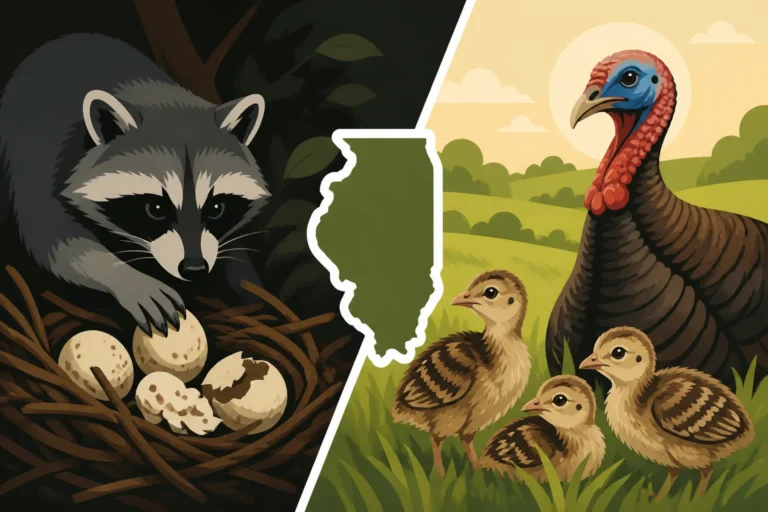
Annual turkey harvests are a complex dance between biology, environment, and human factors. One of the most significant biological drivers is nesting success and poult survival from the previous 1-2 years. A strong hatch means more juvenile birds entering the population, which then mature into huntable gobblers. Conversely, a poor hatch due to excessive rainfall during nesting, cold snaps, or high predator loads can depress the population and, consequently, future harvest numbers. The IDNR closely monitors poult-to-hen ratios as a key indicator of reproductive success.
Weather plays a massive role, not just during nesting season, but also during the hunt itself. Persistent rain, cold temperatures, or strong winds during the spring season can drastically reduce hunter participation and turkey activity, leading to lower harvest numbers, even if the bird population is healthy. Hunters simply won't be out as much, or birds will be less vocal, making them harder to locate and call in. Conversely, mild, clear spring days with light winds often result in peak gobbling activity and higher hunter success. Severe winters, though less impactful than nesting conditions, can also take a toll on adult survival, especially in more northern regions.
Finally, hunter numbers and effort directly influence harvest totals. More hunters in the field, assuming a healthy population, generally lead to a higher overall harvest. However, increased pressure can also make birds warier, potentially reducing individual hunter success rates. Permit availability, whether through lottery systems for specific zones or over-the-counter options, also dictates how many hunters are in the woods. While the IDNR strives to balance opportunity with conservation, these human elements are inextricably linked to the final harvest tally. Tools like GoHunt can help hunters analyze historical permit data to anticipate future pressure.
Regional Differences in Turkey Harvests Across Illinois
Illinois is a long state, stretching from the dense forests of the Ozark foothills in the south to the rolling prairies and river valleys in the north. This diverse geography translates into significant regional variations in turkey populations and, consequently, harvest success. Understanding these differences is key to successful hunt planning.
North Zone vs. South Zone Performance
When you look at Illinois's turkey harvest data, a clear pattern emerges: the South Zone consistently outperforms the North Zone in terms of overall harvest numbers and often, hunter success rates. This isn't surprising when you consider the habitat. The southern part of Illinois, particularly areas like the Shawnee National Forest and the surrounding hill country, boasts extensive timbered tracts, river bottoms, and more contiguous blocks of habitat that are ideal for wild turkeys. These larger, less fragmented areas support denser turkey populations, providing ample roosting, nesting, and foraging opportunities.
The North Zone, characterized by vast agricultural fields interspersed with smaller woodlots and river corridors, still holds turkeys, but generally at lower densities than the south. While pockets of excellent hunting exist, especially along major river systems like the Illinois River Valley, the sheer amount of open farmland means less prime habitat overall. As a result, hunters in the South Zone often experience higher gobbling activity and greater numbers of birds encountered, which naturally leads to a higher aggregate harvest. This distinction is crucial for hunters planning their season, as it often means different tactics are needed depending on where they choose to hunt. Whether you're considering Hunting the Illinois Rut in Early November or chasing turkeys, regional differences are profound.
It's important to remember that "lower harvest" in the North Zone doesn't necessarily mean "poor hunting." It simply means the overall number of birds taken is less, possibly due to fewer permits, less available habitat, or different hunting conditions. Savvy hunters in the North Zone often focus their efforts on river bottom funnels, timbered creek drainages, and fencerows that provide travel corridors and cover, utilizing tactics like those described in hunting the Illinois River Bottom Funnels. While the South Zone might offer more opportunities for sheer numbers, the challenge and reward of patterning northern birds in fragmented habitat can be equally satisfying.
Top Performing Counties for Spring and Fall
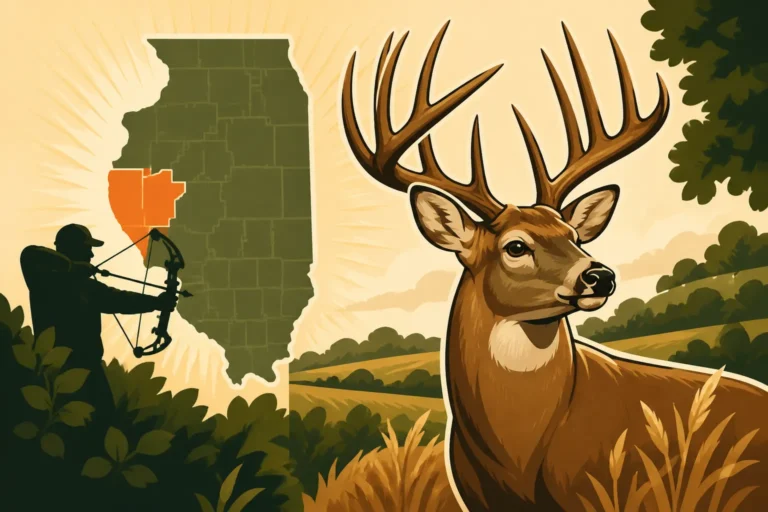
While a statewide overview is useful, a deeper dive into county-level harvest data reveals the true hotspots for Illinois turkey hunting. Historically, counties in the southern and western parts of the state consistently lead the pack for spring turkey harvests. Places like Pike, Adams, Calhoun, Schuyler, Brown, and Hancock counties in West-Central Illinois, often renowned for their trophy deer, also produce excellent turkey numbers due to their blend of timber, river bottoms, and agricultural fields. Further south, counties within or adjacent to the Shawnee National Forest, such as Union, Jackson, Williamson, and Pope, are perennial strongholds for turkeys.
These top-performing counties share common characteristics: a healthy mix of mature timber, diverse undergrowth, consistent mast crops (like acorns), and often, adjacent agricultural fields that provide additional food sources. The expansive habitat in these areas allows turkeys to thrive, spread out, and reproduce successfully. When planning a trip, particularly if you're a nonresident or looking for prime public land, focusing on these counties and exploring their public land options, such as those within the Shawnee National Forest Hunting, can significantly increase your odds of success.
For the fall season, the harvest numbers are much lower across the board, but the same general pattern holds. Counties with robust spring populations tend to offer the best (though still modest) fall opportunities. It's less about finding a specific "hot county" for fall turkeys and more about understanding that if a county has a strong spring harvest, it likely has a healthy enough population to support some fall hunting. Using the IDNR's interactive public lands map can help hunters identify accessible areas within these historically productive counties, making it easier to pinpoint potential hunting spots and to understand Illinois Public Land Hunting Hours.
Interpreting Harvest Numbers for Your Hunt Planning
Looking at harvest numbers isn isn't just an academic exercise; it's a practical step in becoming a more effective turkey hunter. These figures can guide your decision-making, from where to apply for permits to what tactics you'll employ once you're in the field.
Predicting Pressure and Success Rates
One of the most immediate benefits of studying turkey harvest data is the ability to predict hunting pressure. Counties or zones with consistently high harvest numbers, especially early in the season, are likely to attract more hunters. This increased hunter density means more competition for prime spots, more pressure on birds, and potentially more "spooked" turkeys due to increased human activity. If you're someone who prefers solitude and less pressured birds, you might consider targeting counties with slightly lower, but still respectable, harvest numbers, or focusing on later periods in the season when initial enthusiasm wanes. Many hunters use advanced tools, similar to what you might find with GoHunt's mapping and data analytics, to layer harvest data with public land boundaries to identify overlooked pockets.
Beyond general pressure, harvest data can give you a rough idea of success rates. While the IDNR often provides specific success rate percentages for each season and zone, you can infer this yourself by comparing the total harvest to the number of permits issued. A high harvest coupled with a relatively low number of permits suggests a strong population and good hunting opportunities. Conversely, a low harvest despite many permits could indicate a struggling population or challenging hunting conditions that year. This information is particularly valuable for nonresident hunters or those new to a specific area, as it helps set realistic expectations for their hunt.
Moreover, looking at harvest numbers broken down by specific hunting periods within the spring season can be incredibly insightful. Some periods consistently show higher success than others, often correlating with peak gobbling activity or weather patterns. For example, if the second period in your chosen zone consistently produces the highest harvest, it might be worth prioritizing that timeframe for your permit application. This strategic application of data allows you to optimize your chances, rather than simply going out blind.
Adapting Tactics Based on Harvest Insights
Harvest insights aren't just for choosing where to hunt; they're equally important for deciding how to hunt. If harvest data indicates heavy pressure in a particular area, you'll know that traditional, aggressive calling might not be the most effective approach. Instead, you might opt for quieter, more subtle calling, or focus on run-and-gun tactics to cover more ground and find less pressured birds. Conversely, if you're in an area with lower pressure and high bird density, you might be able to employ more aggressive calling sequences and setups. The data helps tailor your strategy before you even step foot in the woods.
Seasonal trends within the harvest data also inform tactical adjustments. If the early periods of the spring season show high success, it often suggests birds are still roosted in predictable locations and are more responsive to calls as they seek hens. This might call for early morning roost hunting tactics, focusing on cutting off birds from the Roost Hunting Illinois Gobblers. However, if later periods also show strong harvests, it might mean that some birds are becoming "henned up" or pressured, requiring more patient, persistent calling or even switching to still-hunting or blind setups in known travel corridors or feeding areas. This adaptability is key to consistent success.
Furthermore, regional harvest differences can influence your gear and scouting focus. If you're hunting in a southern Illinois county known for its rugged terrain and dense timber, harvest data confirms that birds are there, but your scouting needs to prioritize finding those secluded pockets and understanding terrain features. In contrast, in more agricultural northern counties, harvest data might indicate success near specific types of cover or along river systems, leading you to focus your scouting on those crucial linear features. Using mapping apps with harvest data overlays can guide your scouting efforts directly to productive habitat types, ensuring your time is spent efficiently.
The Role of Hunter Numbers and Permit Availability
The number of hunters pursuing turkeys in Illinois, coupled with the structure of permit availability, plays a critical role in shaping harvest outcomes and the overall hunting experience. These human elements are just as influential as biological factors in the yearly tally of successful hunts.
How Hunter Participation Affects Harvests
It stands to reason that more hunters in the field generally lead to higher overall harvests, assuming there's a healthy turkey population to support that effort. Illinois issues a significant number of turkey permits each year, reflecting the enduring popularity of the sport. However, the relationship isn't always linear. A dramatic increase in hunter numbers, without a proportional increase in turkey populations, can lead to diminishing returns per hunter. More hunters might mean more eyes and ears in the woods, but it also translates to increased pressure on the birds.
Increased hunter participation often means birds become warier, more scattered, and less responsive to calling as the season progresses. This is particularly noticeable on public lands, where the cumulative impact of many hunters can quickly educate birds. What might be a relatively easy bird to call in during the first week of the season could become "call-shy" or even "hunter-shy" by the third week. Understanding the typical peak periods of hunter activity, often tied to opening weekends and prime weather windows, allows individual hunters to plan their outings to potentially avoid peak pressure. This is where tools like those offered by GoHunt, which can show historical hunter density maps, become incredibly valuable for strategic planning.
Moreover, hunter participation can be influenced by external factors such as economic conditions, fuel prices, or even public interest spurred by hunting media. A surge in new hunters, for example, could temporarily increase harvest numbers, but if not managed carefully, could also put additional stress on local turkey populations or lead to increased competition and frustration among hunters. The IDNR constantly monitors these trends to ensure a sustainable and enjoyable hunting experience for everyone involved, often making adjustments to permit numbers or season structures as needed.
Permit Structure and Its Impact
Illinois's turkey permit system is designed to manage hunter numbers and distribute pressure, ultimately impacting harvest totals. For the spring season, permits are typically allocated through a lottery system for specific hunting periods and zones (North Zone vs. South Zone), with some leftover permits eventually becoming available over-the-counter. This tiered system aims to prevent excessive pressure during peak gobbling activity and in popular areas. The number of permits issued for each county or zone is based on biological assessments of turkey populations, habitat availability, and historical harvest data.
The impact of this permit structure on harvests is multifaceted. By limiting the number of hunters in certain areas or during specific periods, the IDNR can help ensure a more distributed harvest and potentially higher quality hunting experiences. For example, in counties with lower turkey densities, fewer permits might be available to prevent over-harvest, even if hunter demand is high. On the flip side, in areas with robust populations, more permits might be issued to allow for greater harvest opportunity. This direct control over hunter numbers has a significant influence on the total harvest. For those interested in applying for permits, understanding the Illinois Spring Turkey Permit Limits is essential.
The availability of over-the-counter (OTC) permits, especially for later periods or less popular zones, offers flexibility for hunters but can also concentrate effort if a particular area becomes known for good hunting. The fall turkey season, for example, often has more readily available permits, reflecting the lower hunter interest. This means that while fall harvests are lower, the individual hunter might face less competition. Ultimately, the permit structure is a primary tool for the IDNR to balance hunter opportunity with sustainable management of the wild turkey resource, directly shaping the annual Illinois Turkey Harvest Numbers.
The Future of Illinois Turkey Hunting and Conservation
Illinois has a proud history of wild turkey restoration, transforming them from extirpated to a thriving game species. However, ensuring a healthy future for these magnificent birds requires ongoing conservation efforts and adaptation to new challenges.
Conservation Efforts and Population Health
The recovery of wild turkeys in Illinois is one of the state's greatest conservation success stories. From their near absence in the early 20th century, meticulous trap-and-transfer programs spearheaded by the IDNR, in cooperation with organizations like the National Wild Turkey Federation (NWTF), reintroduced birds into suitable habitats across the state. These efforts, combined with habitat improvements and regulated hunting seasons, allowed populations to rebound dramatically. Today, the IDNR continues to monitor population health through various surveys, including brood surveys (counting poults with hens) and hunter harvest reports, which feed directly into management decisions.
Ongoing conservation efforts focus heavily on habitat preservation and enhancement. Turkeys rely on a mosaic of mature forests for roosting, younger forests for nesting and brooding cover, and open areas for foraging. Programs that promote timber stand improvement, prescribed burning to maintain healthy understories, and the protection of critical riparian (river and creek) corridors are vital. These initiatives not only benefit turkeys but also countless other wildlife species. Hunters themselves play a crucial role, as license fees and conservation stamps directly fund these programs, making every permit purchased an investment in the future of Illinois's wildlife. Understanding these efforts, like those detailed in the Illinois Turkey Population Trends, helps appreciate the hard work behind healthy populations.
Furthermore, partnerships with private landowners are essential, as much of Illinois is privately owned. Incentives for planting beneficial food plots, managing timber responsibly, and leaving standing crops can significantly contribute to local turkey populations. Without these continuous, collaborative efforts, the success seen today could easily erode. The health of the turkey population is a testament to what dedicated conservation, supported by the hunting community, can achieve.
Emerging Challenges and Opportunities
Despite past successes, Illinois's wild turkey populations face a range of emerging challenges. Habitat loss and fragmentation, driven by urban and suburban expansion, as well as intensive agricultural practices, continue to be a primary concern. As timbered tracts are converted or broken into smaller, isolated patches, turkeys struggle to maintain genetic diversity and access all the resources they need throughout their life cycle. Disease, though not currently a widespread threat, is another ongoing concern, with avian influenza and Lymphoproliferative disease (LPDV) being monitored by wildlife health officials.
Climate change also presents a potential long-term challenge, with shifts in weather patterns potentially impacting nesting success or food availability. Increased frequency of severe storms during nesting season, for example, could negatively affect poult survival. The constant struggle against invasive species, which can degrade habitat or outcompete native forage, is another battle conservationists continuously fight. All these factors contribute to a complex management landscape for the IDNR.
However, these challenges also create new opportunities. The growing interest in conservation and sustainable land management among landowners can be leveraged to expand private land habitat projects. Advancements in wildlife monitoring technology, such as GPS telemetry and drone-based surveys, offer more precise ways to track turkey movements and population dynamics. Furthermore, the increasing popularity of public land mapping tools and resources, including platforms like GoHunt, can help hunters spread out and reduce pressure on specific hotspots, fostering a more distributed and sustainable harvest. By embracing innovation and continuing the strong tradition of hunter-backed conservation, the future of Illinois turkey hunting can remain bright.
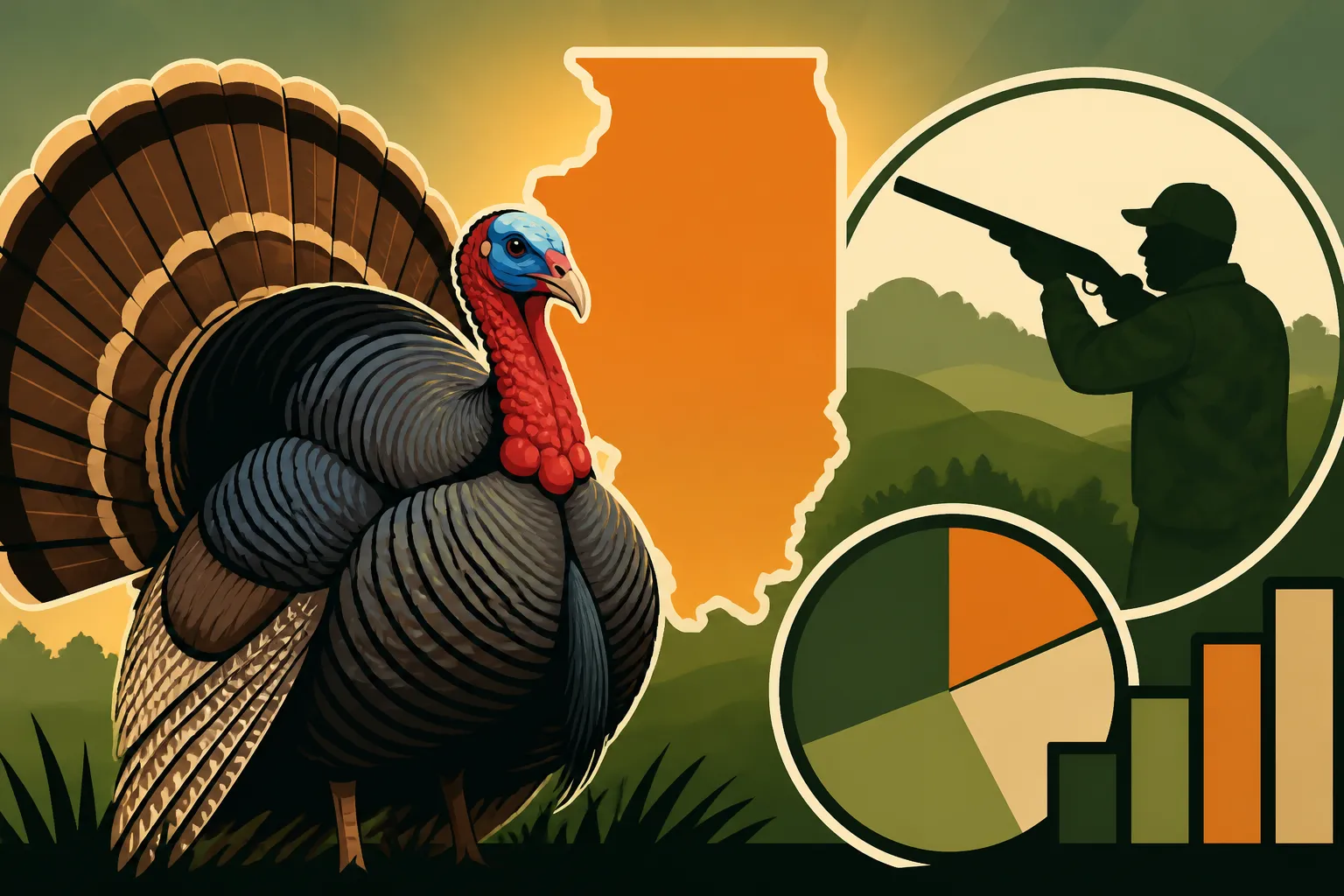
Here's a snapshot of recent Illinois Spring Turkey Harvest Data:
| Year | Total Spring Harvest | North Zone Harvest | South Zone Harvest | Notes |
|---|---|---|---|---|
| 2023 | 14,024 | 5,648 | 8,376 | Strong harvest overall |
| 2022 | 13,842 | 5,420 | 8,422 | Consistent numbers |
| 2021 | 14,642 | 5,907 | 8,735 | Good year for poult survival |
| 2020 | 16,400 | 6,900 | 9,500 | High harvest, likely due to increased participation during pandemic |
| 2019 | 13,383 | 5,342 | 8,041 | Solid, stable harvest |
Note: Data represents general trends and may vary slightly based on final IDNR reports.
Disclaimer
Hunting is an inherently unpredictable activity, and while harvest data provides valuable insights, it should not be considered a guarantee of success. Wildlife populations are dynamic and can be affected by numerous factors outside of human control. Always verify current regulations with the Illinois Department of Natural Resources (IDNR) before heading afield.