National Forest Camping Near Your Stand
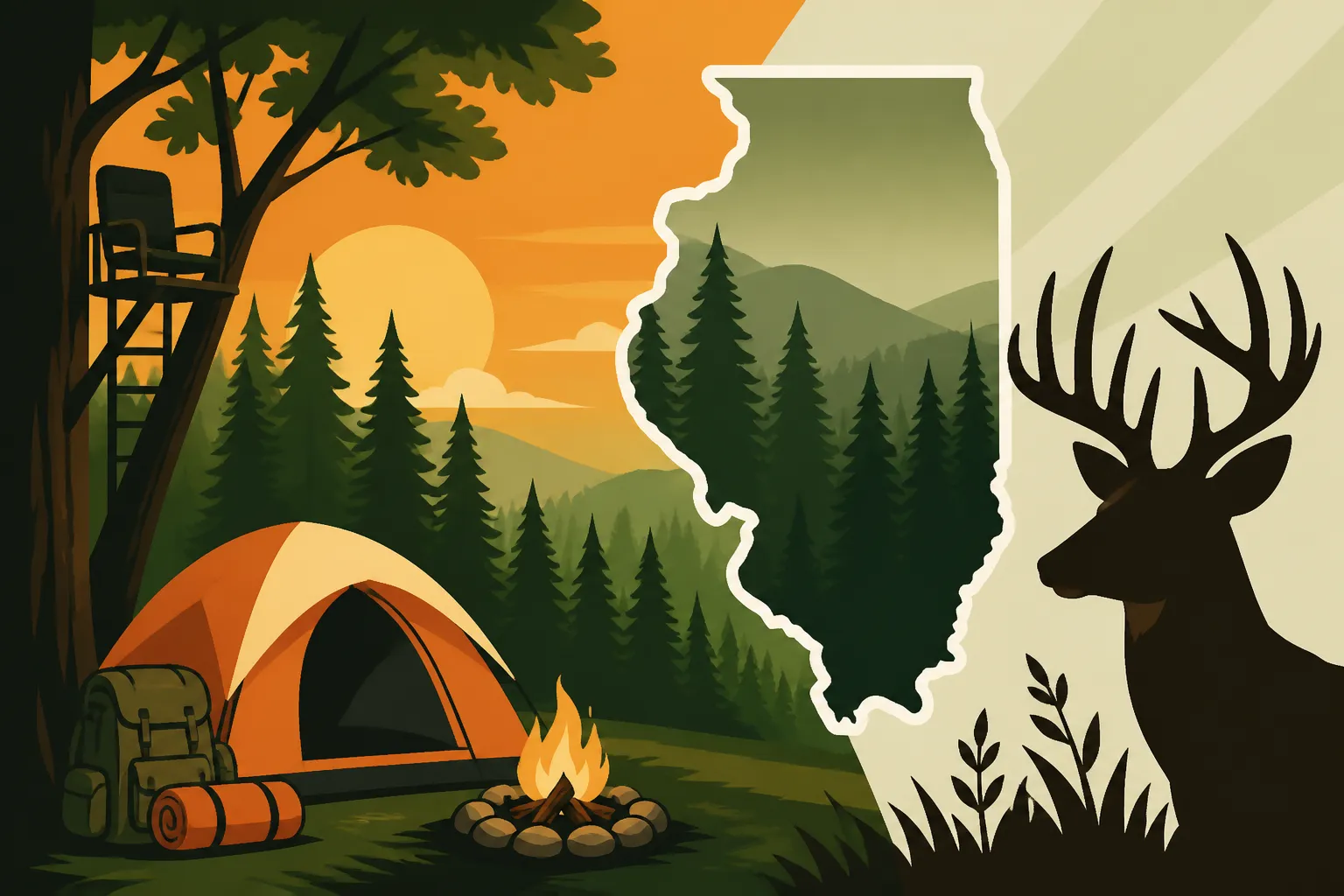
There’s a unique draw to being truly out there, deep in the woods, far from the nearest gravel road or paved parking lot. As Illinois hunters, we often face the frustrating reality of long hikes in the dark, wondering if we’re burning out our best spots with repeated entries and exits from the truck. This guide is all about embracing that deep-woods yearning by exploring how to set up a primitive camp near your stand, especially in sprawling areas like the Shawnee National Forest, transforming your hunt into an immersive wilderness experience.
Why Bivouac in the Backcountry? The Case for Camping Near Your Illinois Stand
The idea of sleeping just a stone's throw from your prime hunting setup might sound extreme to some, but for many, it's the ultimate way to connect with the hunt and gain a significant strategic advantage. Imagine waking up to the sounds of the forest, the first hint of pre-dawn light filtering through the canopy, knowing your treestand is just a short, quiet walk away. This isn't just about saving a few minutes of hiking; it's about minimizing disturbance, maximizing time in the woods, and truly becoming a part of the environment you're hunting.
The Allure of Deep Woods Immersion
There’s a profound sense of immersion that comes with being fully entrenched in the woods, rather than merely visiting it for a few hours. When you’re camping right there, you’re experiencing the forest on a whole different level. You hear the coyotes howl at night, the owls hooting, and the subtle movements of deer through the underbrush long after most hunters have packed up and left. This deep dive into the habitat provides an unparalleled opportunity to observe and learn. You'll gain insights into animal behavior, travel patterns, and bedding areas that you might miss when rushing in and out from a vehicle. It's a primal connection, and for many, it’s the most rewarding aspect of a hunt.
Beyond the mental and emotional benefits, there are tangible physical advantages. You eliminate the exhausting pre-dawn rush to the trailhead, the hasty breakfast eaten in the truck, and the long, weary walk back after a full day on stand. Instead, your commute to the stand is measured in minutes, not miles, and you can truly rest and recharge in the heart of the action. This reduced physical exertion allows you to stay sharper, longer, and be more alert during those critical first and last hours of daylight. It can also open up areas that are otherwise considered too remote or inaccessible for a day hunt, giving you a competitive edge over other hunters who stick to areas closer to road access.
Beyond the Convenience: Strategic Advantages
Camping near your stand isn't just a comfort; it's a strategic move. The primary advantage is drastically reducing your human footprint. Every time you walk a mile or two from a vehicle to your stand, you're leaving a scent trail, disturbing leaf litter, and potentially alerting wary deer. By establishing a remote camp, you consolidate your movement. You walk in once, set up camp, and then your daily movements to and from your stand are minimal, shorter, and less disruptive. This means less scent contamination, less noise, and less visual disturbance in the immediate vicinity of your hunting zone.
Another critical strategic benefit is the ability to hunt those prime morning and evening hours more effectively. How many times have you been hesitant to sit until legal shooting light is completely gone because of the long, dark walk back to the truck? When your camp is nearby, you can literally sit until the last legal second, and then have only a short, familiar path back to your tent. The same applies to mornings: you can be in your stand well before first light, settled and quiet, giving the woods time to "settle down" around you before the deer start moving. This extends your prime hunting windows significantly, increasing your chances of encountering a mature animal that might only move during these low-light periods. Furthermore, having a base camp allows you to wait out fickle weather or take a quick break midday without abandoning your hunting area completely, giving you the flexibility to adapt to changing conditions.
Navigating Regulations and Choosing Your Campsite in Illinois National Forests
Before you throw your pack on and head deep into the woods, understanding the rules and selecting the right spot for your camp are paramount. Illinois has specific regulations for camping, especially within the vast Shawnee National Forest Hunting area, which is likely where most deep-woods camping near a stand would occur. Knowing these rules ensures you stay legal and respect the natural environment.
Understanding Dispersed Camping Rules in Shawnee National Forest
The Shawnee National Forest, unlike state parks or managed Fish and Wildlife Areas, generally allows for dispersed camping, which means you can camp anywhere outside of designated campgrounds, unless otherwise posted. This freedom is what makes national forest camping so appealing for hunters looking to stay close to their stand. However, this doesn't mean it's a free-for-all. There are important guidelines to follow that are rooted in the "Leave No Trace" principles, designed to minimize your impact on the environment.
Typically, you'll need to camp at least 100-200 feet away from any designated trail, road, or water source. This helps protect fragile riparian zones, ensures privacy, and keeps your camp out of sight and mind for other forest users. Fires are usually permitted in dispersed settings, but only if they are contained within a fire ring (either pre-existing or one you construct responsibly) and all local fire restrictions are obeyed. Always check the current fire danger rating before lighting a blaze. It's also crucial to pack out everything you pack in, including all trash and food scraps. Human waste should be buried at least 6-8 inches deep and 200 feet from water sources, trails, and campsites. Knowing these specifics for Camping Rules on Illinois State Forest Land can often provide a good baseline, though national forest rules can differ slightly, so always consult the Shawnee National Forest's official website or a local ranger station for the most up-to-date and specific regulations.
The Art of Site Selection: Finding Your Spot
Choosing the right campsite is almost as important as choosing the right stand location. You want a spot that is discreet, comfortable, safe, and strategically located. When scouting your hunting area, don't just look for deer sign; also keep an eye out for potential camp spots. A good camp spot will ideally be on relatively flat ground, offering good drainage in case of rain, and be somewhat protected from the wind. Avoid low-lying areas that might collect water or cold air, and steer clear of areas prone to flash flooding, especially near creeks or river bottoms.
Using mapping tools like onX Hunt or GoHunt is invaluable for this pre-scouting. You can analyze topography, identify potential flat spots, see proximity to water sources (for filtering, not for camping directly on), and measure distances from trails or roads. Look for natural cover that can conceal your camp from casual passersby or other hunters. A small depression, a cluster of pines, or a thicket on the backside of a ridge can offer excellent seclusion. Remember, while you want to be near your stand, you don't want to be too close, disturbing the area. A buffer of a few hundred yards is often ideal, allowing you to approach your stand quietly without alerting deer that might be close to camp. Consider how you'll access the camp discreetly; a small, overlooked game trail or a hidden path through dense brush can be perfect, reducing your visibility to others.
Essential Gear and Logistics for a Remote Illinois Deer Camp
Preparing for a remote hunt, especially one involving camping near your stand, requires a different packing strategy than a typical day hunt. Every item in your pack needs to be considered for its weight, utility, and necessity. You’re no longer just carrying gear for a few hours in the woods; you’re carrying your temporary home and all the provisions that go with it.
Packing Smart: Shelter, Sleep, and Sustenance
Your gear selection is crucial for comfort, safety, and success. A lightweight, durable tent or bivy sack is your primary shelter. Look for models that can withstand potential rain and wind, yet are compact and easy to set up. A good sleeping pad and sleeping bag rated for the lowest expected temperatures are non-negotiable for a restful night. Remember, temperatures in Illinois can drop significantly overnight, even during early archery season. Layering your sleep system is often a smart move, allowing you to adapt to varying conditions.
For sustenance, focus on calorie-dense, lightweight, and non-perishable foods. Dehydrated meals are excellent, as are things like nuts, jerky, energy bars, and instant coffee. Don’t forget a lightweight cooking system, typically a small backpacking stove and fuel, along with a pot or mug. Water is heavy, so a quality water filter or purification tablets are essential, allowing you to carry less initial water and resupply from natural sources as needed. Always verify water sources on your onX Layers for Illinois Land Status or physical map beforehand. A headlamp with extra batteries, a knife, a small first-aid kit, fire starter, and navigation tools (GPS, compass, and a paper map as a backup) round out the essential survival items. Think minimalist, but don't compromise on critical safety gear.
| Gear Category | Essential Items | Considerations |
|---|---|---|
| Shelter | Lightweight tent / Bivy sack, Tarp | Weight, weather resistance, quick setup |
| Sleep System | Sleeping bag (appropriate rating), Sleeping pad | Temperature rating, pack size, comfort |
| Cooking | Backpacking stove, Fuel, Pot, Spoon | Efficiency, weight, type of fuel |
| Food | Dehydrated meals, Jerky, Nuts, Energy bars | Calorie density, non-perishable, minimal waste |
| Water | Water filter/purifier, Water bottles/bladder | Capacity, ease of use, backup purification |
| Navigation | GPS device, Compass, Paper map, onX Hunt app | Redundancy, battery life, familiarity with tools |
| Safety | First-aid kit, Fire starter, Headlamp, Whistle | Comprehensive, easily accessible, extra batteries |
| Hunting | Bow/Rifle, Ammunition/Arrows, Optics, Calls | Don't forget the primary reason you're there! |
| Other | Knife, Cordage, Small shovel (for catholes) | Multi-purpose, durable, lightweight |
Game Management and Scent Control Away From Civilization
The logistics of managing a successful hunt, especially if you harvest an animal, are amplified when you're deep in the woods with a primitive camp. Getting a deer out when you’re miles from the road is a monumental task. You need to consider game recovery methods like quartering the animal in the field to reduce weight and bulk. A sharp knife, game bags, and a lightweight meat saw are indispensable. Some hunters might even bring a compact game cart, but these are often bulky and difficult to maneuver over rough terrain, making them more suitable for areas with established trails. Learning how to properly Field Dressing a Deer in Cold Weather and Butchering a Deer at Camp becomes incredibly important when you're away from home.
Scent control becomes even more critical when your "home" is within the deer's habitat. Your camp needs to be as scent-free as possible. Store all food in airtight containers, preferably in a bear bag hung from a tree, even if black bear sightings are rare in Illinois. Any cooking should be done downwind and away from your sleeping area and hunting approach. Change into your hunting clothes away from camp, and ideally, keep them in a scent-free bag until you’re ready to hunt. Showering isn't an option, so using scent-eliminating wipes and spray is a good idea. Dispose of all trash immediately and properly, ensuring no food odors linger. The goal is to minimize any foreign scent that could alert nearby deer to your presence, making your camp as inconspicuous as possible.
Safety, Communication, and Respecting the Wild
While the allure of a deep-woods hunt and remote camping is strong, it's crucial to prioritize safety. Being miles from civilization means you need to be self-reliant and prepared for contingencies. The wild can be unforgiving, and a small oversight can lead to a big problem.
Staying Connected and Prepared for Emergencies
Cell phone service is often non-existent in the deeper reaches of the Shawnee National Forest or other remote Illinois public lands. Relying solely on your phone for communication or navigation is a dangerous gamble. This is where a satellite communication device like a Garmin inReach or Zoleo becomes a lifesaver. These devices allow you to send and receive text messages, share your GPS location, and, critically, send an SOS signal to emergency services, even without cell service. Think of it as a low-cost insurance policy for your life. Before you leave, always share your detailed hunting and camping plans, including your route and expected return time, with a trusted friend or family member. This is a basic but often overlooked safety measure.
Beyond communication, a comprehensive first-aid kit is non-negotiable. It should be tailored to handle common hunting injuries like cuts, sprains, blisters, and insect bites, but also include supplies for more serious emergencies. Knowing basic wilderness first aid can make a huge difference in an emergency situation. Also, be aware of the Physical Demands of a Southern Illinois Deer Hunt. The rugged terrain, potential for long hikes with heavy loads, and exposure to the elements can take a toll. Ensure you are physically capable of the challenge, and always carry enough water and high-energy snacks to avoid dehydration or exhaustion.
Minimizing Your Impact and Practicing Leave No Trace
When you're camping in a national forest, you become a steward of that land. Practicing Leave No Trace principles isn't just a suggestion; it's a responsibility. This means planning ahead and preparing, traveling and camping on durable surfaces, disposing of waste properly, leaving what you find, minimizing campfire impacts, respecting wildlife, and being considerate of other visitors. For hunters, this also extends to ethical harvest and game recovery. Ensure you have the skills and equipment to humanely harvest an animal and recover it efficiently, even from deep within the woods. Dragging a Deer Out of a River Bottom or off a steep ridge can be challenging, but it's part of the commitment to your harvest.
Leaving what you find means not disturbing historical sites, removing natural objects, or defacing trees. It means your camp, when you pack up, should look as if you were never there. By following these guidelines, we ensure that these precious wild spaces remain pristine for future generations of hunters and outdoor enthusiasts. Embrace the challenge and reward of a deep-woods hunt from a primitive camp, but always do so responsibly and safely. It's an experience that truly connects you to the heart of Illinois hunting.
Disclaimer
This article is for general informational purposes only and does not constitute professional advice. Laws, prices and regulations vary by location and change over time. Consult a qualified professional for guidance on your specific situation.