Illinois Pheasant Habitat Area Access
For many Illinois hunters, the thought of pheasants bursting from tall cover on a crisp autumn morning is the stuff of dreams. Yet, turning that dream into reality often hits a snag: finding accessible, quality habitat. It can feel like every good pheasant spot is locked behind private land fences, leaving public land hunters wondering if they'll ever hear that glorious cackle. This guide is dedicated to breaking down exactly how to navigate and make the most of public pheasant habitat areas across Illinois, ensuring you have the knowledge to find those elusive birds.
Understanding Illinois's Dedicated Pheasant Habitat
Illinois might not have the reputation of some western states for vast pheasant populations, but dedicated efforts by the Illinois Department of Natural Resources (IDNR) and conservation partners mean there are specific areas managed with upland birds, including pheasants, in mind. These aren't just random patches of grass; they are strategically developed and maintained parcels designed to provide the crucial escape cover, nesting sites, and wintering habitat pheasants need to survive and thrive. Understanding the different types of these areas and their management goals is the first step toward a successful hunt.
State Fish and Wildlife Areas (SFWA) and Recreation Areas
Many of Illinois's premier pheasant hunting opportunities are found within larger Illinois State Fish and Wildlife Areas and State Recreation Areas. These expansive properties are managed for a variety of game species, but many have specific units or fields dedicated to upland game. The management here is often intense, involving prescribed burns, carefully timed mowing, and planting of diverse native grasses and food plots that benefit pheasants directly. Think about places like Jim Edgar Panther Creek State Fish and Wildlife Area, where specific fields are managed for upland bird hunting, or larger areas that are known for their expansive grasslands.
What you'll typically find in these areas are large blocks of diverse cover. This isn't just a single species of grass; it’s often a mix of switchgrass, indiangrass, big bluestem, and various forbs that provide a dense, complex habitat. This multi-layered cover offers great escape routes from predators, perfect nesting cover, and crucial thermal protection during the harsh Illinois winters. Knowing that the IDNR is actively managing these parcels specifically for species like pheasants gives you confidence that your scouting efforts will likely lead to finding birds, even if you have to work for them.
IDNR Pheasant Release Sites
Beyond naturally occurring populations, the IDNR also runs a significant pheasant stocking program, specifically designed to enhance hunting opportunities, especially for those in areas with lower wild bird densities. These are designated release sites, often within existing SFWAs or other managed public lands, where pheasants are released prior to and sometimes during the season. This is a game-changer for hunters, as it guarantees a higher probability of encountering birds. The challenge, of course, is that these areas can also attract significant hunting pressure, particularly on opening days and weekends.
When hunting these release sites, it’s important to temper expectations regarding "wild" bird behavior. While these birds are often quite feisty and will hold well for dogs, they are not always as cunning as truly wild pheasants. They might not flush as far, or they might try to hide in cover that a truly wild bird would deem too sparse. However, for a hunter looking for consistent action and a good chance at putting some birds in the bag, these sites are invaluable. Always check the specific site regulations for release schedules and any additional permit requirements, as these can vary significantly from general small game regulations. Illinois Pheasant Season and Stocking provides more context on these efforts.
Navigating Access to Public Pheasant Areas
Finding the right spot on public land is often the biggest hurdle for pheasant hunters. Illinois doesn't always make it easy with vast, obvious public hunting grounds like some western states. Instead, it's a patchwork, requiring diligent research and smart use of mapping tools. You can't just drive down a road and expect to see "Public Hunting" signs everywhere; you need to know exactly where to look and how to interpret the boundaries.
Utilizing Online Mapping Tools
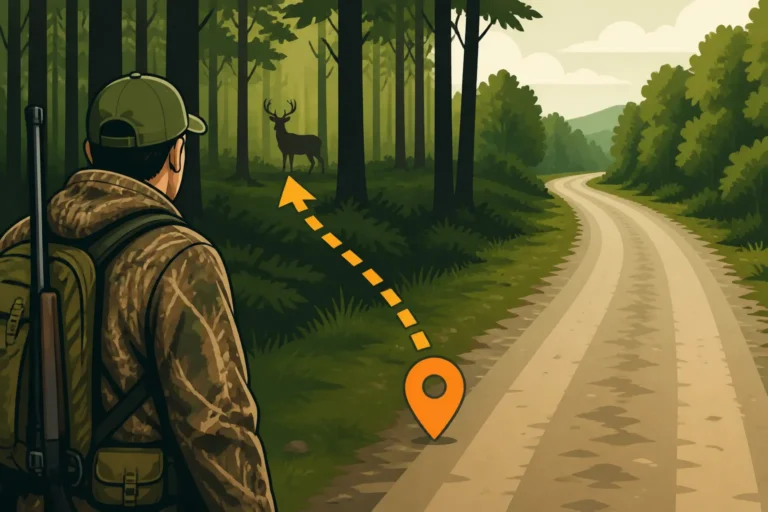
In today's hunting world, digital mapping applications are indispensable, especially for public land navigation. Tools like onX Hunt and GoHunt have revolutionized how hunters scout and access public ground. These apps provide detailed property line information, indicating public versus private land, and often have overlays for different habitat types. For pheasant hunters, this means you can identify potential grassland blocks, CRP fields, or managed upland areas within SFWAs long before you ever set foot in the field.
Imagine sitting at home, scrolling through a satellite image of an Illinois State Fish and Wildlife Area. With onX Hunt, you can pinpoint specific fields that show characteristics of good pheasant cover – dense, unbroken grass, proximity to food sources, and adjacent thickets for thermal cover. You can also clearly see walking trails, parking areas, and boundary lines, which are absolutely critical for avoiding trespass and planning your entry and exit routes. This virtual scouting saves countless hours of driving and gives you a strategic advantage, allowing you to focus your physical scouting efforts on the most promising areas.
Understanding Site-Specific Regulations and Permits
Just because a piece of land is designated as a pheasant habitat area doesn't mean you can just show up and start hunting. Many public hunting areas in Illinois, especially those with managed pheasant populations or stocking programs, operate under site-specific regulations that can differ from statewide rules. This often includes requirements for special permits, sign-in/sign-out procedures, designated hunting days, and sometimes even limitations on the number of hunters or the number of birds that can be harvested. Ignoring these specific rules can lead to fines and loss of hunting privileges.
For instance, some popular pheasant release sites might require a "daily permit" or a "windshield card" that you pick up at a check station or print online. These permits help the IDNR manage pressure and collect harvest data. Always consult the IDNR's "Digest of Hunting and Trapping Regulations" and specifically look up the rules for the individual site you plan to visit. The Illinois Hunter Education Requirements section of our site reminds us of the importance of knowing and following all regulations for a safe and legal hunt. It’s also wise to check for any area closures or restrictions before heading out, as conditions can change rapidly. A quick call to the site office can clarify any uncertainties.
Scouting Before the Season Opens
Even with the best mapping tools, nothing replaces boots-on-the-ground scouting. Visiting your chosen pheasant habitat area before the season opens (but after any crops are harvested and with respect to non-hunting activities) allows you to confirm what the maps show. You can identify potential access points, see the actual condition and height of the cover, locate water sources, and look for signs of bird activity like tracks, feathers, or dusting bowls. This pre-season reconnaissance also helps you understand how other hunters might use the area, allowing you to plan strategies to avoid crowded spots.
When scouting, pay close attention to the edges of fields, brush lines, and natural funnels that birds might use for travel or escape. These are often high-traffic areas for pheasants. Walk through different types of cover to get a feel for how dense it is and how your dog might navigate it. Note any changes in topography or subtle draws that could hold birds. Remember, a pheasant's survival depends on its ability to evade predators, so they'll often be found in the thickest, nastiest cover available, sometimes areas that other hunters walk right past. Scouting Illinois Public Land Before Season offers broader tips that apply well to pheasant hunting.
Planning Your Hunt on Illinois Pheasant Habitat Areas
Pheasant hunting isn't just about walking fields; it's a strategic endeavor, especially on public land where pressure can be a factor. A well-thought-out plan, combining knowledge of bird behavior, effective dog work, and an understanding of human dynamics, dramatically increases your chances of success. It's about working smarter, not just harder, to put those vibrant birds in the vest.
The Role of Hunting Dogs
Let's be real: trying to hunt pheasants effectively without a good bird dog on public land is like trying to drive a nail with a sponge – frustrating and largely unproductive. Pheasants are notorious runners, and dense Illinois cover provides ample opportunity for them to sneak away unnoticed by human eyes. A well-trained pointing or flushing dog is absolutely essential. Pointing breeds, like German Shorthaired Pointers or English Pointers, excel at finding and holding birds, allowing the hunter to move in for the flush. Flushing breeds, such as Springer Spaniels or Labrador Retrievers, are adept at systematically working cover and pushing birds into the air.
A dog's keen sense of smell can pick up faint scent trails that humans would never detect, tracing a running bird through thick grass and pinning it down. Furthermore, their ability to retrieve downed birds from dense cover is invaluable, minimizing lost game and ensuring ethical hunting. When hunting with a dog, pay attention to their body language. A dog on scent will often become animated, tail wagging faster, nose to the ground, moving with purpose. Trust your dog; they're often telling you where the birds are, even if you can't see them yet. Running Pointing Dogs on Illinois Pheasants delves deeper into working specific breeds.
Timing Your Hunts for Success
Hunting pheasants isn't a "whenever you feel like it" kind of pursuit, especially if you're targeting public ground. The timing of your hunt can make a huge difference in your success rate and overall experience. Early season, particularly opening weekend, sees the highest number of birds (especially at release sites) but also the highest hunting pressure. As the season progresses, hunting pressure generally wanes, but the birds become warier and are often concentrated in the thickest, nastiest cover remaining.
Consider hunting during the week if your schedule allows; fewer hunters mean less competition for birds and a more relaxed experience for you and your dog. Also, pay attention to the weather. A light rain can sometimes keep other hunters home, and pheasants tend to hold tighter in damp conditions. Cold, clear days after a fresh snow can make tracking easier and push birds into heavier cover. Conversely, windy days can scatter scent, making it harder for dogs to work effectively. Remember, Illinois Small Game Season Rules generally govern pheasant hunting, so know your dates and shooting hours.
Working the Cover Effectively
Pheasants love dense, unbroken cover, and they'll often run along the ground rather than flushing, making them incredibly challenging to hunt without a proper strategy. When working a field, think about how you'll cover the ground systematically. If hunting solo or with a single dog, work in a grid pattern, covering strips of cover and quartering into the wind. This allows your dog to pick up scent most effectively. If you're hunting with a partner or a small group, you can employ a "block and push" strategy, with some hunters walking through the cover (the pushers) and others positioned at the end or sides of the field (the blockers) to intercept running birds.
Always work into the wind if possible. This allows your dog to scent birds much more easily and gives you the advantage of the bird's natural inclination to flush into the wind. When a bird flushes, be prepared for a quick shot; pheasants are fast and often put obstacles between themselves and you immediately. And don't give up on dense pockets of cover, no matter how daunting they look. That small, uninviting patch of briars might be exactly where a smart old rooster has decided to hide.
Optimizing Your Success in Public Pheasant Fields
Even with proper planning and a good dog, public land pheasant hunting presents unique challenges. Maximizing your success means adapting your tactics to the specific conditions you encounter, being mindful of other hunters, and prioritizing safety. It's about being a well-rounded hunter who can read the land and the situation.
Reading the Field and Bird Behavior
Pheasants are creatures of habit, but their habits can change based on pressure, weather, and food availability. Before you even step into a field, take a moment to "read" it. Where's the densest cover? Where are the edges of different habitat types? Are there any small drains or low spots that might offer protected travel routes? What about food sources nearby – unharvested corners of corn, an alfalfa field, or a patch of wild sunflowers? Birds will often move between feeding areas and heavy cover, and understanding these patterns can help you intercept them.
As you hunt, pay attention to how birds are reacting. Are they flushing wild, indicating high pressure? Or are they holding tight, suggesting they haven't been bothered much? If birds are flushing out of range, you might need to adjust your approach, perhaps slowing down, changing your angle, or using blockers more effectively. If your dog goes on point in seemingly open cover, trust them; a pheasant can make itself incredibly small and blend in perfectly. A quick, decisive approach to a point is often key before the bird decides to run. For tips on hunting specific cover types, look at Pheasant Hunting Illinois Grassland.
Safety First: Blaze Orange and Hunter Awareness
On public land, safety is paramount, especially when multiple hunting parties might be present. Illinois Blaze Orange Requirements are not just suggestions; they are critical for your visibility to other hunters. Always wear sufficient blaze orange, covering at least 400 square inches of your head, chest, and back. This bright color ensures you stand out against the natural backdrop, making you easily identifiable as a human hunter, not game.
Beyond wearing orange, practice constant situational awareness. Know where your hunting partners are at all times. Never shoot at sound or movement; positively identify your target and ensure you have a safe backdrop free of people, buildings, or livestock. When walking through thick cover, keep your gun's muzzle pointed in a safe direction and your finger off the trigger until you are ready to shoot. Communicate with your group, especially when birds flush, to coordinate shots and ensure everyone knows where the birds are going. Common courtesy, like giving other hunting parties space and not "crashing" their hunt, goes a long way in ensuring a positive experience for everyone.
Post-Hunt Care and Ethical Harvest
Once you've successfully harvested a pheasant, proper field care is essential to ensure the meat is of the highest quality. Immediately tag your bird as required by your permit, and if you have multiple permits, mark the correct one. Field dress the bird as soon as possible to allow the carcass to cool down, especially on warmer early season days. Removing the entrails helps prevent spoilage and can improve the flavor of the meat.
After field dressing, place the bird in a game bag or cooler, keeping it out of direct sunlight. Once home, clean the bird fully, removing feathers, skin (if desired), and any remaining organs. The breast meat is often the prize, but don't overlook the legs and thighs, which are delicious when slow-cooked or braised. Pheasant meat is lean and flavorful, and treating it with respect from the field to the table is part of the ethical hunter's responsibility. It's also important to report your harvest if required by the specific site permit, contributing valuable data to wildlife management efforts.
Common Challenges and Best Practices
Hunting pheasants on public land in Illinois isn't without its difficulties. From navigating crowds to dealing with inconsistent bird populations, hunters face various hurdles. However, by anticipating these challenges and adopting best practices, you can significantly improve your chances of a rewarding experience.
Managing Hunting Pressure
Public land in Illinois, especially those well-known for pheasant hunting, can see considerable pressure, particularly on weekends and during the early season. This pressure can make birds wary, push them into less accessible cover, or simply mean you're competing with other hunters for the same birds. The best practice here is strategic avoidance and adaptation. Try to hunt during weekdays when possible, or target mid-day hunts after the initial morning rush has subsided. Consider hunting later in the season when many fair-weather hunters have moved on to other pursuits.
Another tactic is to seek out less obvious access points or to walk further than other hunters are willing to go. Often, productive pockets of cover exist just a quarter or half-mile beyond where most people stop. Use your onX Hunt app to identify these overlooked corners or isolated patches of habitat. A little extra effort can often put you into birds that haven't been pressured as heavily. Remember to always be respectful of other hunters you encounter; a friendly wave and a brief chat can often clarify intentions and help avoid conflicts.
Adapting to Habitat Changes
Illinois's landscape is constantly changing, and pheasant habitat is no exception. Crop rotations, new farming practices, development, and even natural succession can alter the quality and availability of suitable cover. What was a prime field one year might be a cornfield the next, or a patch of thick grass might have been mowed or burned. This means that successful pheasant hunters must be adaptable and commit to ongoing scouting.
Regularly check the IDNR website for updates on specific site management plans. Look for information on prescribed burns, planting projects, or areas that might be temporarily closed for habitat work. Use satellite imagery on GoHunt or similar tools to get a current view of the landscape before you head out. Be prepared to change your hunting plans on the fly if your primary spot looks different than expected. Flexibility is key; if your initial plan doesn't pan out, having a backup area in mind, or being willing to explore new sections of a known site, can salvage your hunt.
Respecting Land and Wildlife
As hunters, we are guests on the land, whether public or private. Our actions reflect on the entire hunting community, and it's our responsibility to leave every area better than we found it. This means picking up any trash, including spent shotgun shells. It means being mindful of gates, fences, and roads, ensuring they are left as you found them. It means respecting all rules and regulations, even when you might not fully understand their purpose.
Furthermore, respecting the wildlife means making ethical shots, retrieving all downed game, and not pushing birds unnecessarily when you already have your limit. It means contributing to conservation efforts, through license purchases and participation in surveys. Our continued access to these valuable pheasant habitat areas depends on our collective behavior and our commitment to being responsible stewards of the land and its resources. By embracing these best practices, we not only enhance our own hunting experiences but also help ensure that future generations can enjoy the thrill of pheasant hunting in Illinois.
| Public Pheasant Habitat Area Type | Typical Management | Key Advantages for Hunters | Potential Challenges | Permit Requirements |
|---|---|---|---|---|
| State Fish & Wildlife Areas (SFWA) | Intensive habitat work (burns, plantings), diverse cover | Good wild bird potential, extensive acreage, varied terrain | Can be heavily pressured, specific zones | Often site-specific daily permits or sign-in |
| IDNR Pheasant Release Sites | Stocking program, maintained cover | Higher likelihood of encountering birds, good for new hunters/dogs | Very high pressure, birds can be less "wild" | Mandatory site-specific permits, sometimes a fee |
| CRP/Farm Bill Programs on Public Land | Native grassland restoration, buffer strips | Excellent natural cover, good for wild birds, less obvious to some hunters | Can be smaller, scattered, harder to identify | Often general small game license |
Disclaimer
This article is for general informational purposes only and does not constitute professional advice. Laws, prices and regulations vary by location and change over time. Consult a qualified professional for guidance on your specific situation.