Trail Camera Rules on Illinois Public Land
Navigating the world of public land hunting can feel like walking through a minefield of regulations, and when you throw trail cameras into the mix, it often gets even more complicated. Many of us want to leverage technology to scout smarter, especially on lands we can't visit daily, but the rules for placing trail cameras on Illinois public hunting ground aren't always clear-cut. This guide is here to break down the complexities, helping you understand where, how, and if you can use trail cameras to boost your hunting success without running afoul of the law or disrupting other hunters.
The General Lay of the Land for Trail Cameras in Illinois
It's a frustrating reality that what's perfectly fine on one piece of public land might be a swift ticket on another, even within the same state. Trail camera usage is a prime example of this patchwork of rules, and it often leads to confusion and, unfortunately, unintentional violations. The core issue is that "public land" isn't a single entity; it's a collection of properties managed by different agencies, each with its own set of guidelines.
Why the Rules Can Be Confusing
One of the biggest headaches for hunters is that Illinois has various types of public land – everything from State Parks and Fish and Wildlife Areas (FWAs) managed by the Illinois Department of Natural Resources (IDNR) to federal lands like the Shawnee National Forest and specific National Wildlife Refuges. Each of these agencies, and sometimes even individual sites within an agency, can have slightly different rules regarding what equipment you can leave unattended, and how that equipment can be attached to trees or other natural features. What might be allowed by a simple strap on a tree in one area could be considered damaging and prohibited in another. Plus, regulations are always subject to change, so what was true last season might not hold true this year, adding another layer of complexity.
Key Principles to Remember
Before you even think about hanging a camera, internalizing a few key principles will serve you well across all public lands. The overarching philosophy of public land use often boils down to "leave no trace." This means avoiding any actions that permanently alter the landscape or leave behind litter. For trail cameras, this translates directly to how you mount them. Generally, any method that penetrates the tree bark – nails, screws, even heavy-duty staples – is a big no-go. These methods are considered damaging to the tree and are almost universally prohibited. Beyond that, consider the visual impact. Are you placing a bright, obtrusive camera in a spot where it's glaringly obvious to every passerby? While not always illegal, it certainly goes against good etiquette and can lead to issues with other users, or even theft. Always remember that public land is shared space, and respect for nature and fellow outdoorsmen should guide your decisions.
Specific Public Land Categories and Their Rules
Understanding the nuances of different land management agencies is crucial for legal and ethical trail camera use. You can't assume a rule that applies to a state park will apply to a national forest, or vice-versa.
Illinois Department of Natural Resources IDNR Sites (State Parks, FWAs)
When it comes to lands managed directly by the Illinois Department of Natural Resources, such as State Fish and Wildlife Areas or portions of State Parks open to hunting, the rules are often the most restrictive regarding unattended equipment that modifies or attaches to trees. In most cases, the use of nails, screws, or any device that pierces the bark of a tree to hang a trail camera is explicitly prohibited. This is for the health of the timber and to maintain the natural integrity of the forest.
Some IDNR sites might allow cameras to be temporarily secured with non-invasive straps or bungee cords, provided they do not damage the tree and are removed daily or after the hunt. However, leaving cameras unattended for extended periods, especially overnight, can be a grey area or outright forbidden on many specific sites. It’s absolutely essential to check the individual site-specific regulations for any IDNR property you plan to hunt. These regulations are typically available on the IDNR website or posted at the site office. Don't rely on general knowledge; a quick call or a look at the specific site's regulations section can save you a lot of grief. Unfortunately, even if you follow all the rules, these high-pressure public lands are notorious for trail camera theft and vandalism. It's a risk many hunters weigh against the potential reward of scouting data. For more on navigating these types of areas, you might find insight in Illinois State Fish and Wildlife Areas and Illinois State Park Hunting.
Shawnee National Forest
The Shawnee National Forest, being federally managed, operates under a slightly different set of rules compared to IDNR sites. Generally, the U.S. Forest Service has a more permissive stance on temporary, non-damaging equipment. This means you can typically use trail cameras within the Shawnee National Forest, provided you're not using nails, screws, or anything that physically damages the trees. Straps, bungee cords, or even tripods that don't leave a permanent mark are usually acceptable methods for securing your camera.
However, the "unattended" aspect still requires consideration. While you can leave a camera out for an extended period, it's still your responsibility to ensure it's not violating any other forest regulations, such as those pertaining to property abandonment or litter. It’s always a good practice to clearly mark your camera with your name and contact information. Remember, even though federal land often feels more "wild" and less regulated than state lands, proper etiquette and checking local forest office guidelines are always recommended. Theft is still a real concern here, especially in easily accessible areas. For a deeper dive into hunting this vast area, check out Shawnee National Forest Hunting.
National Wildlife Refuges NWRs
National Wildlife Refuges are perhaps the most restrictive when it comes to unattended equipment, including trail cameras. These lands are managed primarily for wildlife conservation, and human disturbance, including that from unattended items, is often highly regulated. Many National Wildlife Refuges in Illinois, such as Crab Orchard National Wildlife Refuge or Cypress Creek National Wildlife Refuge, have strict prohibitions against leaving any unattended equipment, blinds, or stands. This would absolutely include trail cameras.
The rationale is to prevent litter, reduce human impact, and ensure that wildlife is not habituated or disturbed by foreign objects left in their habitat. Therefore, if you plan to hunt on an NWR, it is almost certain that trail cameras will be forbidden. You absolutely must check the specific regulations for the individual refuge you intend to hunt. These are federal lands, and violations can carry significant penalties. Don't risk it; verify before you ever even consider packing a camera. For more information on these unique areas, read Illinois National Wildlife Refuges.
Practical Considerations for Deploying Trail Cameras Where Permitted
Even when you've confirmed that trail cameras are allowed, there are still best practices and considerations to keep in mind to make your efforts worthwhile and minimize potential problems.
Choosing the Right Camera and Mount
Not all trail cameras are created equal, and on public land, certain features become more important. Durability is key; these cameras will be exposed to the elements and potentially curious animals or people. Look for robust, weather-resistant models. When it comes to mounting, prioritize non-invasive options. Most modern trail cameras come with a strap specifically designed to wrap around a tree without damaging it. If you're particularly concerned about theft, investing in a security box and a python cable lock (which wraps around the tree and through the box) can deter opportunistic thieves, though nothing is foolproof.
For those looking to go high-tech, cellular trail cameras can transmit images directly to your phone. This significantly reduces the need for frequent trips to the camera location, which in turn reduces your scent footprint and disturbance in your hunting area. However, cellular coverage can be spotty in remote public land spots, and you'll need to factor in the cost of a data plan. Be aware that the use of live-feed or real-time transmitting cameras can also have specific restrictions on some public lands, so another check of the local regulations is prudent.
Placement Strategies to Avoid Issues
Once you have your camera, where you put it matters immensely. On public land, stealth is your friend. Avoid placing cameras directly on main trails or in obvious, high-traffic areas where they are easily spotted by other hunters or hikers. Instead, look for subtle deer trails, pinch points, or rub lines slightly off the beaten path. Utilizing natural cover to camouflage your camera can also help. Position it behind a bush, partially obscured by a branch, or even tuck it into a thicket.
Consider the angle and height. A camera placed too high might miss smaller game or close-range shots. Too low, and you risk false triggers from vegetation or simply capturing legs. Angle your camera slightly downward to get a good field of view without pointing it directly at the sun, which can cause glare and poor image quality. Remember battery life; a camera left out for weeks on end will eventually die. Plan your checking frequency based on your camera's battery performance and your willingness to disturb the area. For tips on identifying productive areas, consider Scouting Illinois Public Land Before Season.
Checking and Retrieving Your Cameras
The act of checking and retrieving your camera is just as important as its initial placement. Every time you walk into a hunting area, you leave scent and create disturbance. Minimize this impact by planning your visits strategically. Try to check cameras during the middle of the day when deer activity is typically lower, or on days with unfavorable wind conditions for hunting, which might also be less desirable for other hunters. Access your camera via routes that minimize your footprint in prime bedding or feeding areas.
When you do approach the camera, be quick and efficient. Change cards, swap batteries, and be on your way. Avoid lingering, talking loudly, or leaving trash. Always pack out anything you pack in, including old batteries. Unfortunately, despite all precautions, trail camera theft remains a significant problem on public land. It's a disheartening reality that some individuals will steal another hunter's property. While you can report thefts to local authorities or game wardens, recovery rates are often low. This means you need to weigh the value of the scouting information against the risk of losing your equipment.
The Ethics and Etiquette of Public Land Camera Use
Beyond the letter of the law, there's an unwritten code of conduct when using public land, and it absolutely extends to trail camera placement. Being a good steward and respecting your fellow hunters can prevent a lot of headaches for everyone.
Respecting Other Hunters and Nature
Public land is, by its very definition, shared. This means that while you have the right to be there, so does everyone else. When deploying trail cameras, consider how your actions might impact others. Don't place a camera in a spot that feels like you're "claiming" an area or blocking access to a popular hunting spot. Avoid over-saturating an area with multiple cameras, as this can create an impression of territoriality. The goal of scouting is to find game, not to stake a claim.
Remember the "leave no trace" ethos. This means not just preventing damage to trees, but also ensuring you don't leave any trash, packaging, or even old batteries behind. The less evidence of your presence, the better for both wildlife and other human users. If you encounter another hunter's camera, leave it alone. Do not tamper with it, move it, or take it. We're all out there trying to enjoy the outdoors, and mutual respect is paramount.
Dealing with Theft or Vandalism
It’s a tough pill to swallow, but if you put a trail camera on public land, you run the risk of it being stolen or vandalized. It’s an unfortunate reality of shared resources, and it can be incredibly frustrating to have your expensive equipment vanish. While you absolutely should report any theft to the Illinois Department of Natural Resources conservation police or local law enforcement, manage your expectations for recovery. It's rare that cameras are returned, though sometimes the evidence on the camera itself (if it captured the thief) can aid in identification.
When considering whether to deploy a camera, think about the "risk versus reward." Is the potential intelligence you gain worth the monetary value of the camera if it were to disappear? Some hunters choose to use older, less expensive cameras on public land for this reason. Others decide the risk is too high and opt for different scouting methods entirely. Remember, prevention is your best defense: choose a subtle, hard-to-spot location, use a security box and cable lock, and consider writing your name and phone number on the camera.
Using Digital Scouting Tools to Supplement or Replace Cameras
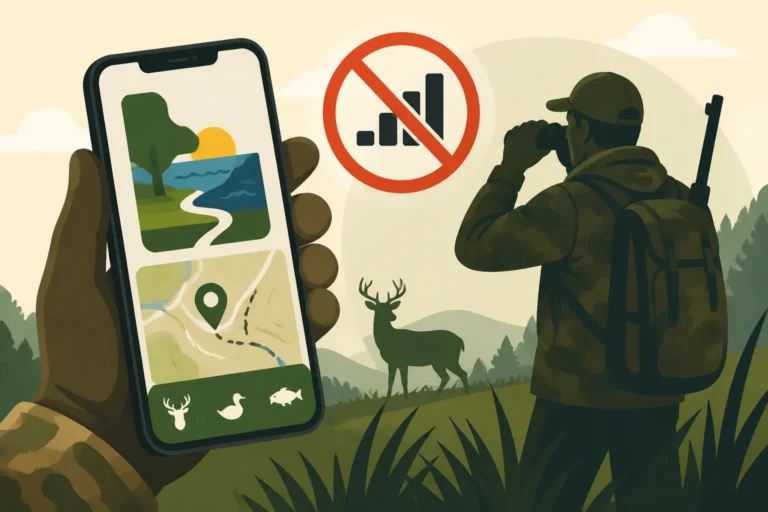
In an age of advanced technology, physical trail cameras aren't the only game in town for remote scouting. Many hunters are turning to sophisticated mapping applications to gain an edge, often reducing or even eliminating their need for physical cameras, especially on public land where rules and theft are concerns.
The Power of Mapping Apps
Applications like onX Hunt and GoHunt have revolutionized how hunters scout and navigate public lands. These powerful tools offer incredibly detailed aerial and satellite imagery, topographical maps, and, critically, property line information. With a few taps on your phone, you can see exactly where public land ends and private land begins, preventing accidental trespassing – a huge benefit when Finding Illinois Property Lines. You can mark potential bedding areas, identify funnels, locate water sources, and pinpoint remote access points without ever stepping foot in the woods. This significantly reduces the disturbance you leave in your hunting area, keeping those mature bucks feeling safe.
Imagine sitting at home, poring over satellite images, marking a secluded ridge that might hold a big buck. You can see dense cover, subtle elevation changes, and potential travel corridors. You can overlay different maps, such as topo lines with aerial photos, to get a comprehensive understanding of the terrain. This kind of remote scouting lets you cover vast amounts of ground digitally, narrowing down your focus to only the most promising areas for physical scouting, or potentially even for hanging a stand if you've done enough homework. For a deeper dive into these features, explore onX Layers for Illinois Land Status and Reading Aerial Photos for Southern Illinois Deer.
Scouting Without Leaving a Trace
The beauty of digital scouting and old-fashioned "boot leather" scouting is that they leave minimal to no trace. Instead of relying solely on cameras, focus on learning to read the land itself. Spend time observing from a distance with binoculars, looking for natural travel corridors, food sources, and bedding areas. Understanding Wind and Thermals on a Southern Illinois Ridge can tell you more about deer movement than a hundred trail camera pictures if you know how to interpret it.
Walk the edges of thick cover, identify fresh sign like tracks, rubs, and scrapes, and try to piece together the puzzle of deer movement. Learn how to identify different tree species and their mast crops. A good scout can determine the current food sources and where deer are likely to concentrate without needing a camera to confirm it. This "no-trace" approach is not only permissible everywhere but also hones your hunting skills, making you a more effective and adaptable hunter in the long run, whether cameras are allowed or not.
Comparing Trail Camera Regulations by Public Land Type
Here's a quick reference table summarizing the general stance on trail cameras for different types of public hunting land in Illinois. Always, always double-check specific site regulations before deploying.
| Public Land Type | General Trail Camera Status | Mounting Restrictions | Key Considerations |
|---|---|---|---|
| IDNR Sites (State Parks, FWAs) | Generally restricted or prohibited for unattended, long-term placement. May allow temporary use with strict rules. | No nails, screws, or anything damaging to trees. Straps may be allowed for temporary use, site-dependent. | High risk of theft/vandalism. Must check specific site regulations. Frequent checks may be required if allowed. |
| Shawnee National Forest | Generally permitted for non-damaging, temporary placement. | No nails, screws, or damaging methods. Straps and bungee cords are typically allowed. | Mark cameras with ID. Still a risk of theft. Follow "leave no trace" principles. |
| National Wildlife Refuges | Almost universally prohibited for unattended equipment, including trail cameras. | Not applicable, as cameras are typically not allowed. | Managed primarily for wildlife, strict rules. Violations can carry significant federal penalties. Double-check everything. |
Disclaimer
This article is for general informational purposes only and does not constitute professional advice. Laws, prices and regulations vary by location and change over time. Consult a qualified professional for guidance on your specific situation.