Dog Training on Illinois Public Land
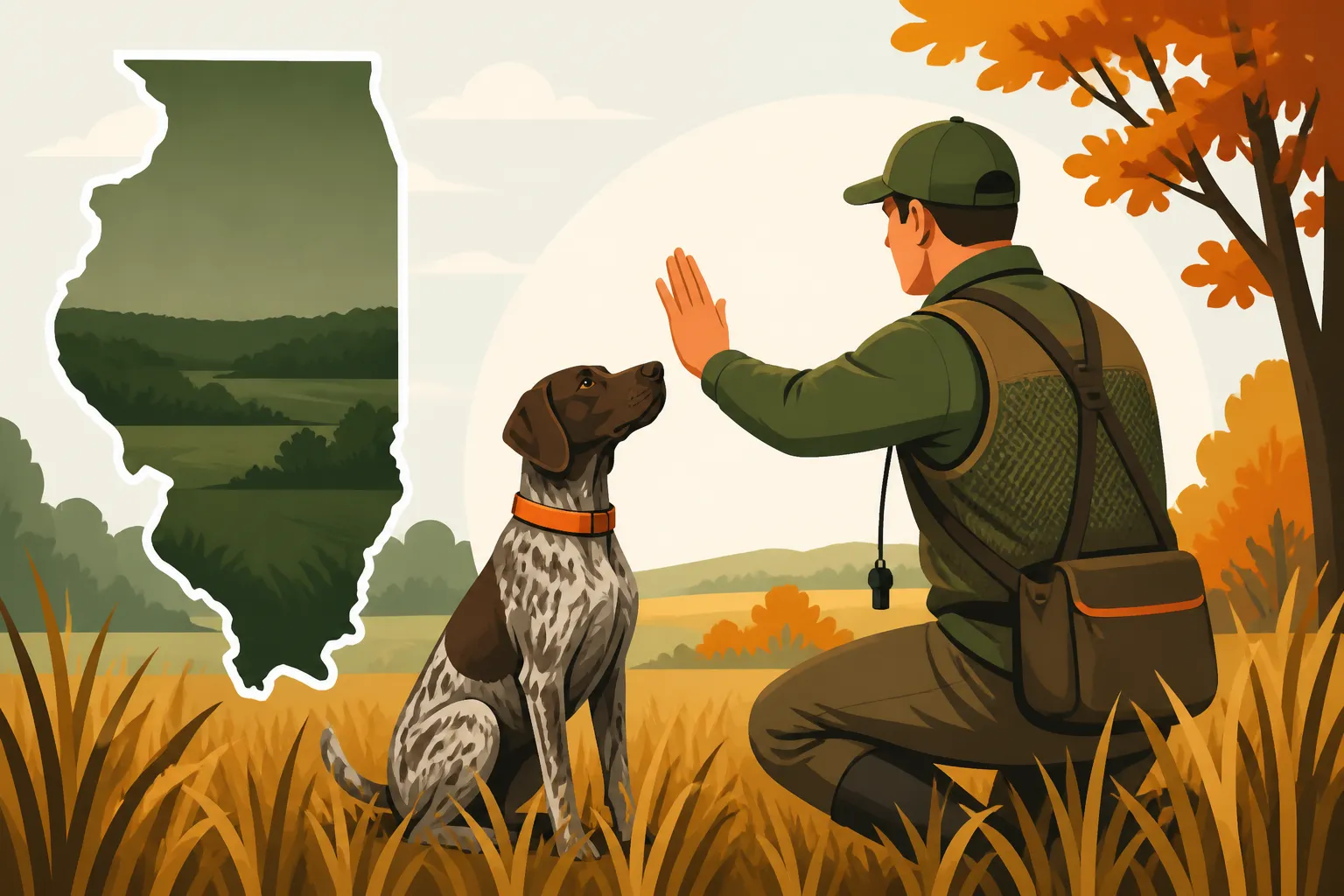
Finding the right spots to train your hunting dog in Illinois can feel like a real puzzle. You want enough space for your dog to learn and stretch their legs, but you also need to ensure you're following the rules, respecting other users, and keeping everyone safe. It's a delicate balance, and it can be frustrating to drive to a promising location only to find it unsuitable or, worse, restricted. This guide will walk you through navigating Illinois public lands for dog training, helping you find those ideal locations and practice responsibly, making both you and your canine companion better hunters.
Understanding Illinois Public Land Regulations for Dog Training
Before you even load up the truck with your excited retriever or eager bird dog, you need to understand the lay of the land when it comes to rules. Illinois public lands, managed by various entities, all have their own specific regulations, and what's perfectly fine in one spot might land you a citation in another. It's not just about common courtesy; it's about legality and safety for everyone sharing these precious resources. Ignorance of the rules is never an excuse, so let's dig into what you need to know.
General Rules and Leash Laws on IDNR Properties
Most Illinois Department of Natural Resources (IDNR) properties, including State Fish and Wildlife Areas (FWAs) and State Parks, generally have specific guidelines concerning dogs. A universal rule you'll encounter almost everywhere is the leash law. Unless explicitly stated otherwise, your dog must be on a leash, typically no longer than 10 feet, and under your immediate control. This is for the safety of your dog, other visitors, and wildlife. Imagine trying to run drills with your pointer only to have it flush a deer or harass a family enjoying a hike. It's just not going to fly.
These general leash laws apply to common areas, trails, and parking lots. However, some sites may have designated "dog training areas" or allow leashed dogs in specific hunting sections during non-hunting seasons, provided no other activities are negatively impacted. Always check the specific site regulations for the property you intend to visit. The IDNR website often has specific rules listed for each site, or you can call the site office directly. Remember, having a valid Illinois Hunting Licenses and What They Cost is often a prerequisite, even for training activities, especially if you're simulating hunting.
Season-Specific Restrictions and Conflicts
This is where things can get really tricky. Illinois's public lands are primarily managed for wildlife and public recreation, which includes various hunting seasons. During these times, dog training can often be restricted or even prohibited in areas where hunting is active. For instance, trying to train your bird dog in a field during Illinois Deer Season Structure Explained is generally a no-go, not only because of safety concerns but also because it could interfere with deer hunters.
You need to pay close attention to the calendar. During the spring turkey seasons, many public areas become a sanctuary for gobblers and hunters, making it unsuitable for dog training that might disturb the birds. Similarly, waterfowl refuges or managed duck areas will have strict rules during Illinois Waterfowl Zones and Seasons. The goal is to avoid conflicts and ensure that everyone can enjoy their chosen activity without interference. Always cross-reference your training schedule with the relevant hunting seasons, especially for game species that your dog is being trained to pursue. The rule of thumb is: if there's an active hunting season for a species in that area, it's probably best to find another spot or wait for the season to conclude.
Permitting and Special Use Areas
While many general public lands require no special permit beyond your standard hunting license to be present, some specific areas or activities might. A few IDNR sites have designated "dog training areas" or "field trial areas" where off-leash training with specific types of game birds (often pen-raised pheasants or quail) might be allowed during certain times of the year. These areas are usually set up to mimic natural hunting conditions, offering ideal cover and terrain for working dogs.
Access to these special areas often requires an additional permit or might be regulated by specific sign-up procedures. It's crucial to understand that even in these areas, there are still rules: limits on the number of birds released, ethical considerations for the welfare of those birds, and strict cleanup policies. Always inquire about any special permits or reservations needed for these specific dog training zones. These dedicated areas are often the best places to get focused, realistic training without worrying about accidental encounters with other recreationists or wildlife that could be disturbed.
Identifying Suitable Public Lands for Training Your Hunting Dog
So, you've got the rules down, but where do you actually go? Illinois has a decent amount of public land, but finding the right parcel that suits your dog's training needs and has minimal conflict can be a challenge. It's not always about the biggest tract of land; sometimes, a smaller, overlooked piece offers the perfect conditions. This is where strategic scouting and smart use of modern tools really pay off.
Utilizing Mapping Tools for Land Identification
In today's world, a good mapping app is your best friend when it comes to finding and understanding public land. Tools like onX Hunt and GoHunt have revolutionized how hunters and dog trainers scout. These apps provide incredible detail, showing you property boundaries, land ownership, topography, and even different types of cover.
You can use these digital maps to:
- Identify Public Land Boundaries: Clearly see where state, federal, or county public lands begin and end. This is critical to avoid trespassing.
- Evaluate Cover and Terrain: Look for areas with specific vegetation – dense cover for flushing dogs, open fields for pointing breeds, or water features for retrievers. Topographic lines can help you find subtle ridges or creek bottoms that might offer varied terrain for more realistic training scenarios.
- Locate Access Points: Pinpoint parking areas, access roads, and trails.
- Layer Information: Many apps, including onX Hunt, allow you to overlay different data points, such as habitat stamps, aerial imagery, and even public hunting area specifics. This can give you a comprehensive understanding of an area before you ever step foot on it. When I'm looking for new training spots, I spend hours poring over these maps, trying to spot those hidden corners that might offer solitude and good cover. The onX Layers for Illinois Land Status feature is particularly helpful for distinguishing between different types of public ground and understanding their specific designations.
Types of Public Land Ideal for Specific Training
Not all public land is created equal for dog training. Different habitat types lend themselves to different kinds of training, and knowing what you're looking for can save you a lot of time.
- State Fish and Wildlife Areas (FWAs): Many Illinois State Fish and Wildlife Areas are managed specifically for hunting and wildlife habitat. These often have diverse landscapes, from dense timber to open grasslands and wetlands. Some FWAs might have designated areas or specific seasons where dog training is permitted, especially for bird dogs. These are excellent places to work on flushing, pointing, or retrieving in varied cover. Pay close attention to their specific rules, as they are often more detailed than general state park regulations.
- National Wildlife Refuges (NWRs): While primarily managed for wildlife, some NWRs do allow hunting and, by extension, limited dog training. However, these areas often have the strictest regulations, and it's imperative to check specific refuge rules. Waterfowl training might be allowed in certain designated zones, but generally, these are not free-for-all dog training grounds.
- State Parks and Recreation Areas: Many state parks allow dogs on leashes on trails and in designated areas, but off-leash training, especially with live birds or gunshots, is typically prohibited outside of specific, posted dog training fields. Always verify with the park office directly.
- Other Public Lands (County, City, Forest Preserve): Don't overlook smaller, local public lands. Some county forest preserves or parks might have less restrictive dog policies, or even off-leash dog parks that, while not ideal for hunting scenarios, can be great for obedience and socialization. However, for actual hunting dog drills, you'll likely need to seek out areas managed specifically for hunting.
When scouting, look for features like:
- CRP (Conservation Reserve Program) Fields: These often provide excellent grassy cover for bird dog work.
- Thick Brush and Fencerows: Good for teaching dogs to work dense cover and follow scent trails.
- Ponds, Lakes, or Rivers: Essential for retriever training. Make sure water access is safe and permitted.
Scouting for Low-Pressure Areas
The biggest challenge on public land is often other people. You can find the perfect habitat, but if it's crawling with hikers, mountain bikers, or other hunters, your training session will be ineffective and potentially unsafe. This is why Scouting Illinois Public Land Before Season is so crucial, even for training.
- Weekdays vs. Weekends: It's no secret that public lands are far less crowded during the week. If your schedule allows, weekday mornings are often the quietest times.
- Off-Season Timing: Training during the spring and summer can be challenging due to heat and dense vegetation, but it's often when many hunting areas are less utilized by hunters. Just be extra vigilant about heat stress on your dog and potential encounters with venomous snakes, ticks, and other hazards.
- Remote Access Points: Use your mapping apps to identify less obvious parking areas or walk-in access points that might deter casual visitors. Sometimes, walking an extra half-mile from a main trailhead can get you into a world of solitude.
- Look for Natural Barriers: Creeks, steep ridges, or areas with thick, difficult-to-traverse cover can naturally limit human traffic, creating quieter pockets for training. This is a tactic many experienced hunters use to find Finding Ground Others Walk Past during hunting season, and it works just as well for dog training.
- Observe Hunting Pressure on Illinois Public Land: After a few visits, you'll start to recognize patterns of use. If a particular FWA is always packed on Saturdays, make a note to try a different location or visit during an off-peak time.
Practical Tips for Effective and Respectful Public Land Dog Training
Once you’ve found your spot and understood the rules, it's time to get down to business. But training on public land isn't just about your dog's performance; it's about being a responsible land user and a good ambassador for hunters and dog owners. A few thoughtful practices can make a huge difference in your experience and how others perceive it.
Safety First: Gear, Water, and Awareness
Your dog’s safety, and your own, should always be the top priority when training on public land. These areas present unique challenges that you might not encounter in a controlled backyard setting.
- Hydration is Key: Always carry plenty of fresh water for both you and your dog, especially during warmer months. Dogs can overheat quickly, even on cooler days if they're working hard. Consider a collapsible bowl and extra bottles.
- First Aid Kit: A basic dog first aid kit is essential. Think about things like paw protection (booties for rough terrain), wound care, and supplies for tick removal. Accidents happen, and being prepared can prevent a minor issue from becoming a major one.
- Bright Colors: Just like when you're deer hunting, wearing blaze orange or blaze pink can make you and your dog more visible to other users, especially if you're in an area where hunting might be active (even if you're just training). A bright orange vest for your dog is a must.
- Know Your Surroundings: Be aware of other people, wildlife, and potential hazards. Listen for gunshots if you're near a shooting range or active hunting zone. Watch for venomous snakes, especially in southern Illinois, and be mindful of uneven terrain or bodies of water. A quick check of the forecast for extreme weather is also smart.
- E-Collar Proficiency: If you use an e-collar, ensure your dog is properly conditioned to it and you know how to use it effectively and humanely. This tool can be invaluable for off-leash control, especially in an uncontrolled environment like public land.
Respecting Other Users and Wildlife
Sharing public land means being courteous and mindful of everyone else who uses it. Your actions reflect on all dog owners and hunters.
- Leash Up When Approaching Others: Even if you're in an area where off-leash training is permitted, immediately leash your dog if you see other people approaching, especially those with children or other dogs. Not everyone is comfortable around unleashed dogs, and it prevents potential conflicts.
- Noise Discipline: While gun dog training often involves blank pistols or small-gauge shotguns (where permitted), be mindful of the noise. Try to pick times and locations where the sound won't disturb nearby residents or other recreationists. If you're working on commands, keep your voice calm and avoid excessive yelling.
- Leave No Trace: Always pick up after your dog. Carry waste bags and pack out everything you pack in. This is fundamental to responsible land use and keeps public areas clean for everyone.
- Avoid Sensitive Areas: Steer clear of marked wildlife nesting areas, conservation zones, or areas that seem particularly delicate. Your dog's scent or presence, even if just training, could stress local wildlife.
- Educate Others: If you encounter someone curious about what you're doing, be polite and informative. Explain that you're training a hunting dog and that you're following all regulations. A positive interaction can go a long way in fostering good public relations for our pursuits.
Legal Considerations and Ethical Practices
Training a hunting dog responsibly means understanding the fine line between training and actual hunting, and adhering to ethical standards.
- Game Birds for Training: If you're using live birds for training, ensure they are legally acquired pen-raised birds and that you are following all regulations regarding their release and use. Never use wild game birds for training purposes, as this is often illegal and unethical.
- "Training" vs. "Hunting": Be aware of the legal definition of "hunting" in Illinois. Often, if you're actively pursuing game with the intent to harvest, it's considered hunting, even if you call it training. This means you need to be in season, have the proper permits, and adhere to bag limits. Dog training, when done outside of hunting season or with pen-raised birds, generally falls into a different category, but the distinction is important. Review Illinois Small Game Season Rules and relevant sections for clarity.
- Permit Requirements: Double-check if a site permit or specific dog training permit is required for the public land you're using. Some areas might have a separate application process, even for non-hunting activities involving dogs.
- Respect Property Rights: Even on public land, boundaries matter. Use your mapping tools like GoHunt or onX Hunt to ensure you're not inadvertently crossing onto private property, which could lead to a Illinois Trespass and Permission Law violation.
| Training Activity | Ideal Public Land Feature | Considerations |
|---|---|---|
| Retrieving (Water) | Ponds, calm river bends | Water safety, current, other water users |
| Retrieving (Land) | Open fields, grassy edges | Visibility, other recreationists, heat |
| Pointing/Flushing | CRP fields, dense cover, brush | Bird availability (wild vs. pen-raised), season |
| Scent Trailing | Woods, varied terrain | Other wildlife, natural obstacles, weather |
| Obedience/Socialization | Designated dog parks, trails | Leash laws, dog-on-dog interactions, crowds |
Common Challenges and How to Overcome Them
No matter how well you plan, training a dog on public land will inevitably throw a few curveballs your way. From unexpected crowds to confusing regulation changes, these challenges can be frustrating. But with a bit of foresight and flexibility, you can navigate them and still have a productive session.
Dealing with Crowds and Conflicting Activities
You arrive at your chosen spot, and instead of quiet solitude, you find a youth soccer league, a group of birdwatchers, or another hunter setting up shop. This is a common reality on public lands.
- Flexibility is Key: Have a backup plan! Always have one or two alternative training locations in mind. If your primary spot is too crowded, move on to the next. It’s better to drive a little further than to force a training session in a high-traffic area that will only frustrate you and your dog.
- Adjust Your Timing: As mentioned, weekdays and early mornings are often less busy. Consider evening sessions, but be mindful of declining light and potential for more nocturnal wildlife.
- Adapt Your Training: If you can't avoid some level of crowd, switch to focus on obedience commands, recall, and working through distractions. A busy environment is actually a great place to proof your dog's training against real-world chaos, even if it's not the exact hunting scenario you had planned.
- Communicate Clearly: If you do encounter others, a friendly wave and a brief explanation of what you're doing ("Just doing some dog training, we'll keep our distance!") can often smooth things over. Most people are understanding if you're respectful.
Navigating Changing Regulations and Closures
Public land regulations are not static. Seasons change, management plans are updated, and sometimes unexpected closures occur. Staying informed is essential to avoid wasted trips or legal issues.
- Check Before You Go: Make it a habit to check the IDNR website or call the site office for the specific public land you plan to visit before you head out. Look for news releases, special advisories, or updated rules regarding specific species or activities.
- Subscribe to Updates: Many state agencies or specific public land sites offer email newsletters or social media updates. Subscribing to these can keep you informed about closures, new regulations, or upcoming events.
- Use Mapping App Updates: Apps like onX Hunt often integrate closure information or specific rules within their land layers, so make sure your app is updated frequently. While helpful, always cross-reference with the official source if you have doubts.
- Understand Illinois Area Closures in Season: Be aware that many areas close entirely or have restricted access during specific hunting seasons or for management activities like prescribed burns or timber harvests. These closures are for safety and resource management, so respect them.
Ensuring Your Dog's Focus in Distracting Environments
Public land is inherently full of distractions: other people, dogs, wildlife scents, and unfamiliar sounds. Training here is a test of your dog's focus and your ability to manage their attention.
- Start with Strong Foundation: Before tackling public land, ensure your dog has a solid foundation in basic obedience (sit, stay, heel, come) in low-distraction environments. Don't throw them into the deep end immediately.
- Gradual Exposure: Introduce distractions slowly. Start with less busy public areas, then gradually increase the level of noise and activity. Practice short, successful sessions rather than long, frustrating ones.
- Positive Reinforcement: Keep training positive and rewarding. High-value treats and praise can help your dog associate focus in distracting environments with good things.
- Maintain Control: Always prioritize control. If your dog is struggling to focus, shorten your leash, move to a quieter spot, or end the session on a positive note before frustration sets in. An e-collar, used correctly, can be a crucial tool for maintaining control and reinforcing commands from a distance in busy settings.
- Build Drive: For hunting dogs, leveraging their natural drive for birds or retrieving objects can help them ignore other distractions. Make the "job" more exciting than the squirrel running across the field.
Training your hunting dog on Illinois public land is a rewarding experience that sharpens both your skills and your dog's. It exposes them to real-world scenarios, smells, and sights that can't be replicated in a controlled backyard. By understanding the rules, using smart scouting tools, practicing safety, and always being respectful, you'll find plenty of opportunities to build a stronger bond with your dog and prepare them for success in the field.
Disclaimer
This article is for general informational purposes only and does not constitute professional advice. Laws, prices and regulations vary by location and change over time. Consult a qualified professional for guidance on your specific situation.