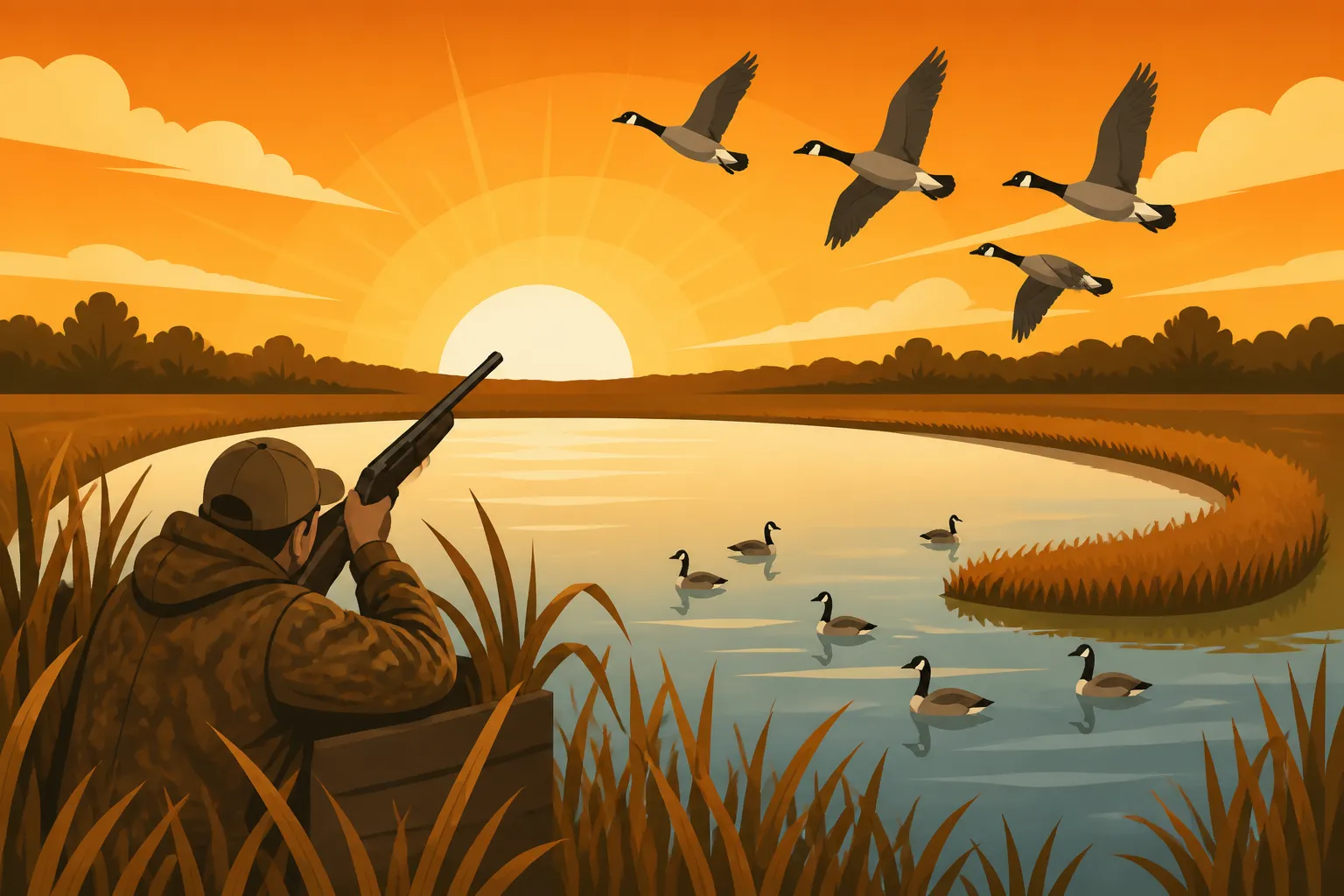
Why Horseshoe Lake Draws Goose Hunters
When you talk about goose hunting in Illinois, one name consistently comes up with a reverence that borders on legendary: Horseshoe Lake. For many waterfowl enthusiasts, the thought of those massive flocks descending evokes a mix of excitement and frustration, especially given how challenging it can be to consistently find birds. This guide is going to break down exactly why Horseshoe Lake in Alexander County has become such a magnet for geese and, by extension, for hunters hoping to intercept them, offering insights into its unique appeal and how you can approach hunting this iconic location.
The Irresistible Allure of Horseshoe Lake's Geography
Horseshoe Lake isn't just another body of water; it's a strategically perfect, naturally formed oxbow lake nestled in the southernmost tip of Illinois. Its unique geography plays a monumental role in attracting and holding huge numbers of Canada geese, making it a critical hub on the Mississippi Flyway.
A Strategic Stop on the Mississippi Flyway
The Mississippi Flyway is like a superhighway for migratory birds, and Horseshoe Lake sits directly on a prime exit ramp for Canada geese. As geese make their southward journey from their breeding grounds, they need reliable stopover points with abundant food, water, and sanctuary. This lake, with its sprawling waters and surrounding bottomland, offers just that. The sheer volume of geese that utilize this area during the fall and winter migrations is astounding. It's not uncommon to see thousands, sometimes tens of thousands, of geese funneling into the area, creating an unforgettable spectacle. This consistent pattern of migration makes the area predictably productive for hunters who understand the birds' movements. Illinois Waterfowl Migration Timing is crucial to understanding when these numbers peak.
Managed Habitat and Diverse Forage
Beyond its natural position, the land around Horseshoe Lake is actively managed to enhance its appeal to waterfowl. The Illinois Department of Natural Resources (IDNR) works hard to maintain and improve the habitat, specifically planting vast acreages of corn and soybeans. These agricultural fields provide a high-energy food source that is absolutely vital for geese building up fat reserves for continued migration or simply sustaining themselves through the colder months. This isn't just wild land; it's a carefully cultivated buffet. The lake itself provides shallow water feeding areas and deep-water roosting sites, offering a complete package. This blend of managed agricultural fields, natural timber, and diverse wetland habitat creates a waterfowl paradise, drawing birds from miles around and keeping them in the area once they arrive.
Understanding Goose Behavior at Horseshoe Lake
To truly appreciate Horseshoe Lake's draw for geese, you have to look at it from a goose's perspective. It's about safety, sustenance, and sheer numbers, all of which contribute to predictable patterns that hunters can, with effort, learn to exploit.
The Sanctuary Effect and Roosting Areas
One of the most critical factors is the "sanctuary effect." Large portions of Horseshoe Lake and adjacent properties are designated as refuge areas where hunting is strictly prohibited. These sanctuaries provide geese with undisturbed rest and safety, which is paramount for migratory birds. They know they can land, rest, preen, and loaf without constant human pressure. This sense of security encourages massive flocks to settle in and call the area home for weeks or even months. From these safe roosting areas, the geese will then "power flight" out to feed in nearby fields during the day. Understanding where these primary roosts are, even if you can't hunt them, is key to patterning their daily movements to feeding grounds, which is often where hunters have their best opportunities.
Consistent Food Sources in the Surrounding Landscape
Geese are voracious eaters, and their daily routine revolves around finding enough calories. The agricultural landscape surrounding Horseshoe Lake provides an unmatched grocery store for these birds. From leftover waste grain in harvested cornfields to lush green winter wheat fields, the menu is diverse and plentiful. This consistent availability of high-quality forage acts as a powerful attractant. While the geese might roost on the lake, their feeding flights take them far and wide, often into privately owned farmland or designated public hunting areas where hunters can set up. For hunters, this means scouting is paramount. Using tools like onX Hunt can be incredibly helpful to identify potential feeding fields and understand property boundaries, ensuring you're hunting legally and effectively. Knowing which fields have recently been harvested or which green fields are drawing birds will dictate your success. Canada Geese on Illinois Farmland provides more context on this crucial food source.
Strategies for Hunting Geese in the Horseshoe Lake Area
Given Horseshoe Lake's reputation, it's no surprise that hunting opportunities, while fantastic, can also be highly competitive. Success often hinges on understanding the specific access rules and employing the right tactics for the conditions.
Public Land Draws and Site-Specific Challenges
Hunting access at Horseshoe Lake State Fish and Wildlife Area is primarily managed through a public drawing system. This means you can't just show up and expect to hunt; you often need to apply for permits or participate in daily drawings for specific blinds or zones. This process can be frustrating, but it also helps manage pressure and ensures a quality experience for those who draw a spot. Understanding the Illinois Site Permit Application Process is crucial here. Hunters often arrive well before dawn, hoping their number gets called. Even if you secure a spot, the challenges continue. Geese in this area are famously wary, having seen every trick in the book. Decoy spreads need to be realistic, calling proficient, and concealment absolute. It's a game of wits against highly educated birds.
Field Hunting Versus Water Hunting Tactics
The types of hunting opportunities around Horseshoe Lake typically fall into two main categories: field hunting and water hunting.
Field Hunting: This involves setting up in agricultural fields where geese are actively feeding. This often requires large spreads of full-body decoys, layout blinds, and meticulous concealment. Success in the fields often depends on extensive scouting, identifying specific fields the geese are hitting, and obtaining permission if it's private land, or drawing a public field blind. These hunts can be incredibly exciting, with hundreds of geese cupping their wings and descending into your spread. For optimal concealment in open fields, mastering Layout Blind Hunting Illinois Farm Fields techniques is essential.
Water Hunting: While less common for geese directly on the lake itself due to sanctuary rules, water hunting might occur in adjacent backwaters, sloughs, or other wetland areas. This involves setting up over water, often using boat blinds or permanent pits. This style requires a different set of decoys, typically floaters, and an understanding of how geese approach water landings. Both styles demand dedication, specialized gear, and a deep understanding of goose behavior.
| Hunting Style | Primary Location | Typical Gear | Key Challenge | Best For |
|---|---|---|---|---|
| Field Hunting | Agricultural fields | Layout blinds, full-body decoys, large spreads | Concealment from wary birds, scouting | Intercepting feeding flights |
| Water Hunting | Backwaters, sloughs | Boat blinds, permanent pits, floating decoys | Water conditions, goose landing patterns | Hunting near roosts or smaller water bodies |
Planning Your Successful Horseshoe Lake Goose Hunt
A successful trip to Horseshoe Lake for geese isn't just about showing up with a shotgun. It requires meticulous planning, an understanding of the regulations, and a commitment to scouting and preparation.
Navigating Permits, Regulations, and Seasons
Before you even pack your calls, you need to understand the complex permit and regulatory framework for hunting at Horseshoe Lake. As a managed site, there are specific rules regarding check-in times, blind allocations, shooting hours, and harvest reporting. You'll need an Illinois Hunting Licenses and What They Cost, a state habitat stamp, and federal migratory bird stamp, along with any necessary site-specific permits. The season dates for geese in Illinois are split into zones, and Horseshoe Lake falls within the Southern Zone, which often has later opening dates to accommodate later migrating birds. Be sure to check the current Illinois Waterfowl Zones and Seasons and Illinois Duck and Goose Bag Limits well in advance. Ignorance of the rules is no excuse, and wardens patrol these areas regularly. Always consult the official IDNR site for the most up-to-date information on application deadlines and hunting protocols for Horseshoe Lake Fish and Wildlife Area.
Essential Gear and Scouting for Success
Beyond the permits, the right gear is non-negotiable. Quality waterproof outerwear, insulated waders (if water hunting), warm layers, and appropriate blaze orange (if required for travel to and from blinds) are essential for comfort in potentially harsh conditions. Decoys, calls, and a reliable shotgun are givens. What's truly essential, however, is scouting. You simply cannot expect to consistently kill geese at Horseshoe Lake without putting in the legwork to find where they are feeding. This means driving roads, glassing fields, and observing flight patterns. Utilize mapping apps like onX Hunt to mark potential hot spots, identify land ownership, and understand topography. Pay attention to wind direction, as it heavily influences goose flight paths and decoy spreads. Consider visiting the area a day or two before your hunt, even if just to observe. Look for fresh droppings, heavily used flight lines, and the preferred entry and exit points from fields. This on-the-ground intelligence is invaluable, especially when trying Finding Ground That Sees Fewer Hunters. Bringing good binoculars and a spotting scope is a must for effective scouting from a distance, allowing you to locate birds without disturbing them. Scouting Illinois Public Land Before Season is not just good advice; it's practically a requirement here.
Disclaimer
This article is for general informational purposes only and does not constitute professional advice. Laws, prices and regulations vary by location and change over time. Consult a qualified professional for guidance on your specific situation.