Asking an Illinois Farmer for Permission
Finding a good hunting spot in Illinois can feel like a never-ending quest, especially if you're not lucky enough to own land or have family property. It's a common frustration to see prime habitat from the road, only to realize it's all private, posted land. But don't despair! Asking a local farmer for permission is still one of the most effective ways to unlock new opportunities and build lasting connections in the Illinois hunting community. This guide will walk you through the ins and outs of respectfully approaching landowners and increasing your chances of gaining access.
The Art of the Ask: Preparing for Your Conversation
Before you even think about knocking on a door or making a phone call, a little homework goes a long way. Showing up prepared and knowledgeable about the land and the farmer's potential needs can make all the difference in that crucial first impression.
Researching Potential Properties
You wouldn't walk into a job interview without knowing something about the company, right? The same goes for asking hunting permission. Start by identifying parcels of land that look promising. Maybe it’s a woodlot tucked behind a cornfield, a brushy creek bottom winding through pastures, or a small timber block that looks like a natural deer highway. Once you've got a few spots in mind, it's time to figure out who owns them.
This is where modern technology really shines. Tools like onX Hunt are absolute game-changers, allowing you to quickly identify parcel boundaries and landowner information right on your phone or computer. You can literally see a tract of timber, tap on it, and get the owner's name, often with contact details. County plat maps, often available online through the county assessor's office, are another fantastic resource for pinpointing ownership. Before you make contact, observe the property from a public road (never trespass, of course). Look for deer trails, rub lines, or even old turkey scratchings. Note the types of crops being grown, the presence of livestock, or any clear signs of recent activity that might impact hunting. This information not only helps you target properties that might hold game but also gives you talking points that demonstrate you've done your homework and respect their land.
Timing and Approach: When and How to Connect
Timing is everything when approaching a busy farmer. Imagine trying to talk to someone about hunting permission when they're in the middle of planting corn in spring, or even worse, during the frantic pace of harvest in the fall. That's a surefire way to get a quick "no" or, at the very least, leave a negative impression. The best times to approach are typically during the off-season, like late winter or early summer, when field work might be less demanding. Afternoons or early evenings are often better than early mornings, as farmers frequently start their day before dawn.
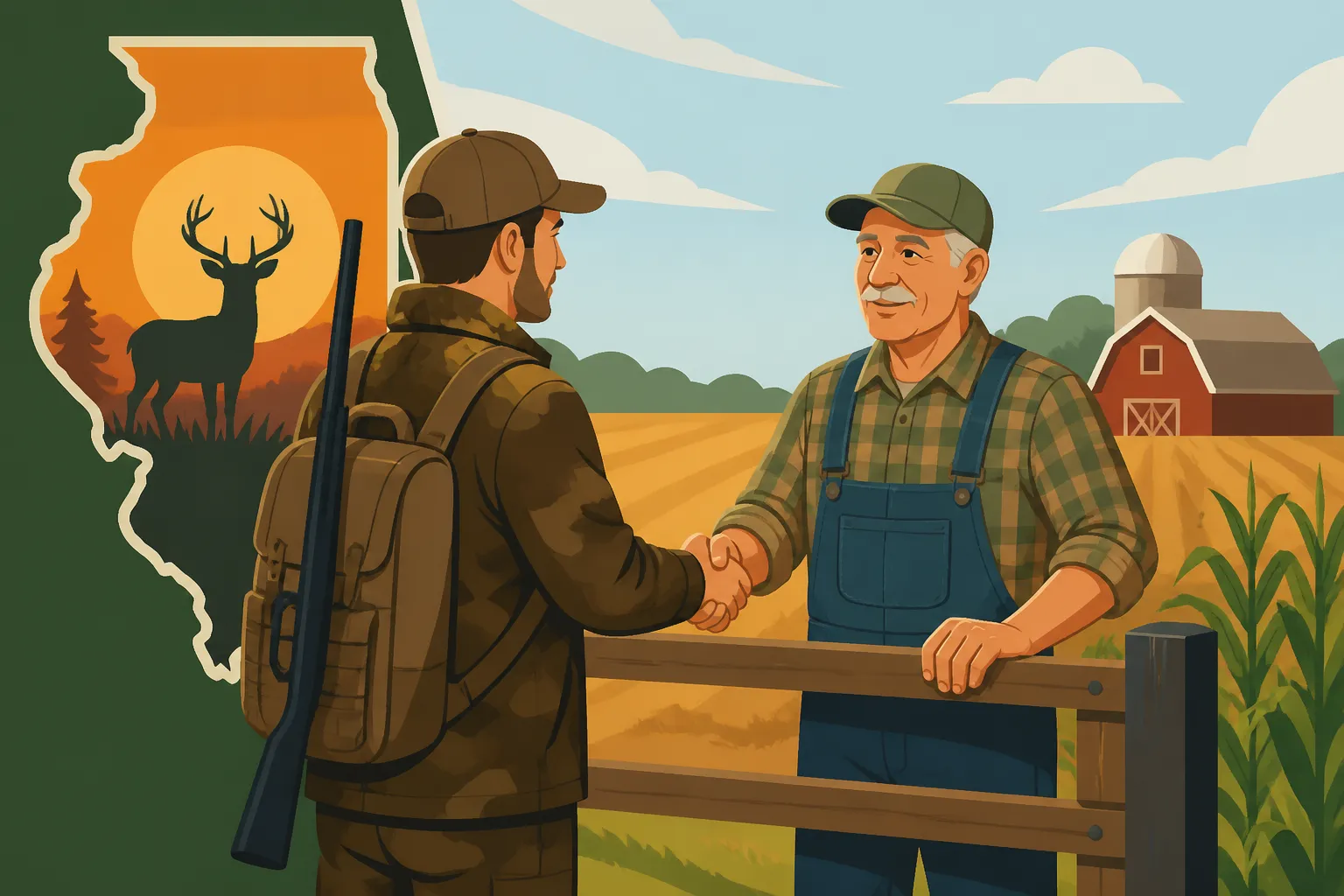
When it comes to how to approach, an in-person visit is almost always preferred over a phone call, if possible. It shows a level of commitment and respect that a phone call simply can't convey. Dress neatly, but appropriately for the situation – clean jeans and a collared shirt are usually fine. You're not going to a black-tie event, but you're also not going to hunt. Be polite, friendly, and brief in your initial introduction. Don't launch into your whole hunting saga right away. Introduce yourself, state why you're there, and ask if it's a good time to chat. If it's not, thank them for their time and ask when a better time might be. Remember, you're interrupting their day, so be considerate.
What to Bring: The Essentials for a Good First Impression
Beyond your polite demeanor, having a few key items can help solidify your credibility and preparedness. Always carry your valid Illinois hunting license and a current Illinois Hunter Education Requirements card. This immediately shows you're a legal, responsible hunter. Having proof of hunter's liability insurance can also be a huge plus, as it addresses a common concern for landowners. Many hunting organizations offer this as part of their membership benefits, so it's worth looking into.
A simple, clear map of their property, perhaps one you printed from onX Hunt with their property lines highlighted, can be incredibly helpful. It demonstrates that you know which property you're interested in and can help you clearly define the areas you'd like to hunt. You might also consider a small, thoughtful gesture. This isn't about bribing anyone, but rather a token of appreciation. A basket of locally grown produce, a gift certificate to a local diner, or even a nice, warm pie from a nearby bakery can show your sincerity and that you value their time and generosity. This isn't mandatory, but it can certainly help you stand out in a positive way.
Making Your Pitch: What Farmers Want to Hear
Once you've got the farmer's attention, your "pitch" isn't about selling them something, but about explaining why granting you access could be a good idea, and more importantly, how you will be a respectful, responsible presence on their land.
Emphasizing Respect and Responsibility
Farmers take immense pride in their land, and rightly so. They invest countless hours and resources into making it productive. Your top priority should be to convey absolute respect for their property. Start by assuring them you will treat their land as if it were your own – or better. This means explicitly stating that you will:
- Close all gates: No exceptions. Livestock getting out is a major headache.
- Stay on designated trails or field edges: Don't drive through planted fields or sensitive areas.
- Leave no trash behind: Pack out everything you pack in.
- Adhere to all hunting regulations: This includes knowing and respecting seasons, bag limits, and specific rules like Illinois Firearms Discharge Setback Rules.
- Respect their privacy: Stay away from their home and outbuildings unless invited.
- Drive slowly and carefully on their property: Be mindful of farm equipment, children, and pets.
It's also a good idea to discuss safety. Mention that you always wear appropriate blaze orange during firearm seasons, especially if they have family or other workers on the property. Explain that you are a safe, ethical hunter who prioritizes the well-being of others and their animals. Showing this level of thoughtfulness upfront can alleviate many of a landowner's potential concerns.
Offering Benefits and Building Trust
While your primary goal is to hunt, you can also offer something in return. Think about what challenges a farmer might face, and how you, as a hunter, could potentially help. For many Illinois farmers, deer can be a significant nuisance, especially when they're feasting on soybeans or corn. You could offer to help manage the deer population by targeting does, which can be a real benefit to their crop yield. The same goes for predators like coyotes or even Hunting Illinois's Year-Round Feral Hogs, which can cause extensive damage to fields and pose a threat to livestock. Offering to help control these populations can be a compelling argument.
Beyond pest control, consider offering practical assistance. "I'd be happy to help check fences occasionally," or "If you ever need a hand with a chore that an extra set of hands could speed up, just let me know." Even if they never take you up on it, the offer demonstrates your willingness to be a good neighbor and contribute. The goal here is to build a relationship, not just secure a one-off permit. Many of the best hunting spots come from long-term relationships built on mutual respect and trust. Showing that you're interested in being a reliable, helpful presence, not just someone looking to take, is paramount.
Being Clear About Your Intentions
Be very specific about what you want to hunt and when. Don't just say, "I want to hunt deer." Clarify: "I'm primarily interested in bowhunting for deer during the early part of the season, and perhaps a firearm tag during Illinois First Firearm Weekend Dates if you allow it." This level of detail shows you're serious and helps the farmer understand the scope of your request.
If you're interested in multiple species, list them. "I'm hoping to get a turkey during Illinois Spring Turkey Zones and Periods, and maybe do some Coyote Calling in Illinois Farm Country in the winter." Also, be clear about how many people will be hunting. Will it just be you, or will you occasionally bring a trusted hunting partner or your child for Hunting the Illinois Youth Deer Weekend? It's much better to be transparent upfront than to surprise them later. Farmers appreciate honesty and clarity. This also includes defining which specific areas of their property you're interested in. Use that map you brought to point out the woodlot, the creek bottom, or the fencerow. Knowing exactly where you'll be and when helps them avoid scheduling conflicts with their own activities or other family members who might also hunt.
Navigating the "No" and Maintaining the Relationship
Sometimes, despite your best efforts, a farmer might still say no. It’s tough to hear, but how you handle a rejection is almost as important as how you make your initial request. It can leave the door open for future opportunities.
Understanding Why Farmers Decline
There are countless legitimate reasons a farmer might decline your request, and it’s rarely personal. They might already have family members, friends, or other hunters who have permission, and they don't want to overcrowd the property or cause conflicts. Liability is a huge concern for many landowners; even with hunter’s insurance, the thought of someone getting hurt on their property can be a deterrent. Farmers are busy people, and adding another variable to their already complex lives might simply be too much for them to manage. They might have had a bad experience with a past hunter who left gates open, drove through fields, or was disrespectful. It could even be something as simple as wanting the deer population to remain high for aesthetic reasons.
Whatever the reason, accept a "no" gracefully and with understanding. Thank them for their time and consideration, and assure them you understand. Don't argue, don't try to change their mind on the spot, and definitely don't act entitled or upset. A simple, "I understand completely, Mr./Mrs. Smith. Thank you so much for your time today," can go a long way. This leaves a positive impression, and you never know when circumstances might change, or when they might remember your polite demeanor if another opportunity arises down the road.
The Importance of a Written Agreement
Even if you shake hands and agree, it’s always, always a good idea to get things in writing. This doesn’t need to be a complex legal document, but a simple, written permission slip can prevent misunderstandings and protect both you and the landowner. This is also why we have posts like Do You Need Written Permission in Illinois?.
A basic written agreement should include:
- The date: When was permission granted?
- Your full name and contact information.
- The landowner’s full name and contact information.
- A clear description of the property: Include the county, address, and perhaps a short legal description or a reference to your marked map.
- The duration of the permission: Is it for a specific season, a calendar year, or indefinitely until revoked?
- Which species you are allowed to hunt.
- Any specific restrictions: Are there areas off-limits? Times you can’t be there? Are ATVs allowed?
- Signatures of both parties.
This document provides clarity for both sides. If a new farmer takes over the property, or if there's ever a question from law enforcement, you have proof of your right to be there. It's a small step that provides a lot of peace of mind.
Maintaining Good Will, Even Without Access
Even if you don't get permission this year, or if you had it but now the situation has changed, it’s crucial to maintain good relationships. A thank-you note, even after a rejection, can set you apart. A simple card expressing your appreciation for their time and consideration will be remembered. If you previously had permission, a thank-you note or a small gift at the end of the season (regardless of your success) is a must. This could be some venison you harvested from other property, a gift basket, or even a batch of homemade cookies.
Consider stopping by once a year, not to ask for permission again immediately, but just to say hello and see how they're doing. A quick chat about the weather or crop conditions can solidify your role as a friendly, respectful acquaintance, rather than just "that hunter who wanted access." Building relationships in rural communities takes time, but it’s often the key to unlocking future hunting opportunities. Even if that specific farm never opens up, that farmer might have a neighbor or a friend who is looking for a responsible hunter. Your reputation as a polite, respectful individual will precede you.
Leveraging Technology and Community for Access
While direct farmer contact is paramount, modern tools and good old-fashioned community networking can significantly enhance your search for hunting ground.
Digital Tools for Landowner Identification
We touched on onX Hunt earlier, and it bears repeating: this app is invaluable. Not only does it show property lines and landowner names, but many versions also offer satellite imagery that can help you Reading Aerial Photos for Southern Illinois Deer or other game in different regions of Illinois, pinpointing potential bedding areas, food sources, and travel corridors. This allows you to walk into a conversation not just with a name, but with an educated guess about why their particular property is appealing for hunting. Other platforms, like GoHunt, may offer similar tools or additional data points that can aid in your research.
Beyond these dedicated hunting apps, don't overlook county GIS (Geographic Information System) websites. Many Illinois counties provide free online access to their property parcel viewer, which can show you property lines, owner names, and even acreage. These tools are fantastic for identifying smaller, potentially overlooked parcels that might be owned by individuals less directly involved in farming, but who might still appreciate a responsible hunter. Remember, technology is a tool to facilitate the conversation, not replace the personal touch.
Expanding Your Network
Sometimes, the best access comes not from a cold knock on a door, but through a warm referral. Immerse yourself in the local community where you want to hunt. Frequent the small-town diners, gas stations, feed stores, co-ops, and hardware shops. Strike up conversations with locals. You'll be amazed at how much information and how many connections you can make just by being present and friendly. People are often more willing to help someone they recognize from around town, or someone who comes recommended by a trusted friend.
Attending local community events, like county fairs, farmers' markets, or church suppers, can also be a great way to meet people in a low-pressure environment. Introduce yourself, mention your interest in hunting, and simply make connections. You might hear, "Oh, old Mr. Johnson down the road is always complaining about deer eating his beans; he might let you hunt." Or, "My cousin has a small patch of woods that no one hunts." These informal conversations can lead to direct leads that you might never find through digital means alone. Building a genuine relationship with the community often opens doors, both literal and metaphorical, to more hunting opportunities than simply asking direct questions. It's truly a long game, but the rewards are often the most fulfilling.
| Do's When Asking for Permission | Don'ts When Asking for Permission |
|---|---|
| Do research the property and landowner. | Don't trespass or scout without permission. |
| Do approach in person if possible. | Don't call during busy planting/harvest times. |
| Do dress respectfully and professionally. | Don't show up in full camo, looking like you're about to hunt. |
| Do state your intentions clearly and concisely. | Don't be vague about what or when you want to hunt. |
| Do emphasize respect for their property and safety. | Don't assume they know you'll be responsible. |
| Do offer to help with chores or pest control. | Don't make it solely about your hunting desire. |
| Do bring your license, hunter ed card, and proof of insurance. | Don't forget to show you're a responsible, legal hunter. |
| Do accept "no" gracefully and thank them for their time. | Don't argue, plead, or act entitled if denied. |
| Do offer a written agreement for clarity. | Don't rely solely on a verbal agreement. |
| Do follow up with a thank-you, even if denied. | Don't burn bridges; you never know when situations change. |
Disclaimer
This article is for general informational purposes only and does not constitute professional advice. Laws, prices and regulations vary by location and change over time. Consult a qualified professional for guidance on your specific situation.